

Commentary
Trade volumes between Russia and African nations have fallen since the last event in 2019, while the war in Ukraine and Wagner’s activities on the continent have strained political ties.
Vadim Zaytsev
{
  "authors": [],
  "type": "other",
  "centerAffiliationAll": "",
  "centers": [
    "Carnegie Endowment for International Peace"
  ],
  "collections": [],
  "englishNewsletterAll": "",
  "nonEnglishNewsletterAll": "",
  "primaryCenter": "Carnegie Endowment for International Peace",
  "programAffiliation": "",
  "programs": [],
  "projects": [],
  "regions": [
    "North Africa",
    "Egypt"
  ],
  "topics": []
}
Source: Getty
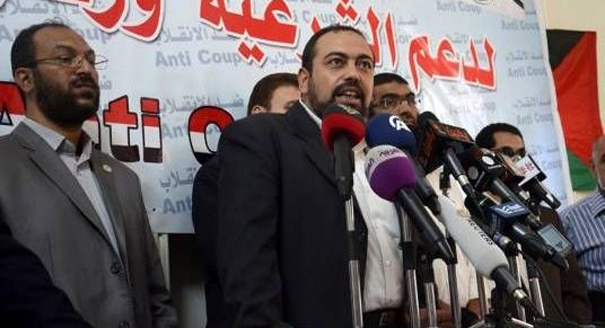
A backgrounder on the National Coalition to Support Legitimacy.
This resource was published on 08/21/2013 and is not updated to reflect changing circumstances.
The National Coalition to Support Legitimacy (NCSL) is an alliance of Egyptian Islamist organizations that was formed by the Muslim Brotherhood’s Freedom and Justice Party to counter protests organized by Egypt’s Rebel Movement, a grassroots organization dedicated to deposing then president Mohamed Morsi. After massive opposition protests resulted in Morsi’s removal from office by the military on July 3, 2013, the NCSL called on its supporters to protest against what it claimed was a military coup.
An alliance of Islamist organizations announced the creation of the NCSL on June 27, 2013, three days before large opposition protests against Morsi and the Muslim Brotherhood were scheduled to take place. The alliance was established to coordinate the actions of Morsi’s supporters as they mobilized against the opposition. According to an announcement by the Brotherhood’s Freedom and Justice Party, the alliance was intended to “preserve the dignity of the nation, protect the will of the people, and manage peaceful protests and sit-ins across Egypt, with the goal of renouncing violence, resisting thuggery, protecting Egypt and the choice of its people, and completing the revolution.”
Though the Freedom and Justice Party is the alliance’s most prominent participant, the NCSL also includes a number of other Islamist parties, many of which belong to the Salafi movement. The Salafi parties include the Building and Development Party, which is the political arm of al-Gamaa al-Islamiya, the New Labour Party, the Virtue Party, the Reform Party, the Homeland Party, the Authenticity Party, and the People’s Party. Additionally, the alliance was joined by the Center Party, which is a moderate Islamist party that split from the Brotherhood in 1996, the Arab Unification Party, the Professional Syndicates’ Union, and tribal coalitions based in Upper Egypt, the Sinai, and Marsa Matrouh.
After Morsi’s fall, the NCSL condemned Defense Minister and Egyptian Armed Forces Commander General Abdel Fattah al-Sisi for removing the president and insisted that Egypt’s first democratically elected president had been overthrown in a coup. In response to these events, the coalition mobilized its supporters for protests against the transitional government and organized large sit-ins in Cairo. The NCSL has continued to insist that Morsi is still the legitimate president and should be reinstated.
After Sisi called for public demonstrations to authorize him to fight terrorism—by which he meant supporters of Morsi and the Muslim Brotherhood—on July 24, the alliance criticized him for bringing the country closer to civil war. On July 26, supporters of Sisi and the NCSL held dueling rallies in Cairo that brought a massive number of Egyptians back into the streets.
The conflict between the two factions turned bloody when the Egyptian government decided to end the coalition’s sit-ins forcefully. On August 14, the police killed hundreds of pro-Morsi protesters when they stormed the demonstrators’ camps. Over the next several days, violent clashes broke out between Morsi supporters, the security forces, and vigilante civilians.
In the aftermath of the violence, the NCSL has continued to call for protests against the Egyptian government. However, turnout at protests has dropped substantially, and the coalition is reportedly divided over whether or not it should attempt to stay mobilized in the streets.
Carnegie does not take institutional positions on public policy issues; the views represented herein are those of the author(s) and do not necessarily reflect the views of Carnegie, its staff, or its trustees.
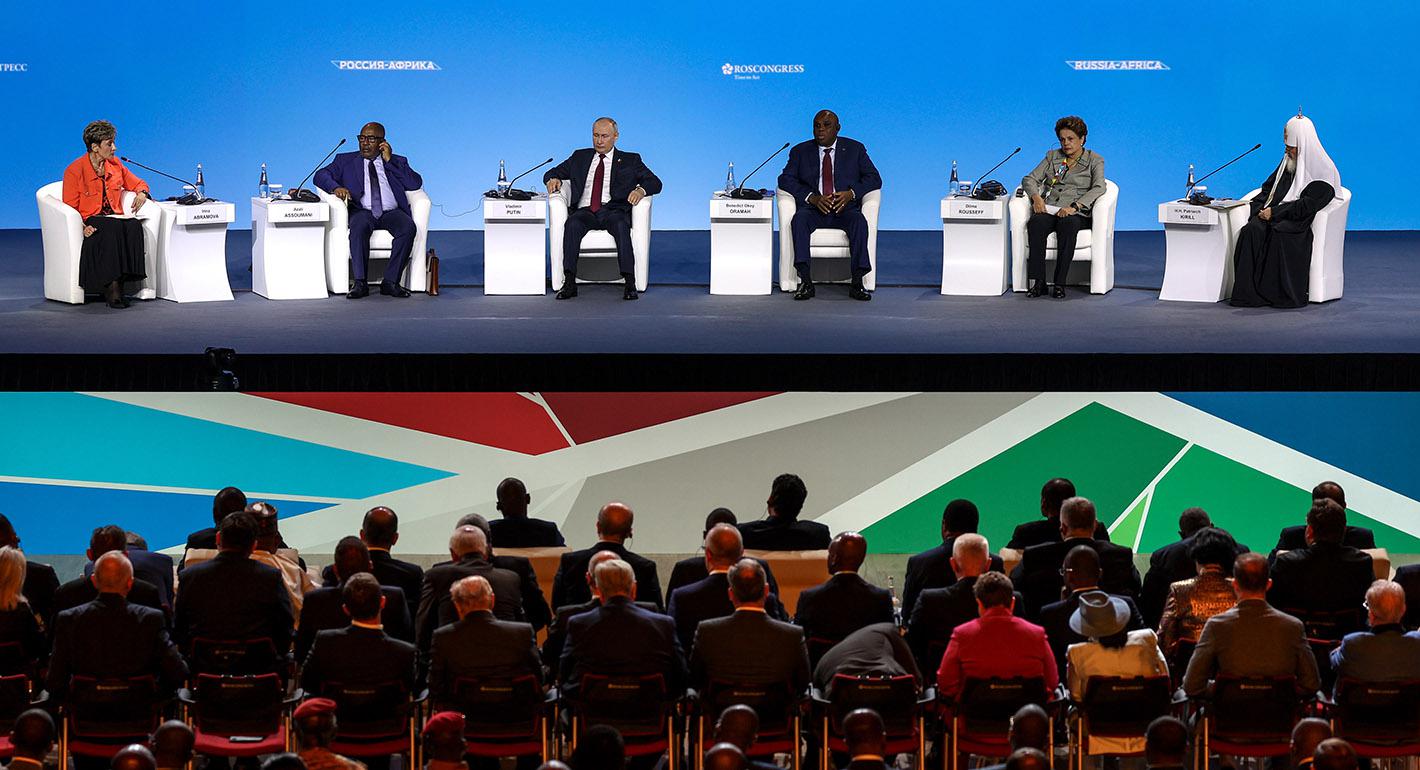
Trade volumes between Russia and African nations have fallen since the last event in 2019, while the war in Ukraine and Wagner’s activities on the continent have strained political ties.
Vadim Zaytsev
Africa is becoming a battlefield of artificial narratives. The Kremlin pretends it is creating a “second front” and challenging the rules-based order, while the West feigns concern over the Kremlin’s actions there, while knowing perfectly well that the main threat to its interests in the region is actually China.
Vadim Zaytsev
In order to secure its economic interests in Libya, Russia is seeking to bolster Haftar’s influence over a future UN-brokered diplomatic settlement.
Samuel Ramani
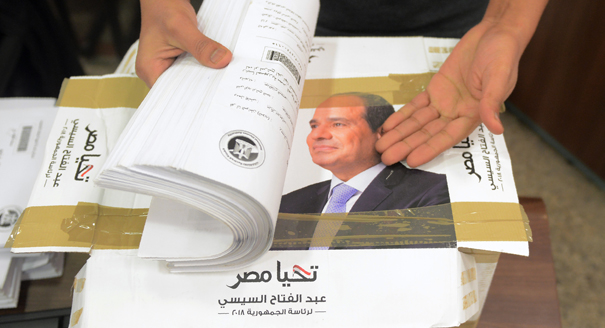
Egypt’s upcoming presidential election may not remove the incumbent, but many problems lie ahead if he wins.

Michele Dunne
Based on the data, policymakers and practitioners need to ask hard questions about whether the terrorist threat justifies a continuing U.S. military buildup in Africa.

Steve Feldstein