

Commentary
In the tenth year of his presidency, President Mirziyoyev’s system is becoming even more personalized than that of his predecessor Karimov.
Galiya Ibragimova
{
  "authors": [],
  "type": "other",
  "centerAffiliationAll": "dc",
  "centers": [
    "Carnegie Endowment for International Peace"
  ],
  "collections": [
    "Arab Awakening"
  ],
  "englishNewsletterAll": "menaTransitions",
  "nonEnglishNewsletterAll": "",
  "primaryCenter": "Carnegie Endowment for International Peace",
  "programAffiliation": "MEP",
  "programs": [
    "Middle East"
  ],
  "projects": [],
  "regions": [
    "North Africa",
    "Egypt"
  ],
  "topics": [
    "Political Reform",
    "Democracy",
    "Civil Society",
    "Religion"
  ]
}
Source: Getty
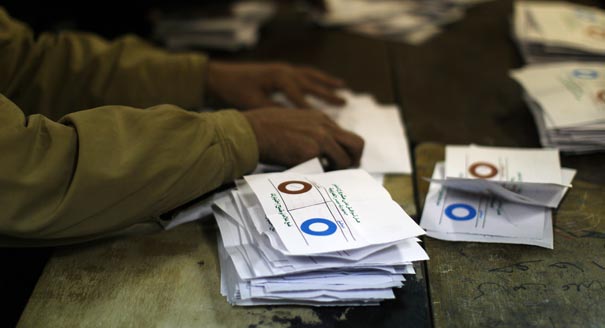
This page offers a selection of important laws and constitutional developments in Egypt following the January 25 Revolution.
Anti-Terrorism Law | English | Arabic
Parliamentary Elections Law | Arabic
Terrorist Entities Law | English | Arabic
Parliament Redistricting Law | Arabic
Presidential decree to deport foreign detainees | English | Arabic
Statement by Egyptian rights groups on proposed NGO law | English | Arabic
Parliamentary Elections Law | English | Arabic
Political Rights Law | Arabic
Articles on amendments to terrorism-related laws | English | Arabic
2014 Presidential Election Law | English | Arabic
2014 Constitution, January 2014, passed by popular referendum | English | Arabic
Comparing Egypt’s Constitutions | English
2013 Protest Law | English | Arabic
Constitutional Declaration, July 2013, issued by Interim President Adly Mansour | English | Arabic
Transitional Road Map, July 2013, issued by Supreme Council of the Armed Forces | English
Constitutional Declaration, December 2012, issued by President Mohamed Morsi | English | Arabic
Controversial Articles in the 2012 Egyptian Constitution | English
2012 Constitution, December 2012, passed by popular referendum | English | Arabic
Constitutional Declaration, November 2012, issued by President Mohamed Morsi | English | Arabic
Constitutional Declaration, August 2012, issued by President Mohamed Morsi | English | Arabic
Constitutional Declaration, June 2012, issued by the Supreme Council of the Armed Forces | English | Arabic
Constitutional Amendments, March 2011, passed by popular referendum | English | Arabic
Constitutional and Legal Framework Prior to the January 25 Revolution | English
Carnegie does not take institutional positions on public policy issues; the views represented herein are those of the author(s) and do not necessarily reflect the views of Carnegie, its staff, or its trustees.

In the tenth year of his presidency, President Mirziyoyev’s system is becoming even more personalized than that of his predecessor Karimov.

Galiya Ibragimova
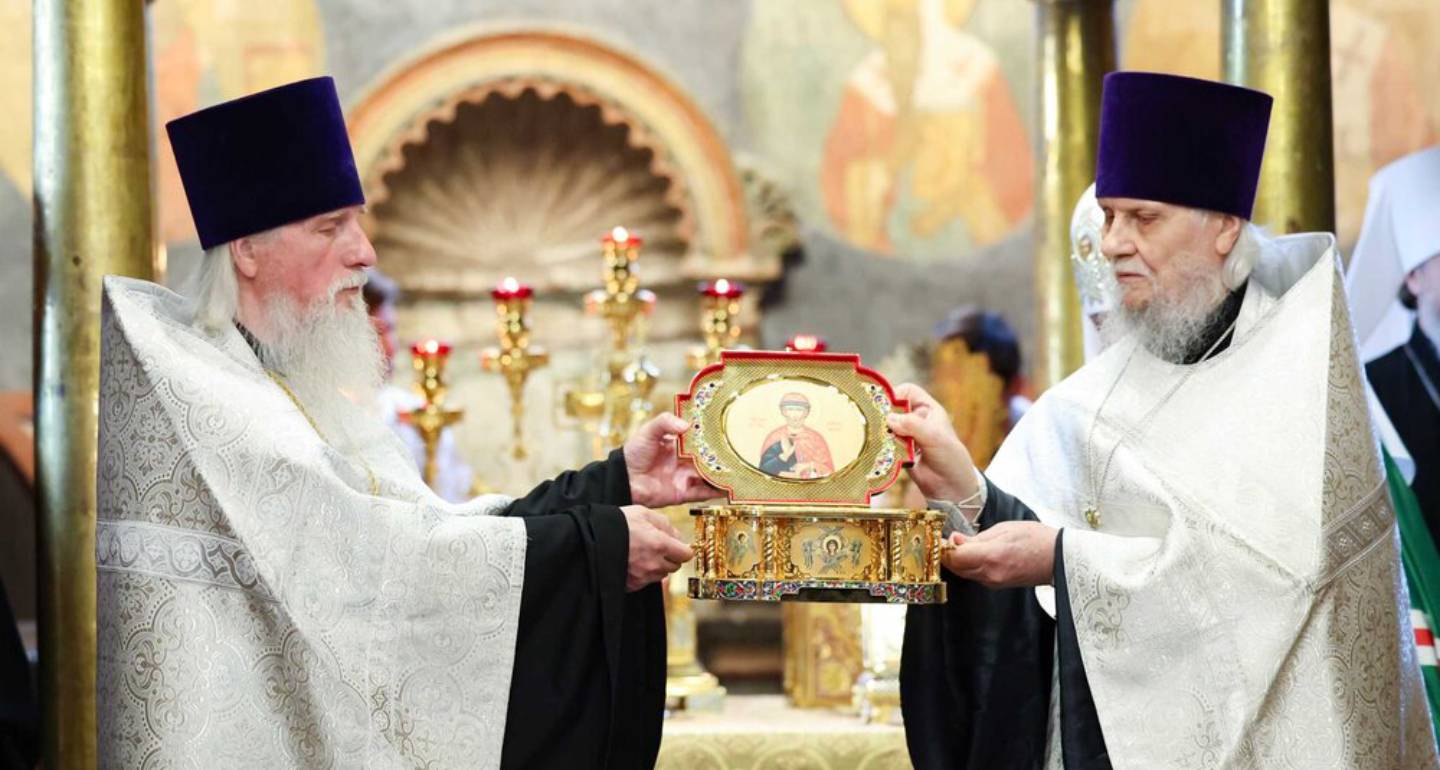
The recent uncovering of Dmitry Donskoy’s relics in the Cathedral of the Archangel is yet another attempt by the Russian Orthodox Church to help the state solve its problems. However, parroting the state’s version of Russian history leaves the Church with no message except “patriotism.”
Alexander Zanemonets
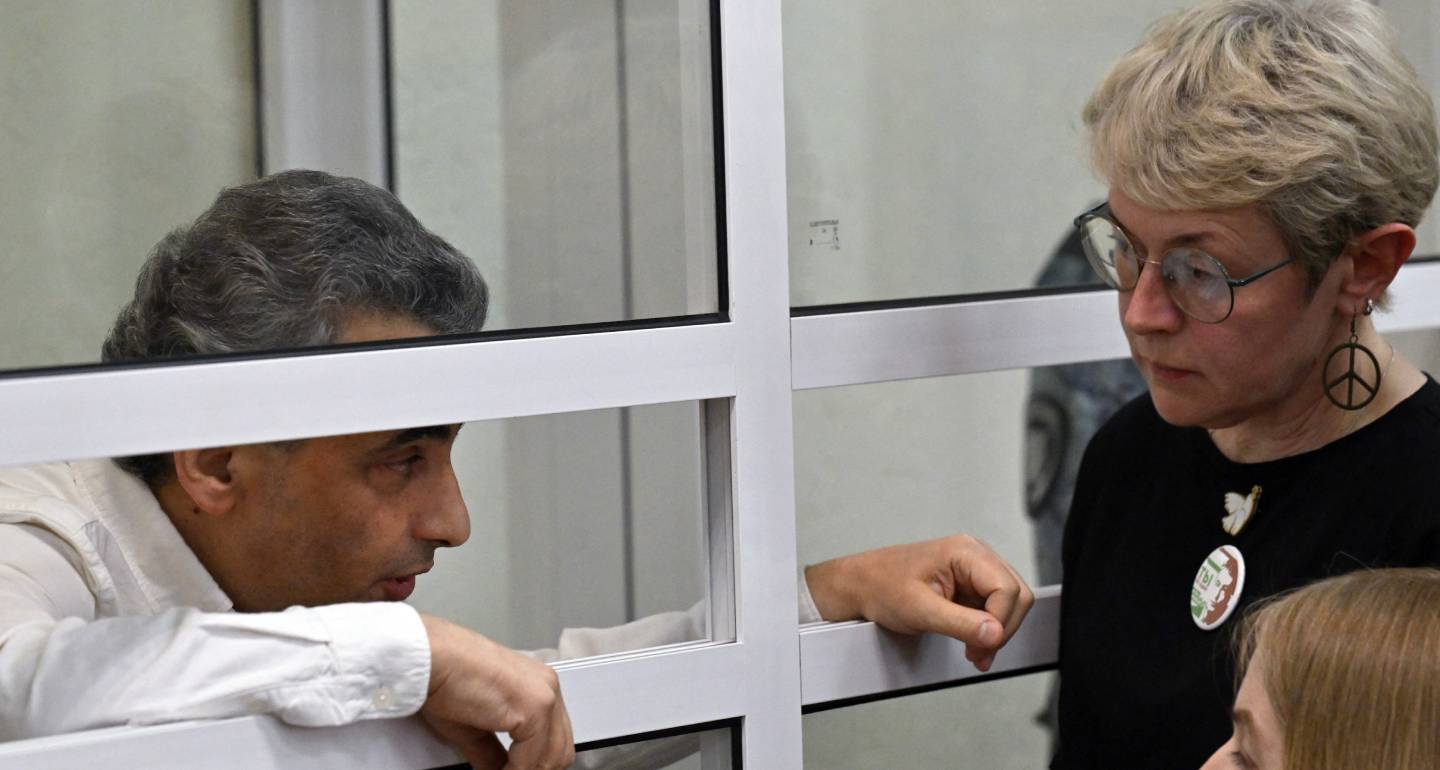
A regime founded on force, coercion, and repression does not want its propaganda, with all its flaws of logic, omissions, and outright lies, to be competing with the most simple of all messages: Thou shalt not kill.

Leonid Bershidsky
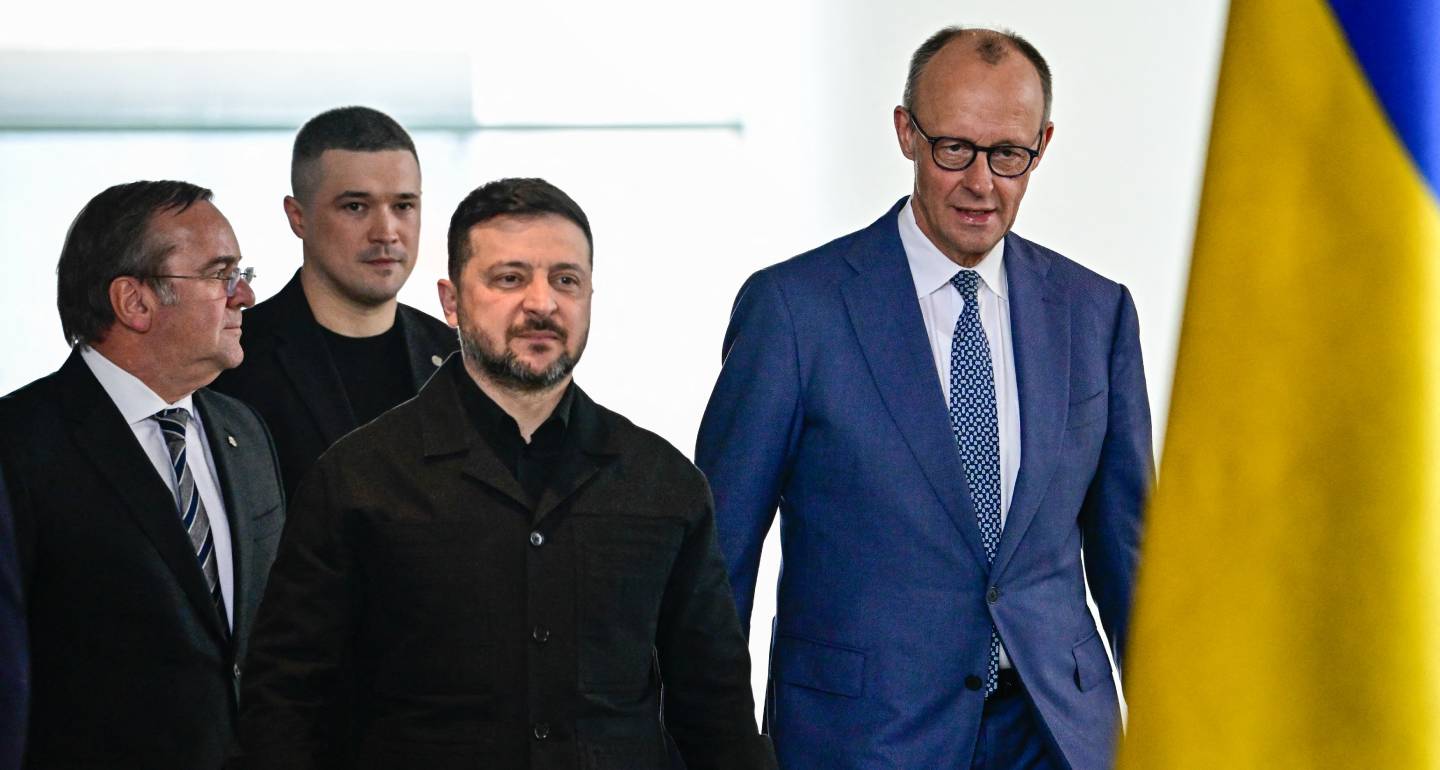
The greater threat to Zelensky comes not from Fedorov alone, but from the convergence between the former defense minister’s political campaign and the anti-corruption investigations moving ever closer to the presidential administration.

Balázs Jarábik
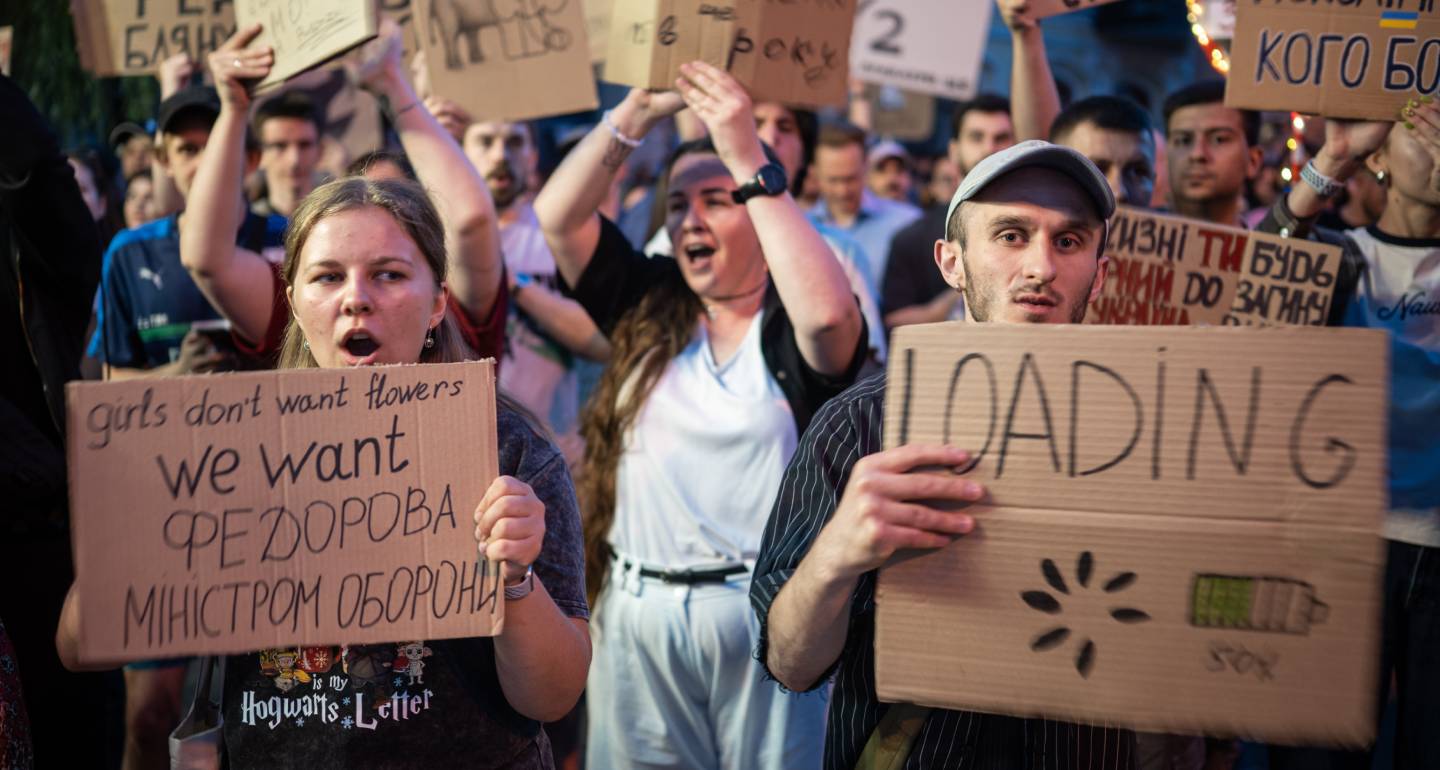
With his public call for new elections in Ukraine, ex-defense minister Mykhailo Fedorov has opened Pandora’s box.

Konstantin Skorkin