

Article
Wang Tao
{
  "authors": [
    "Wang Tao"
  ],
  "type": "legacyinthemedia",
  "centerAffiliationAll": "",
  "centers": [
    "Carnegie Endowment for International Peace",
    "Carnegie China"
  ],
  "collections": [],
  "englishNewsletterAll": "",
  "nonEnglishNewsletterAll": "",
  "primaryCenter": "Carnegie China",
  "programAffiliation": "",
  "programs": [],
  "projects": [],
  "regions": [
    "East Asia",
    "China"
  ],
  "topics": [
    "Climate Change"
  ]
}
Source: Getty
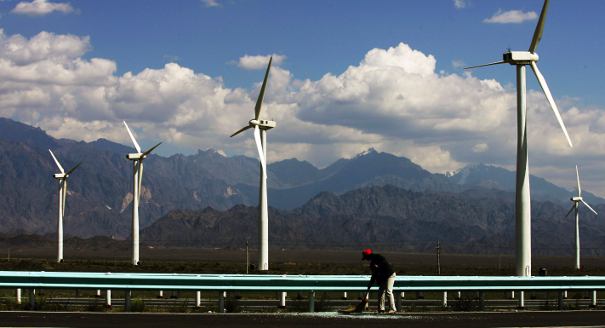
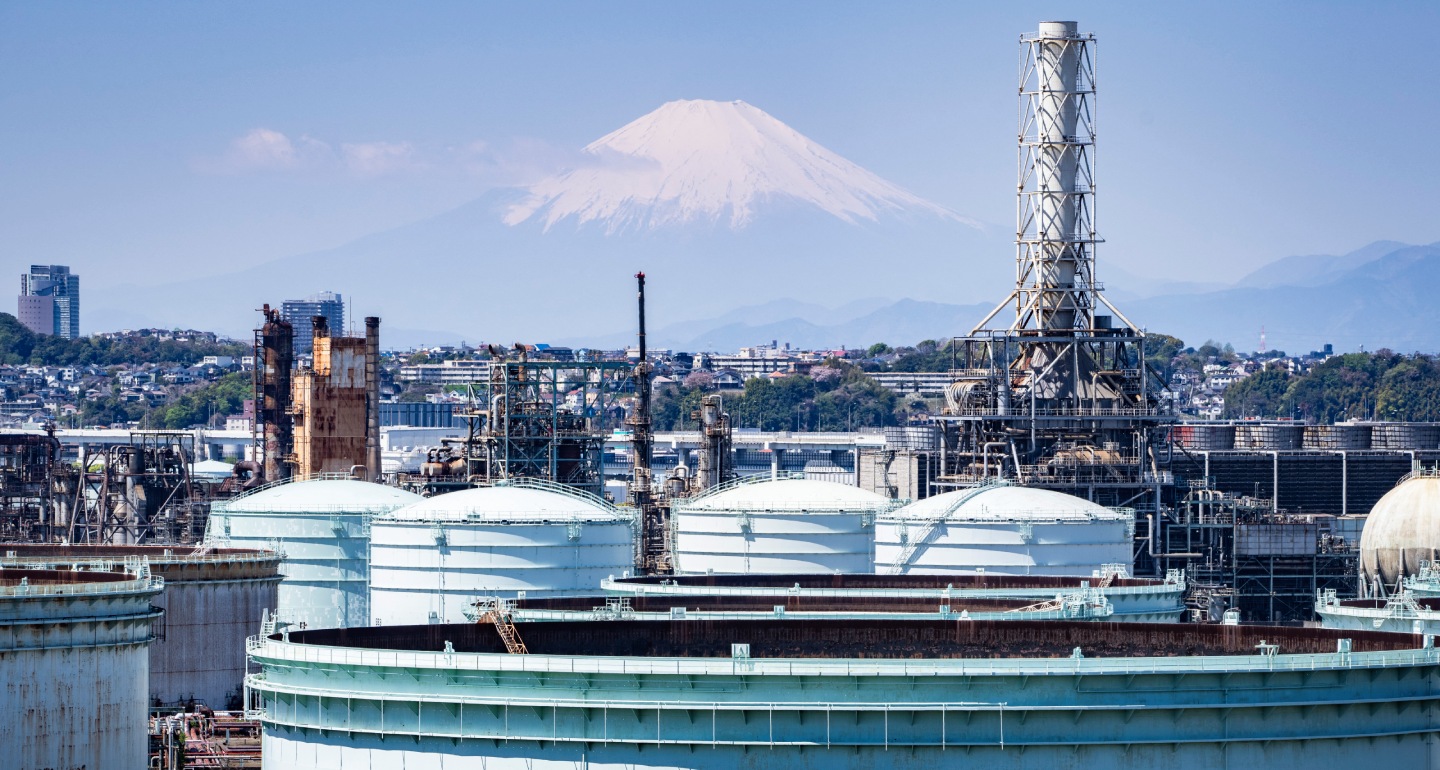
Dependence on cheap coal has resulted in high social and environmental costs for China which are only going to increase without the creation of policy framework for integrating less polluting technologies.
Source: CCTV
Carnegie–Tsinghua’s Wang Tao appeared on CCTV English’s Asia Biz to share his insights on the probability of a substantial Chinese shift to green energy. He argued that dependence on cheap coal has resulted in high social and environmental costs for China which are likely to increase without the creation of policy framework for integrating less polluting technologies. The energy structure in China is already changing as the nation moves toward an economy based more on service than on heavy industry.
China’s major cities are at the forefront of efforts to tackle pollution, explained Wang, with some beginning to experiment with carbon trading incentives in order to reduce pollution. Wang also explained how the current pollution problem has made cities like Beijing less attractive places to live. Highly skilled workers, with options to work in less polluted areas, could leave if conditions worsen, he concluded.
This video interview was originally published on CCTV English’s Asia Biz.
Former Nonresident Scholar, Carnegie-Tsinghua Center for Global Policy
Wang Tao was a nonresident scholar in the Energy and Climate Program based at the Carnegie–Tsinghua Center for Global Policy.
Recent Work
Wang Tao
Wang Tao, Yang Yifang
Carnegie does not take institutional positions on public policy issues; the views represented herein are those of the author(s) and do not necessarily reflect the views of Carnegie, its staff, or its trustees.

With the growth in points of friction between the great powers, organizations like the SCO will continue to play a role in the strategic adaptation of the smaller powers caught between them.

Temur Umarov

When faced with fuel shortages in the past, Central Asian governments could always count on additional supplies from Moscow. That safety net no longer exists.

Galiya Ibragimova
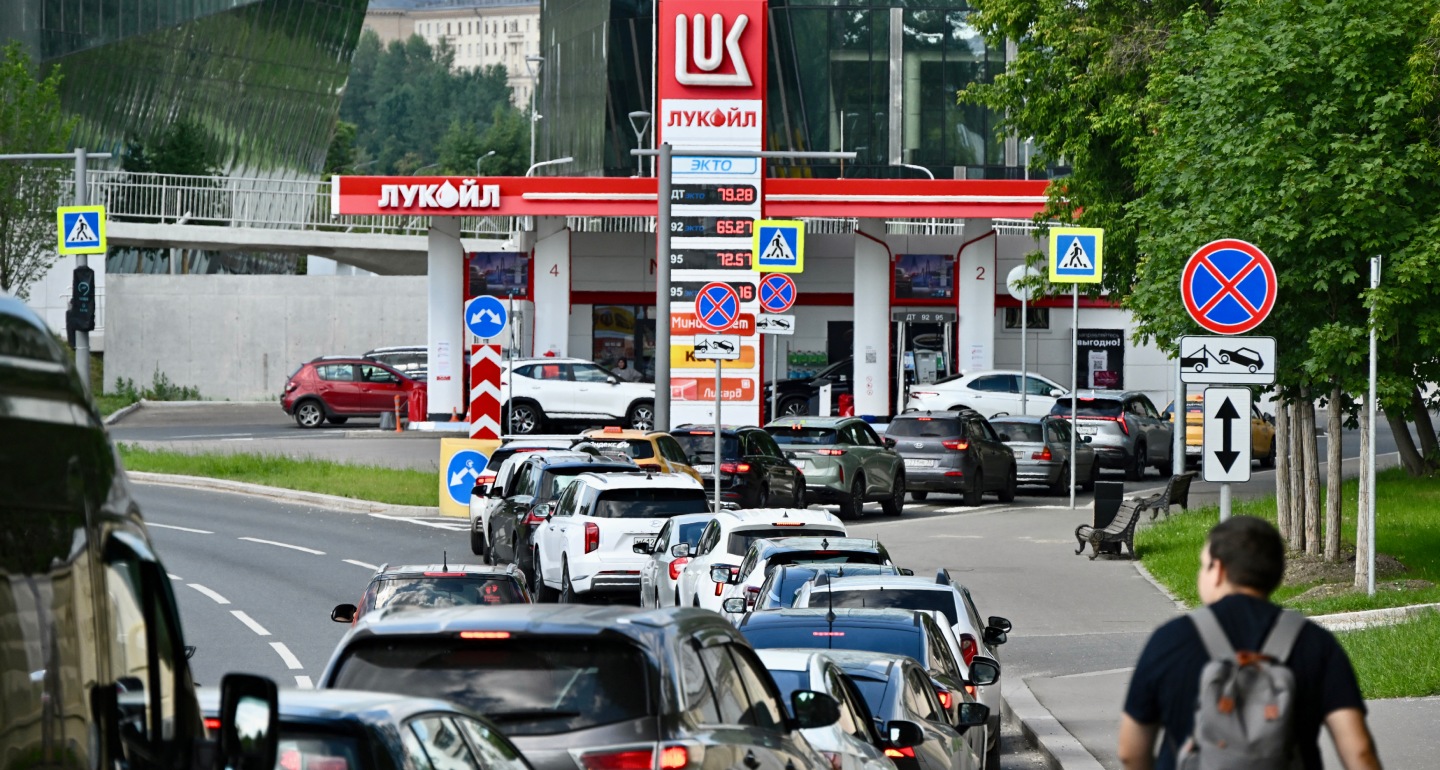
Official discussions about mini oil refineries are unlikely to come to anything—but the mere fact they’re happening reveals the regime is failing to deliver a functioning economy.

Sergey Vakulenko
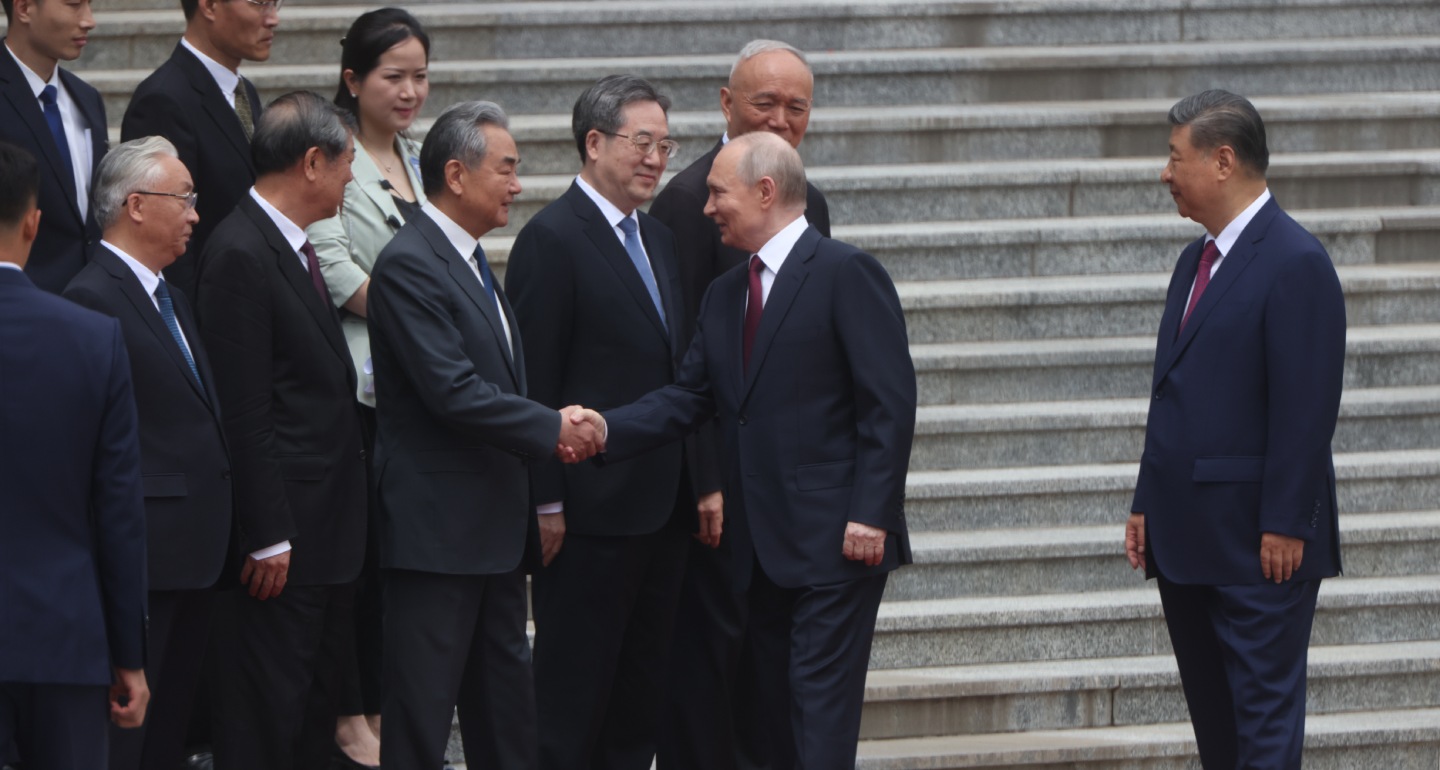
With no key agreement signed on the Power of Siberia 2 gas pipeline, there is a risk that the window of opportunity for Russia will close if Chinese power generation becomes so green that new gas sources are no longer of any interest to Beijing.

Alexander Gabuev
Tokyo would have to surmount a lot of obstacles—not least Western sanctions—if it wanted to return Russian oil imports to even modest pre-2022 volumes.

Vladislav Pashchenko