

Commentary
Dmitri Trenin
{
  "authors": [
    "Dmitri Trenin"
  ],
  "type": "commentary",
  "centerAffiliationAll": "",
  "centers": [
    "Carnegie Endowment for International Peace",
    "Carnegie Russia Eurasia Center"
  ],
  "collections": [],
  "englishNewsletterAll": "",
  "nonEnglishNewsletterAll": "",
  "primaryCenter": "Carnegie Russia Eurasia Center",
  "programAffiliation": "",
  "programs": [],
  "projects": [],
  "regions": [
    "North America",
    "United States",
    "Russia",
    "Eastern Europe",
    "Ukraine",
    "Western Europe",
    "France",
    "Germany"
  ],
  "topics": [
    "Political Reform",
    "Foreign Policy"
  ]
}
Source: Getty
The May 25 presidential vote has marked the end of the first phase of the Ukraine crisis, which will continue to reshape the global strategic landscape. For Russia important result of the crisis is pivot to Asia.
The May 25 presidential vote and the election of Petro Poroshenko have marked the end of the first phase of the Ukraine crisis. The time is right for making initial and tentative conclusions.
The situation in Ukraine is far from stable, but the country gets a legitimate head of state, to be followed by fresh parliamentary elections and a new constitution. A full-scale civil war has not broken out, and Ukraine has not unraveled—although both dangers remain. There is still a chance to reconstitute Ukraine on a sustainable basis, taking full account of the country's regional, ethnic, and cultural diversity. The immediate and even medium-term future does not look particularly bright, with economic issues dominating the agenda and giving the politicians who lost in the election, such as Yulia Tymoshenko, a chance to exploit the social discontent.
Europe has so far been spared a Balkans-style conflict on its eastern border, and eventually has re-engaged diplomatically in Ukraine, acting through the Organization for Security and Cooperation in Europe (OSCE) and its Swiss presidency. The German chancellor, despite all the differences with the Russian president, is keeping the channel to Moscow open, and the German foreign minister busy. The French president has found a way to arrange a face-to-face encounter between the United States and European leaders and President Vladimir Putin in Normandy, which will be taking place exactly at the time when the now canceled Sochi G8 summit was supposed to be held.
Even as EU governments uniformly condemned Russia's policies toward Crimea and Ukraine, the European publics, particularly in the key country, Germany, expressed more understanding of Moscow's motives. Moreover, several among the right-wing and left-wing Euroskeptic parties in various EU countries, such as France and Britain, which have done very well in the European parliamentary elections also held on May 25, are sympathetic to Putin's arguments with regard to Ukraine. If Jean-Claude Juncker, Luxembourg's long-time prime minister and a trusted partner of the Kremlin, becomes the next president of the European Commission, this may also be good news for Moscow.
The very fact of the Ukrainian elections, whose outcome President Putin had vowed to respect, and the West's grudging acknowledgment of the distance between eastern Ukrainian separatists and the Russian government make the third package of economic sanctions against Russia moot, for the foreseeable future. The Germans, the French, the Italians and even the British were very much against the measures, which would hurt their own economies. This, however, does not suggest a return to "business as usual" between Russia and the West. A line has indeed been crossed, and the 25-year-long era which began with the fall of the Berlin Wall is now history.
The United States has essentially reclassified Russia from partner to adversary, putting it into the same category as Iran, another country under U.S. sanctions, and China, the near-peer competitor. NATO, ahead of its forthcoming summit in Wales, is already adjusting its planning and deployments to address the rekindled fears of Russia. Unlike in the decades of the Cold War, the new confrontation, however, is not the organizing principle of U.S. foreign policy. It is also being waged in a globalized environment, with a degree of cooperation and a wealth of contacts surviving, and with ideology and arms races playing far lesser roles than economic and information warfare.
Yet, the Ukraine conflict has important implications beyond the Euro-Atlantic area. Vladimir Putin demonstrated that by signing a 30-year, 400 billion dollar gas contract with China, which indicates the shift of Russia's foreign policy to Asia. Even as Putin and Chinese President Xi Jinping were expanding their economic cooperation, Russia's and China's navies began exercises in the East China Sea. The two countries have also announced that next year they plan to jointly celebrate the 70th anniversary of victory in World War II. As if to push Beijing and Moscow even closer together, the United States chose the moment of Putin's visit to indict five PLA officers with cyber spying. Putin also used his time in Shanghai to talk with the Iranian president.
Whether in the Euro-Atlantic or the Asia-Pacific, great-power relations are becoming more contentious, with a loose Eurasian coalition emerging to reduce the U.S. domination of global politics. This is nothing like the Sino-Soviet alliance of the 1950s, but the consolidation of Russia's pivot to Asia is an important result of the first phase of the Ukraine crisis, which will continue to reshape the global strategic landscape.
Former Director, Carnegie Moscow Center
Trenin was director of the Carnegie Moscow Center from 2008 to early 2022.
Recent Work
Dmitri Trenin
Dmitri Trenin
Carnegie does not take institutional positions on public policy issues; the views represented herein are those of the author(s) and do not necessarily reflect the views of Carnegie, its staff, or its trustees.
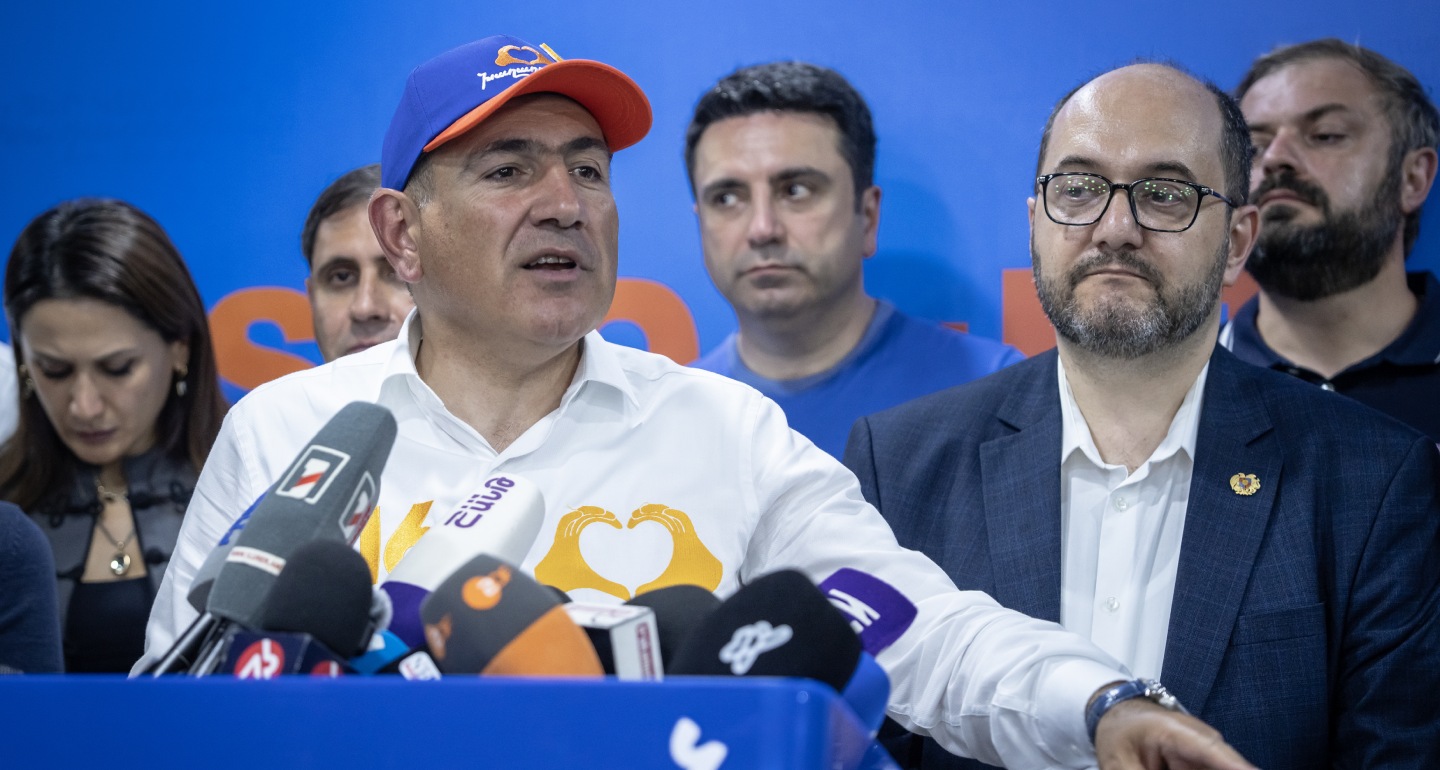
Pashinyan’s pro-European party has been re-elected with a decisive victory. But the pro-Russian opposition could still slow Armenia’s progress toward peace with Azerbaijan and rapprochement with Europe.
Mikayel Zolyan
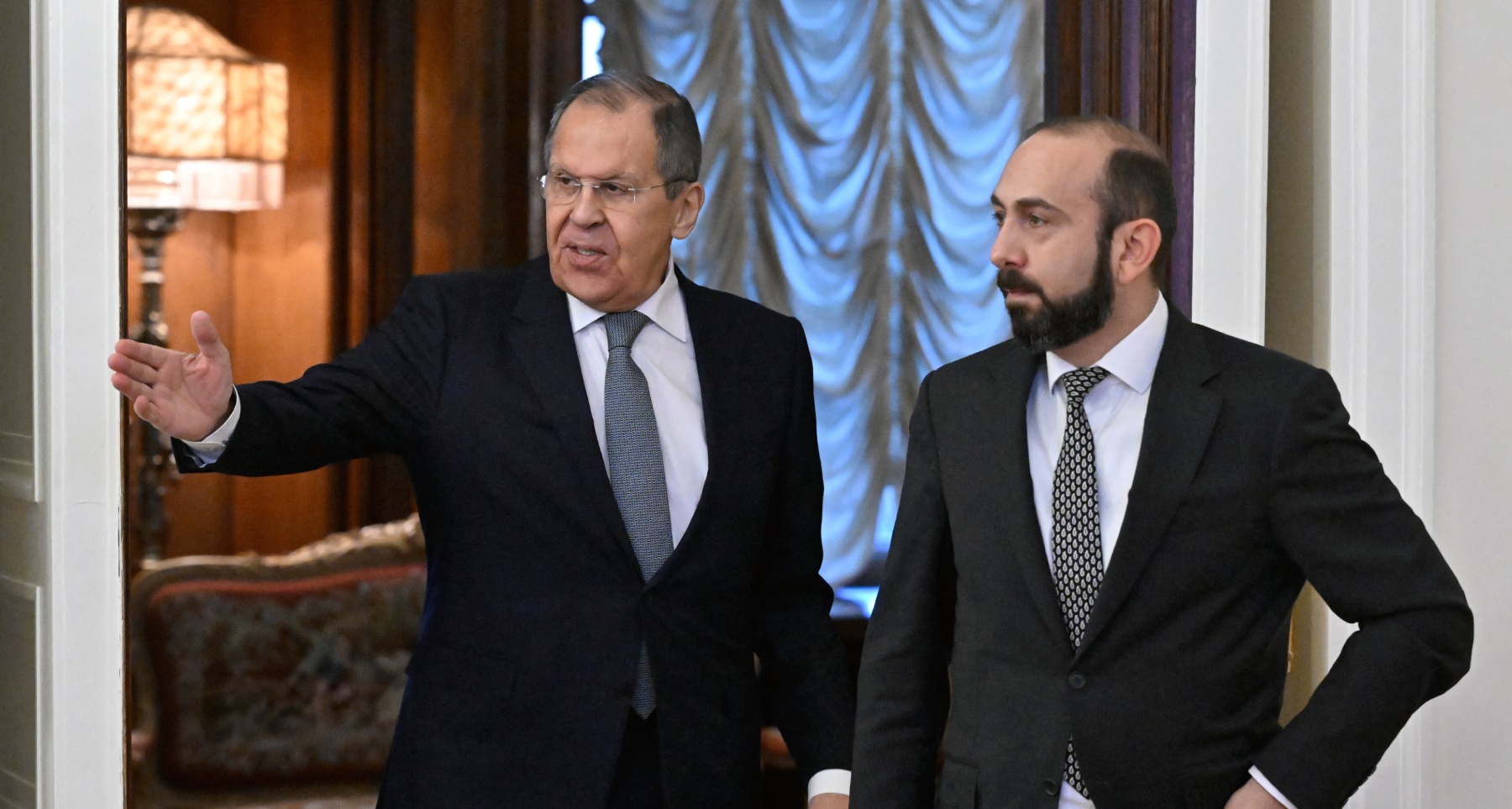
For all the menacing rhetoric, the Armenian prime minister remains a leader with whom Putin is prepared to interact: not as an ally, but as a partner, albeit a problematic one.

Alexander Atasuntsev
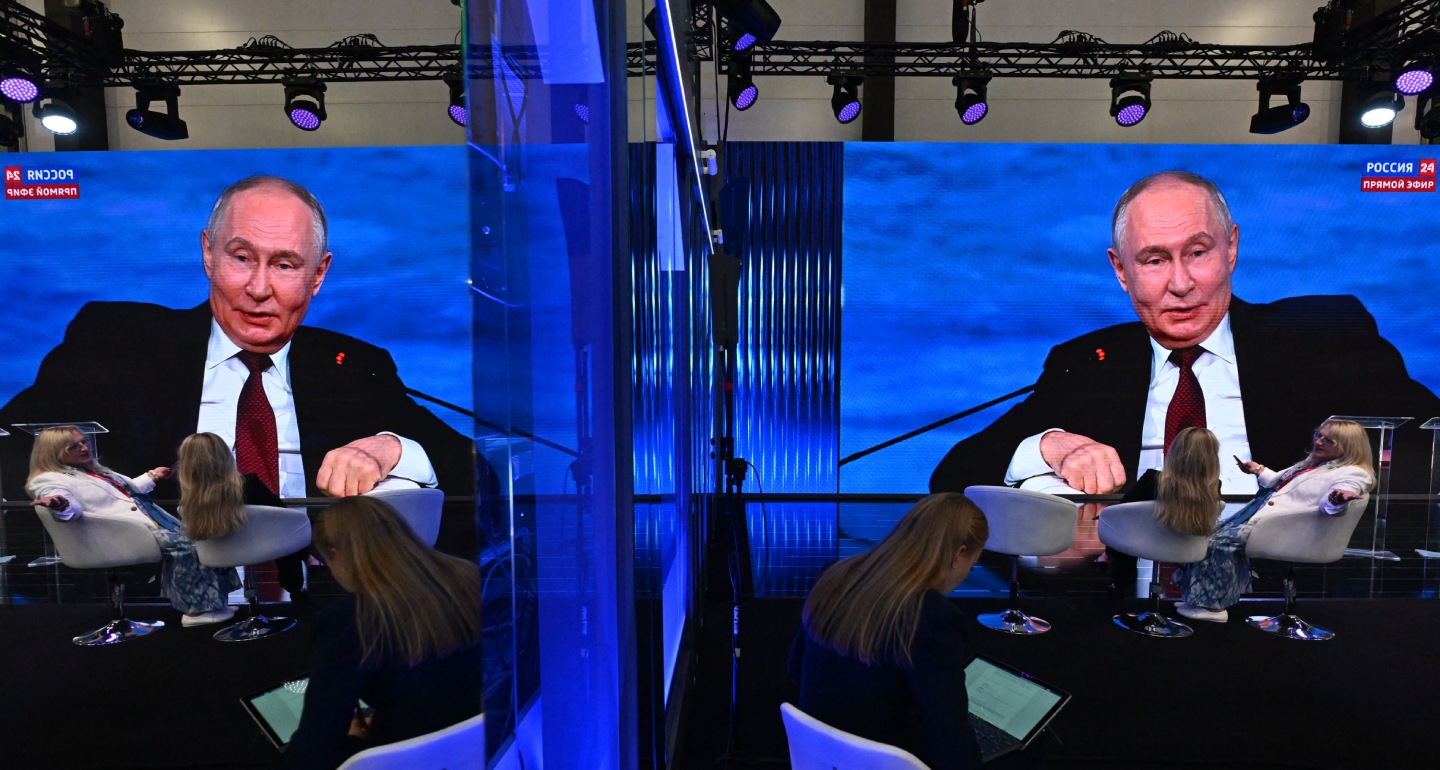
The issue is not that the president only has selective information at his disposal, but that the decision-making process consists of one person with an unshakeable vision of how the world works.

Tatiana Stanovaya
By fueling the arguments of both supporters and opponents of Armenian Prime Minister Nikol Pashinyan, Azerbaijan wants to ensure he is re-elected with a weaker mandate.

Bashir Kitachaev
A much-discussed disagreement over internet restrictions in Russia was never an existential threat for Putin: It was about elite groups protecting their interests.

Alexandra Prokopenko