

Commentary
The European far right might fail to steer EU policy in the direction Russia wants, but they will create enough chaos inside Europe to benefit the Kremlin.
Dimitar Bechev
{
  "authors": [],
  "type": "legacyinthemedia",
  "centerAffiliationAll": "dc",
  "centers": [
    "Carnegie Endowment for International Peace",
    "Carnegie China"
  ],
  "collections": [
    "China’s Foreign Relations"
  ],
  "englishNewsletterAll": "ctw",
  "nonEnglishNewsletterAll": "",
  "primaryCenter": "Carnegie Endowment for International Peace",
  "programAffiliation": "NPP",
  "programs": [
    "Nuclear Policy"
  ],
  "projects": [],
  "regions": [
    "East Asia",
    "China"
  ],
  "topics": [
    "Nuclear Policy",
    "Security",
    "Arms Control"
  ]
}
REQUIRED IMAGE
The Carnegie–Tsinghua Center for Global Policy announced today that Tong Zhao is joining as an associate working with Carnegie’s Nuclear Policy Program.
BEIJING—The Carnegie–Tsinghua Center for Global Policy announced today that Tong Zhao is joining as an associate working with Carnegie’s Nuclear Policy Program.
Zhao’s research will focus on strategic security issues, including nuclear arms control, nonproliferation, missile defense, and strategic stability, as well as China’s security and foreign policy. He joins a global team of Carnegie nuclear policy experts based in Washington, Moscow, Bonn, London, Brussels, Tel Aviv, Istanbul, and Beijing.
“I am looking forward to working with Carnegie’s distinguished experts across the world,” Zhao said. “It is my honor and pleasure to be part of this great community that strives to promote cooperation, peace, and stability around the globe.”
Zhao was previously a Stanton Nuclear Security Fellow with the Project on Managing the Atom and the International Security Program at the Belfer Center for Science and International Affairs at Harvard University. Zhao has also served as a nonresident WSD-Handa Fellow at Pacific Forum CSIS and worked for the Office of Foreign Affairs of the People’s Government of Beijing Municipality. Zhao holds a doctorate in science, technology, and international affairs from the Georgia Institute of Technology.
“I’m thrilled to welcome Tong Zhao, a rising expert in the fields of nuclear security, arms control, and China’s security policy, to the Carnegie-Tsinghua team,” said Paul Haenle, director of the Carnegie-Tsinghua Center. “Zhao’s expertise in arms control and international security are important additions to both Carnegie’s Nuclear Policy Program and Asia Program.”
Press Contact: Yuxi Han | +86 10 82150178 | yhan@ceip.org
The Carnegie–Tsinghua Center for Global Policy brings together leading policy experts and practitioners from China and around the world to engage in collaborative dialogue and research. From its platform at Tsinghua University, the center works to identify constructive solutions to common global challenges.
Carnegie does not take institutional positions on public policy issues; the views represented herein are those of the author(s) and do not necessarily reflect the views of Carnegie, its staff, or its trustees.

The European far right might fail to steer EU policy in the direction Russia wants, but they will create enough chaos inside Europe to benefit the Kremlin.

Dimitar Bechev

With the growth in points of friction between the great powers, organizations like the SCO will continue to play a role in the strategic adaptation of the smaller powers caught between them.

Temur Umarov
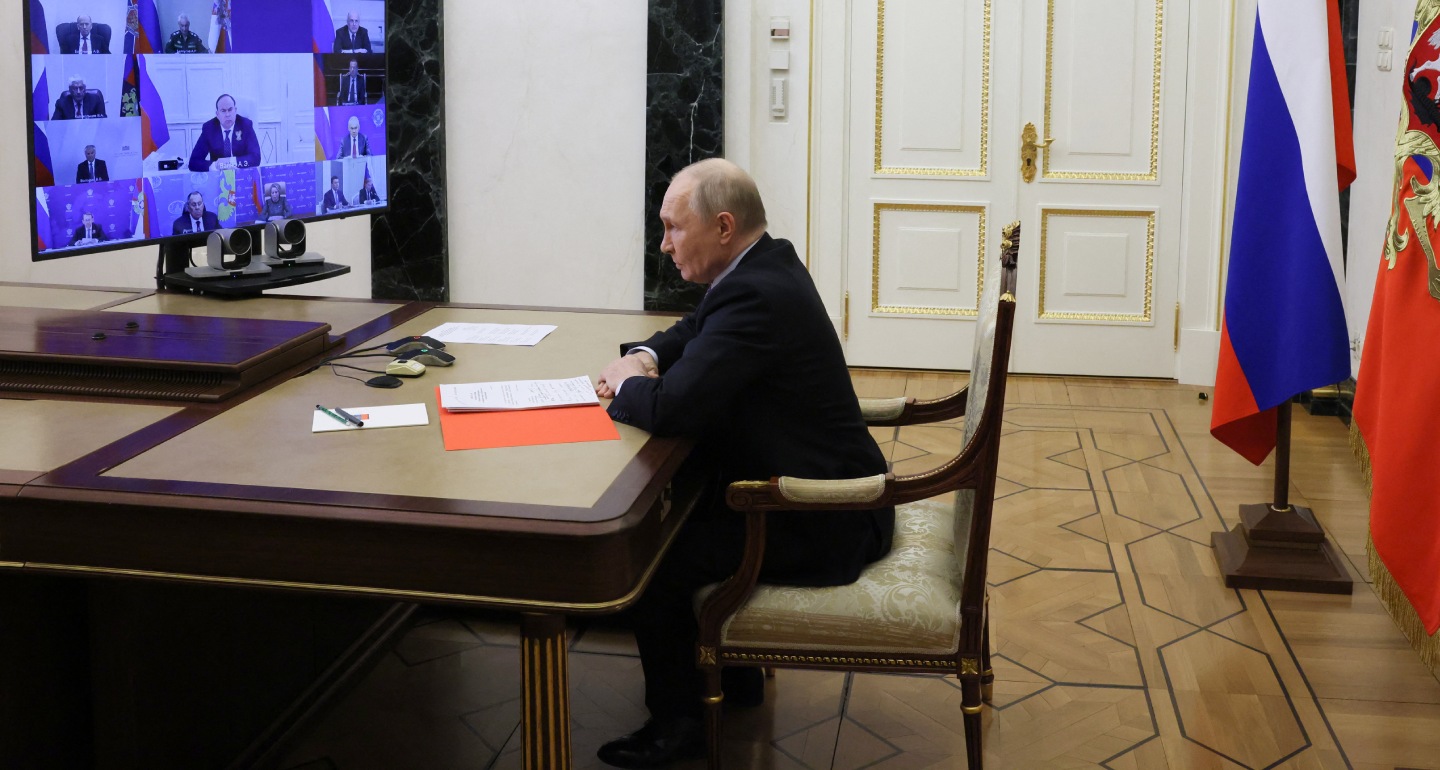
Two divergent trends—Putin’s hardline vision of how to prosecute the war in Ukraine, and a growing desire for change in Russia—could tear the regime apart.

Tatiana Stanovaya
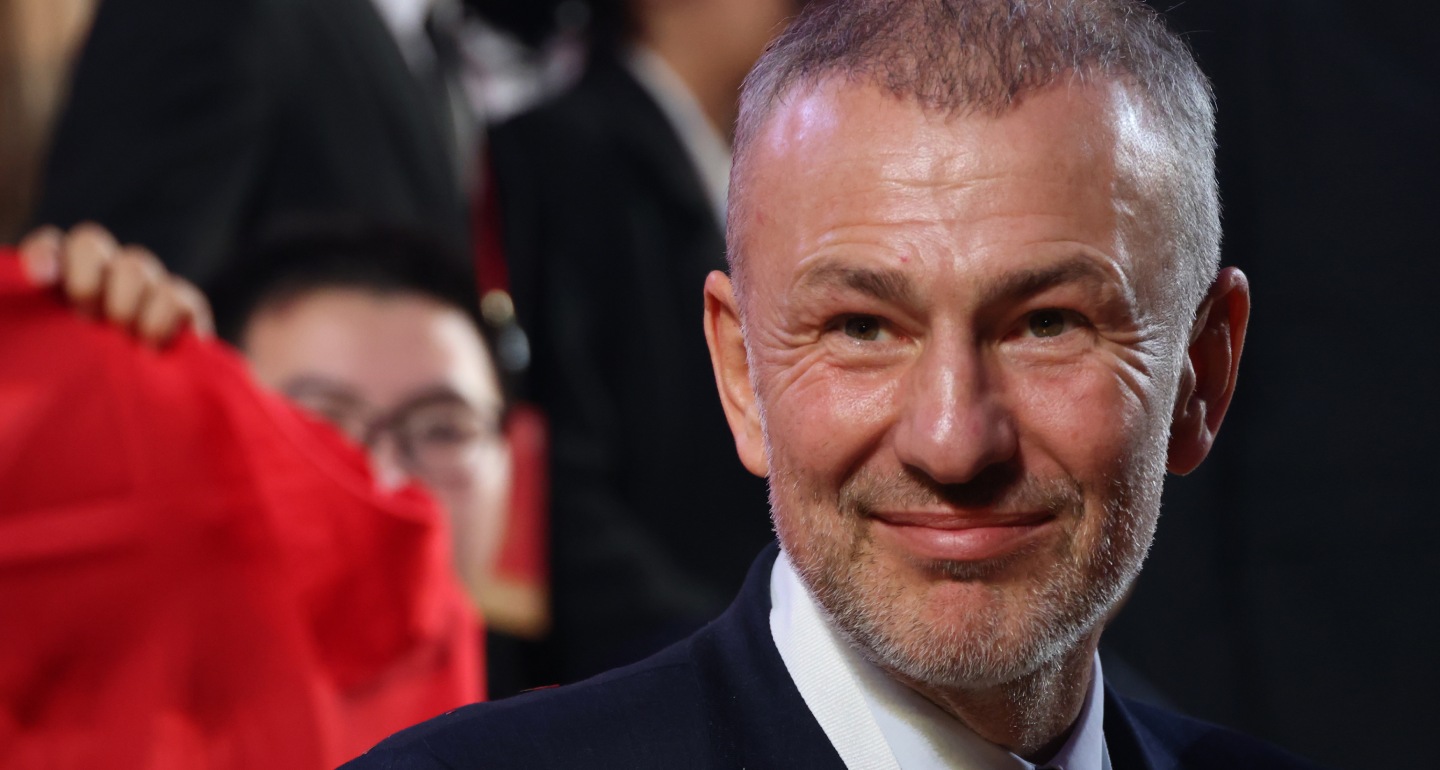
Andrey Melnichenko’s essay offers no answer to the fundamental question of how, under any kind of negotiated settlement, Europe can protect itself from the Russian ressentiment that is inevitable in all scenarios except for an outright victory for Putin.

Leonid Bershidsky
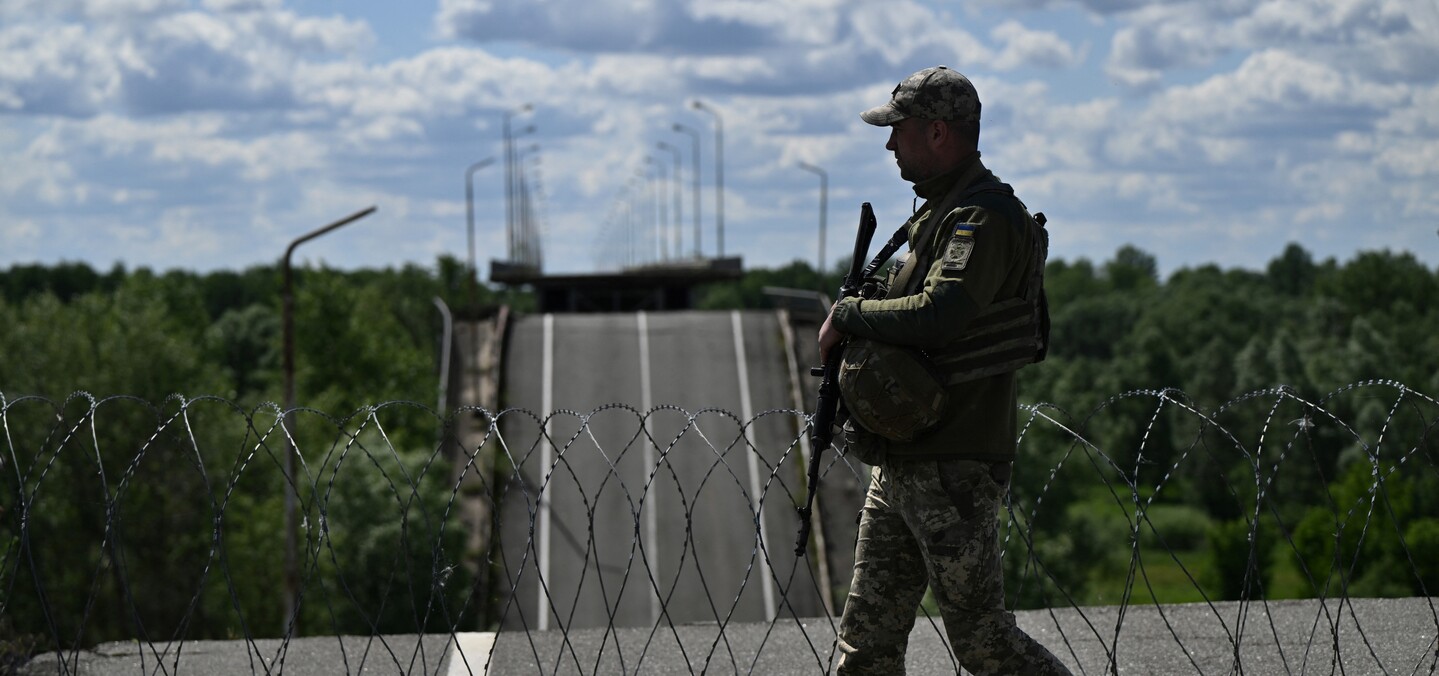
The recent damage inflicted by Ukrainian drones and missiles on Russia has made Belarus aware of its own vulnerabilities—and surprisingly amenable to Kyiv’s demands.

Artyom Shraibman