

Commentary
In the tenth year of his presidency, President Mirziyoyev’s system is becoming even more personalized than that of his predecessor Karimov.
Galiya Ibragimova
{
  "authors": [
    "Lina Khatib",
    "Aymenn Jawad Al-Tamimi",
    "Lawrence Korb"
  ],
  "type": "legacyinthemedia",
  "centerAffiliationAll": "dc",
  "centers": [
    "Carnegie Endowment for International Peace",
    "Malcolm H. Kerr Carnegie Middle East Center"
  ],
  "collections": [],
  "englishNewsletterAll": "menaTransitions",
  "nonEnglishNewsletterAll": "",
  "primaryCenter": "Malcolm H. Kerr Carnegie Middle East Center",
  "programAffiliation": "MEP",
  "programs": [
    "Middle East"
  ],
  "projects": [],
  "regions": [
    "Gulf",
    "Levant",
    "Syria",
    "Middle East"
  ],
  "topics": [
    "Political Reform",
    "Security",
    "Foreign Policy"
  ]
}
Source: Getty
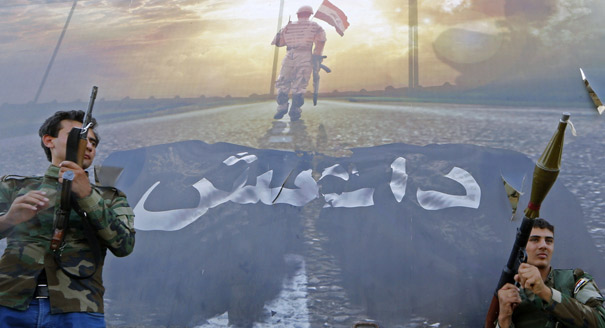
The U.S.-led air strikes threaten to alienate more moderate groups in Syria.
Source: Al Jazeera Inside Story
In the early days of Syria’s civil war, opposition activists and fighters pleaded with the United States to strike the Syrian government. It has now been a week since a U.S..-led coalition began bombing Syria. But they are targeting the Islamic State, not Bashar al-Assad’s forces.
Many opposition groups now fear U.S. President Barack Obama is no longer committed to seeing President Bashar al-Assad leave power. And increasingly, armed groups in Syria view the air strikes as against their interests, with some Syrian rebels even vowing to fight Western nations. Will the continuing campaign against ISIL alienate fighters who were previously seeking U.S. backing?
This interview was originally broadcasted on Al Jazeera Inside Story.
Former Director, Middle East Center
Khatib was director of the Carnegie Middle East Center in Beirut. Previously, she was the co-founding head of the Program on Arab Reform and Democracy at Stanford University’s Center on Democracy, Development, and the Rule of Law.
Aymenn Jawad Al-Tamimi
Lawrence Korb
Carnegie does not take institutional positions on public policy issues; the views represented herein are those of the author(s) and do not necessarily reflect the views of Carnegie, its staff, or its trustees.

In the tenth year of his presidency, President Mirziyoyev’s system is becoming even more personalized than that of his predecessor Karimov.

Galiya Ibragimova

With the growth in points of friction between the great powers, organizations like the SCO will continue to play a role in the strategic adaptation of the smaller powers caught between them.

Temur Umarov
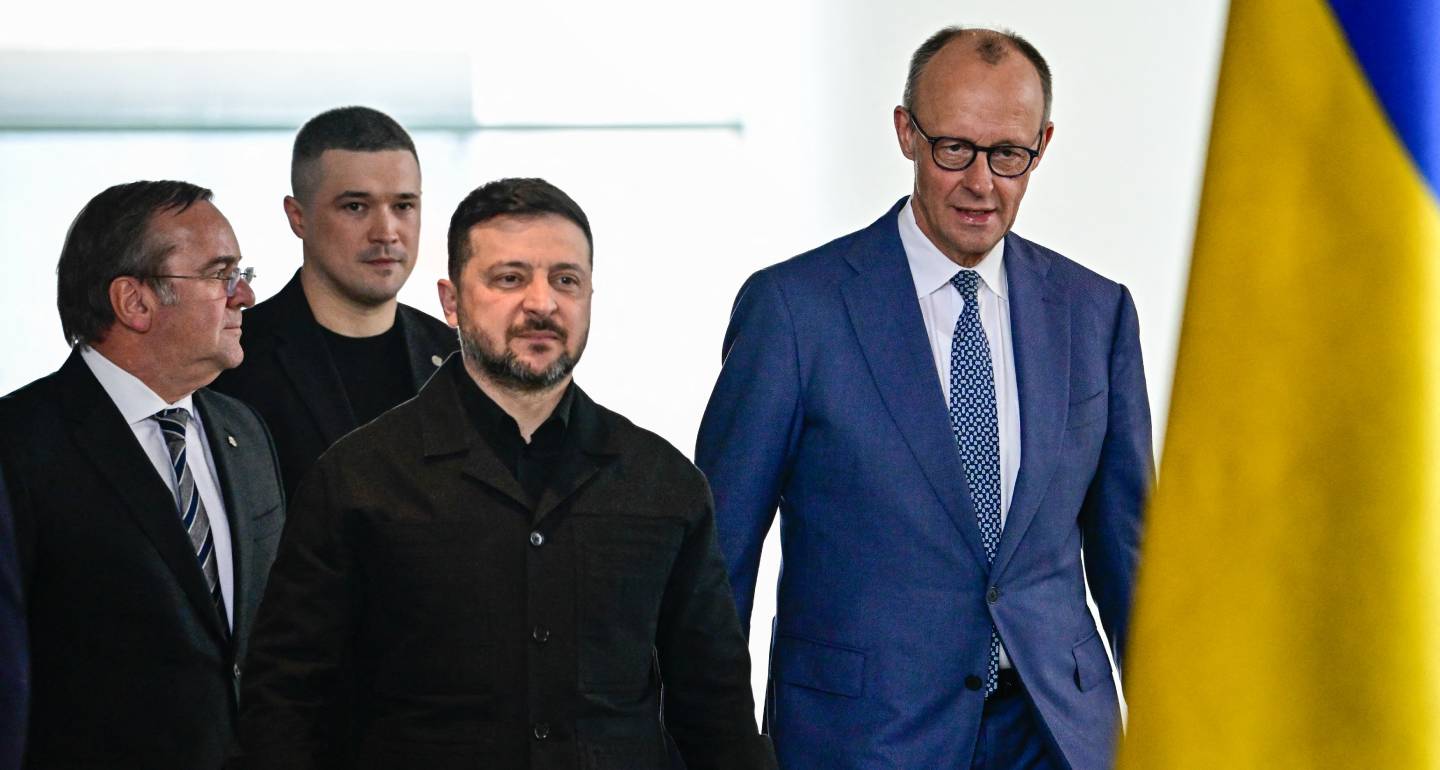
The greater threat to Zelensky comes not from Fedorov alone, but from the convergence between the former defense minister’s political campaign and the anti-corruption investigations moving ever closer to the presidential administration.

Balázs Jarábik
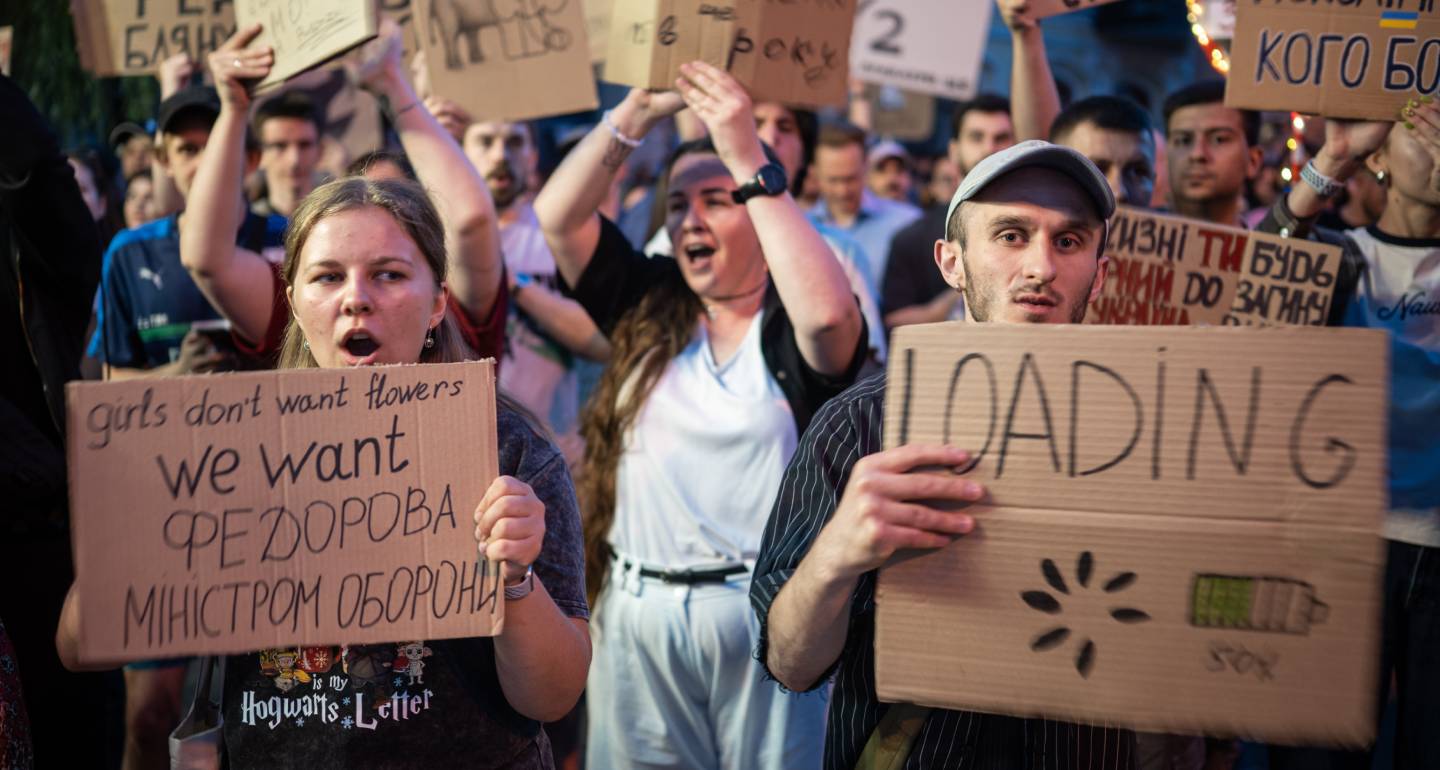
With his public call for new elections in Ukraine, ex-defense minister Mykhailo Fedorov has opened Pandora’s box.

Konstantin Skorkin
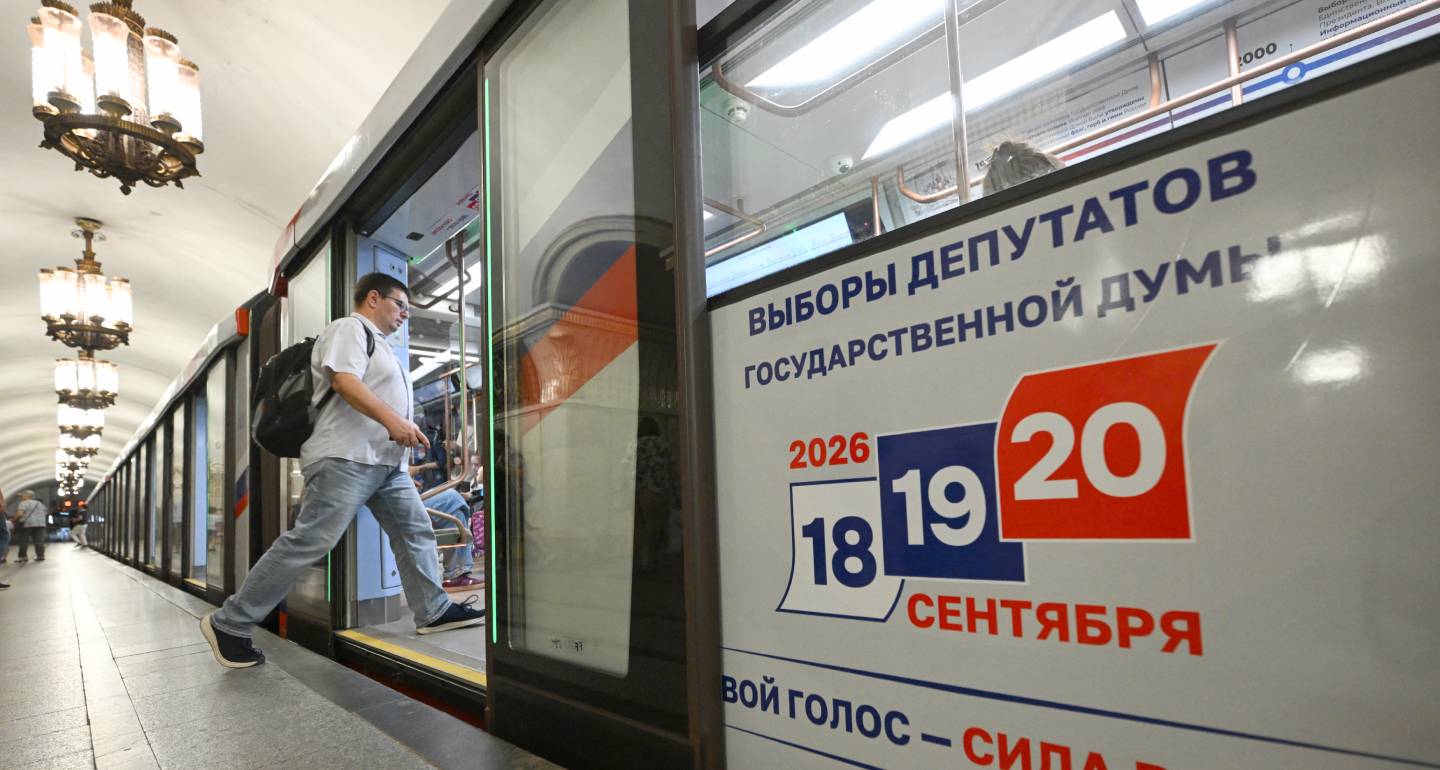
In the discussions made possible by the State Duma election campaign, one question is being asked more and more loudly. “What next?”

Andrey Pertsev