

In The Media
Lina Khatib
{
  "authors": [
    "Lina Khatib"
  ],
  "type": "legacyinthemedia",
  "centerAffiliationAll": "dc",
  "centers": [
    "Carnegie Endowment for International Peace",
    "Malcolm H. Kerr Carnegie Middle East Center"
  ],
  "collections": [],
  "englishNewsletterAll": "menaTransitions",
  "nonEnglishNewsletterAll": "",
  "primaryCenter": "Malcolm H. Kerr Carnegie Middle East Center",
  "programAffiliation": "MEP",
  "programs": [
    "Middle East"
  ],
  "projects": [],
  "regions": [
    "Gulf",
    "Levant",
    "Syria",
    "Iraq",
    "Middle East"
  ],
  "topics": [
    "Political Reform",
    "Security",
    "Foreign Policy"
  ]
}
Source: Getty
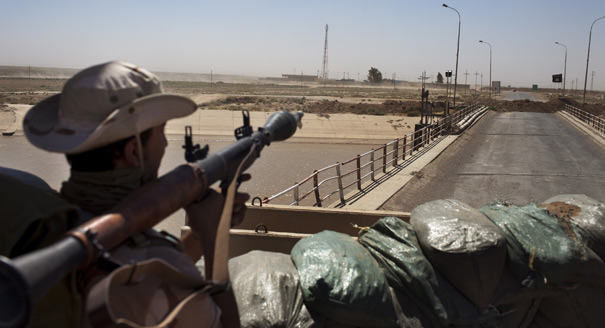
If Obama’s strategy to defeat the Islamic State is to work, the Saudis and Iranians must cooperate.
Source: ABC Radio National’s Late Night Live
Speaking on ABC Radio National’s Late Night Live, Carnegie’s Lina Khatib discussed U.S. President Obama’s strategy speech to defeat the Islamic State. Khatib said that “the speech marked a significant turn in U.S. foreign policy towards the Syrian conflict, because this is the first time that we’ve seen declaration of intention on part of the United States to engage in this conflict militarily.” Khatib added that the speech was also very positive, because Obama stated that Arab countries “are also responsible for taking part in securing the region against Islamism with international cooperation.”
Khatib pointed out that Obama spoke about a broad coalition, leaving the door open for Iranian involvement further down the line. She clarified that back channel talks had been already taking place between Saudi Arabia and Iran, which are driven by the shared concern over the Islamic State—an enemy to both countries. However, Khatib continued, “we don’t know what the nature of compromise or cooperation between Saudi Arabia and Iran might be. However...I think we can expect to see Iranian involvement—whether direct or indirect—sometime in the future.”
Khatib concluded that Obama’s campaign against the Islamic State would be a long-term campaign. “Had the United States intervened diplomatically very early on in the Syrian uprising ,” said Khatib, “we would not be where we are right now. However, speaking pragmatically, the speech and strategy that’s presented is certainly better than the alternative, which is doing nothing and allowing Syria to fall back into the hands of the Islamic State and the Assad regime and expand further in Iraq.”
This interview was originally broadcasted on ABC Radio National’s Late Night Live.
Former Director, Middle East Center
Khatib was director of the Carnegie Middle East Center in Beirut. Previously, she was the co-founding head of the Program on Arab Reform and Democracy at Stanford University’s Center on Democracy, Development, and the Rule of Law.
Recent Work
Lina Khatib
Lina Khatib
Carnegie does not take institutional positions on public policy issues; the views represented herein are those of the author(s) and do not necessarily reflect the views of Carnegie, its staff, or its trustees.

In the tenth year of his presidency, President Mirziyoyev’s system is becoming even more personalized than that of his predecessor Karimov.

Galiya Ibragimova

With the growth in points of friction between the great powers, organizations like the SCO will continue to play a role in the strategic adaptation of the smaller powers caught between them.

Temur Umarov

The greater threat to Zelensky comes not from Fedorov alone, but from the convergence between the former defense minister’s political campaign and the anti-corruption investigations moving ever closer to the presidential administration.

Balázs Jarábik
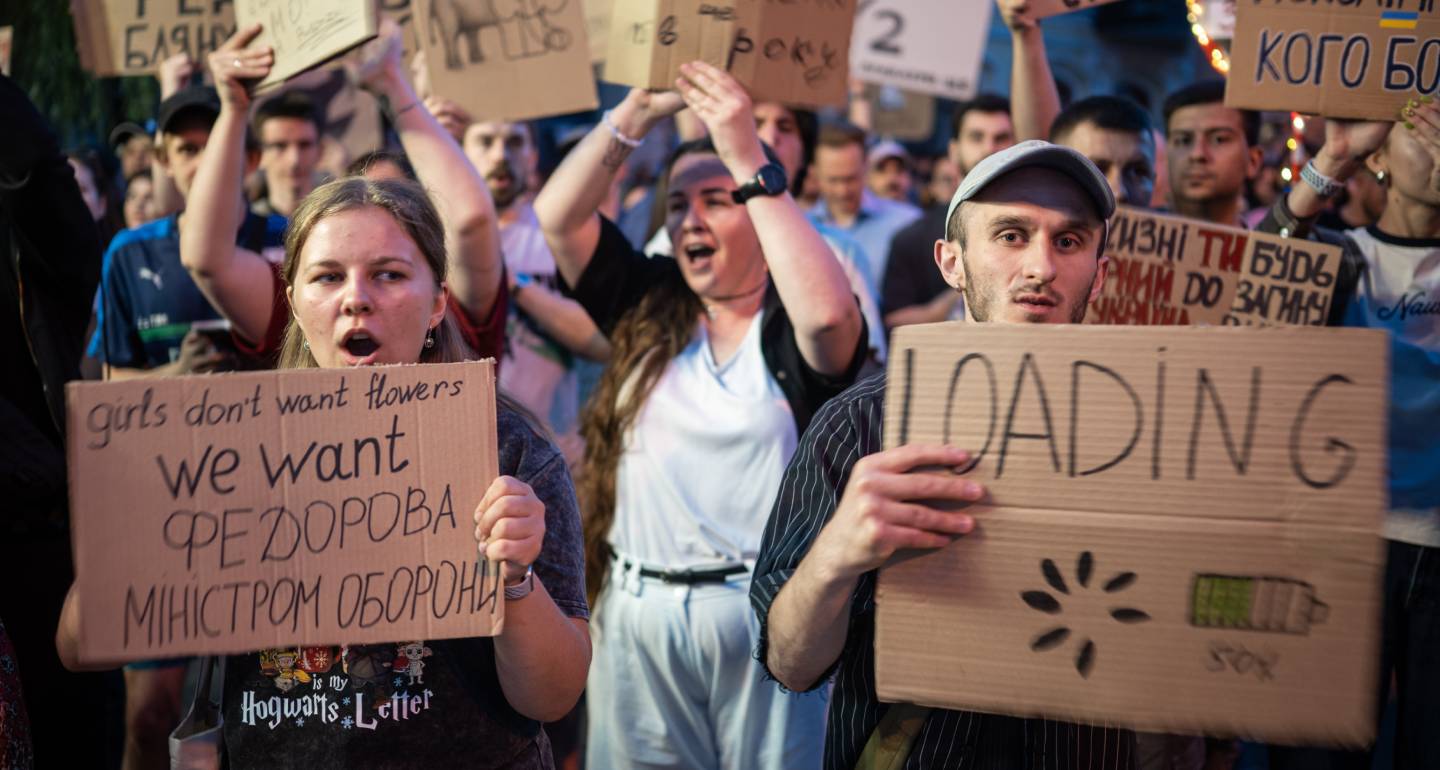
With his public call for new elections in Ukraine, ex-defense minister Mykhailo Fedorov has opened Pandora’s box.

Konstantin Skorkin

In the discussions made possible by the State Duma election campaign, one question is being asked more and more loudly. “What next?”

Andrey Pertsev