

Commentary
For Lukashenko, abandoning Western internet services and embracing Russian equivalents would mean tying himself even closer to Moscow.
Artyom Shraibman
{
  "authors": [
    "Yuliya Bila",
    "Isaac Webb"
  ],
  "type": "commentary",
  "centerAffiliationAll": "",
  "centers": [
    "Carnegie Endowment for International Peace",
    "Carnegie Russia Eurasia Center"
  ],
  "collections": [],
  "englishNewsletterAll": "",
  "nonEnglishNewsletterAll": "",
  "primaryCenter": "Carnegie Endowment for International Peace",
  "programAffiliation": "",
  "programs": [],
  "projects": [],
  "regions": [
    "Eastern Europe",
    "Ukraine"
  ],
  "topics": [
    "Political Reform",
    "Civil Society"
  ]
}
Source: Getty
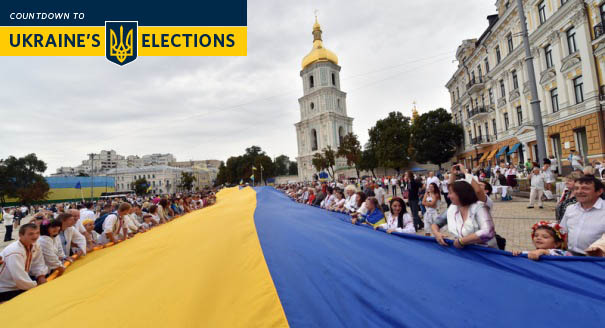
In August, Ukrainian President Petro Poroshenko called for early parliamentary elections to kick-start his reform agenda and to cleanse Ukraine of lawmakers who owed their loyalty to the ways and personalities of the pre-Maidan era.
In August, Ukrainian President Petro Poroshenko called for early parliamentary elections to kick-start his reform agenda and to cleanse Ukraine of lawmakers who owed their loyalty to the ways and personalities of the pre-Maidan era. Although reform-minded civil activists and representatives from the military are projected to win seats in the Rada, the turnover will likely fall far short of Poroshenko’s original goal. A number of former officials from the Kuchma, Yushchenko, and Yanukovych administrations are on the ballot for the October 26 elections. More than two-thirds of current members of parliament are running for re-election. Further, several well-connected politicians have been cleared to run despite not meeting the constitutional requirement that Verkhovna Rada candidates live in Ukraine for five consecutive years prior to election. Last week, a Ukrainian court ruled that former Prosecutor General Svyatoslav Piskun and Valeriy Khoroshkovsky, former first vice premier and one of Ukraine’s wealthiest men, can run for office although they have both lived abroad in recent years. Still, much has changed since the last parliamentary elections in 2012. Instead of exclusively backing proxies for their business interests, oligarchs are now supporting candidates from diverse backgrounds.
Poroshenko has agonized publicly about the implications of a lustration bill that will purge elected officials and bureaucrats at various levels of government. Though he intends to sign the bill, the president has admitted that it is far from perfect and may need to be amended: “A lot of innocent people will have to go through a humiliating procedure. I am not happy with it,” Poroshenko said. The head of Ukraine’s State Fiscal Service, which oversees tax collection and customs, has said that 94 percent of his senior officers will be fired if Poroshenko signs the bill into law. The legislation specifically targets certain groups of public servants, including those involved in violence against protesters during the EuroMaidan Revolution. Ukrainian Prosecutor General Vitaliy Yarema has complained that the bill does “not comply with the Ukrainian Constitution, nor the requirements of international law…If the bill becomes law, it will engender a large number of appeals to the courts, including the European Court of Human Rights.”
After a few months of lying low, former Prime Minister Yulia Tymoshenko is back in the spotlight with her characteristic brand of populism. She has formally assumed leadership of the Batkivshchyna Party and broken a self-imposed moratorium on criticizing the government. Her comments about President Poroshenko’s peace plan have been scathing. “Victory isn’t negotiated,” she proclaimed, “Victory is taken.” Tymoshenko says the Minsk ceasefire agreement amounts to capitulation to President Putin, and the Ukrainian people “deserve better.” She has proposed her own five-step peace plan and has called for a national referendum on NATO membership. To regain some of her lost popularity, Tymoshenko has placed Nadiya Savchenko, the Ukrainian pilot currently held in captivity in Russia, at the top of her party list in an appeal to nationalist sentiment. Tymoshenko claims to have been communicating with Savchenko, who reportedly described Batkivshchyna as “unwavering…it will not give up and show weakness…it won’t engage in negotiations that lead to surrender.”
Over half of likely voters oppose Poroshenko’s peace plan, according to a poll conducted by GfK Ukraine from September 24 to September 28. Support for the continuation of the anti-terrorist operation (ATO) remains greatest in Kyiv and northern and western oblasts, reflecting a post-EuroMaidan surge in anti-Russian sentiment in those regions. Only 37 percent of respondents from eastern Ukraine favor continued military action in the region. The poll highlights deep regional divisions over the peace deal. Residents of eastern Ukraine are largely opposed to a resumption of military operations and blame pro-Kyiv forces for much of the death and devastation wrought by the past five months of fighting.
Turmoil in the Donbas continues to dominate news coverage in Ukraine. According to analysis from the Academy of Ukrainian Press, major television stations spend 35 percent of their time on war reporting and only 4 percent on the upcoming Rada election. The Central Election Commission found that nationalist parties with populist platforms such as Right Sector and Oleh Lyashko’s Radical Party receive far more of this limited media coverage than mainstream parties. Still, airtime isn’t everything: the Poroshenko Bloc was ranked 16th in terms of television coverage, but continues to dominate in early polling among likely voters.
Yuliya Bila and Isaac Webb are junior fellows in the Carnegie Endowment for International Peace’s Russia and Eurasia Program.
Yuliya Bila
Former Junior Fellow, Russia and Eurasia Program
Isaac Webb
Former Junior Fellow, Russia and Eurasia Program
Carnegie does not take institutional positions on public policy issues; the views represented herein are those of the author(s) and do not necessarily reflect the views of Carnegie, its staff, or its trustees.
For Lukashenko, abandoning Western internet services and embracing Russian equivalents would mean tying himself even closer to Moscow.

Artyom Shraibman
The return of parliamentary politics reflects a broader shift from earlier expectations of a settlement and elections toward the reality of a prolonged war.
Balázs Jarábik
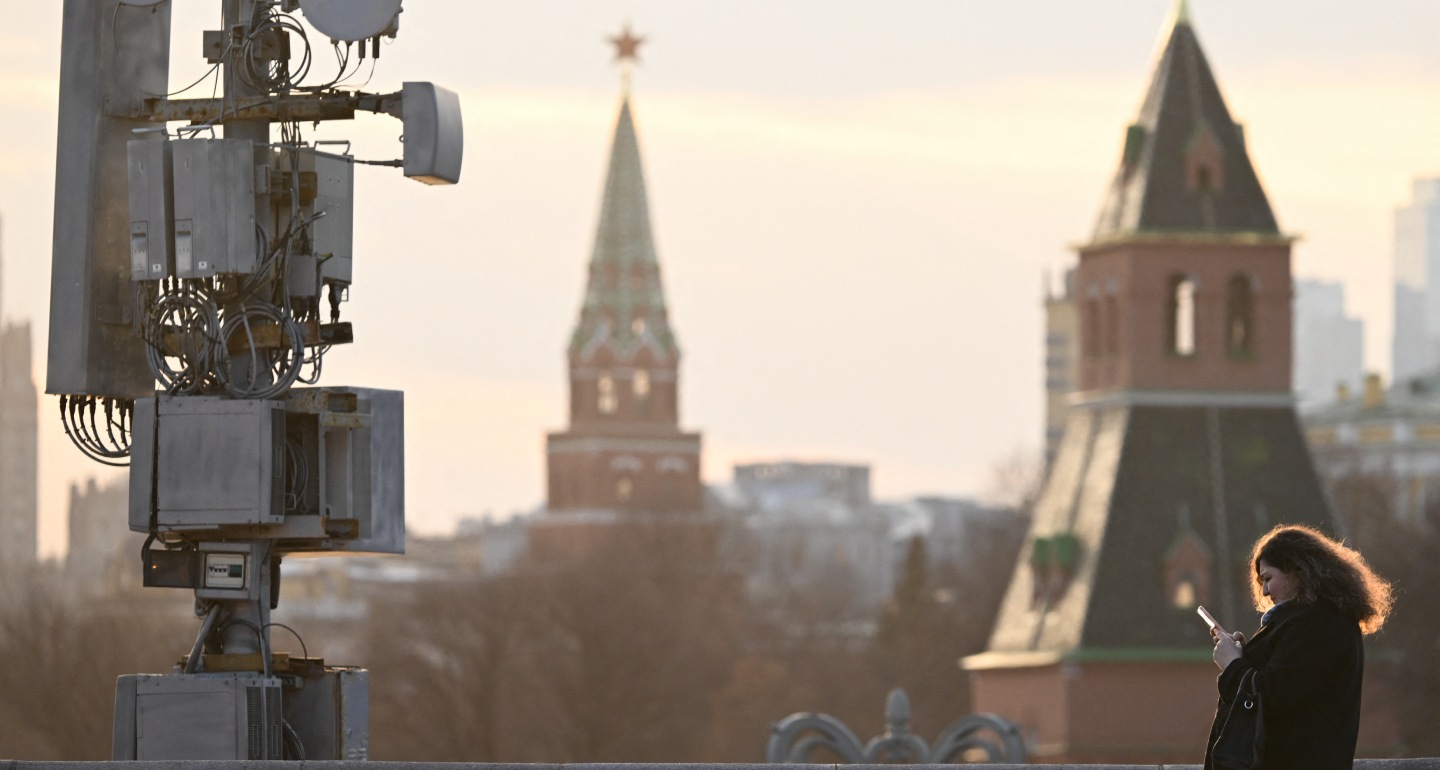
The Russian state has opted for complete ideological control of the internet and is prepared to bear the associated costs.

Maria Kolomychenko
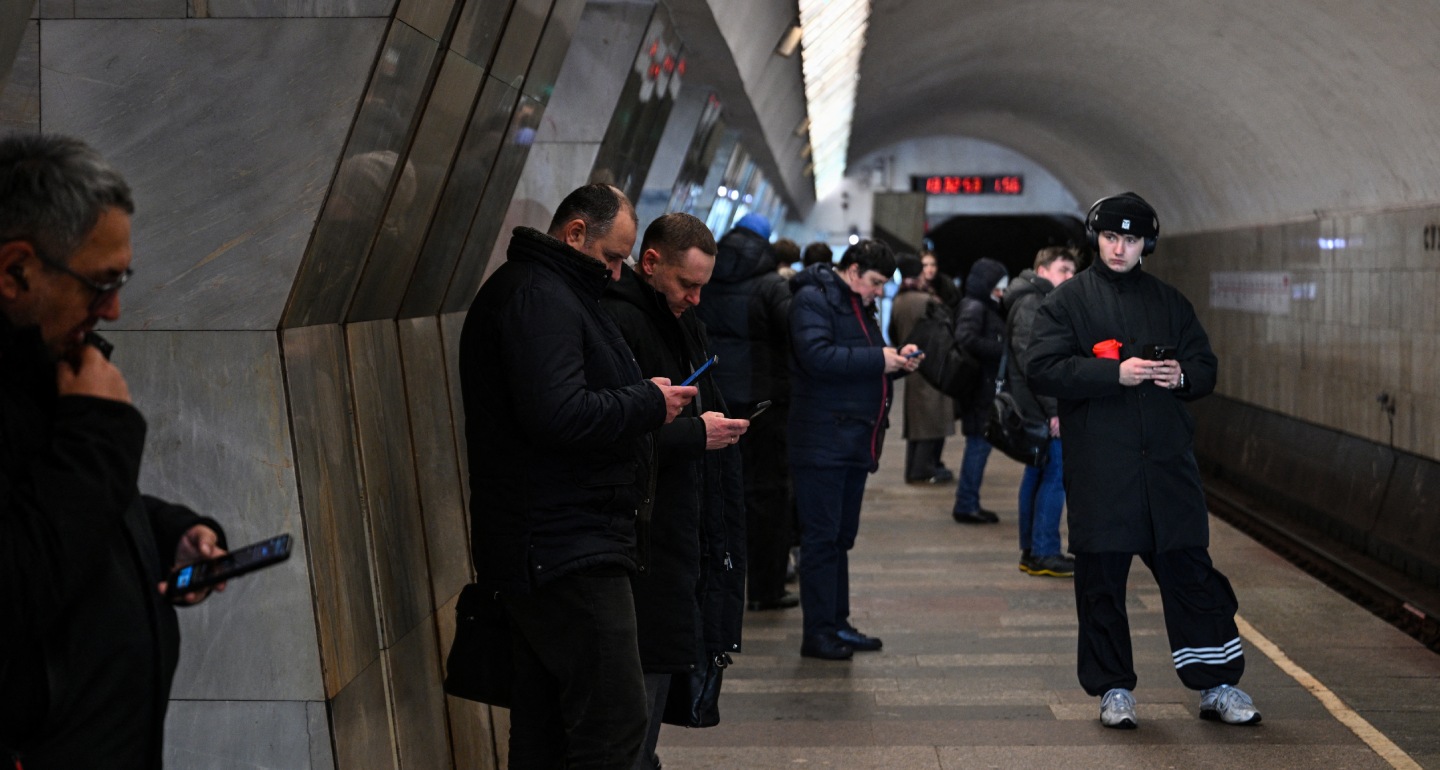
After four years of war, there is no one who can stand up to the security establishment, and President Vladimir Putin is increasingly passive.

Tatiana Stanovaya
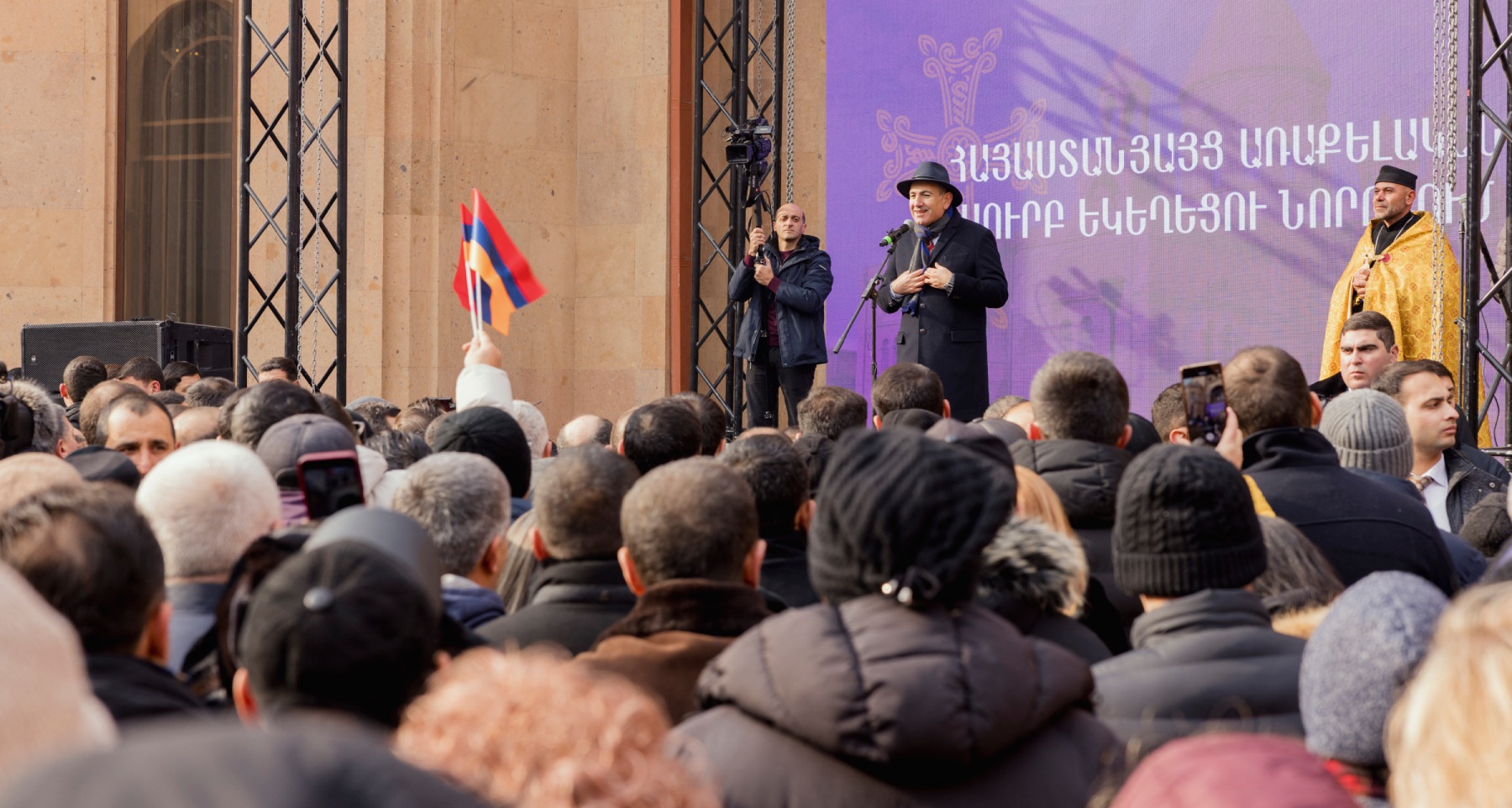
It’s true that many Armenians would vote for anyone just to be rid of Pashinyan, whom they blame for the loss of Nagorno-Karabakh, but the pro-Russia opposition is unlikely to be able to channel that frustration into an electoral victory.
Mikayel Zolyan