

Commentary
In the tenth year of his presidency, President Mirziyoyev’s system is becoming even more personalized than that of his predecessor Karimov.
Galiya Ibragimova
{
  "authors": [
    "Yuliya Bila",
    "Isaac Webb"
  ],
  "type": "commentary",
  "centerAffiliationAll": "",
  "centers": [
    "Carnegie Endowment for International Peace",
    "Carnegie Russia Eurasia Center"
  ],
  "collections": [],
  "englishNewsletterAll": "",
  "nonEnglishNewsletterAll": "",
  "primaryCenter": "Carnegie Endowment for International Peace",
  "programAffiliation": "",
  "programs": [],
  "projects": [],
  "regions": [
    "Eastern Europe",
    "Ukraine"
  ],
  "topics": [
    "Political Reform"
  ]
}
Source: Getty
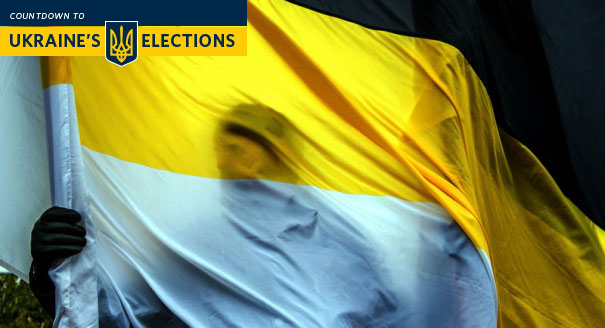
With less than a week left until the Ukrainian parliamentary elections, there is growing uncertainty about whether the new parliament will provide a boost to President Petro Poroshenko's flagging reform agenda and attempts to manage the extremely fragile situation in the east.
With less than a week left until the Ukrainian parliamentary elections, there is growing uncertainty about whether the new parliament will provide a boost to President Petro Poroshenko's flagging reform agenda and attempts to manage the extremely fragile situation in the east.
Ukraine’s controversial lustration bill, signed by President Petro Poroshenko last week, is having an immediate effect on governance in Kyiv and beyond. Prime Minister Arseniy Yatsenyuk has already announced that 39 top Ukrainian officials will lose their jobs. “These are heads of central executive agencies, first deputy ministers, deputy ministers, members of national commissions and one head of a regional state administration," said Yatsenyuk. In a mid-September speech, the prime minister claimed that upwards of one million officials might be affected by lustration based on their former affiliation with the KGB, the Communist Party of the Soviet Union, or the administration of former President Viktor Yanukovych. The law does not apply to elected officials such as members of parliament or the president himself, but is expected to pose particular challenges for government bureaucracies like the Prosecutor General’s office and the Ministry of Interior. The Kharkiv Human Rights Group estimates that 95 percent of management-level figures in law enforcement agencies could be affected. The imminent dismissal of civil servants in such numbers raises troubling questions about how effectively Ukraine’s badly troubled state institutions will be able to cope with their responsibilities while short-handed.
Shunning the national parliamentary elections, the authorities of the Donetsk People’s Republic (DNR) plan to hold separate elections on November 2 to elect a “head of state” and new regional parliament. The separatists have largely rejected the law on “special status” for certain territories of the Donbas that President Poroshenko pushed as part of the September 5 Minsk ceasefire and are opposed to holding local elections on December 7 as mandated by the legislation. DNR “Vice Premier” Andrei Purgin has suggested that the vote in early November will be used to elect representatives who will negotiate the exact terms of the region’s status with Kyiv. Following a series of consultations with President Vladimir Putin and European heads of state at the Asia-Europe Meeting in Milan, President Poroshenko declared that the “fake elections” would not be recognized by Ukraine, Europe, or Russia.
The Central Election Commission announced on Friday that it will not have access to 14 of 32 single-member electoral districts in Donetsk and Luhansk regions where pro-Russian separatists are in control. (This is in addition to the 12 districts in Crimea that will not send representatives to the new parliament.) By some estimates, more than half of the population of the Donbas will be unable to vote in the election. Apathy about the election in the region is an additional headache for the Poroshenko government. A Rating Group poll conducted from October 1 to 8 suggests that a mere 13 percent of Donbas residents plan to vote. This lack of participation in the election is likely to continue the country’s deep regional divide and aggravate fears in the conflict zone that the views of the Donbas will not be adequately represented in Kyiv. Serhiy Tigipko’s “Strong Ukraine” and the Opposition Bloc are trying to take the place of the collapsed Party of Regions and Ukrainian Communist Party in catering to Russophone voters not sympathetic to the central government, but polls show that both groupings are barely over the 5 percent needed to enter the Rada via party list.
Fear of fratricide among pro-reform candidates is causing last-minute changes in highly-contested single mandate districts across the country. (N.B. Half of the parliament’s 450 seats will be filled through head-to-head races in such districts.) On October 11, several pro-European parties announced their decision to back a single candidate to prevent Yanukovych-era candidates from winning seats in the parliament. The Poroshenko Bloc, which consistently polls at least 20 percentage points above all other political parties, has announced that it will withdraw candidates from 20 districts where other pro-reform candidates appear competitive.
Ukraine’s current electoral system lends itself to corruption on almost every level. Cynics argue that winning a seat in parliament can be as simple as buying one’s way on to a party list or bribing voters in a single-member electoral district. Civil society groups allege that candidates in some districts have purchased votes for as little as 200 hryvnia (approximately 15 dollars). Vote buying was the focus of the October 17 edition of “Shuster Live,” Ukraine’s most popular political TV program. A poll of the live studio audience revealed that 25 percent had been offered money or gifts in exchange for their votes in the 2012 election and that 34 percent would consider taking a bribe during the current political campaign. On Monday President Poroshenko toughened the penalties for bribing voters, but with the election less than a week away it appears unlikely that such efforts will have a material effect on campaign tactics.
Yuliya Bila and Isaac Webb are junior fellows in the Carnegie Endowment for International Peace’s Russia and Eurasia Program.
Yuliya Bila
Former Junior Fellow, Russia and Eurasia Program
Isaac Webb
Former Junior Fellow, Russia and Eurasia Program
Carnegie does not take institutional positions on public policy issues; the views represented herein are those of the author(s) and do not necessarily reflect the views of Carnegie, its staff, or its trustees.

In the tenth year of his presidency, President Mirziyoyev’s system is becoming even more personalized than that of his predecessor Karimov.

Galiya Ibragimova

The greater threat to Zelensky comes not from Fedorov alone, but from the convergence between the former defense minister’s political campaign and the anti-corruption investigations moving ever closer to the presidential administration.

Balázs Jarábik
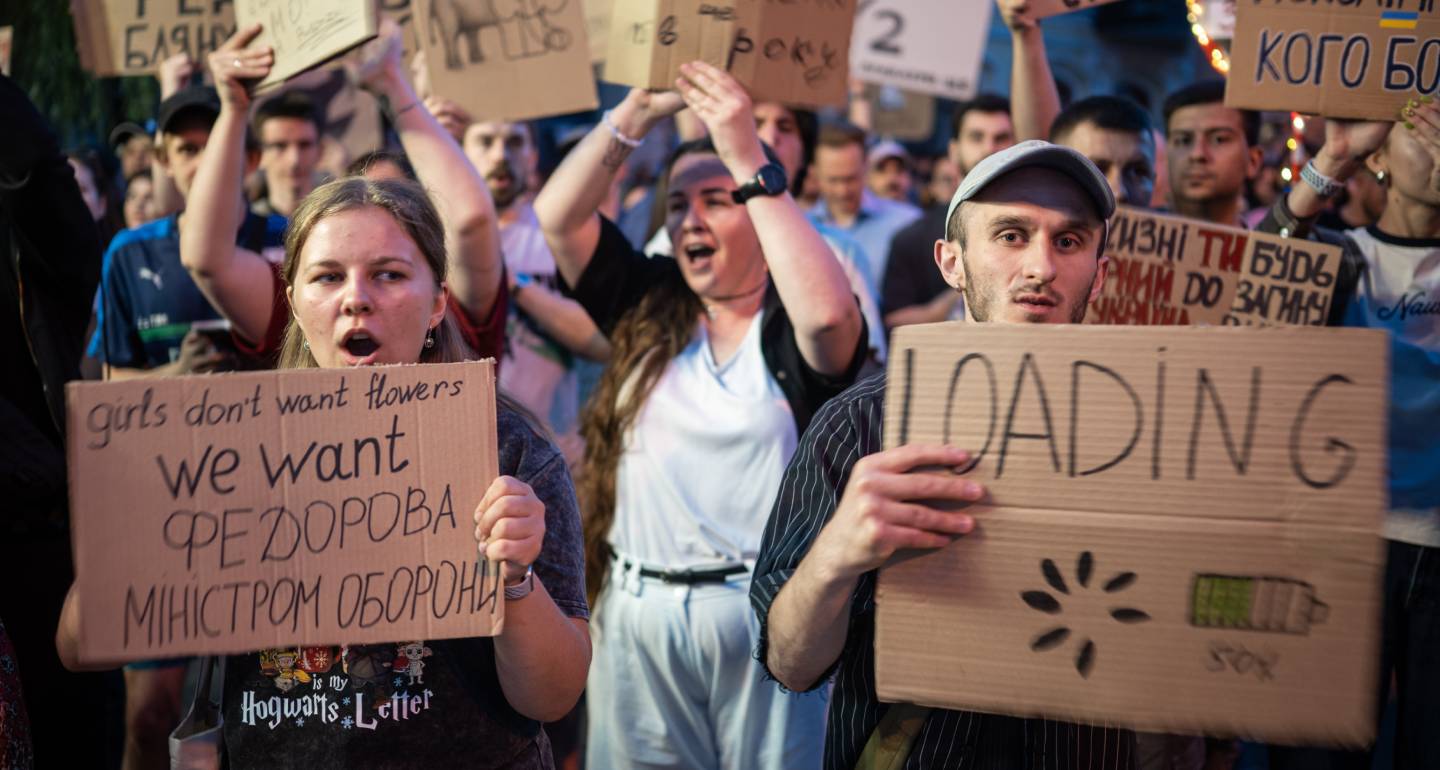
With his public call for new elections in Ukraine, ex-defense minister Mykhailo Fedorov has opened Pandora’s box.

Konstantin Skorkin
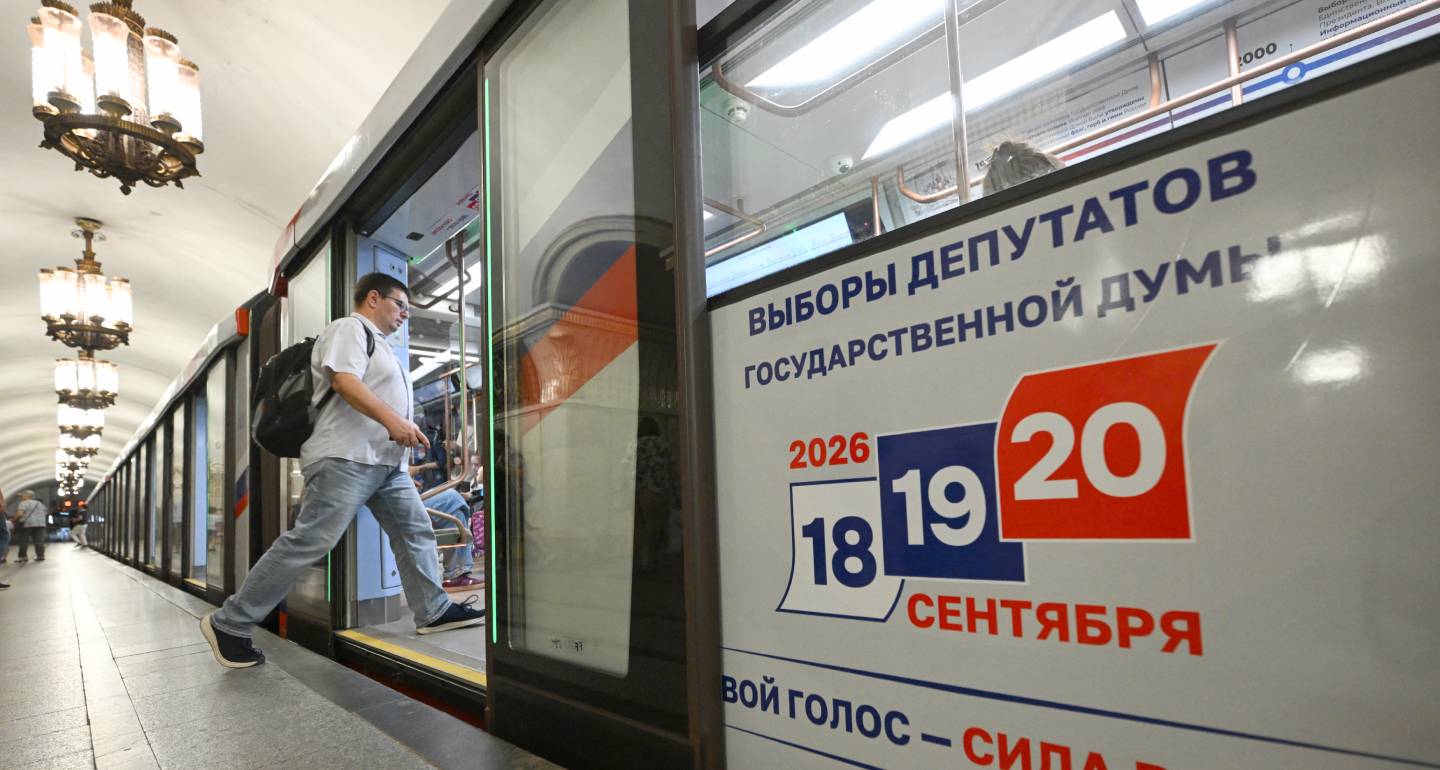
In the discussions made possible by the State Duma election campaign, one question is being asked more and more loudly. “What next?”

Andrey Pertsev

Two divergent trends—Putin’s hardline vision of how to prosecute the war in Ukraine, and a growing desire for change in Russia—could tear the regime apart.

Tatiana Stanovaya