

Commentary
Sarah Chayes
{
  "authors": [
    "Sarah Chayes"
  ],
  "type": "legacyinthemedia",
  "centerAffiliationAll": "dc",
  "centers": [
    "Carnegie Endowment for International Peace"
  ],
  "collections": [
    "Anti-Corruption"
  ],
  "englishNewsletterAll": "democracy",
  "nonEnglishNewsletterAll": "",
  "primaryCenter": "Carnegie Endowment for International Peace",
  "programAffiliation": "DCG",
  "programs": [
    "Democracy, Conflict, and Governance"
  ],
  "projects": [],
  "regions": [
    "North America",
    "United States",
    "Southern, Eastern, and Western Africa"
  ],
  "topics": [
    "Political Reform",
    "Democracy",
    "Security"
  ]
}
Source: Getty
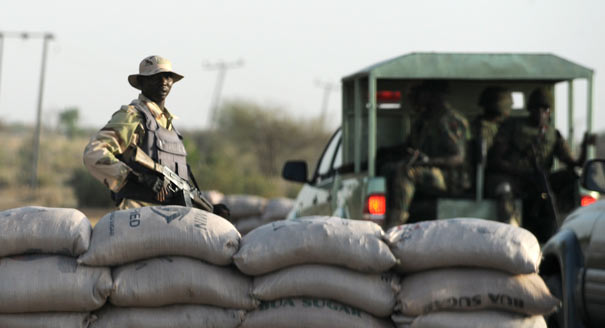
For security reasons as well as ethical ones, the United States should stand by its anticorruption rhetoric, applying sanctions and other leverage against members of what many have called Nigeria's most kleptocratic administration ever.
Source: Los Angeles Times
Collapsing oil prices are dealing a crippling blow to Africa's economic giant, Nigeria, which is simultaneously absorbing a second shock: U.S. refineries once purchased as much as 40% of its production; now they're no longer buying.
Is this financial crisis injecting some sobriety into Nigeria's notoriously corrupt elites? Hardly. In the latest reports of misspent national treasure, millions of laundered dollars are apparently lubricating President Goodluck Jonathan's reelection campaign. Voting is this month.
Nigeria's in-your-face corruption was never sustainable; with Boko Haram militants razing whole villages in the north, its dire consequences are only intensified. For security reasons as well as ethical ones, the United States should stand by its anticorruption rhetoric, applying sanctions and other leverage against members of what many have called Nigeria's most kleptocratic administration ever.At a meeting with traditional leaders last month, the governor of the southern state of Edo vented his exasperation over fishy numbers provided by the Nigerian federal government. He and other officials were told that oil revenue owed to the states was being used to bring down the price of kerosene, a basic fuel for Nigerians. “But your highnesses,” he countered, “there is nowhere in your various domains where kerosene is being sold for [only] 50 naira. So in the name of subsidy, large sums of money are being stolen.”
Such findings (and others) prompted then-Central Bank of Nigeria Gov. Lamido Sanusi to submit a memorandum to the Nigerian Senate a year ago, pinpointing gaps and illegalities in the oil accounts that left the nation with a shortfall of about $20 billion over 18 months. Spending to subsidize kerosene — for which there was no allocation in the federal budget and whose effect was not reflected in retail prices — totaled about $6 billion. When Sanusi directed his examiners to trace the money, he was suspended.
In the last two years, Jonathan has curbed the once proud central bank, appointing to its board an in-law, a close family friend and a former subordinate of the petroleum minister. A Western diplomat described that minister to me as “Jonathan's ATM.” The bank's governor, Godwin Emefiele, and a deputy governor, Adebayo Adelabu (also Jonathan appointees), previously managed banks reportedly under scrutiny by Sanusi for laundering the missing oil money.
In the meantime, a source “close to” a Nigerian bank told local news media that his establishment transferred more than $56 million to Jonathan loyalists “outside due process,” primarily to rent campaign supporters. “Some people who were hired to come to the rallies are complaining that they did not receive the money promised them. The politicians want to pocket all” of it, he said.
In another deal, the nation's equivalent of the U.S. Bureau of Engraving and Printing took out a $21-million loan at a staggering 22% interest rate to buy equipment supposedly to print ballots for next month's election. Emefiele is also chairman of the bureau, and the loan came from the bank he used to run. The bureau did not have the contract to print the ballots. An Emefiele spokesman has denied any hanky-panky.
According to numerous civil servants I've interviewed, public procurement invoices are often grossly inflated. “When it comes to a job that attracts money,” a defense ministry IT worker told me last year, “only the director and the deputy director have knowledge of the real terms of the deal.... If it's 10 million, the director says, ‘Make it 12 million.” Procurement will say, ‘Make it 15 million.' And the permanent secretary says, ‘Make it 25.'”
Given the nation's plunging revenue, such tales of corruption are shocking. Every Nigerian is hurt by the lack of investment in schools, healthcare, agriculture and basic infrastructure, not to mention bullets for the military — and by the corrosive culture fostered by high-level larceny. From the police to the registrar of public deeds to the nursery school teacher, too many government officials encountered by Nigerians demand to be “settled” with a payoff.
Many see in such practices the genesis of the biggest threat to Nigeria's security: Boko Haram. “Boko Haram initially had the principle of kicking back against the corruption of the state,” says Kemi Okenyodo, director of an organization that advocates for justice-sector reform. Indeed, at first, Boko Haram went after the police — notorious for abuse — and other government offices. Only recently have attacks on civilians been predominant.
For Muhammed Tabiu, former bar association chairman in the city of Kano, radicalization in the Muslim north is driven in part by “a search for a solution to corruption; you can't get a fair deal. You have to bribe.” First, Tabiu says, came a push for sharia law. But when that failed to deliver change, some sought more radical solutions.
U.S. officials have begun speaking out about the threat posed by corruption. But actions have lagged behind words. The intelligence community does not systematically analyze corruption. The Foreign Service Institute, which trains U.S. diplomats, has no mandatory course on it. And sanctions are typically imposed only on countries that are already pariahs, such as Russia or North Korea.
Regarding Nigeria, Washington continues to pledge counter-terrorism support, without a public word to Jonathan about the missing billions, even though the collapse of U.S. demand for oil puts American officials in a good position to exert leverage. Jonathan's finance minister gets a regular Washington platform to paint rosy pictures of her country's economy. The oil minister has not been sanctioned despite those gaps in the revenue she is supposed to be depositing in government coffers. And dodgy Nigerian banks retain correspondent relationships with U.S. counterparts.
It's up to Nigerians to decide this month what kind of leadership they want for their country. But if American officials truly mean to address the root causes of terrorism — as both President Obama and Secretary of State John F. Kerry have proclaimed — a good place to start would be with corruption.
This piece was originally published in the Los Angeles Times.
Former Senior Fellow, Democracy, Conflict, and Governance Program
Sarah Chayes is internationally recognized for her innovative thinking on corruption and its implications. Her work explores how severe corruption can help prompt such crises as terrorism, revolutions and their violent aftermaths, and environmental degradation.
Recent Work
Sarah Chayes
Carnegie does not take institutional positions on public policy issues; the views represented herein are those of the author(s) and do not necessarily reflect the views of Carnegie, its staff, or its trustees.
The truth is that Japan’s government is seeking a degree of reengagement but at a vastly reduced level than under Abe. Most significantly, Japan has shown no willingness to ease sanctions.

James D.J. Brown
The cost of air defense has become an unregistered tax on revenue for businesses. While military rents are consolidated in the federal budget, the costs of defense are being spread across the balance sheets of companies and regional governments.

Alexandra Prokopenko
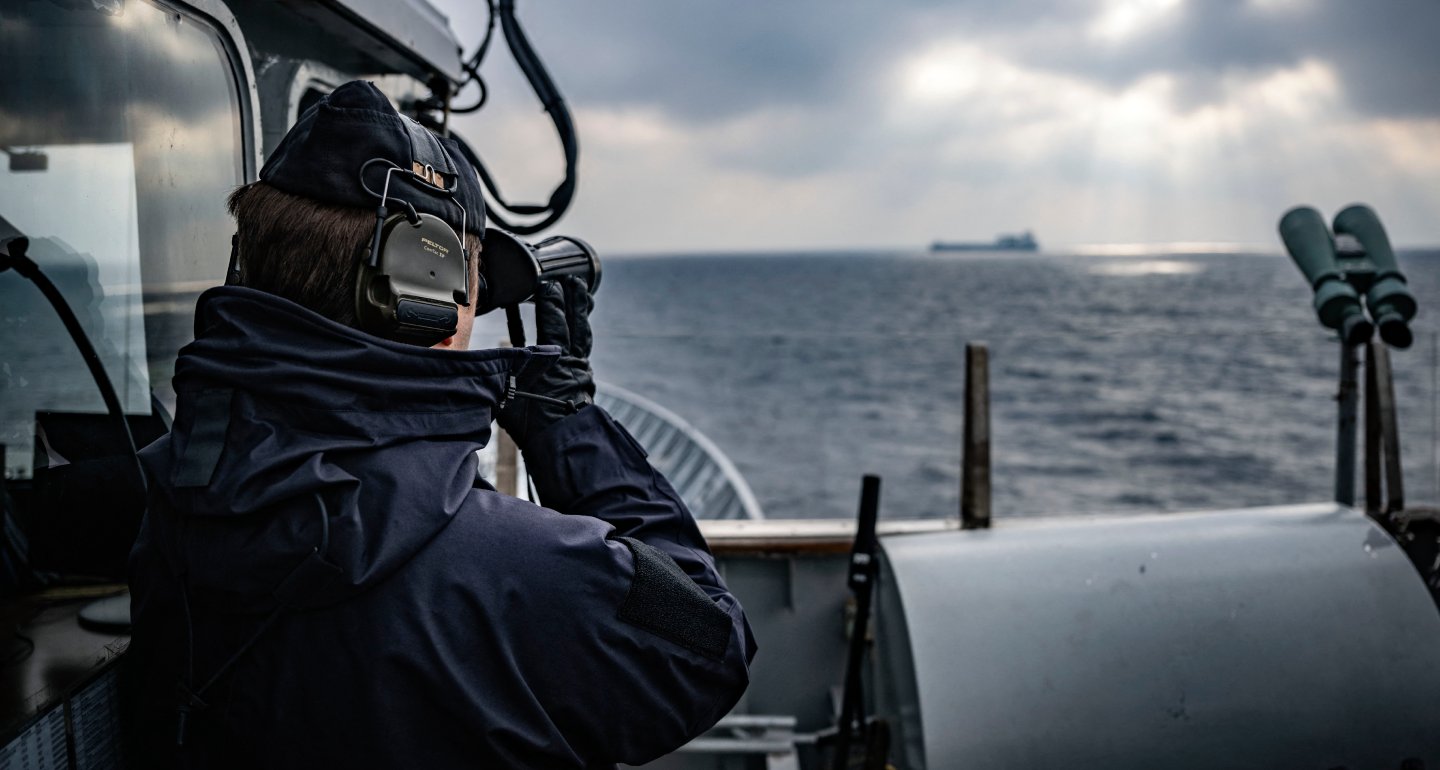
Governments in Estonia, Latvia, and Lithuania want to ensure that a U.S. military withdrawal would not leave them dangerously exposed to a Russian attack.

Sergejs Potapkins
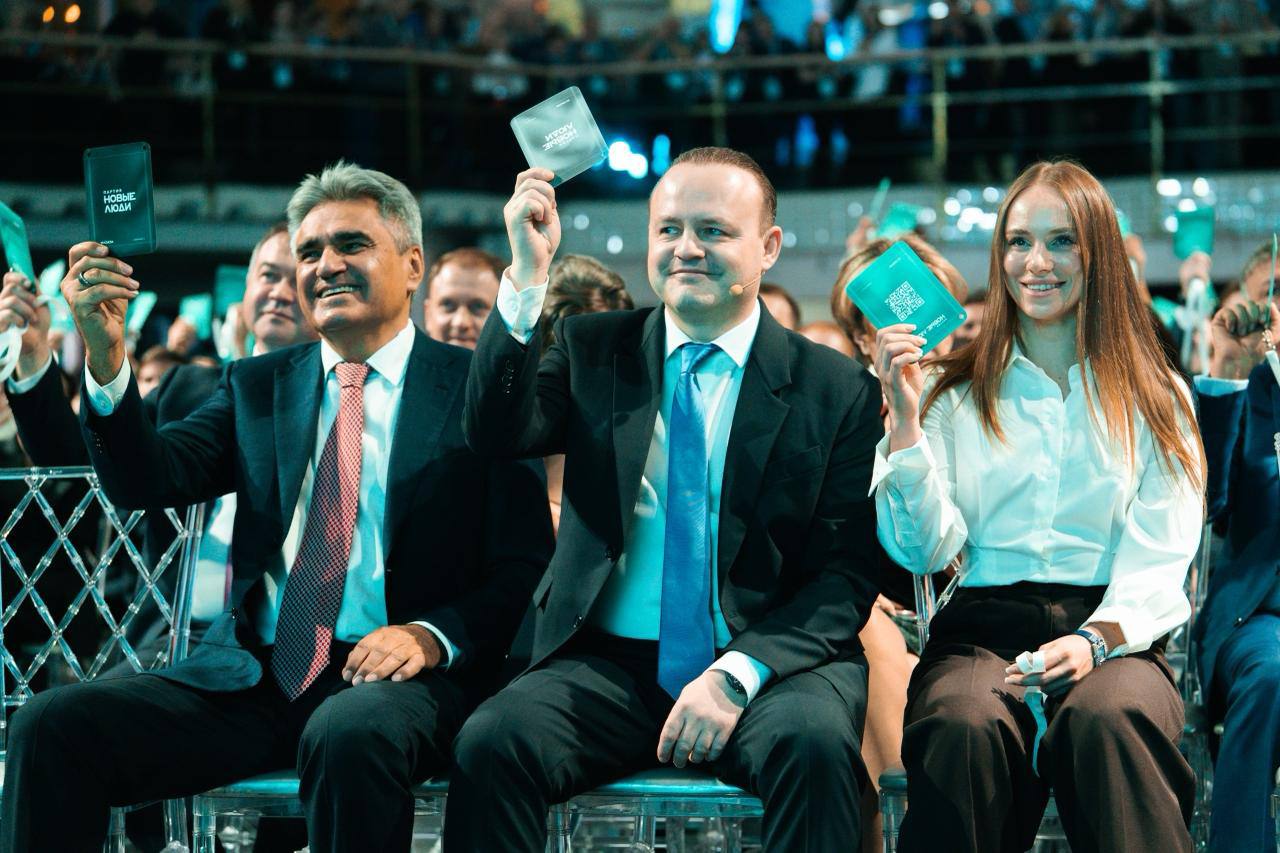
Anger over online restrictions has led to a surge in support for the New People party, which has replaced the Communists as Russia’s second most popular political party.

Andrey Pertsev
The Russian regime is now visibly motivated by fear.

Alexander Baunov