

Commentary
The demands of the Kremlin’s war in Ukraine, demographic problems, and public hostility toward Central Asians mean Russia does not have enough workers.
Salavat Abylkalikov
{
  "authors": [
    "Dmitri Trenin",
    "Andrew Leung",
    "Mark MacKinnon"
  ],
  "type": "legacyinthemedia",
  "centerAffiliationAll": "dc",
  "centers": [
    "Carnegie Endowment for International Peace",
    "Carnegie Russia Eurasia Center"
  ],
  "collections": [],
  "englishNewsletterAll": "ctw",
  "nonEnglishNewsletterAll": "",
  "primaryCenter": "Carnegie Russia Eurasia Center",
  "programAffiliation": "russia",
  "programs": [
    "Russia and Eurasia"
  ],
  "projects": [],
  "regions": [
    "East Asia",
    "China",
    "Russia"
  ],
  "topics": [
    "Economy",
    "Trade",
    "Foreign Policy"
  ]
}
Source: Getty
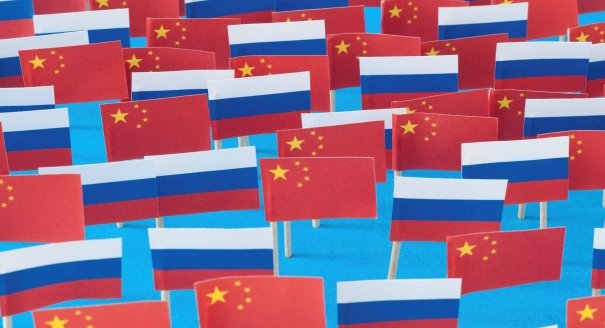
The rising relationship between China and Russia is based both on a common resentment toward Washington’s world dominance as well as on shared interests.
Source: BBC’s Newshour
Speaking on the BBC’s Newshour, Carnegie Moscow Center’s Dmitri Trenin discussed the growing Russia-China relationship with BBC China editor Carrie Gracie. He was joined by Andrew Leung, an independent China specialist based in Hong Kong, and Mark MacKinnon, former Beijing and Moscow bureau chief for Canada’s Globe and Mail, now based in London.
Trenin assessed the rising relationship between China and Russia as based both on a common resentment toward Washington’s world dominance as well as on shared interests in economy, investments, infrastructure, and science.
Moreover, he argued, a new Eurasia is emerging now, with China as a dynamic center of it, and the current China-led projects in Eurasia have the potential to bring about the greatest changes in this region since the days of Genghis Khan.
Former Director, Carnegie Moscow Center
Trenin was director of the Carnegie Moscow Center from 2008 to early 2022.
Andrew Leung
Mark MacKinnon

The demands of the Kremlin’s war in Ukraine, demographic problems, and public hostility toward Central Asians mean Russia does not have enough workers.

Salavat Abylkalikov
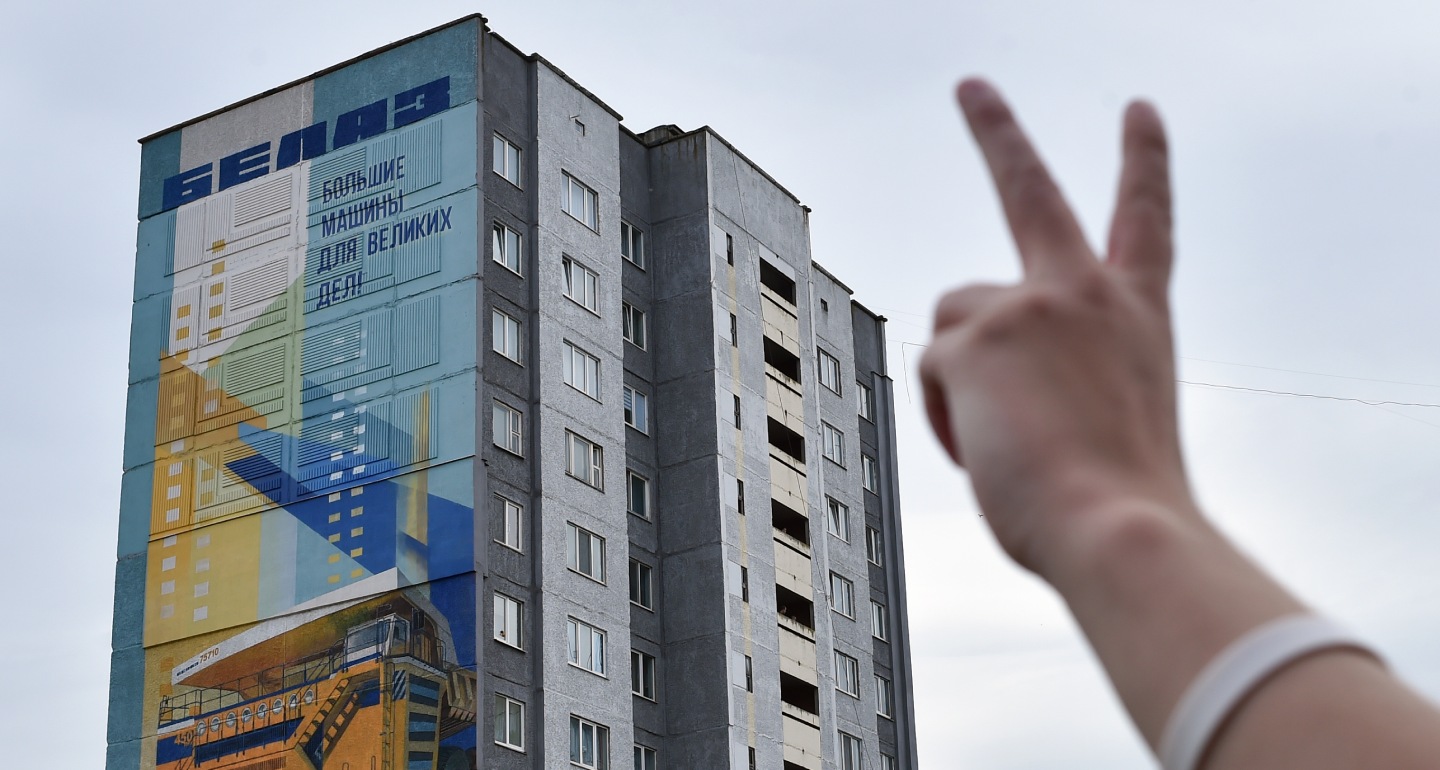
Minsk’s faith in the future of its larger neighbor’s economy is fading as Belarusian firms in Russia see record losses.

Olga Loiko
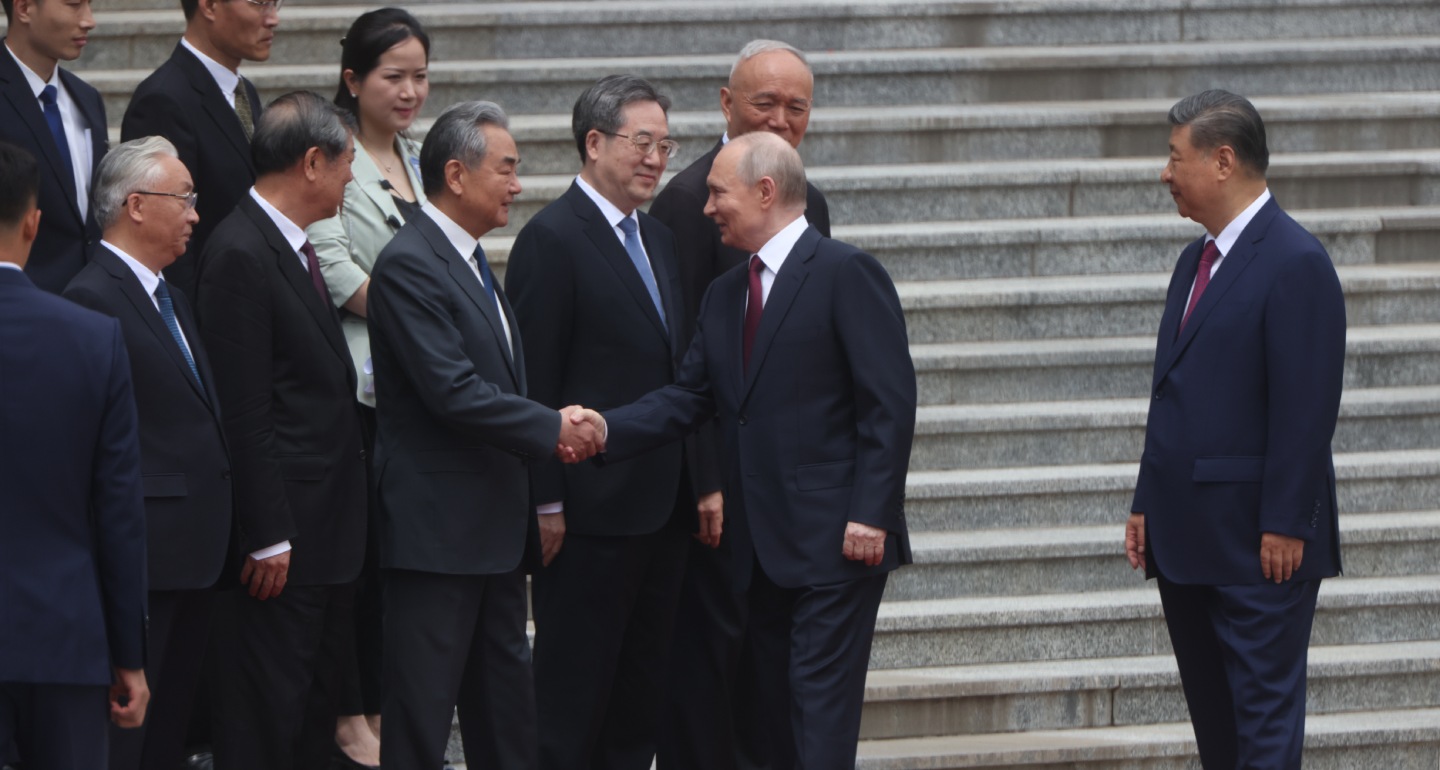
With no key agreement signed on the Power of Siberia 2 gas pipeline, there is a risk that the window of opportunity for Russia will close if Chinese power generation becomes so green that new gas sources are no longer of any interest to Beijing.

Alexander Gabuev

Though Orban is gone, Putin can still count on some like-minded individuals in Central and Eastern Europe. However, they will seek to avoid open confrontation with EU institutions over Ukraine and their ties with Moscow.

Dimitar Bechev

The truth is that Japan’s government is seeking a degree of reengagement but at a vastly reduced level than under Abe. Most significantly, Japan has shown no willingness to ease sanctions.

James D.J. Brown