

Q&A
- +1
Sheena Chestnut Greitens, Oriana Skylar Mastro, Yukon Huang, …
{
  "authors": [
    "Yukon Huang"
  ],
  "type": "legacyinthemedia",
  "centerAffiliationAll": "dc",
  "centers": [
    "Carnegie Endowment for International Peace"
  ],
  "collections": [],
  "englishNewsletterAll": "asia",
  "nonEnglishNewsletterAll": "",
  "primaryCenter": "Carnegie Endowment for International Peace",
  "programAffiliation": "AP",
  "programs": [
    "Asia"
  ],
  "projects": [],
  "regions": [
    "East Asia",
    "China"
  ],
  "topics": [
    "Economy"
  ]
}
Source: Getty
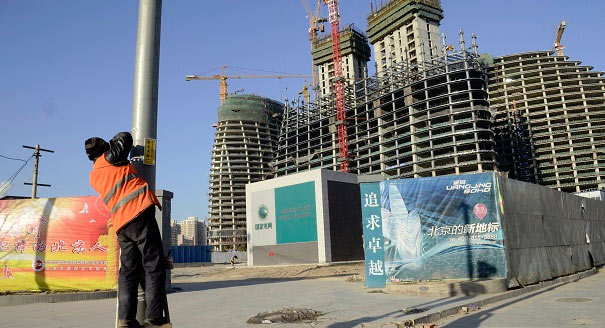
In the past three decades, China has changed from what would be described as a centrally-planned economy to what could be called a state-led capitalist system that is more private-oriented and subject to market forces.
Source: U.S.-China Policy Foundation
In an interview with China Forum, Carnegie’s Yukon Huang discussed how China’s economy has shifted in the past decades. He described how China has changed from what would be described as a centrally-planned economy to what could be called a state-led capitalist system that is more private-oriented and subject to market forces. This was not an easy process; China’s changing economy means lowering economic growth rates and property adjustment. Huang said that going forward, it remained to be seen whether the expected 5-6 percent growth in the next 5-10 years is sustainable and what is the quality of that growth.
Huang also discussed anticorruption efforts in China and their potential impact on China’s economic growth. He said that in the short-term, these efforts will likely hinder growth. Corruption in China has actually been a positive for economic growth in the past, Huang explained, but it has other negative consequences. In the long-term, if China continues to become more market-oriented, corruption becomes less necessary. Therefore, Xi’s campaign against corruption could potentially be good for long-term growth.
This interview was originally broadcast by the U.S.-China Policy Foundation.

Senior Fellow, Asia Program
Huang is a senior fellow in the Carnegie Asia Program where his research focuses on China’s economy and its regional and global impact.
Recent Work


Sheena Chestnut Greitens, Oriana Skylar Mastro, Yukon Huang, …

Yukon Huang, Isaac B. Kardon, Matt Sheehan

Depleted financial reserves and a shrinking tax base mean it is no longer possible to simultaneously deliver high defense spending, price stability, and economic growth.

Alexandra Prokopenko

With the growth in points of friction between the great powers, organizations like the SCO will continue to play a role in the strategic adaptation of the smaller powers caught between them.

Temur Umarov

A much-discussed disagreement over internet restrictions in Russia was never an existential threat for Putin: It was about elite groups protecting their interests.
Alexandra Prokopenko
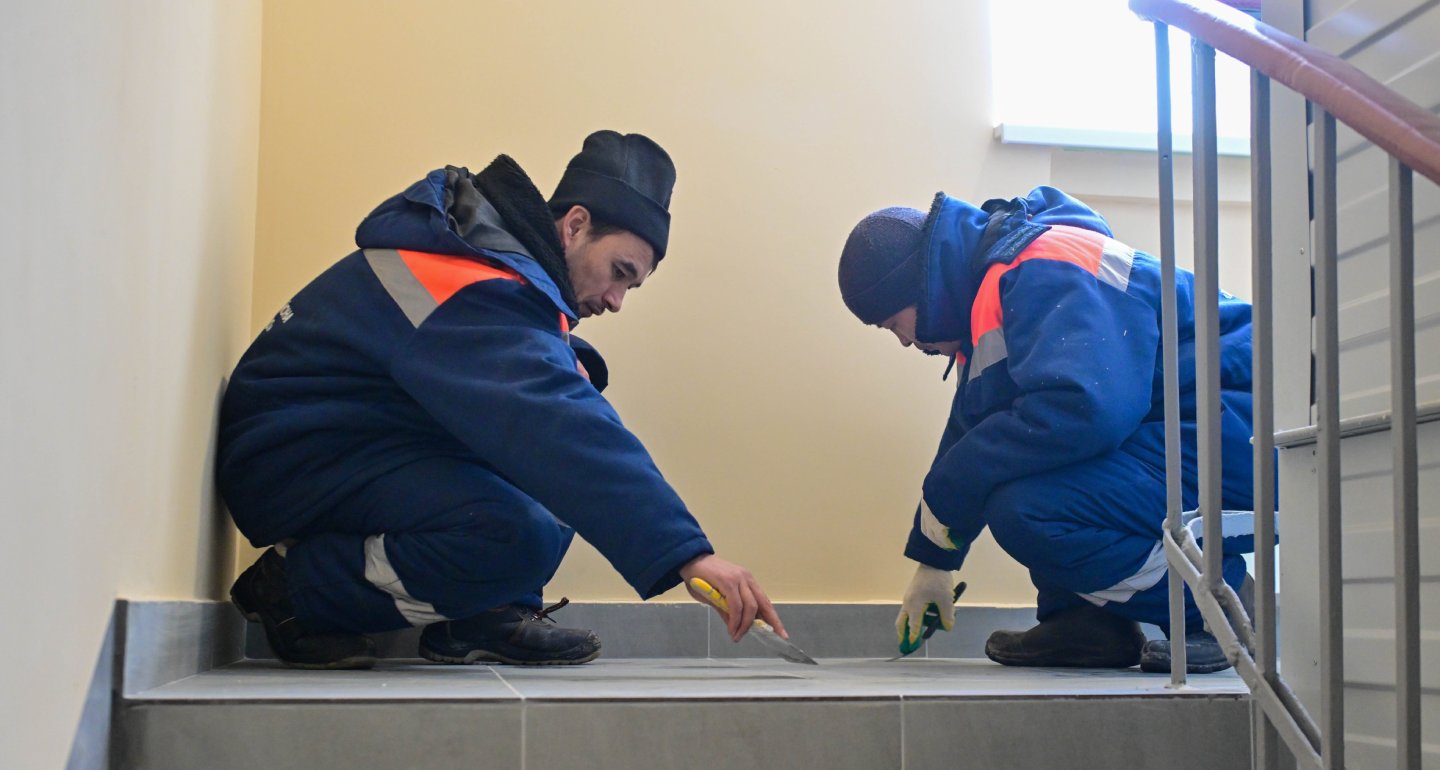
The demands of the Kremlin’s war in Ukraine, demographic problems, and public hostility toward Central Asians mean Russia does not have enough workers.
Salavat Abylkalikov
Minsk’s faith in the future of its larger neighbor’s economy is fading as Belarusian firms in Russia see record losses.
Olga Loiko