

Commentary
Ongoing uncertainty in the Middle East allows Moscow to both increase its influence in Tehran and continue to enjoy the financial windfall of higher oil prices.
Nikita Smagin
{
  "authors": [],
  "type": "pressRelease",
  "centerAffiliationAll": "",
  "centers": [
    "Carnegie Endowment for International Peace"
  ],
  "collections": [
    "Iranian Proliferation"
  ],
  "englishNewsletterAll": "",
  "nonEnglishNewsletterAll": "",
  "primaryCenter": "Carnegie Endowment for International Peace",
  "programAffiliation": "",
  "programs": [],
  "projects": [],
  "regions": [
    "United States",
    "Middle East",
    "Iran"
  ],
  "topics": [
    "Nuclear Policy",
    "Arms Control"
  ]
}
REQUIRED IMAGE
After nearly two years of intense negotiations, Iran and the six world powers have reached a landmark nuclear agreement aimed at limiting Tehran’s nuclear program. Carnegie experts are available to discuss the details of the deal and its implications. To request an interview, please contact Clara Hogan at chogan@ceip.org.
“There are technical areas of concern, but most of the critics are not actually interested in details; they don’t want any deal with the Islamic Republic. And in some ideal U.S.-Israeli world, Iran would agree to have no nuclear capability and other countries would keep sanctioning it. But in the real world, Iran paid hundreds of billions in sanctions for the nuclear capability it will retain, and now, in return for far-reaching, highly detailed, verifiable restrictions on its nuclear program, Iran will get sanctions relief.”
—George Perkovich
“The nuclear deal will embolden Iran’s competing forces: A youthful population eager for sweeping change, and an entrenched establishment ruthlessly committed to the status-quo. While the former interpret the deal as a major step toward rapprochement with the United States and global reintegration, the latter see it as merely a tactical, temporary compromise driven by economic expediency. There are valid hopes the deal could eventually strengthen Iran’s nationalists and weaken its revolutionaries. There are also valid fears that a deal will enrich the Revolutionary Guards and its regional proxies, namely Syrian dictator Bashar Assad, Hezbollah, and Shia militias in Iraq. Like other major events in the Middle East—including the 1979 Iranian revolution, the 1993 Oslo Accords, the 2003 Iraq war, and the 2011 Arab Spring—the successes, failures, and geopolitical reverberations of the deal will only be evident in the years to come.”
—Karim Sadjadpour
“The JCPOA places stringent limits on Iran’s nuclear program, provides for intrusive and innovative verification arrangements—including timely access to military sites—and places some restrictions on non-nuclear activities that could aid in the design of a nuclear weapon. Its weaknesses, including provisional application of the IAEA Additional Protocol and looser limits on Iranian centrifuge research and development, are real but also the inevitable result of compromise. They are an acceptable price to pay for a deal that is much more likely to prevent Iran’s acquisition of a nuclear weapon than any plausible alternative.”
—James M. Acton
“The recently announced Iran deal holds a mixed message for the Middle East. It offers a more reassuring package regarding short- and mid-term constraints imposed on the Iranian nuclear programs in return for normalization of its nuclear status over the longer term. Yet the dramatic sanctions relief Iran will receive soon on the nuclear-related sanctions, as well as the mid-term relief on Iranian weapons imports and exports go down poorly with the Gulf States and Israel deeply worried about Iranian meddling in and influence over the region. Much will now depend on the ability of the United States to assuage its regional allies’ concerns that it has neither taken a decisive turn toward Iran in managing regional affairs nor will it let its guard down over Iran’s nuclear ambitions.”
—Ariel (Eli) Levite
“Verification under this agreement will be a very tough road. While the JPOA foresaw Iran ratifying its Additional Protocol inside a year, today’s accord will permit Iran to implement the AP on a voluntary basis for eight years before it is legally binding. And in a departure from conventional wisdom, the agreement will compel the IAEA and Iran to resolve the toughest problems—potentially embarrassing nuclear arms-making allegations—within the first six months, not in the distant future. Iran’s track record since 2003 in voluntary AP implementation, and its offhand dismissal of most sensitive weapons allegations don’t inspire confidence. But the powers are betting that Iran will be moved to cooperate by reaping the fruits of sanctions-lifting.”
—Mark Hibbs
“Twelve years after three European countries began the nuclear talks with Iran, the deal now reached in Vienna is balm for Europe’s soul battered by the crisis over Greece. Hardly noticed in the aftermath of the eurozone’s own marathon negotiations, the agreement vindicates the “diplomacy over military confrontation” approach promoted by the Europeans and eventually adopted by the United States.”
—Cornelius Adebahr
Carnegie does not take institutional positions on public policy issues; the views represented herein are those of the author(s) and do not necessarily reflect the views of Carnegie, its staff, or its trustees.
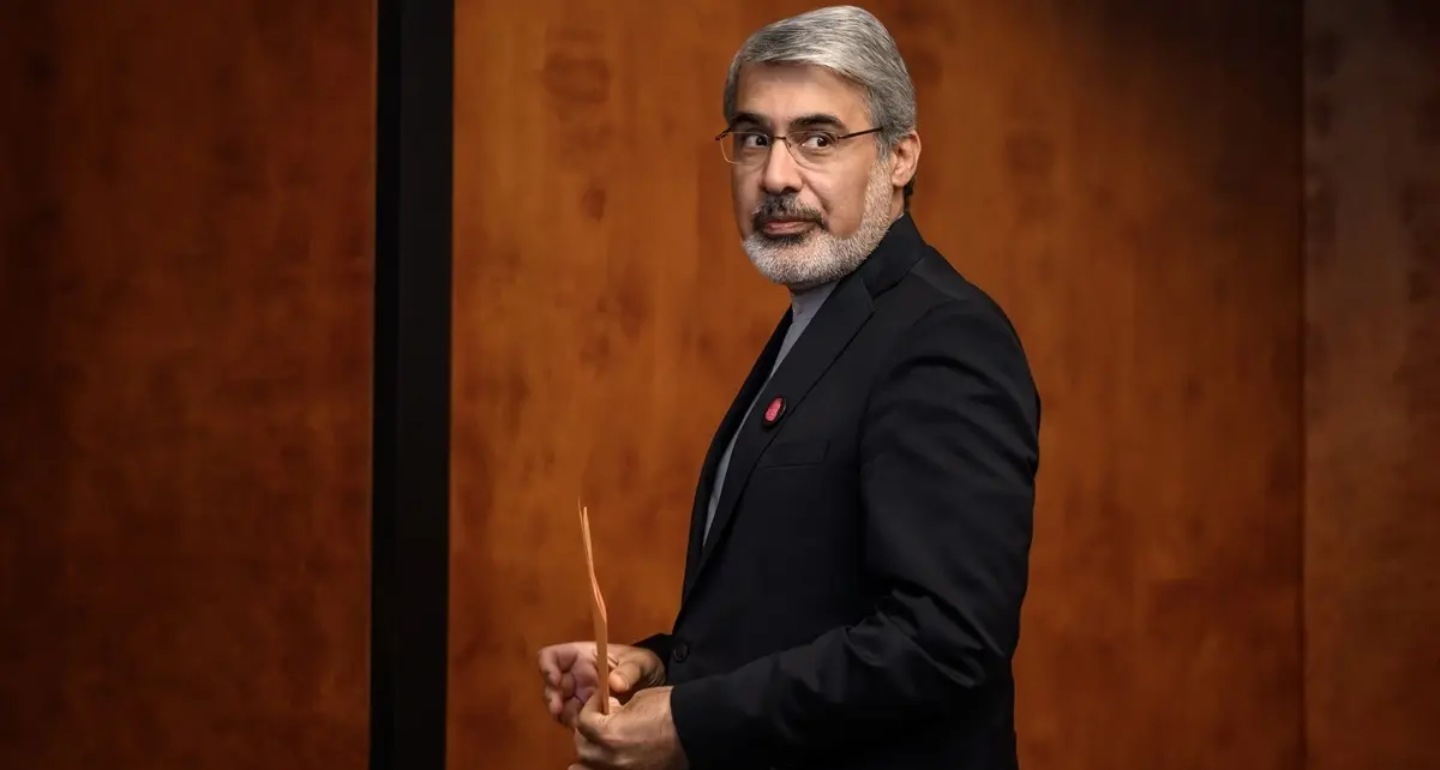
Ongoing uncertainty in the Middle East allows Moscow to both increase its influence in Tehran and continue to enjoy the financial windfall of higher oil prices.

Nikita Smagin

This year’s wars have made alternative routes to transit through Russia no less risky for Central Asian countries.

Galiya Ibragimova
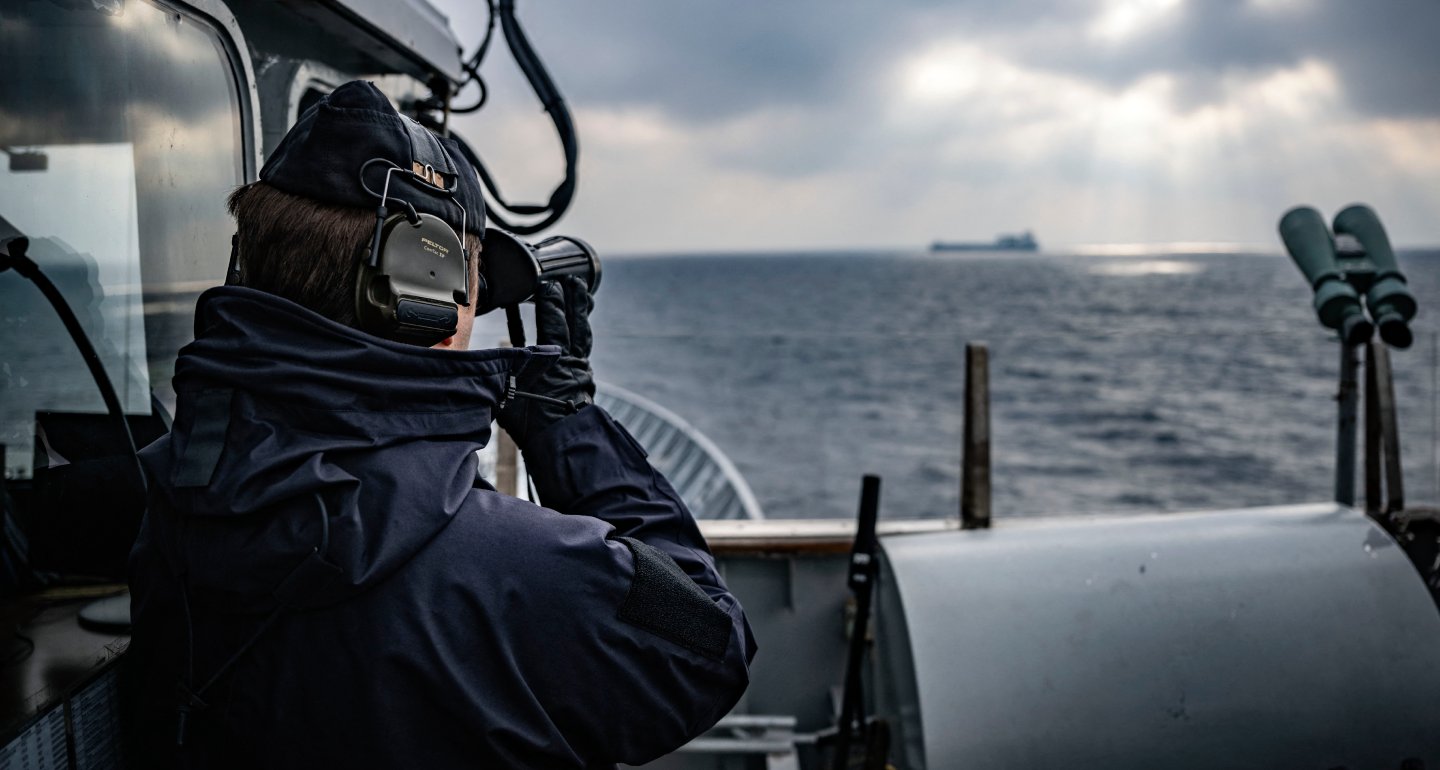
Governments in Estonia, Latvia, and Lithuania want to ensure that a U.S. military withdrawal would not leave them dangerously exposed to a Russian attack.

Sergejs Potapkins
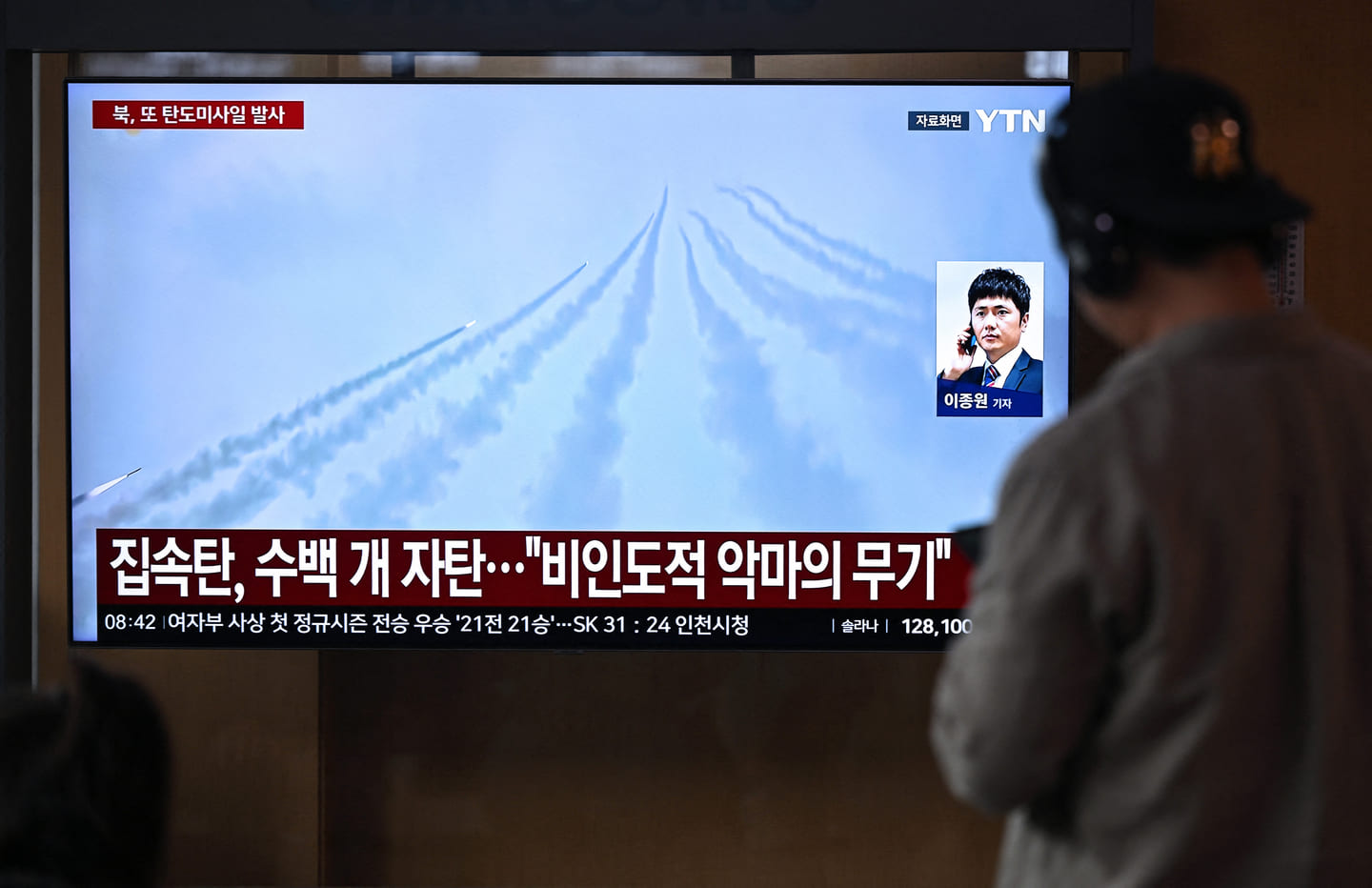
Troubled by the growing salience of nuclear debates in East Asia, Moscow has responded in its usual way: with condemnation and threats. But by exacerbating insecurity, Russia is forcing South Korea and Japan to consider radical security options.

James D.J. Brown
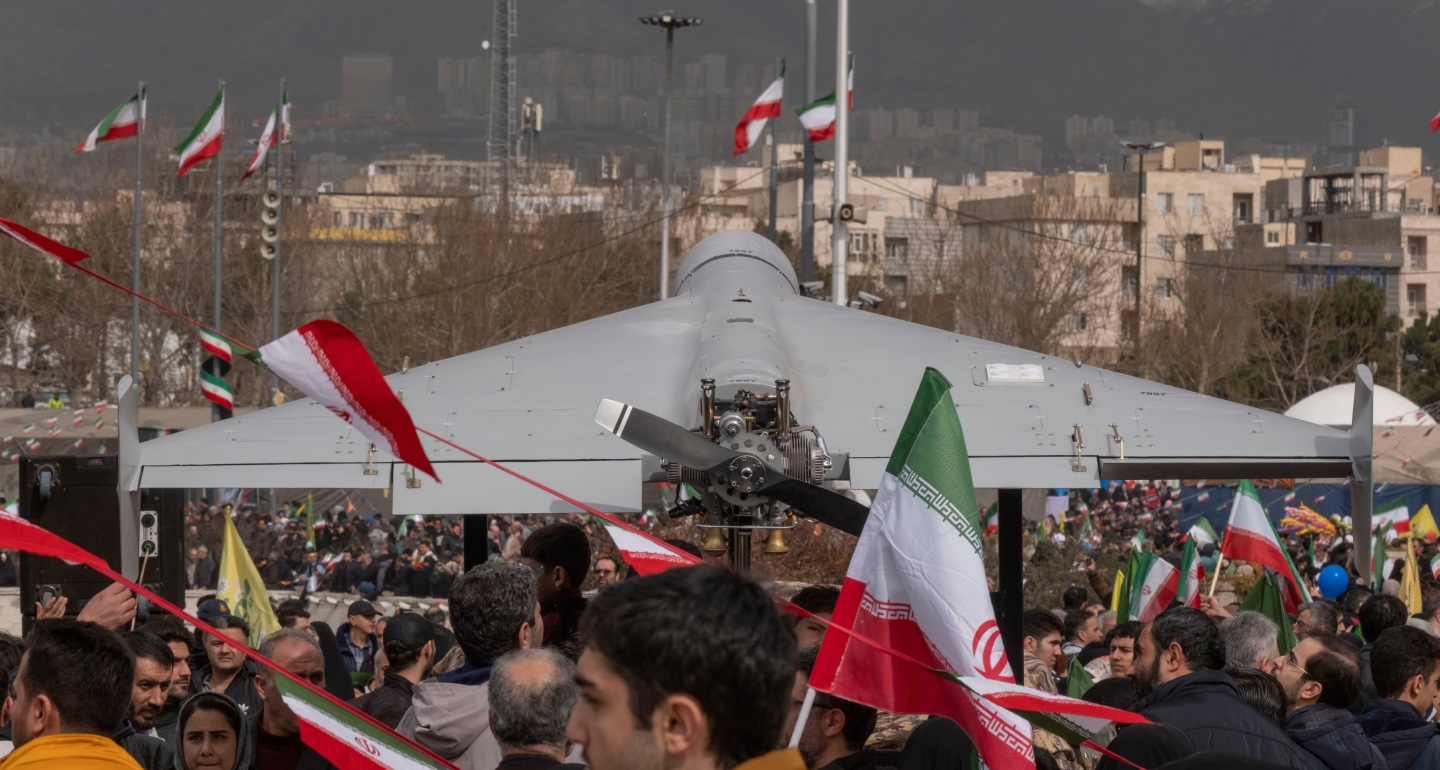
The Russian leadership wants to avoid a dangerous precedent in which it is squeezed out of Iran by the United States and Israel—and left powerless to respond in any meaningful way.
Nikita Smagin