

Article
Deborah Gordon, Stephen D. Ziman
{
  "authors": [
    "Deborah Gordon"
  ],
  "type": "legacyinthemedia",
  "centerAffiliationAll": "dc",
  "centers": [
    "Carnegie Endowment for International Peace"
  ],
  "collections": [],
  "englishNewsletterAll": "ctw",
  "nonEnglishNewsletterAll": "",
  "primaryCenter": "Carnegie Endowment for International Peace",
  "programAffiliation": "SCP",
  "programs": [
    "Sustainability, Climate, and Geopolitics"
  ],
  "projects": [
    "Carnegie Oil Initiative"
  ],
  "regions": [
    "North America",
    "United States"
  ],
  "topics": [
    "Climate Change"
  ]
}
Source: Getty
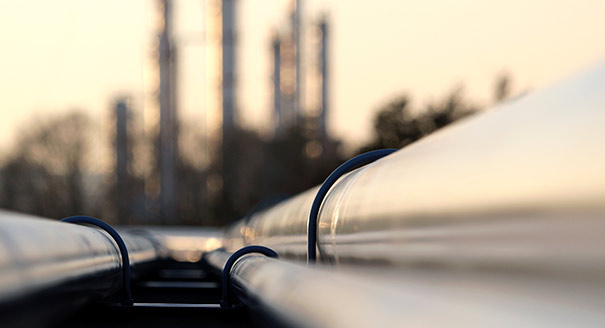
The United States has to figure out how to deal with the climate impacts of its homegrown oil revolution.
Source: Hill
President Obama’s Clean Power Plan is a significant step in the right direction to combat climate change. The coal and natural gas fueling the nation’s electricity grid have vastly different implications for a warming world than do renewables. Addressing these two fossil fuels climate footprints is an imperative.
An equally crucial third party to the climate conversation remains on hold, however. The U.S. has to figure out how to deal with the climate impacts of its homegrown oil revolution. As alternative oils advance—fracked tight oils and condensates in North Dakota and Texas, Arctic oils, Canadian oil sands flowing through U.S. refineries and pipelines, and other resources on the frontier—it is critical to fully analyze and carefully design public policies that significantly reduce their resulting greenhouse gas emissions as well.
Despite John D. Rockefeller’s successful marketing, there is no standard oil. Likewise, there is no single climate calculation that applies to all oils. In reality, precious little is known about today’s new resources, and others on the horizon. But it is clear that they have little in common with conventional oil, or with one another. The combination of dwindling conventional resources and technological advances means that unconventional hydrocarbon deposits in once-unreachable areas are now viable resources.The total climate impacts of oil resources need to be considered in a systematic way through the entire oil supply chain—upstream extraction, midstream refining, transport, and downstream end use of all petroleum products. A new tool developed by the Carnegie Endowment for International Peace with partners at Stanford University and the University of Calgary does just that. The first-of-its-kind Oil-Climate Index (OCI) compares global oils by their total estimated greenhouse gases emissions per barrel of oil.
Thirty global oils (5 percent of current global production) modeled in Phase One of the index found an 80-percent difference in the climate impact of the highest-emitting oil compared to the lowest. And this emissions’ spread between oils can be expected to grow as new, unconventional oils are identified.
Although U.S. tight oils have yet to be modeled using the OCI due to insufficient public data availability, their emissions likely vary significantly depending on how much associated gas is flared and wasted during production. As such, the climate impacts resulting from America’s tight oil boom, if they aren’t carefully managed, could rival those from other climate intensive oils, including Canada’s oil sands, California’s depleted and watery oil fields, or drilling in the Arctic’s methane-rich permafrost.
So it won’t be enough to target power plants. Oil matters if the United States and its international partners are going to stabilize the climate. The inclusion of cars into the climate plan is an important step, but focusing on gasoline may not make a dramatic difference on its own. A large and growing greenhouse gas footprint can already be attributed to extracting and refining alternative oils, as well as burning bottom-of-the-barrel co-products like petroleum coke.
Obama is in a position to be able to leverage his historic fuel economy standards as a force multiplier. Imagine a future where American cars and trucks go twice as far on a gallon of motor fuel that is made from oils that are half as climate intensive. Putting dirty oils in more fuel-efficient cars, on the other hand, is not the route forward. Focusing on both oil and vehicles offers a significant boon for the climate.
Moreover, the information underpinning the OCI tool enhances transparency through the oil supply chain, allowing market actors and policymakers to better navigate this unpredictable sector. The index can also help calibrate an effective carbon tax, equitably parsing emissions among those who are actually responsible for them—producers, refiners, shippers, and consumers.
All eyes are on America. The oil sector’s transformation has begun a critical global conversation that the world’s oil exporting and importing nations need to have at the upcoming UN climate change conference in Paris at the end of the year. The nation must address its oil-climate responsibilities head on. Open source, consistent, and verifiable data on a greater volume and variety of global oil resources is called for. It’s time to talk about the third fossil fuel in order to fully protect the climate.

Former Director and Senior Fellow, Energy and Climate Program
Gordon was director of Carnegie’s Energy and Climate Program, where her research focuses on oil and climate change issues in North America and globally.
Recent Work
Deborah Gordon, Stephen D. Ziman
Deborah Gordon, Smriti Kumble, David Livingston
Carnegie does not take institutional positions on public policy issues; the views represented herein are those of the author(s) and do not necessarily reflect the views of Carnegie, its staff, or its trustees.

When faced with fuel shortages in the past, Central Asian governments could always count on additional supplies from Moscow. That safety net no longer exists.

Galiya Ibragimova
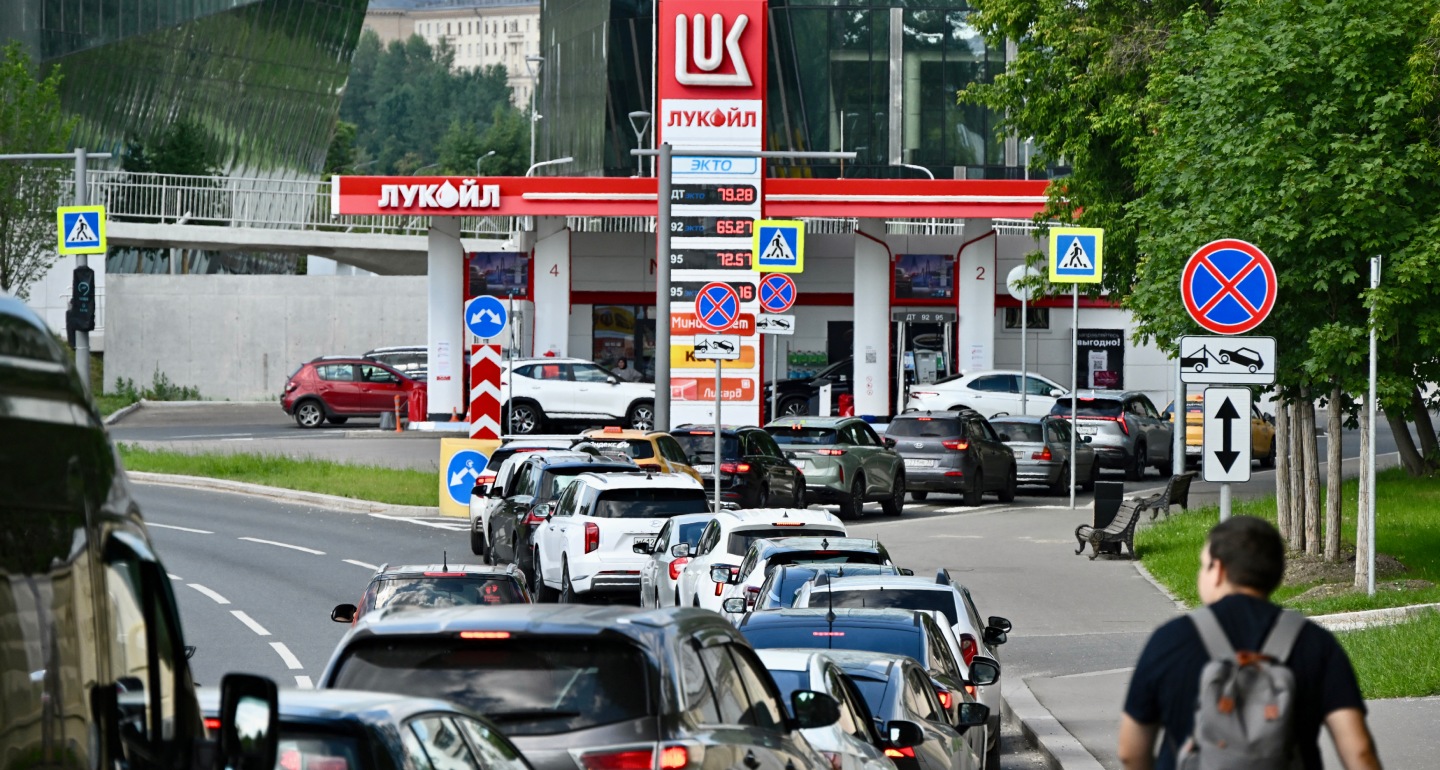
Official discussions about mini oil refineries are unlikely to come to anything—but the mere fact they’re happening reveals the regime is failing to deliver a functioning economy.

Sergey Vakulenko

Ongoing uncertainty in the Middle East allows Moscow to both increase its influence in Tehran and continue to enjoy the financial windfall of higher oil prices.

Nikita Smagin

Governments in Estonia, Latvia, and Lithuania want to ensure that a U.S. military withdrawal would not leave them dangerously exposed to a Russian attack.

Sergejs Potapkins
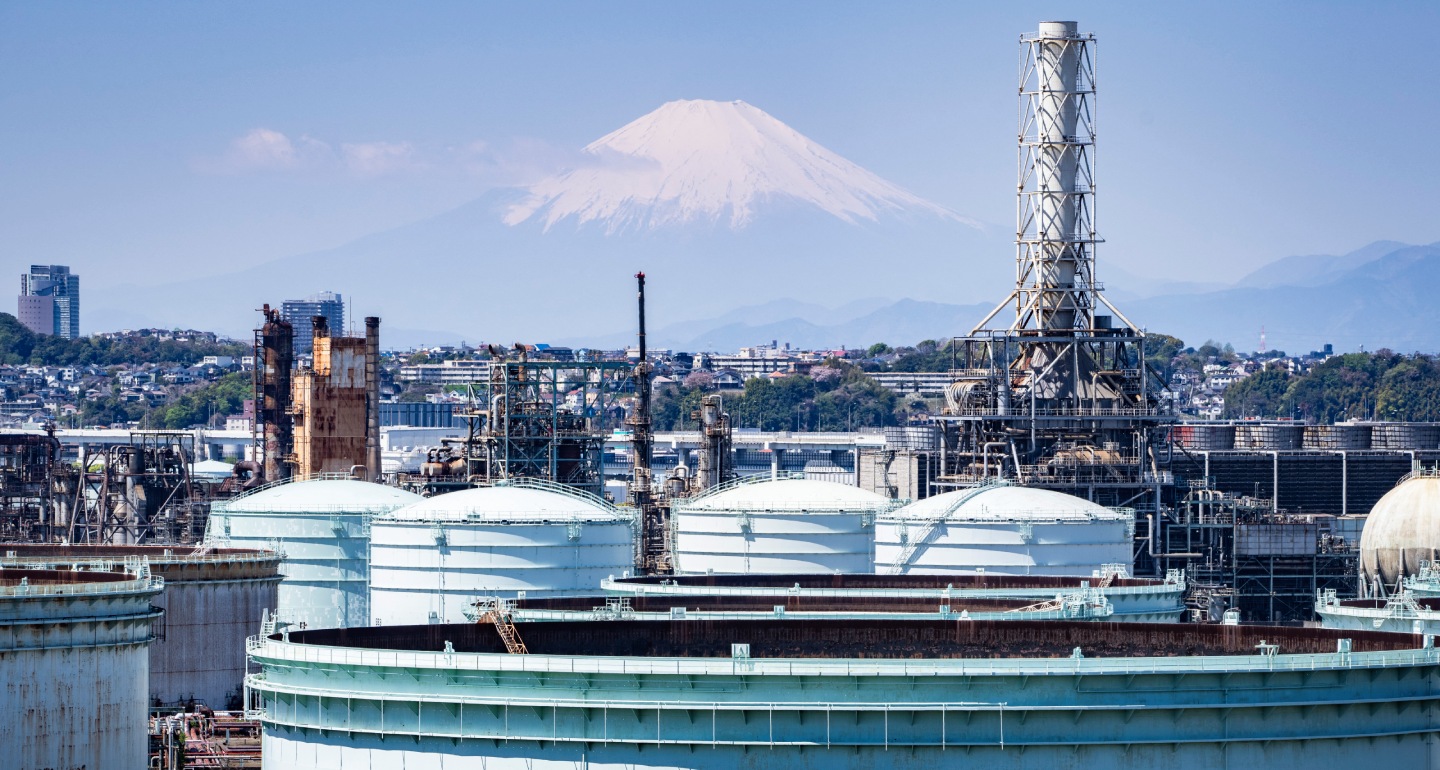
Tokyo would have to surmount a lot of obstacles—not least Western sanctions—if it wanted to return Russian oil imports to even modest pre-2022 volumes.

Vladislav Pashchenko