

Paper
Douglas H. Paal
{
  "authors": [
    "Douglas H. Paal"
  ],
  "type": "legacyinthemedia",
  "centerAffiliationAll": "dc",
  "centers": [
    "Carnegie Endowment for International Peace"
  ],
  "collections": [],
  "englishNewsletterAll": "asia",
  "nonEnglishNewsletterAll": "",
  "primaryCenter": "Carnegie Endowment for International Peace",
  "programAffiliation": "AP",
  "programs": [
    "Asia"
  ],
  "projects": [],
  "regions": [
    "North America",
    "United States",
    "East Asia",
    "China"
  ],
  "topics": [
    "Foreign Policy"
  ]
}
Source: Getty
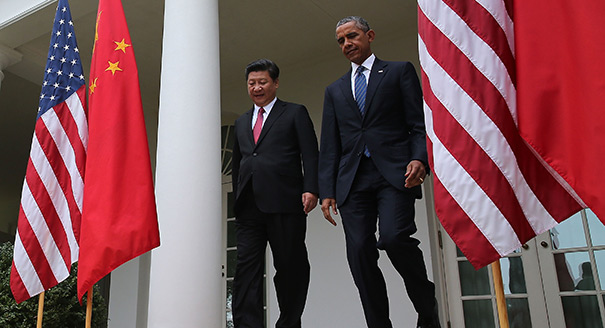
During his visit to the United States, President Xi conveyed to Chinese audiences that he could handle China’s most important bilateral relationship and reassured U.S. counterparts that Beijing understands contentious issues and will not ignore them.
Source: CCTV
Speaking on CCTV’s Closer to China with R.L. Kuhn, Carnegie’s Douglas H. Paal discussed the outcomes of Chinese president Xi Jinping’s visit to the United States. Paal said that Xi conveyed to Chinese audiences that he could handle China’s most important bilateral relationship and reassured U.S. counterparts that Beijing understands contentious issues and will not ignore them. In addition, Xi’s time in Seattle was aimed at mending China’s ties with the U.S. business community, where support for China had been eroding. Paal called the agreement on cybersecurity the Xi-Obama summit’s core achievement but stressed that the U.S. and China have not agreed on China’s definition of “a new type of major power relationship,” which includes respect for self-identified “core interests.”
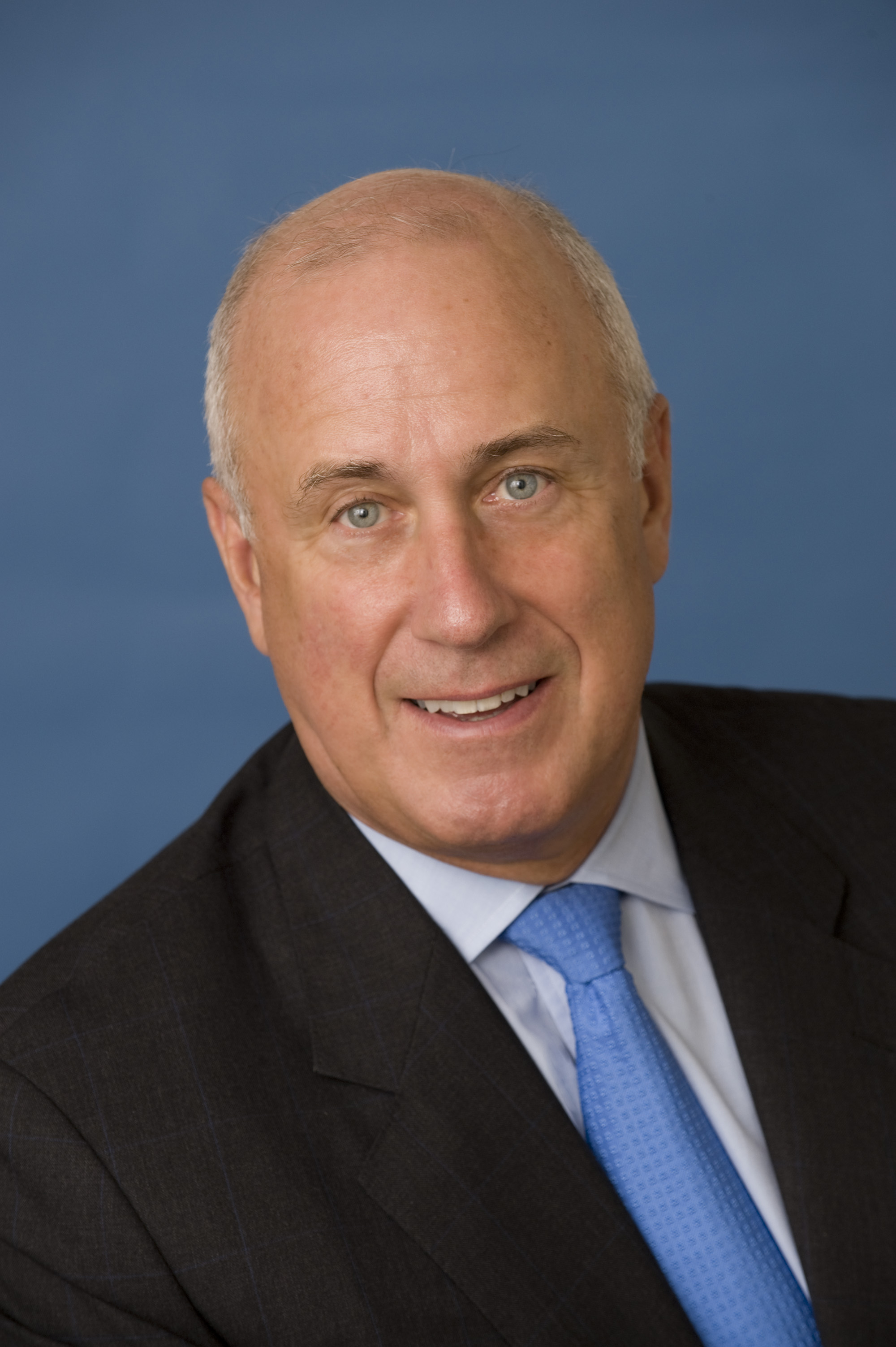
Distinguished Fellow, Asia Program
Paal previously served as vice chairman of JPMorgan Chase International and as unofficial U.S. representative to Taiwan as director of the American Institute in Taiwan.
Recent Work
Douglas H. Paal

Douglas H. Paal, Tong Zhao, Chen Qi, …
Carnegie does not take institutional positions on public policy issues; the views represented herein are those of the author(s) and do not necessarily reflect the views of Carnegie, its staff, or its trustees.

Trump has promised Belarus a massive potash deal. But Minsk is seeking something greater: restored Western transit and greater room for maneuver from Russia.

Balázs Jarábik

Minsk clearly expected the dialogue with Washington to yield more results, in particular the lifting of EU sanctions and permission to export potash.

Artyom Shraibman

With the growth in points of friction between the great powers, organizations like the SCO will continue to play a role in the strategic adaptation of the smaller powers caught between them.

Temur Umarov

When faced with fuel shortages in the past, Central Asian governments could always count on additional supplies from Moscow. That safety net no longer exists.

Galiya Ibragimova

Despite unhappiness on the ground, Moscow is determined to use both carrot and stick to ensure there is record support for United Russia in occupied Ukraine.

Konstantin Skorkin