

Commentary
Sarah Chayes
{
  "authors": [
    "Sarah Chayes"
  ],
  "type": "legacyinthemedia",
  "centerAffiliationAll": "dc",
  "centers": [
    "Carnegie Endowment for International Peace"
  ],
  "collections": [
    "Anti-Corruption"
  ],
  "englishNewsletterAll": "democracy",
  "nonEnglishNewsletterAll": "",
  "primaryCenter": "Carnegie Endowment for International Peace",
  "programAffiliation": "DCG",
  "programs": [
    "Democracy, Conflict, and Governance"
  ],
  "projects": [],
  "regions": [],
  "topics": [
    "Democracy",
    "Security",
    "Foreign Policy"
  ]
}
Source: Getty
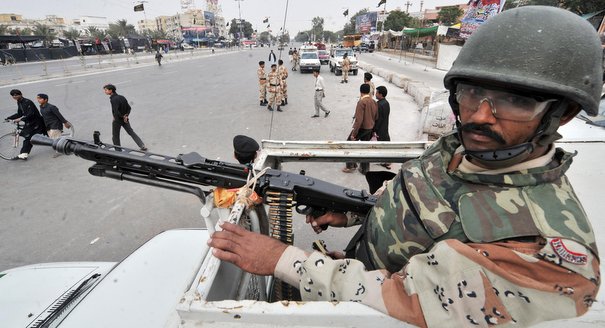
Corrupt countries function not as states that are failing but as criminal networks that are succeeding.
Source: Interlochen Public Radio
Countries afflicted by pervasive corruption function not as states that are failing, but as criminal networks that are succeeding, argued Sarah Chayes. Speaking on Interlochen Public Radio as part of the National Writers Series, Chayes spoke about her experiences living in Afghanistan for nearly a decade, growing up in a policy-oriented family, and her recent book Thieves of State: Why Corruption Threatens Global Security.
This interview was originally broadcast on Interlochen Public Radio.
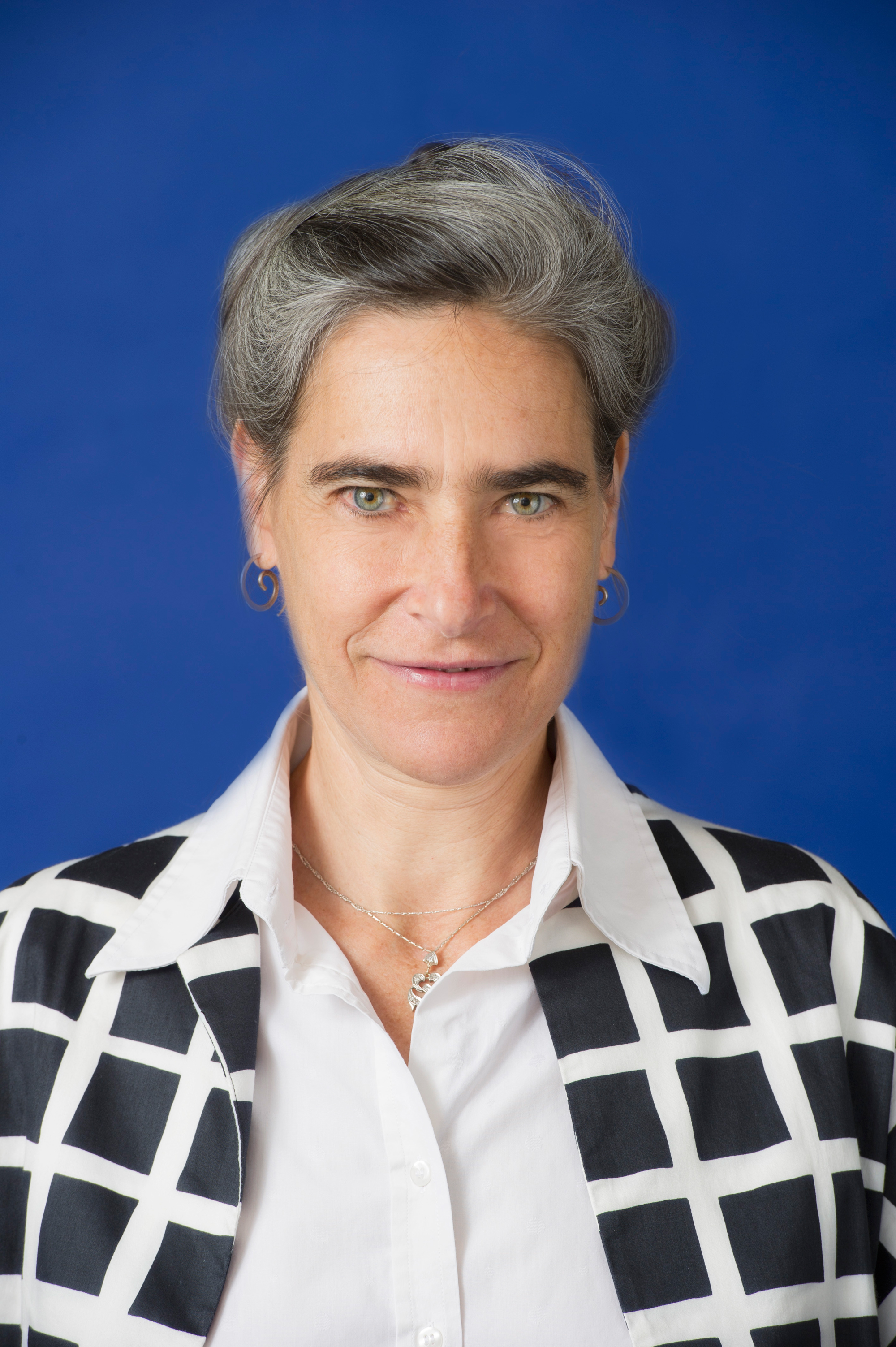
Former Senior Fellow, Democracy, Conflict, and Governance Program
Sarah Chayes is internationally recognized for her innovative thinking on corruption and its implications. Her work explores how severe corruption can help prompt such crises as terrorism, revolutions and their violent aftermaths, and environmental degradation.
Recent Work
Sarah Chayes
Carnegie does not take institutional positions on public policy issues; the views represented herein are those of the author(s) and do not necessarily reflect the views of Carnegie, its staff, or its trustees.

Japan’s long-term security policy is driven by concerns about China, and there is little appetite for (or interest in) pursuing a confrontation with Moscow.

James D.J. Brown

The truth of the strategic situation is that Europe and Russia are extremely unlikely to be able to “turn the page” on their confrontation within the next two decades.

Arkady Moshes

Russia’s AI-driven propaganda campaigns operate in a fragmented, chaotic, and often illogical manner. That’s not necessarily a problem for the Kremlin, though: It’s much easier to mimic genuine public debate that way.

Ilya Klishin

Without a ceasefire with Ukraine on attacking each other’s energy infrastructure—to which the Kremlin is unlikely to agree—the diesel agreement between Putin and Trump is largely for show, rather than representing a genuine increase in the volumes of Russian diesel on the global market.

Sergey Vakulenko

Russian strikes are weakening the economy sustaining Ukraine’s war effort. Closing the growing funding gap will require more European support and politically contentious reforms in Kyiv.

Balázs Jarábik