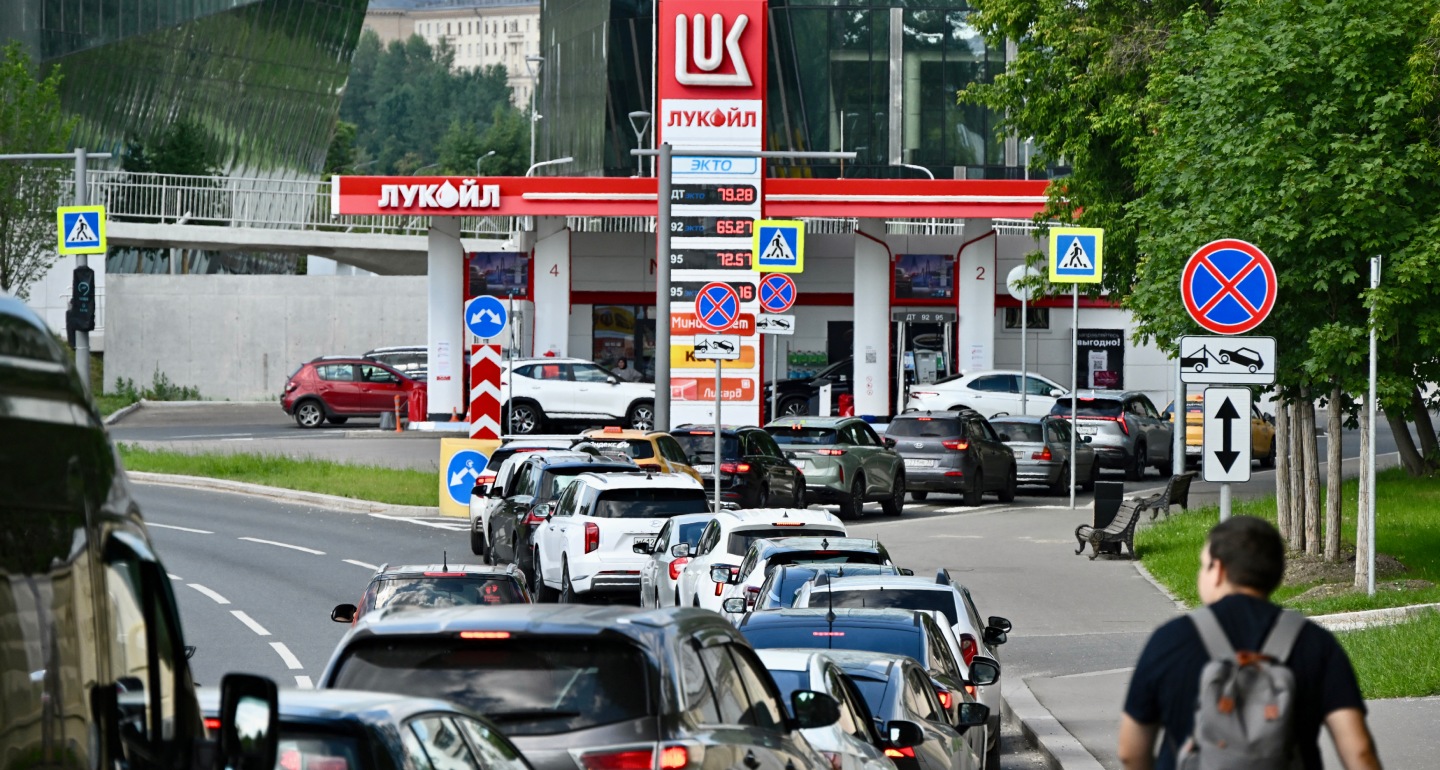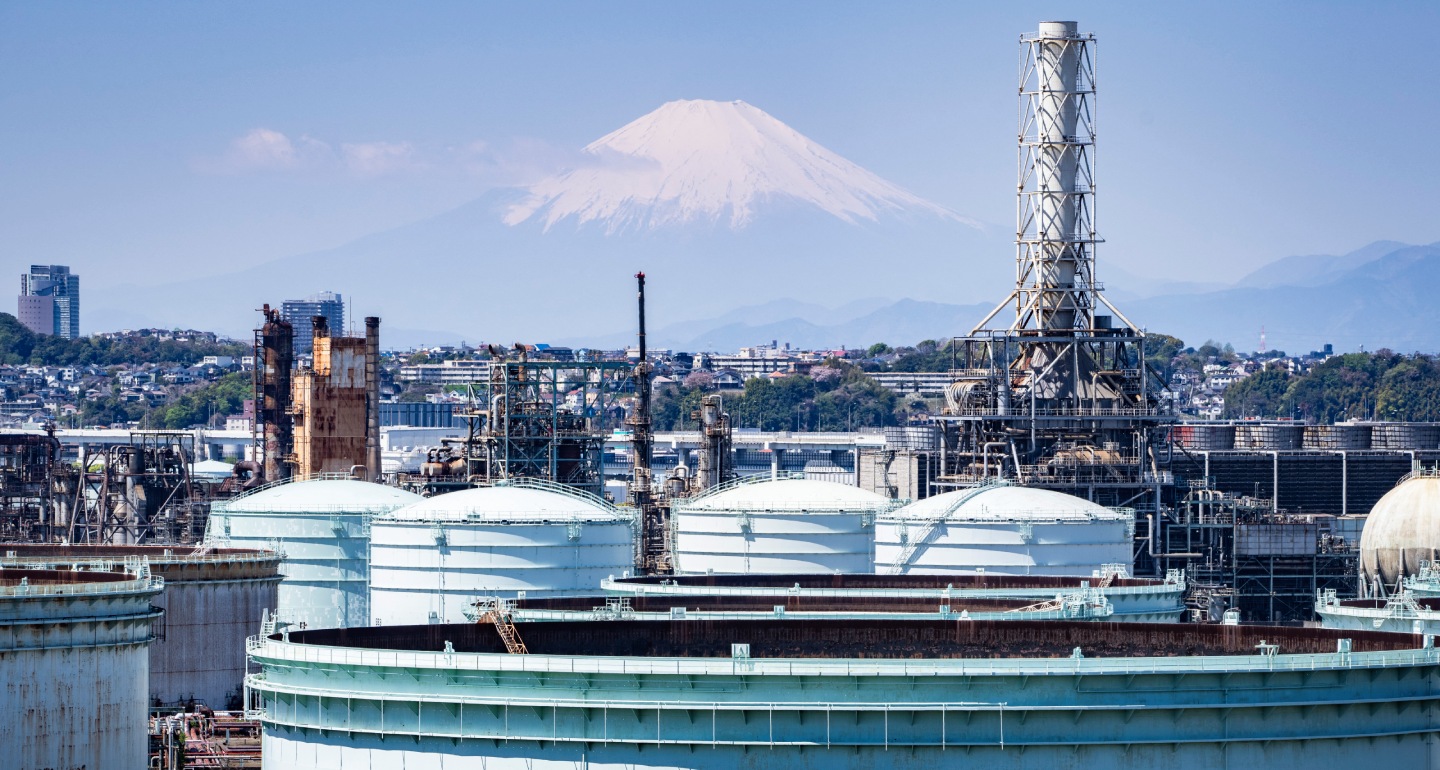

Tokyo would have to surmount a lot of obstacles—not least Western sanctions—if it wanted to return Russian oil imports to even modest pre-2022 volumes.
Vladislav Pashchenko
{
"authors": [
"David Livingston",
"Peter Hughes"
],
"type": "other",
"centerAffiliationAll": "dc",
"centers": [
"Carnegie Endowment for International Peace"
],
"collections": [],
"englishNewsletterAll": "ctw",
"nonEnglishNewsletterAll": "",
"primaryCenter": "Carnegie Endowment for International Peace",
"programAffiliation": "SCP",
"programs": [
"Sustainability, Climate, and Geopolitics"
],
"projects": [],
"regions": [
"North America"
],
"topics": [
"Climate Change"
]
}Source: Getty
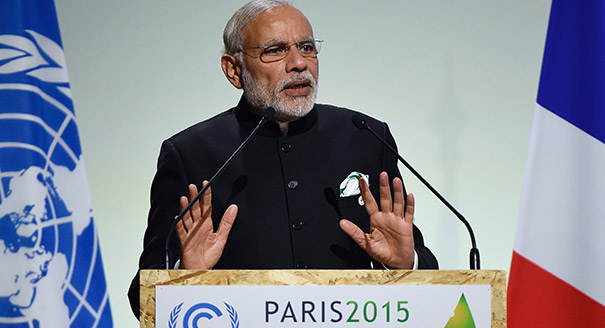
What are the implications of the COP21 outcomes for corporate stakeholders?
Source: Institute for Corporate Responsibility and Sustainability
At the 2015 United Nations Climate Conference in Paris, world leaders, UN agencies, NGOs, and intergovernmental organisations gathered with the aim of achieving a legally binding and universal agreement on climate and a goal of keeping global warming below the threshold of 2°C.
This webinar will explore the outcomes of the Climate Conference, giving listeners:
This webinar was hosted by the Institute of Corporate Responsibility and Sustainability.
This webinar is behind a paywall, but please contact ICRS at stephanie.attal-juncqua@carnstone.com for free access.
Former Associate Fellow, Energy and Climate Program
Livingston was an associate fellow in Carnegie’s Energy and Climate Program, where his research focuses on emerging markets, technologies, and risks.
Peter Hughes
Pearson
Carnegie does not take institutional positions on public policy issues; the views represented herein are those of the author(s) and do not necessarily reflect the views of Carnegie, its staff, or its trustees.
Tokyo would have to surmount a lot of obstacles—not least Western sanctions—if it wanted to return Russian oil imports to even modest pre-2022 volumes.
Vladislav Pashchenko
Powerful lobbyists and inertia led to Russia’s coal-mining sector missing an excellent opportunity to solve its structural problems.
Alexey Gusev
Although Ukrainian strikes have led to a noticeable decline in the physical volume of Russian oil exports, the rise in prices has more than made up for it.
Sergey Vakulenko
Geological complexity and years of mismanagement mean the Venezuelan oil industry is not the big prize officials in Moscow and Washington appear to believe.
Sergey Vakulenko
Inflicting damage on oil infrastructure in Russia that is used by Kazakhstan and a whole series of Western oil majors risks backfiring on Kyiv.
Sergey Vakulenko