

Commentary
Yukon Huang, Isaac B. Kardon, Matt Sheehan
{
  "authors": [
    "Yukon Huang"
  ],
  "type": "legacyinthemedia",
  "centerAffiliationAll": "dc",
  "centers": [
    "Carnegie Endowment for International Peace"
  ],
  "collections": [],
  "englishNewsletterAll": "asia",
  "nonEnglishNewsletterAll": "",
  "primaryCenter": "Carnegie Endowment for International Peace",
  "programAffiliation": "AP",
  "programs": [
    "Asia"
  ],
  "projects": [],
  "regions": [
    "East Asia",
    "China"
  ],
  "topics": [
    "Economy"
  ]
}
Source: Getty
The Chinese economy is changing dramatically, as the manufacturing sector shrinks and its services, retail, financial services, health, and education start to take off.
Source: NPR’s All Things Considered
ROBERT SIEGEL, HOST:The Chinese today reported that economic growth for 2015 was 6.9 percent. That is the slowest pace of growth in 25 years.
YUKON HUANG: Next year, they're going to say it's the lowest it's been for 26 years because its slow-down is going to continue. It's a maturing, upper-income country now.SIEGEL: That's Yukon Huang of the Asia Program at the Carnegie Endowment for International Peace. He used to be the World Bank's country director for China, and he joined us to describe the major transformation that's underway in China's economy.
HUANG: The manufacturing sector is shrinking and its services, its retail, financial services, health, education, they're starting to take off.
SIEGEL: If I'm, say, a factory worker in a Chinese city, what would I be experiencing that reflects these changes?
HUANG: Well, if you go to some of the more dynamic regions in China, particularly in the south, in Guangdong Province, you have companies which formally specialize, let's say, in shoes or in textiles. They're starting to either move to cheaper centers abroad or they're relocating their factories in the interior of China where wages are much less. This creates a lot of hardships because some people are losing their jobs, some people don't want to move and this is creating social problems in the country.
SIEGEL: So a lot of Chinese workers these days would be thinking of workers in wherever - Vietnam, and thinking, their low wages are costing me my job.
HUANG: Well, I think that would be a concern, but we have to remember something quite different is going on in China in terms of the employment market. Here's a country where wages have been increasing by about 10 percent to 12 percent a year for a decade and a half. You compare that with the rest of the world where people count themselves lucky if they get a wage increase of 2 percent to 3 percent. But this is starting to change. So those which are unfortunate have to find another job. They can still find another job, but in many cases the new job doesn't pay them as much as the previous one.
SIEGEL: Well, these are the consequences of the move away from manufacturing that you're describing. What about the increase in service sector jobs? How would I, as a Chinese consumer, experience that these days?
HUANG: Well, Chinese long ago moved up from the stage where the basic concern was trying to feed themselves. They're now very large segment of whatever you would call the middle class, perhaps 250 million of them. So they're looking for more sophisticated products. And if you go to China these days, you see lots of new malls, explosion in terms of restaurants, a lot of tourist activities. Financial services is booming. Today you read about equity markets and its collapse since the headline. The actual more dominant financial activity in China is that everyone's buying via the Internet. The Amazons that we think about here the United States, multiply that two or three times and you get what's happening in the retail sector in China.
SIEGEL: And shopping via Internet there can be shopping very fast.
HUANG: Shopping can be very fast. It's very easy access. The choices are enormous. If you want to buy a shoe, if you want to buy a table, you can have it delivered in two or three hours. So this is a very dramatic change in the way the Chinese buy, and this is what's happening in terms of this financial services sector in China.
SIEGEL: Now, China over the past few decades has moved. Tens - or, hundreds of millions of people out of rural poverty into modern lives in cities. Does the slowdown in economic growth in China mean that that process will have to slow down also or that it can't continue, or can keep up at that pace?
HUANG: This is a big question in China. Twenty years ago, China was 20 percent urban. Now it's 55 percent urban. Many of these people have gone to the large cities along the coast - the Beijing, Shanghai, Shenzhen. So these cities are 20 million, 25 million. Most people would think cities of 20 million, 25 million would be actually enormous, too big. So the government's saying to its citizens, you can move to smaller cities. So this is a big predicament because the best-paying jobs, demand for workers, the high productivity activities, they all lie in these big cities. So the question for the government, question for the people is, can I free up and allow people to move wherever they want to? But if they did, these very large cities would get much larger.
SIEGEL: Yukon Huang, thank you very much for talking with us today.
HUANG: Pleasure, thank you.
SIEGEL: Yukon Huang of the Carnegie Endowment for International Peace.
This interview was originally broadcast by NPR’s All Things Considered.

Senior Fellow, Asia Program
Huang is a senior fellow in the Carnegie Asia Program where his research focuses on China’s economy and its regional and global impact.
Recent Work

Yukon Huang, Isaac B. Kardon, Matt Sheehan
Yukon Huang, Genevieve Slosberg
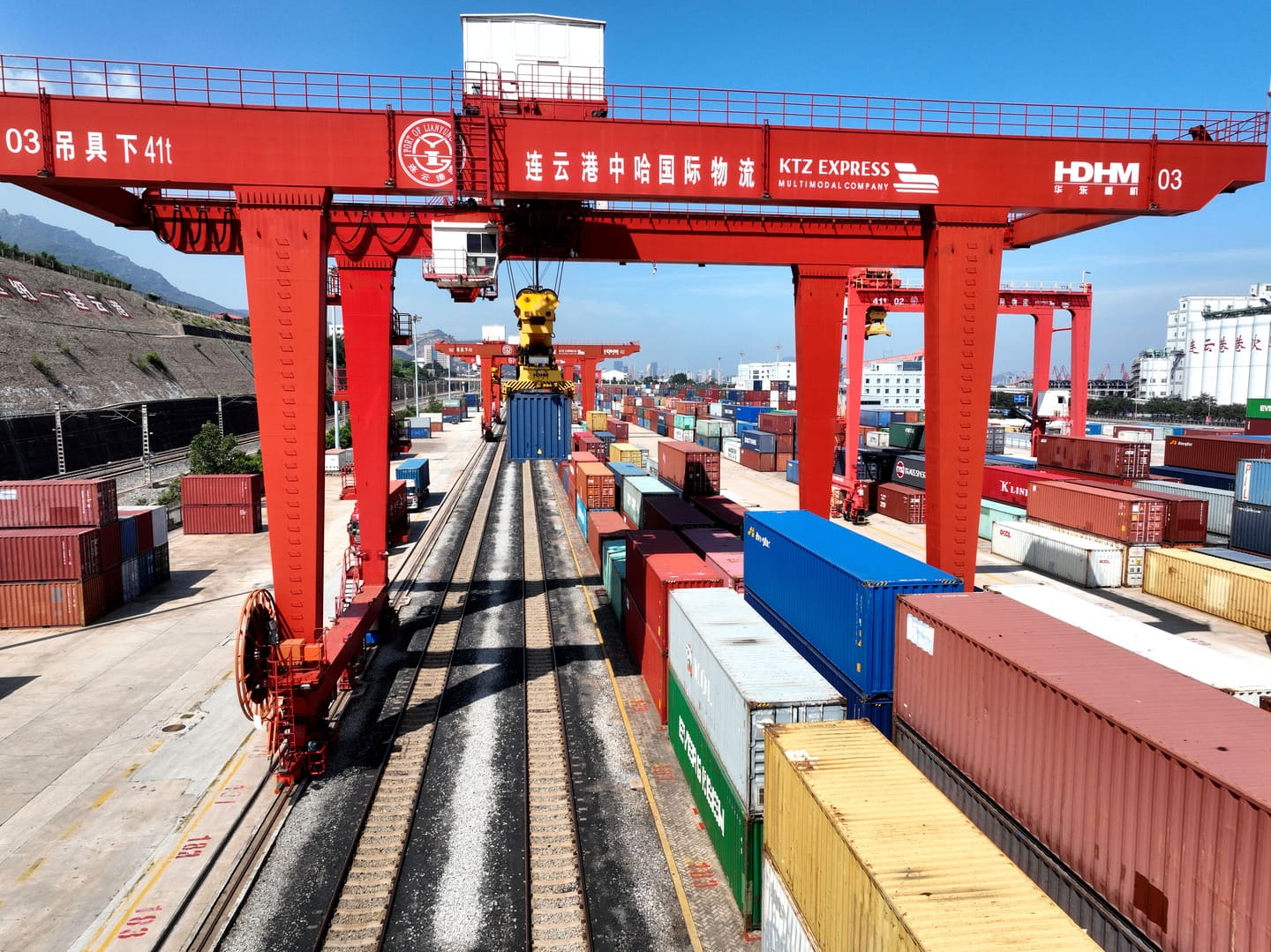
For the Middle Corridor to fulfill its promises, one of these routes must become scalable. At present, neither is.

Friedrich Conradi
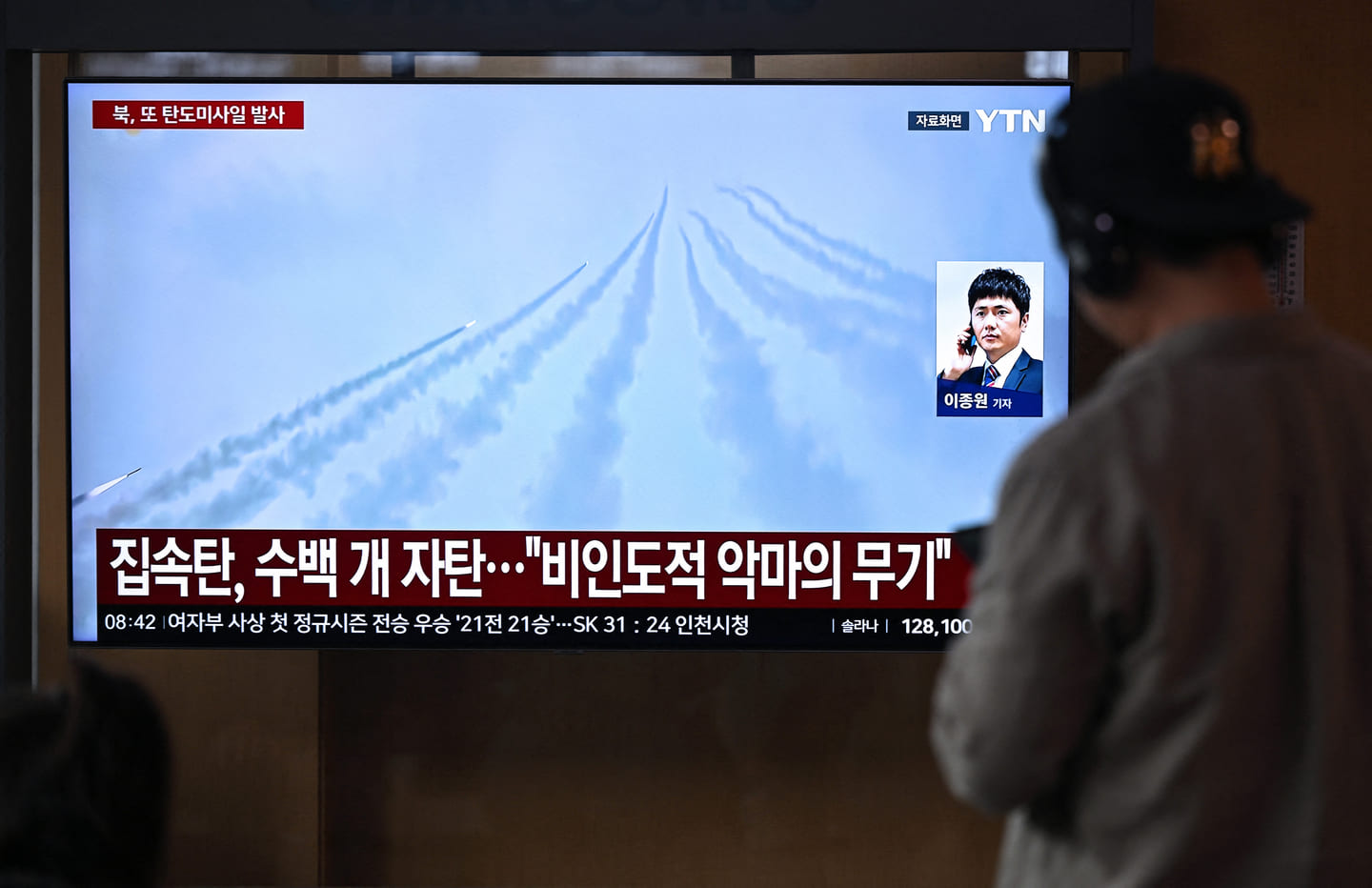
Troubled by the growing salience of nuclear debates in East Asia, Moscow has responded in its usual way: with condemnation and threats. But by exacerbating insecurity, Russia is forcing South Korea and Japan to consider radical security options.

James D.J. Brown

Powerful lobbyists and inertia led to Russia’s coal-mining sector missing an excellent opportunity to solve its structural problems.
Alexey Gusev

Most of Moscow’s military resources are tied up in Ukraine, while Beijing’s foreign policy prioritizes economic ties and avoids direct conflict.


Alexander Gabuev, Temur Umarov

The interventions in Iran and Venezuela are in keeping with Trump’s strategy of containing China, but also strengthen Russia’s position.

Mikhail Korostikov