

Commentary
Evan A. Feigenbaum
{
  "authors": [
    "Evan A. Feigenbaum"
  ],
  "type": "legacyinthemedia",
  "centerAffiliationAll": "dc",
  "centers": [
    "Carnegie Endowment for International Peace"
  ],
  "collections": [],
  "englishNewsletterAll": "asia",
  "nonEnglishNewsletterAll": "",
  "primaryCenter": "Carnegie Endowment for International Peace",
  "programAffiliation": "AP",
  "programs": [
    "Asia"
  ],
  "projects": [],
  "regions": [
    "East Asia",
    "China"
  ],
  "topics": [
    "Economy",
    "Trade"
  ]
}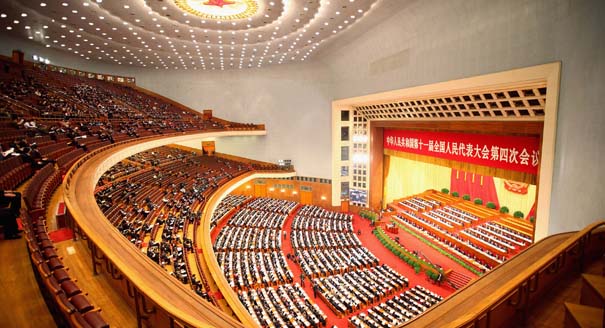
Source: Getty
Beijing must have the necessary political commitment to improve the pace, scope, and quality of economic reforms.
Source: CNBC
Speaking on CNBC, Carnegie’s Evan Feigenbaum explained that China’s reform agenda faces significant obstacles and must overcome the hurdles posed by an increasingly complex economy. The necessary reforms are highly interconnected and will require Beijing to balance sensitive political concerns against economic necessities, he concluded.

Vice President for Studies
Evan A. Feigenbaum is vice president for studies at the Carnegie Endowment for International Peace, where he oversees work at its offices in Washington, New Delhi, and Singapore on a dynamic region encompassing both East Asia and South Asia. He served twice as Deputy Assistant Secretary of State and advised two Secretaries of State and a former Treasury Secretary on Asia.
Recent Work
Evan A. Feigenbaum
Evan A. Feigenbaum
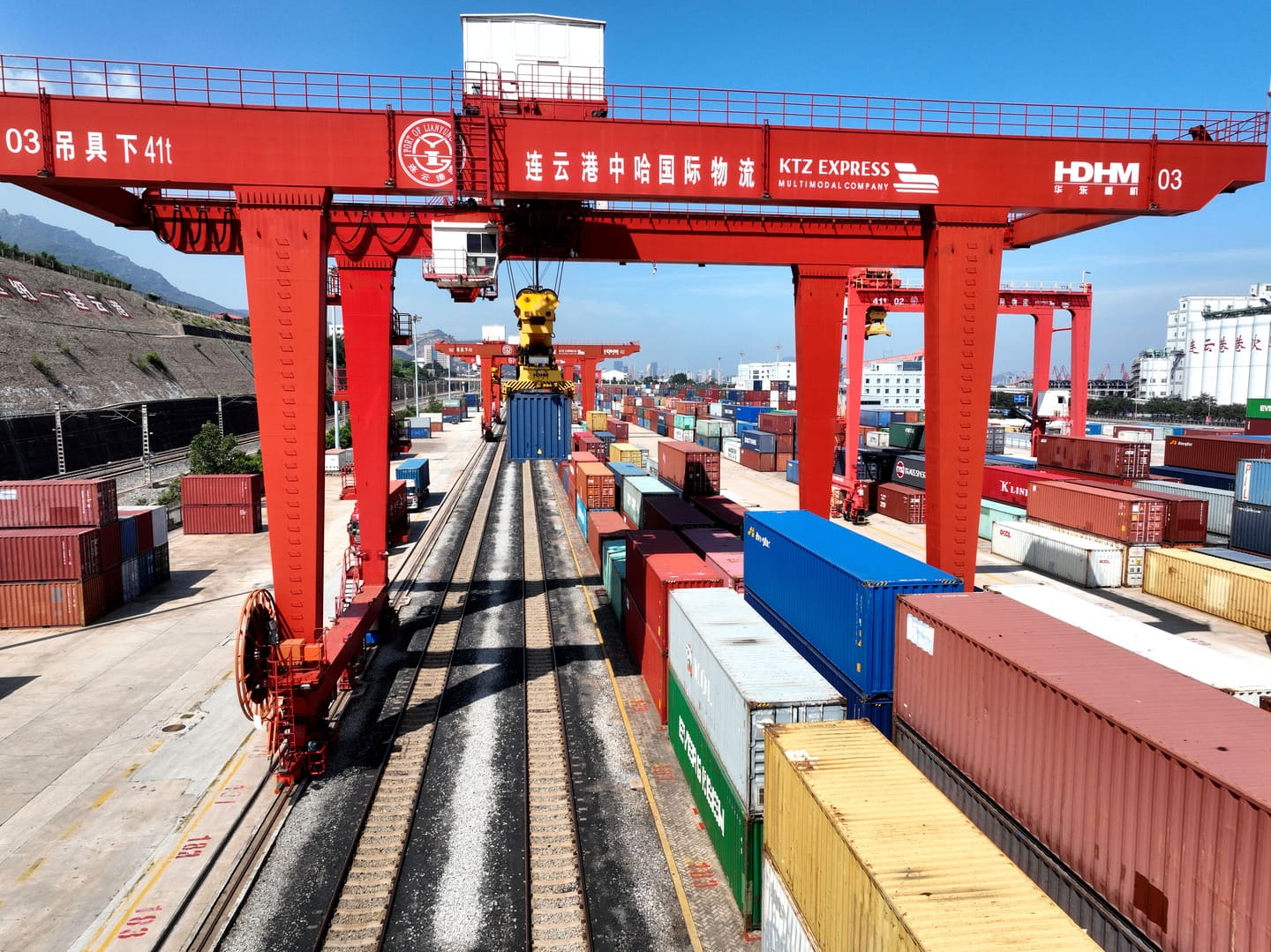
For the Middle Corridor to fulfill its promises, one of these routes must become scalable. At present, neither is.

Friedrich Conradi
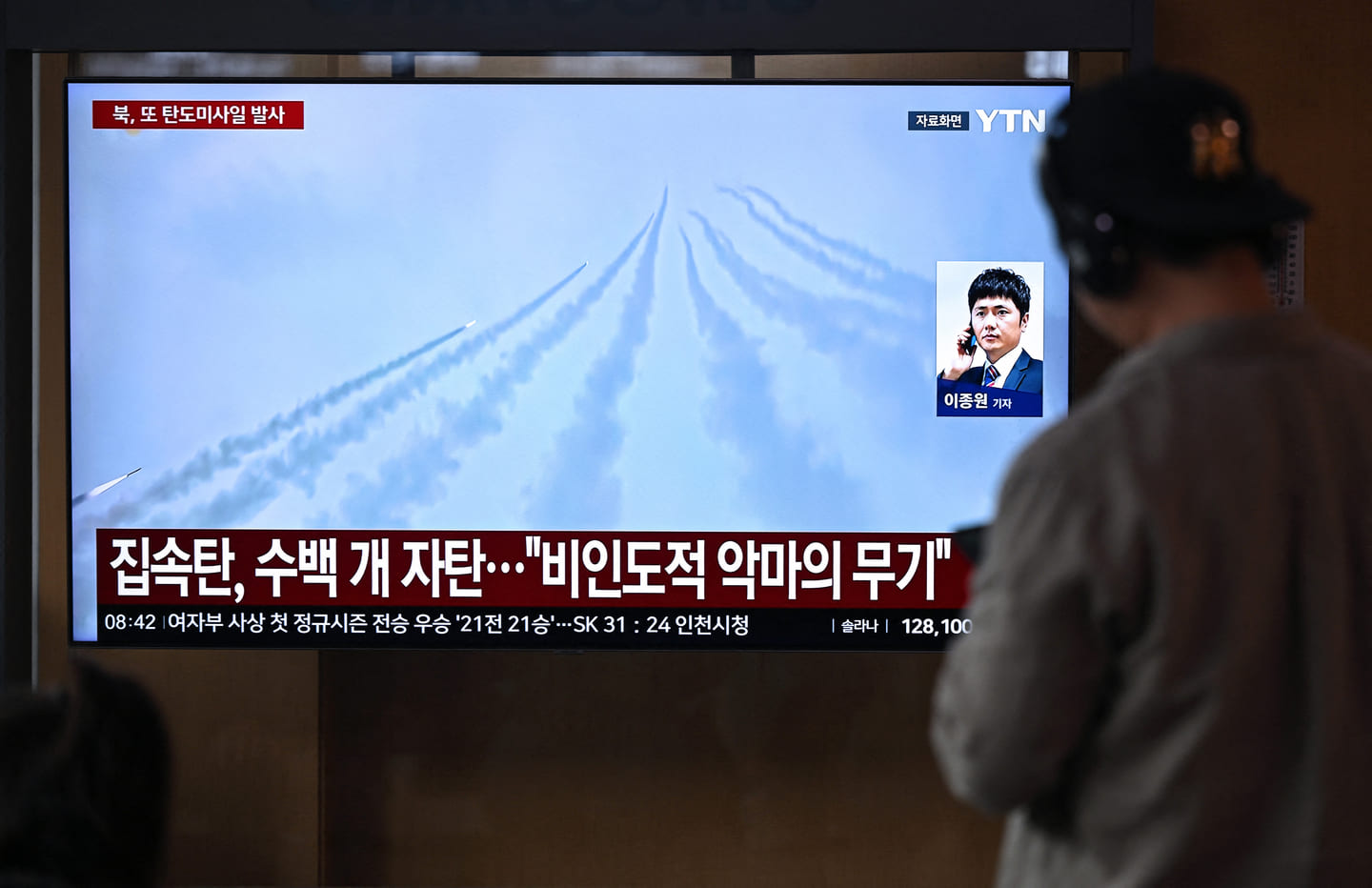
Troubled by the growing salience of nuclear debates in East Asia, Moscow has responded in its usual way: with condemnation and threats. But by exacerbating insecurity, Russia is forcing South Korea and Japan to consider radical security options.

James D.J. Brown

Powerful lobbyists and inertia led to Russia’s coal-mining sector missing an excellent opportunity to solve its structural problems.
Alexey Gusev
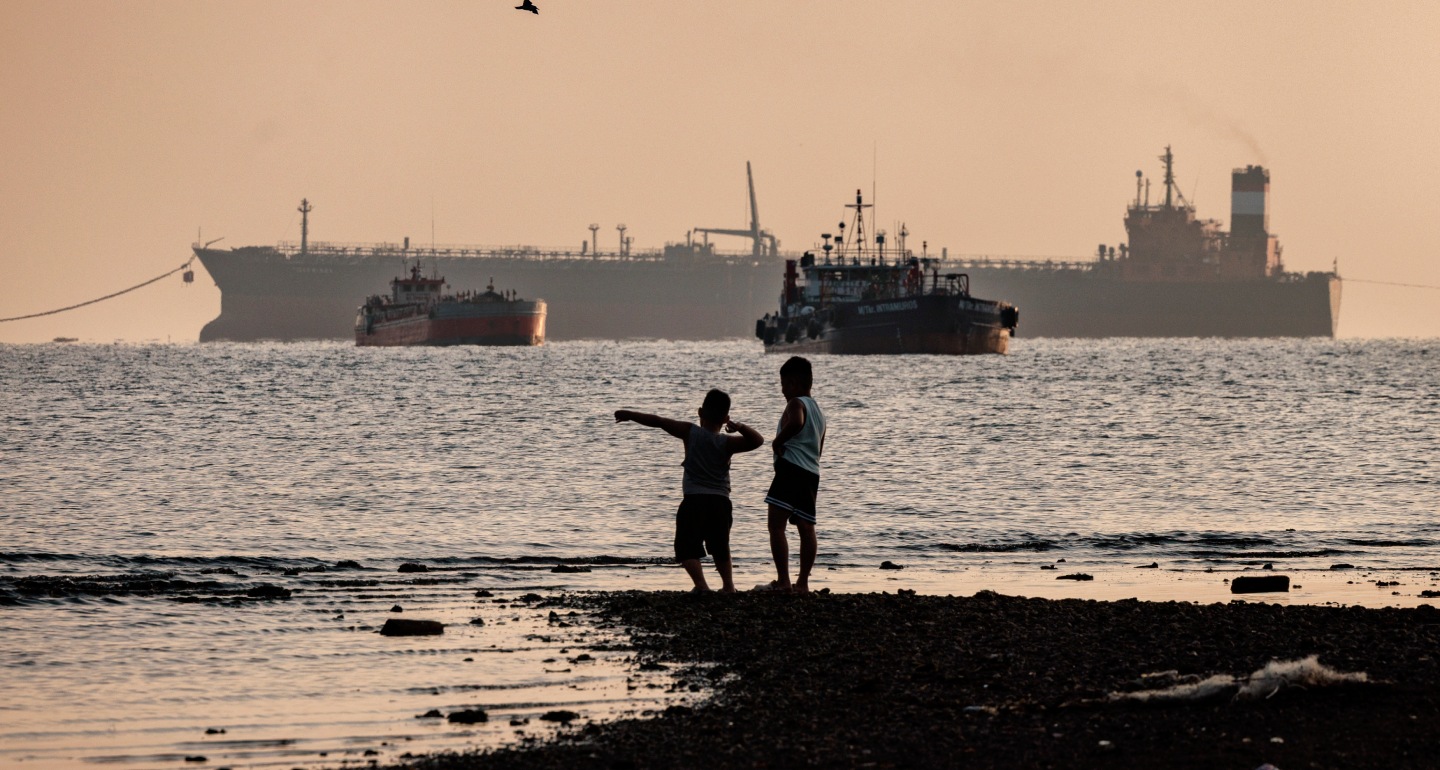
Although Ukrainian strikes have led to a noticeable decline in the physical volume of Russian oil exports, the rise in prices has more than made up for it.

Sergey Vakulenko
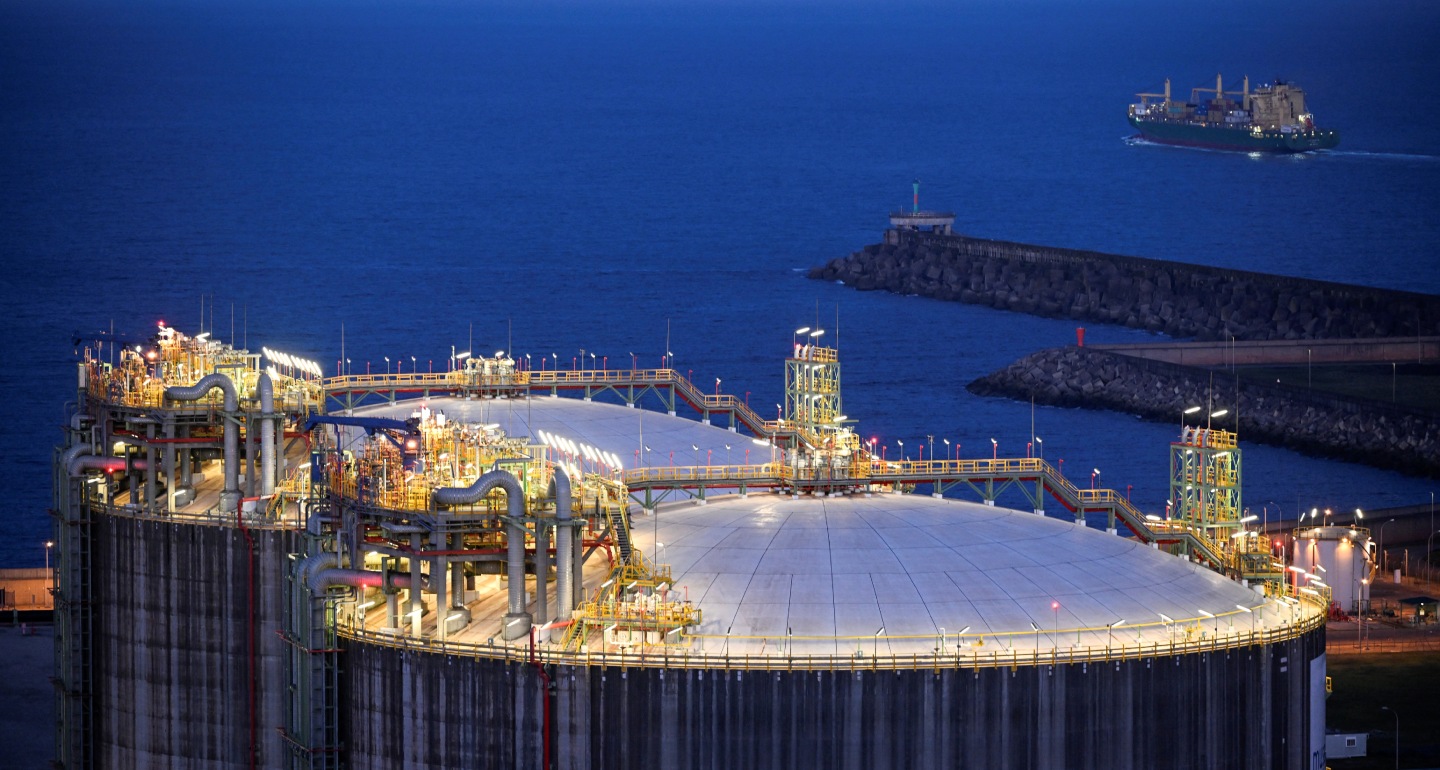
The future trajectory of the U.S.-Iran war remains uncertain, but its impact on global energy trade flows and ties will be far-reaching. Moscow is likely to become a key beneficiary of these changes; the crisis in the Gulf also strengthens Russia’s hand in its relationships with China and India, where advantages might prove more durable.
Sergey Vakulenko