

Paper
Thomas Carothers
{
  "authors": [
    "Thomas Carothers"
  ],
  "type": "other",
  "centerAffiliationAll": "dc",
  "centers": [
    "Carnegie Endowment for International Peace"
  ],
  "collections": [
    "Democracy and Governance"
  ],
  "englishNewsletterAll": "democracy",
  "nonEnglishNewsletterAll": "",
  "primaryCenter": "Carnegie Endowment for International Peace",
  "programAffiliation": "DCG",
  "programs": [
    "Democracy, Conflict, and Governance"
  ],
  "projects": [],
  "regions": [
    "North America",
    "United States",
    "Southern, Eastern, and Western Africa",
    "Eastern Europe"
  ],
  "topics": [
    "Political Reform",
    "Democracy",
    "Foreign Policy"
  ]
}
Source: Getty
While the global state of democracy appears worse off than in recent years, there have emerged numerous positive cases of democratic consolidation that are underappreciated.
Source: Margaret Vogt Memorial Lecture Series, United Nations Democracy Fund
On May 5 in New York, Thomas Carothers gave the inaugural lecture in a new lecture series on democracy at the United Nations in honor of Margaret Vogt, the late Special Representative of the Secretary-General to the Central African Republic. He spoke about "Democracy’s Uncertain State.”
He highlighted UNDEF's role in addressing these challenges: "The United Nations role in international democracy support is much wider, much broader and much more important than many observers of this community realize... We have the United Nations Democracy Fund, which when it was started a little more than 10 years ago, many people had questions about, but has proven itself to be effective, respected and legitimate in parts of the world where it's very difficult for others to operate."

Harvey V. Fineberg Chair for Democracy Studies; Director, Democracy, Conflict, and Governance Program
Thomas Carothers, director of the Carnegie Endowment for International Peace’s Democracy, Conflict, and Governance Program, is a leading expert on comparative democratization and international support for democracy.
Recent Work
Thomas Carothers

Richard Youngs, Thomas Carothers
Carnegie does not take institutional positions on public policy issues; the views represented herein are those of the author(s) and do not necessarily reflect the views of Carnegie, its staff, or its trustees.
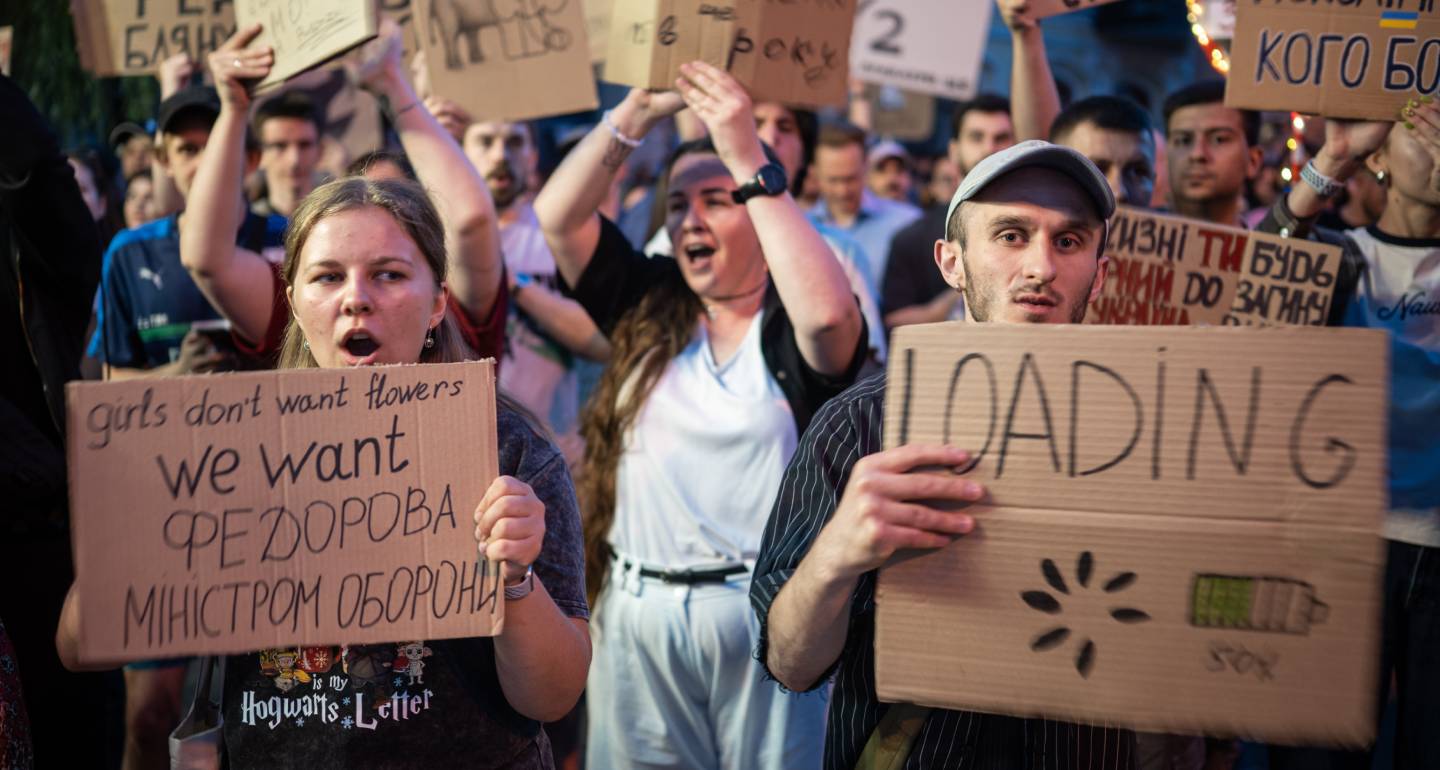
With his public call for new elections in Ukraine, ex-defense minister Mykhailo Fedorov has opened Pandora’s box.

Konstantin Skorkin
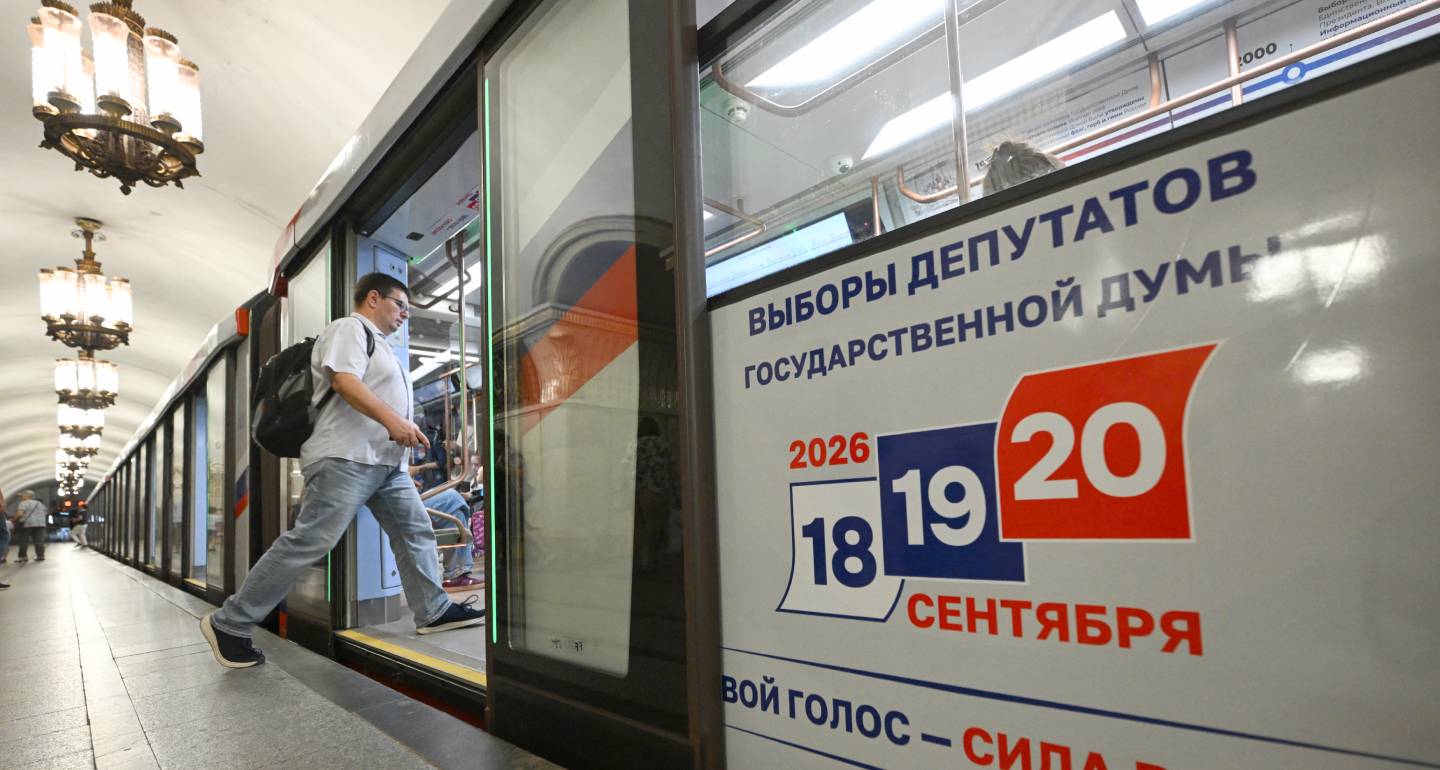
In the discussions made possible by the State Duma election campaign, one question is being asked more and more loudly. “What next?”

Andrey Pertsev

When faced with fuel shortages in the past, Central Asian governments could always count on additional supplies from Moscow. That safety net no longer exists.

Galiya Ibragimova

Two divergent trends—Putin’s hardline vision of how to prosecute the war in Ukraine, and a growing desire for change in Russia—could tear the regime apart.

Tatiana Stanovaya
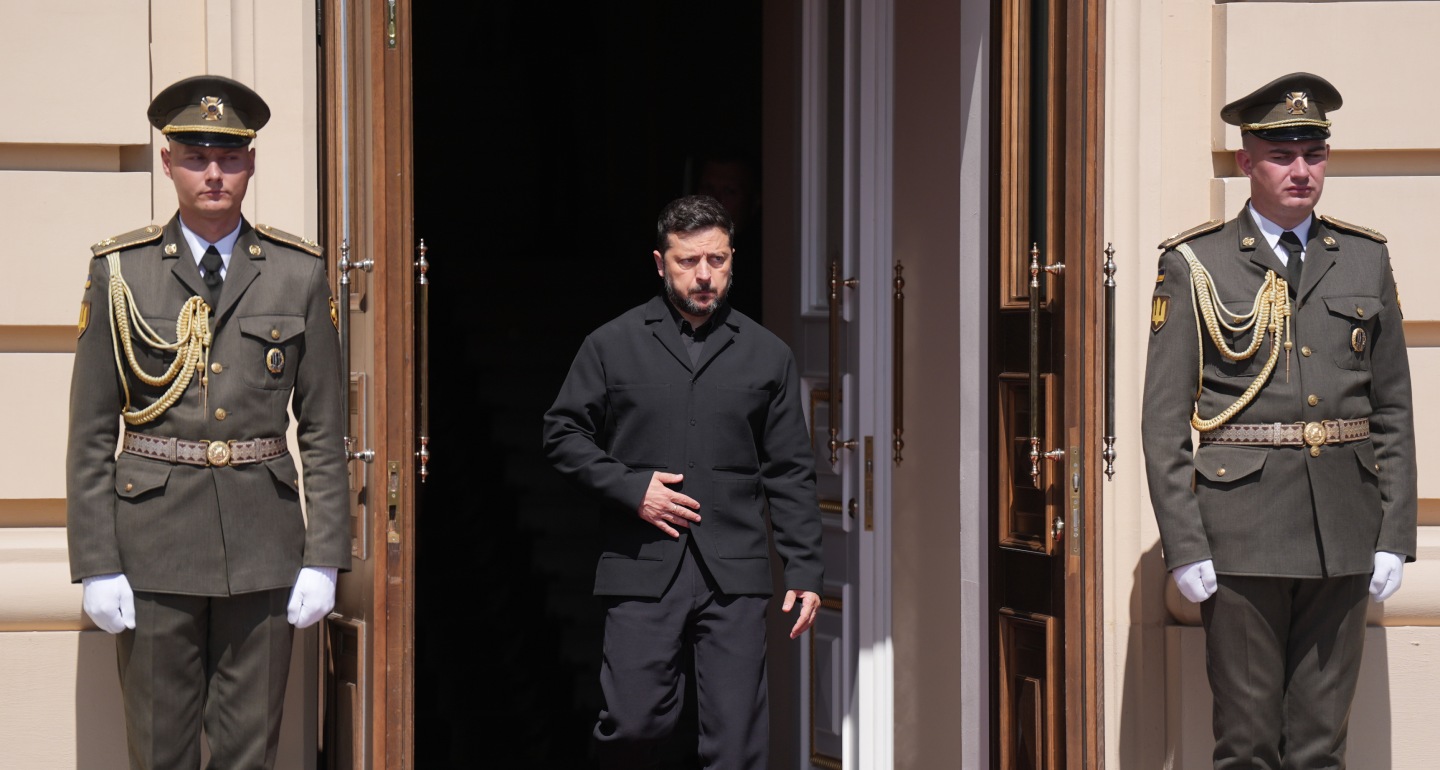
Ultimately, Zelensky sided neither with the reform camp nor with the military establishment as such, but with political control.

Balázs Jarábik