

Commentary
The truth is that Japan’s government is seeking a degree of reengagement but at a vastly reduced level than under Abe. Most significantly, Japan has shown no willingness to ease sanctions.
James D.J. Brown
{
  "authors": [
    "Cory McKenzie",
    "William Ossoff"
  ],
  "type": "legacyinthemedia",
  "centerAffiliationAll": "dc",
  "centers": [
    "Carnegie Endowment for International Peace"
  ],
  "collections": [
    "Iranian Proliferation",
    "The United States and Japan in Asia"
  ],
  "englishNewsletterAll": "asia",
  "nonEnglishNewsletterAll": "",
  "primaryCenter": "Carnegie Endowment for International Peace",
  "programAffiliation": "AP",
  "programs": [
    "Asia",
    "Nuclear Policy"
  ],
  "projects": [],
  "regions": [
    "East Asia",
    "Japan"
  ],
  "topics": [
    "Nuclear Policy"
  ]
}
Source: Getty
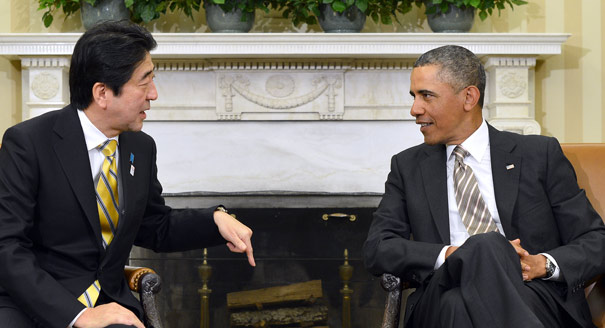
While Japan is not a party to the Iran nuclear deal, it played an important role in its conclusion and could prove influential in its implementation.
Source: Diplomat
While Japan is not a party to the Joint Comprehensive Plan of Action (JCPOA), popularly known as “the Iran nuclear deal,” it played an important role in the conclusion of this international agreement and could be influential in its implementation. The global sanctions regime that helped drive Iran to the negotiating table depended upon the participation of major economic players like Japan. In concert with its U.S. ally and the rest of the international community, Japan endured economic costs in pursuit of shared nuclear nonproliferation principles and broader national interests. The JCPOA is an underappreciated example of cooperation between the United States and Japan on this front.
However, as the one-year anniversary of the JCPOA approaches in July, U.S. and Japanese interests are showing signs of divergence. Japan is expanding investment in Iran’s energy sector while the United States remains at odds with Iran over non-nuclear issues. How will Japan’s deepening economic partnership with Iran impact international nonproliferation efforts and the U.S.-Japan Alliance?...
Cory McKenzie
Former Junior Fellow, Asia Program
William Ossoff
Former Junior Fellow, Nuclear Policy Program
Carnegie does not take institutional positions on public policy issues; the views represented herein are those of the author(s) and do not necessarily reflect the views of Carnegie, its staff, or its trustees.
The truth is that Japan’s government is seeking a degree of reengagement but at a vastly reduced level than under Abe. Most significantly, Japan has shown no willingness to ease sanctions.

James D.J. Brown
Tokyo would have to surmount a lot of obstacles—not least Western sanctions—if it wanted to return Russian oil imports to even modest pre-2022 volumes.

Vladislav Pashchenko
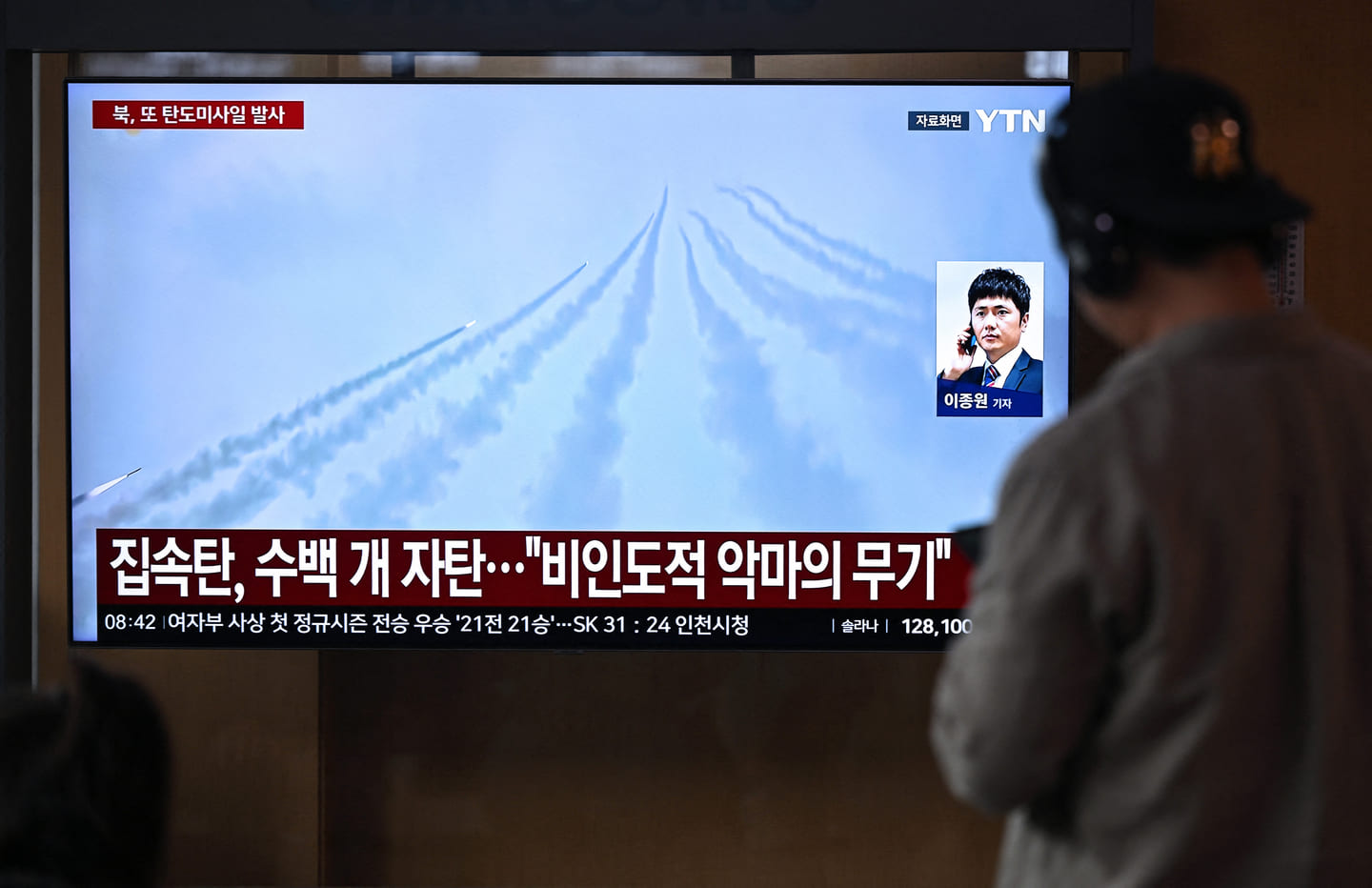
Troubled by the growing salience of nuclear debates in East Asia, Moscow has responded in its usual way: with condemnation and threats. But by exacerbating insecurity, Russia is forcing South Korea and Japan to consider radical security options.
James D.J. Brown
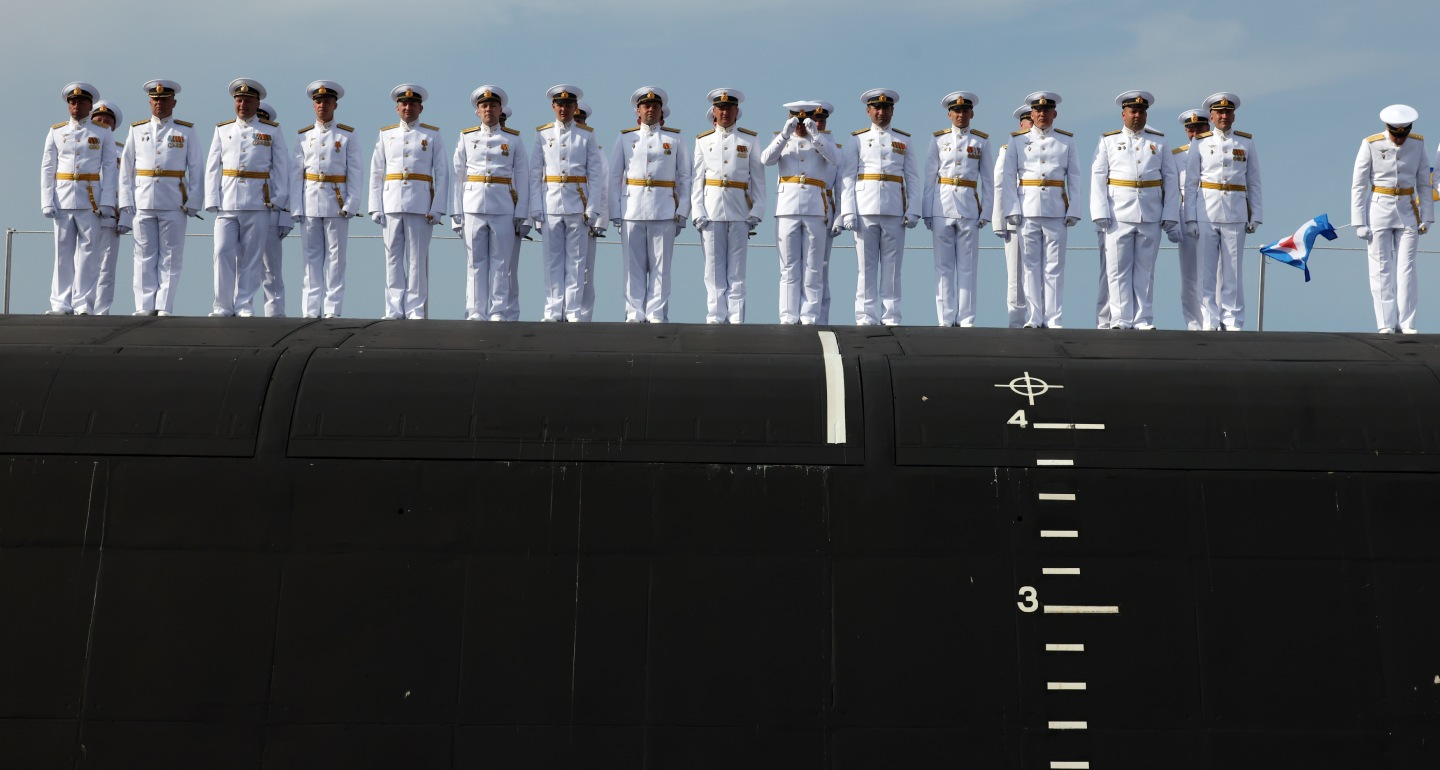
For Putin, upgrading Russia’s nuclear forces was a secondary goal. The main aim was to gain an advantage over the West, including by strengthening the nuclear threat on all fronts. That made growth in missile arsenals and a new arms race inevitable.

Maxim Starchak
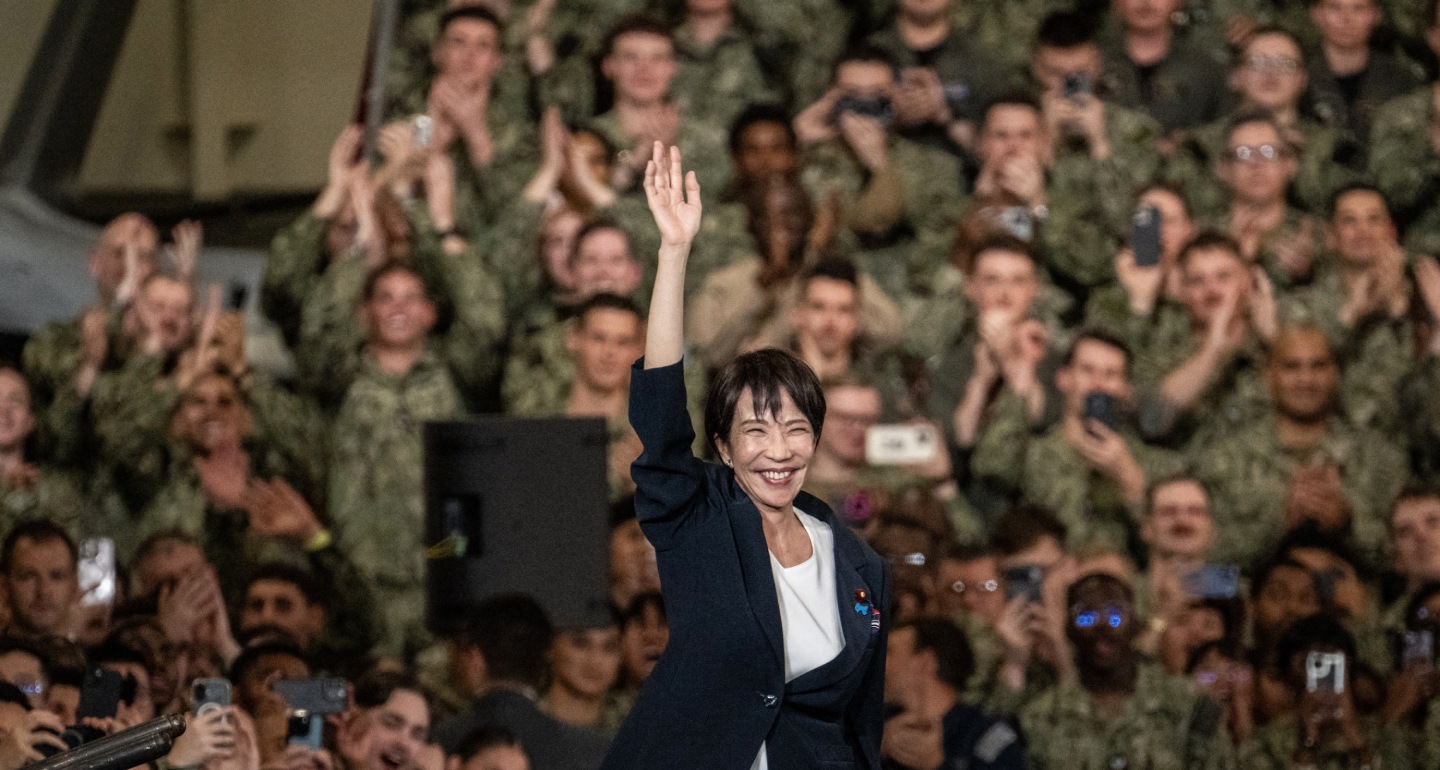
For a real example of political forces engaged in the militarization of society, the Russian leadership might consider looking closer to home.
James D.J. Brown