

In The Media
Jessica Tuchman Mathews
{
  "authors": [
    "Jessica Tuchman Mathews"
  ],
  "type": "legacyinthemedia",
  "centerAffiliationAll": "",
  "centers": [
    "Carnegie Endowment for International Peace"
  ],
  "collections": [],
  "englishNewsletterAll": "",
  "nonEnglishNewsletterAll": "",
  "primaryCenter": "Carnegie Endowment for International Peace",
  "programAffiliation": "",
  "programs": [],
  "projects": [],
  "regions": [
    "North America",
    "United States",
    "East Asia",
    "China",
    "Russia",
    "Eastern Europe",
    "Ukraine"
  ],
  "topics": [
    "Political Reform",
    "Foreign Policy"
  ]
}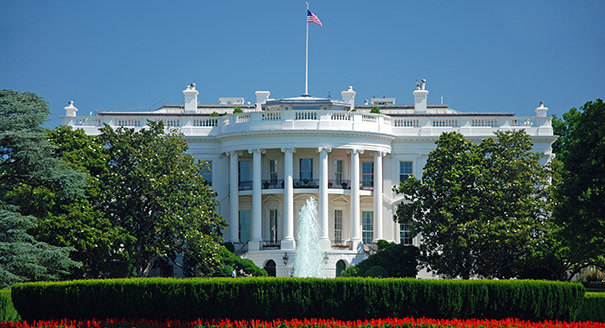
Source: Getty
Foreign policy practitioners believe the next president will confront perhaps the most dangerous international environment and the broadest and most intimidating set of challenges to U.S. foreign policy since at least the end of the cold war, and arguably longer.
Source: New York Review of Books
Judging from the lack of attention to foreign policy in this campaign, one might conclude that few security challenges loom. Other than immigration policy (more a domestic than an international issue), trade, and, occasionally, the Iran nuclear deal, the rest of the world has been largely invisible.
Yet overwhelmingly, the Republican leaders most distraught by Donald Trump’s candidacy are foreign policy and international security experts. In March, 121 of them stated their “united…opposition” to someone “so utterly unfitted” to the job. A second group signed another such letter in August. Others, including former National Security Adviser Brent Scowcroft, former Treasury Secretary Henry Paulson, former Defense Secretary Robert Gates, and former chairwoman of the House Foreign Affairs Committee Ileana Ros-Lehtinen, have independently announced their opposition. On a list compiled by The New York Times of the 110 most senior Republican leaders who have said they won’t vote for Trump, no fewer than seventy are foreign policy experts. . . .
This article was originally published by the New York Review of Books.

Distinguished Fellow
Mathews is a distinguished fellow at the Carnegie Endowment for International Peace. She served as Carnegie’s president for 18 years.
Recent Work
Jessica Tuchman Mathews
Jessica Tuchman Mathews
Carnegie does not take institutional positions on public policy issues; the views represented herein are those of the author(s) and do not necessarily reflect the views of Carnegie, its staff, or its trustees.
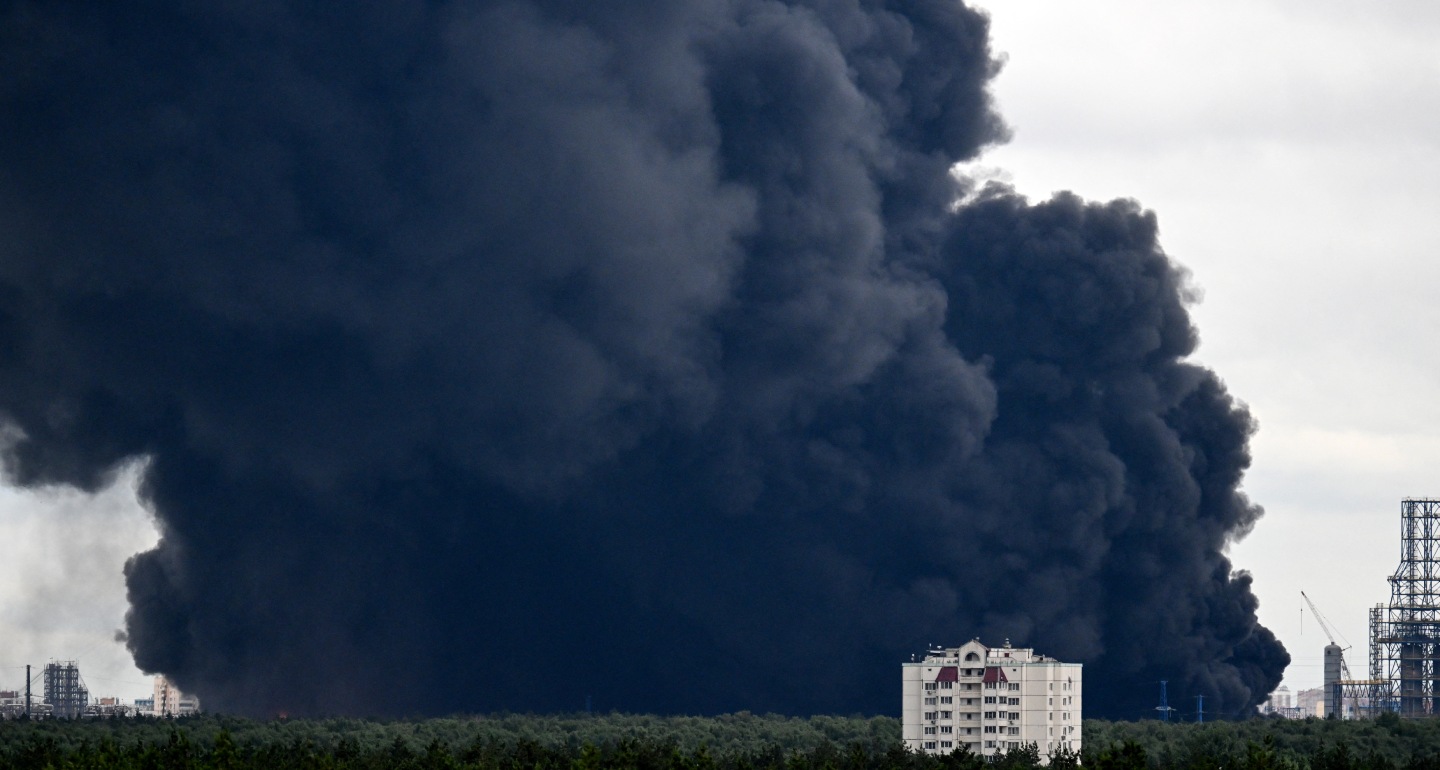
If it proves impossible for the Russian authorities to avoid a gasoline deficit, the question then becomes how they will organize the distribution of a scarce resource.

Sergey Vakulenko

This year’s wars have made alternative routes to transit through Russia no less risky for Central Asian countries.

Galiya Ibragimova
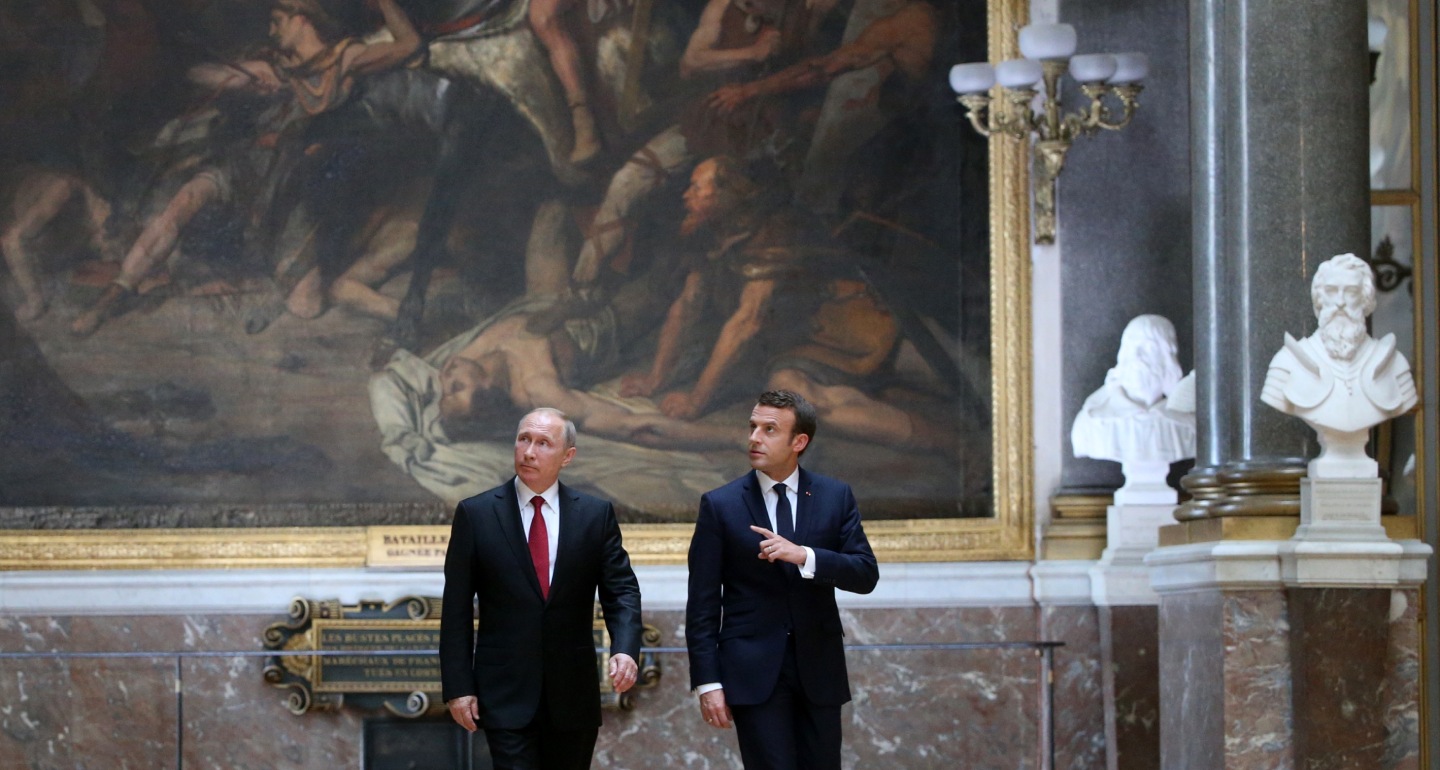
Reestablishing a dialogue with Moscow is not a goal in its own right. The goal is to guarantee the independence of Ukraine and the peace and security of Europe.
Arkady Moshes
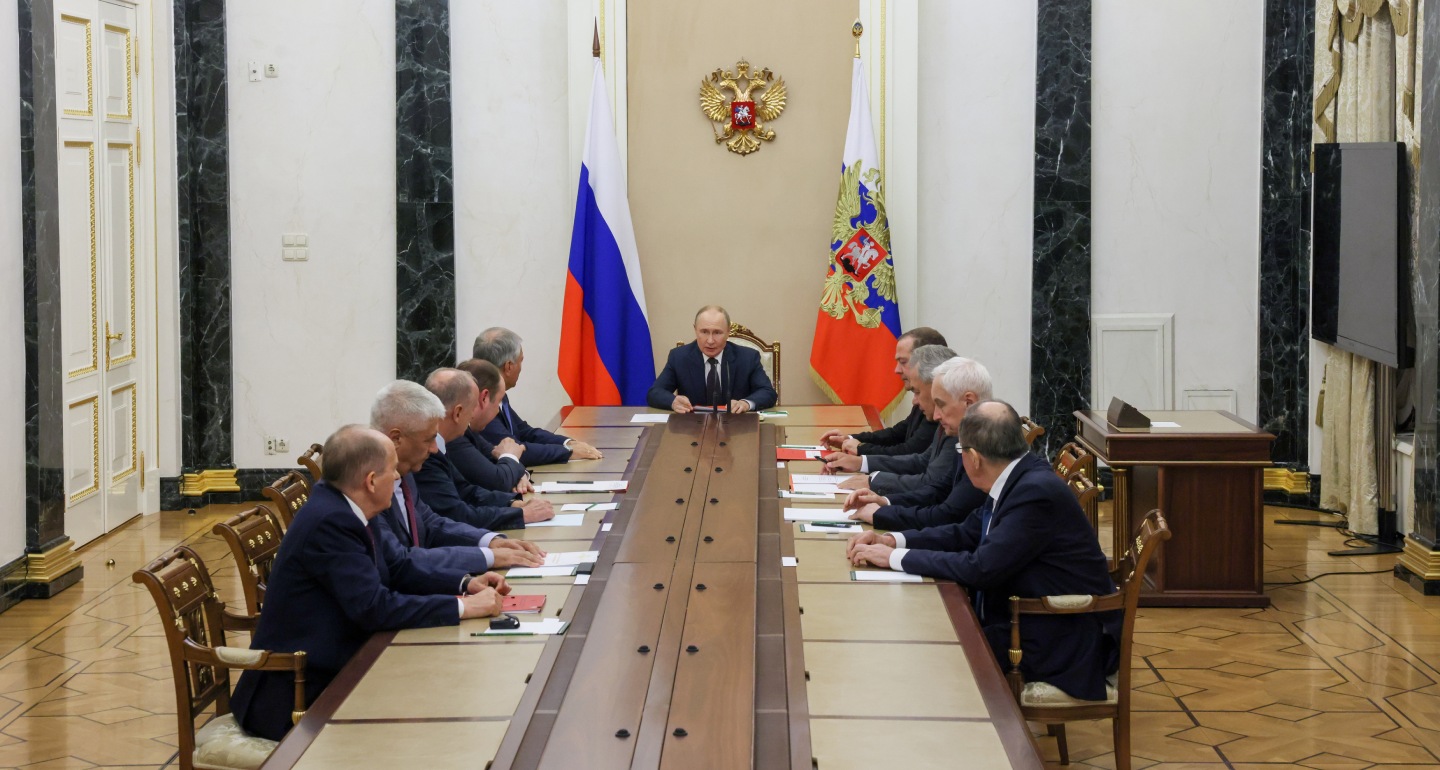
The ruling elites in contemporary Russia are not a political class, but a community of managers who are not subject to competition or public accountability. The state is becoming an operating apparatus without any internal autonomy.

Alexandra Prokopenko
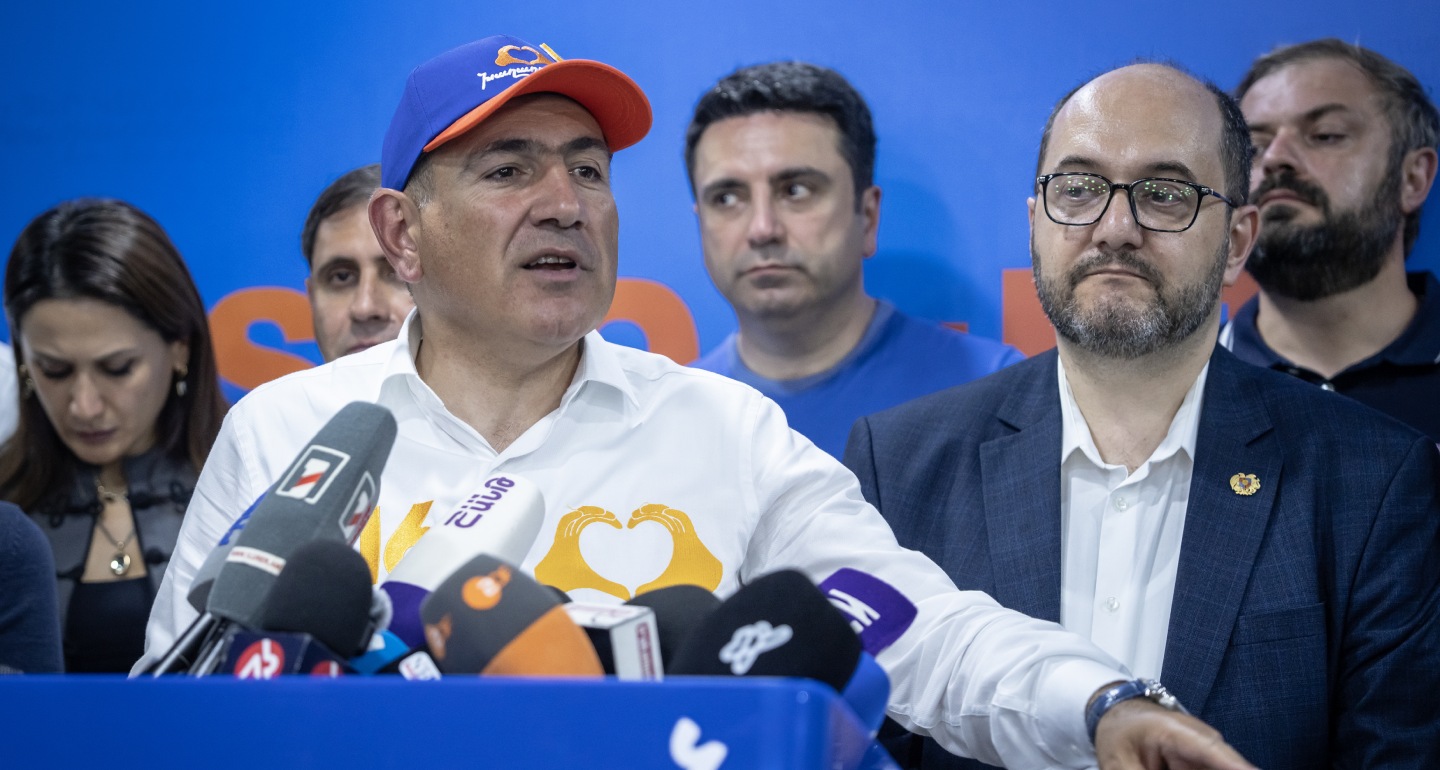
Pashinyan’s pro-European party has been re-elected with a decisive victory. But the pro-Russian opposition could still slow Armenia’s progress toward peace with Azerbaijan and rapprochement with Europe.
Mikayel Zolyan