

Article
C. Raja Mohan, Darshana M. Baruah
{
  "authors": [
    "C. Raja Mohan"
  ],
  "type": "other",
  "centerAffiliationAll": "dc",
  "centers": [
    "Carnegie Endowment for International Peace",
    "Carnegie India"
  ],
  "collections": [],
  "englishNewsletterAll": "ctw",
  "nonEnglishNewsletterAll": "",
  "primaryCenter": "Carnegie India",
  "programAffiliation": "SAP",
  "programs": [
    "South Asia"
  ],
  "projects": [],
  "regions": [
    "United States",
    "South Asia",
    "India",
    "North America",
    "Afghanistan",
    "Pakistan"
  ],
  "topics": [
    "Economy",
    "Foreign Policy"
  ]
}
Source: Getty
South Asian leaders are deeply concerned about America’s long-term commitment to the liberal, global economic order and Washington’s political will to sustain its longstanding international security commitments.
Source: Asia Foundation
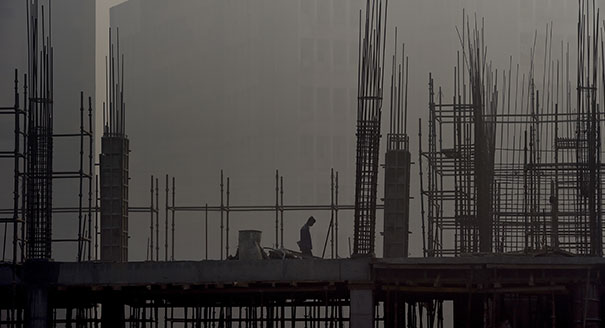
The resurgent dynamism in South Asia has restored the region to its historic role as the crucial link between different parts of the vast Eurasian landmass including the Middle East, Central Asia, China, and Southeast Asia. The waters of South Asia have also become an important part of new geographic conceptions such as the Indo-Pacific. Amidst this growing importance of South Asia, a number of questions have arisen in the context of the U.S. elections. Given the West’s widespread political fatigue with nation building, will the new administration turn its back on Afghanistan, or learn from past mistakes and recalibrate its strategy? Will the United States maintain its post-war primacy in the region, or pull back from the expansive goals that it set for itself in the past? Does Washington have the will and the resources to shape the South Asian strategic environment? What might be the consequences for South Asian economies, among the last in the world to globalize, of an American drift towards protectionism? How engaged will the United States remain on issues of good governance and democratization in the region?
Former Nonresident Senior Fellow, Carnegie India
A leading analyst of India’s foreign policy, Mohan is also an expert on South Asian security, great-power relations in Asia, and arms control.
Recent Work

C. Raja Mohan, Darshana M. Baruah


Alexander Gabuev, Paul Haenle, C. Raja Mohan, …
Carnegie does not take institutional positions on public policy issues; the views represented herein are those of the author(s) and do not necessarily reflect the views of Carnegie, its staff, or its trustees.

Depleted financial reserves and a shrinking tax base mean it is no longer possible to simultaneously deliver high defense spending, price stability, and economic growth.

Alexandra Prokopenko

With the growth in points of friction between the great powers, organizations like the SCO will continue to play a role in the strategic adaptation of the smaller powers caught between them.

Temur Umarov

When faced with fuel shortages in the past, Central Asian governments could always count on additional supplies from Moscow. That safety net no longer exists.

Galiya Ibragimova

Despite unhappiness on the ground, Moscow is determined to use both carrot and stick to ensure there is record support for United Russia in occupied Ukraine.

Konstantin Skorkin
The recent damage inflicted by Ukrainian drones and missiles on Russia has made Belarus aware of its own vulnerabilities—and surprisingly amenable to Kyiv’s demands.

Artyom Shraibman