

In The Media
David Rothkopf
{
  "authors": [
    "David Rothkopf"
  ],
  "type": "legacyinthemedia",
  "centerAffiliationAll": "",
  "centers": [
    "Carnegie Endowment for International Peace"
  ],
  "collections": [],
  "englishNewsletterAll": "",
  "nonEnglishNewsletterAll": "",
  "primaryCenter": "Carnegie Endowment for International Peace",
  "programAffiliation": "",
  "programs": [],
  "projects": [],
  "regions": [
    "North America",
    "United States"
  ],
  "topics": [
    "Political Reform",
    "Economy",
    "Trade",
    "Foreign Policy",
    "Global Governance"
  ]
}
Source: Getty
The guys being ferried around Davos for deal meetings know that Donald Trump thinks like them, hires them, and aspires to the same things as they do.
Source: Foreign Policy
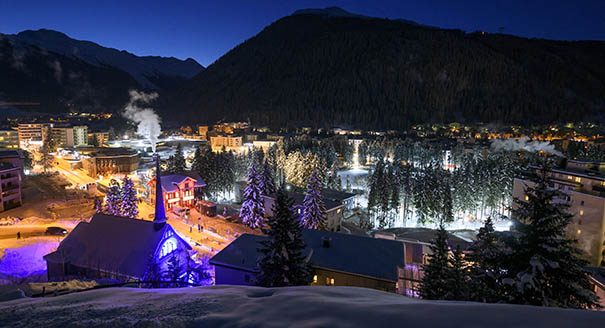
I just arrived in Davos. It is freezing cold. It is so cold that many of the fat cats in attendance are asking their assistants to warm the smoke up before they blow it up their asses.
The sidewalks, as ever, are covered with ice and the writhing carcasses of central bankers who wore the wrong kind of footwear. The snacks in the Congress Hall are sparse. The accommodations are, for the most part, fairly Spartan. For global elites, that is. Signs of conspicuous budget consciousness abound. Many of the canapes do not even have the crusts cut off them.
Hobnobbing is already going on at full pace. Local restaurants and bars are full of people from New York, Washington, London, Frankfurt, Bangalore, and the like sitting with other people from the same cities carrying on the same conversations they were having days earlier back at home. You have to wonder why — in the age of email, Skype, and Google hangouts — all this is necessary. But it is. Because if this wasn’t Davos, someplace else would be. The big dogs all need to pee on the same fire hydrant to see who can lift their leg the highest. (A word of caution, though, to those big dogs. Don’t get too close to the fire hydrant. Things stick to frozen metal in very uncomfortable ways.)
Naturally, all anyone can talk about is Donald Trump. That’s ironic because Davos has never really had much appetite for the likes of Trump. It is far too European, understated, and concerned with appearing concerned about big issues. Trump’s brand of gilded, self-congratulatory, big-titted excess is looked down upon here. Except by the Russians, of course.
One of the most common themes among those in search of meaning here (which is to say journalists, staffers, think tankers, and the other dancing monkeys brought in to make the deal-oriented types feel good about themselves) is whether Trump’s victory and the rise of the anti-globalist right signals the death knell for Davos Man and Davos Woman — although, as ever, the majority population is woefully under-represented here again this year.
So let me save you and all those earnest-types some time. If you think Trump (or Nigel Farage or Marine Le Pen or Viktor Orban or their godfather, Vladimir Putin) is seeking to put global elites and globalization out of business, you have been watching far too much reality television.
The First Law of Elites is that all efforts to push aside elites are led by other elites for the benefit of elites. Look at Trump and his cabinet. It is not a bunch of guys with pitchforks marching up the hill to upset the chocolate fountains of Davos. It is a bunch of rich white guys with corporate jets and giant bank accounts who look precisely like the rich guys with corporate jets and giant bank accounts who come to Davos. In fact, with the exception of Trump, who is as much the useful idiot of the ensconced elites as he is for the Kremlin, they are the same guys who litter the conference rooms and after-parties of the World Economic Forum. (Note the six high-level Goldman Sachs appointments in the Trump team so far — including one at the Treasury Department, one at the National Economic Council, and one in the office right down the hall from Trump’s. Note the billionaires. Note the CEOs. Note the lack of women and minorities. Note that job No. 1 is cutting taxes and No. 2 will be scrapping regulations like Dodd-Frank that are a “burden” to Wall Street or programs like Obamacare that big businesses don’t much like. Also note that despite the big talk about ending trade deals, Trump has already offered one up to Britain and, trust me, there will be more … deals that differ from past deals primarily in that they have Trump’s name on them.)
Trump doesn’t want to end Davos. Trump finally wants to be accepted at Davos. He wants in at the tables at which his money could not buy him a seat. And if you think his favorite world leader back in Moscow is anti-elites, you’re not paying attention. Putin’s idea of Russian revolution is him and his oligarch buddies getting a bigger cut of their national patrimony and the leverage it can buy overseas. Why else is Putin considered to very likely be the richest man in the world? (It’s not his KGB pension.)
So, don’t lose too much sleep worrying about the fate of the fat cats on this mountaintop. Sure, they fear that Trump’s inexperience, narcissism, and lack of impulse control will cause a few wars and create some market headaches. Yes, Trump is against global institutions and science and climate and reading and writing and arithmetic. And truth. But the guys being ferried around Davos for deal meetings (who don’t actually attend most of the generally quite interesting and often enlightened conference sessions) also know that the nominal author of The Art of the Deal thinks like them, hires them, and aspires to the same things as they do. And, hey, in the end a bit of global upheaval and the shredding of American values and Western leadership are small prices to pay for more money in their pockets. For the folks who have helped make this a world in which the eight richest men have the same net worth as the bottom half of the world’s population, a little populism every so often is seen as inevitable … a cost of doing business. Especially if the populists happen to be billionaires themselves.
Welcome to Davos! More tomorrow…
Former Visiting Scholar
David Rothkopf was a visiting scholar at the Carnegie Endowment as well as the former CEO and editor in chief of the FP Group.
Recent Work
David Rothkopf
David Rothkopf
Carnegie does not take institutional positions on public policy issues; the views represented herein are those of the author(s) and do not necessarily reflect the views of Carnegie, its staff, or its trustees.
In the discussions made possible by the State Duma election campaign, one question is being asked more and more loudly. “What next?”

Andrey Pertsev

When faced with fuel shortages in the past, Central Asian governments could always count on additional supplies from Moscow. That safety net no longer exists.

Galiya Ibragimova

Two divergent trends—Putin’s hardline vision of how to prosecute the war in Ukraine, and a growing desire for change in Russia—could tear the regime apart.

Tatiana Stanovaya
Ultimately, Zelensky sided neither with the reform camp nor with the military establishment as such, but with political control.

Balázs Jarábik
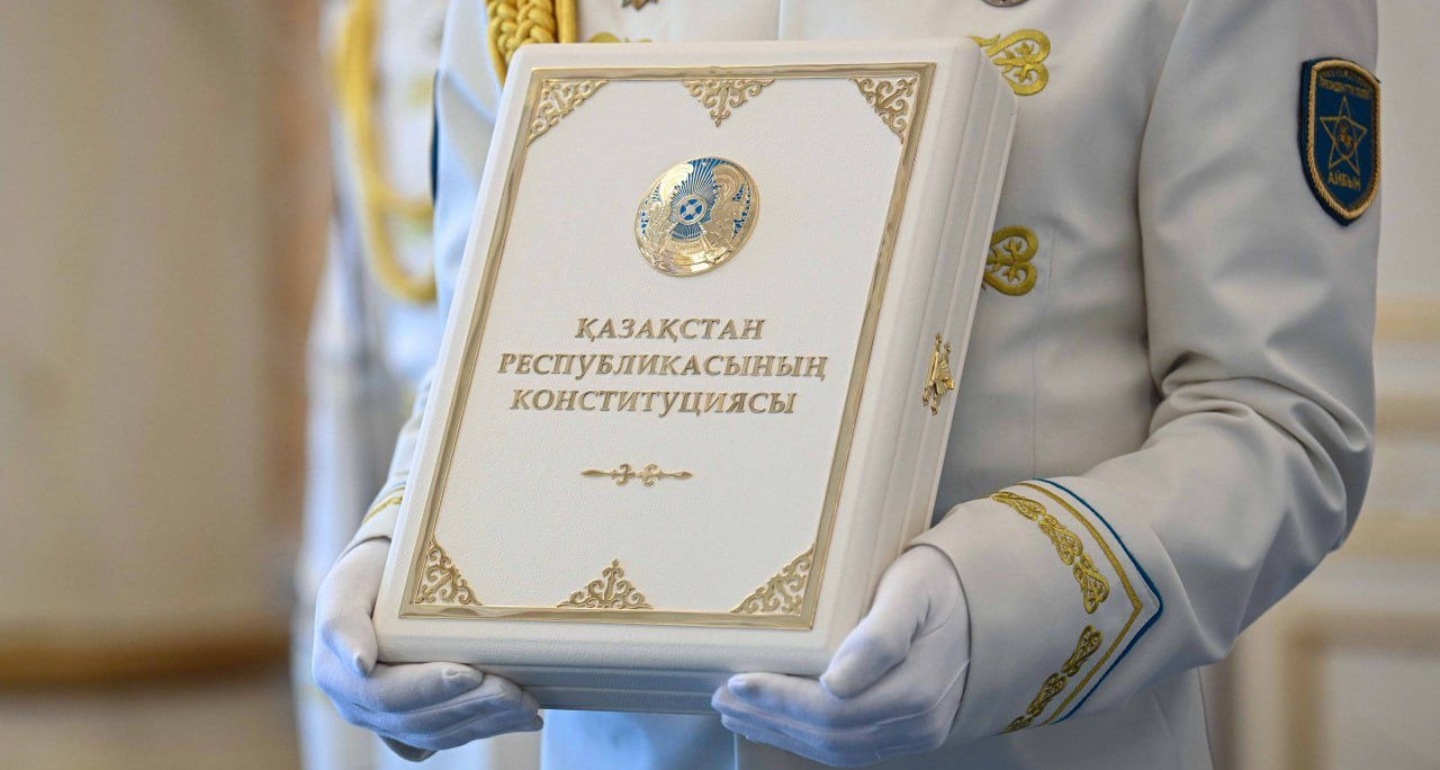
Tokayev’s predecessor, Nursultan Nazarbayev, outlined arrangements for a power transition too soon and in too much detail, ultimately losing control over the process. Tokayev is determined not to meet the same fate.

Temur Umarov