

Q&A
Darshana M. Baruah, Satyendra Prasad, Denghua Zhang
{
  "authors": [
    "Darshana M. Baruah"
  ],
  "type": "legacyinthemedia",
  "centerAffiliationAll": "",
  "centers": [
    "Carnegie Endowment for International Peace",
    "Carnegie India"
  ],
  "collections": [],
  "englishNewsletterAll": "",
  "nonEnglishNewsletterAll": "",
  "primaryCenter": "Carnegie India",
  "programAffiliation": "",
  "programs": [],
  "projects": [],
  "regions": [
    "Asia",
    "South Asia",
    "India",
    "East Asia",
    "China"
  ],
  "topics": [
    "Foreign Policy",
    "Economy"
  ]
}
Source: Getty
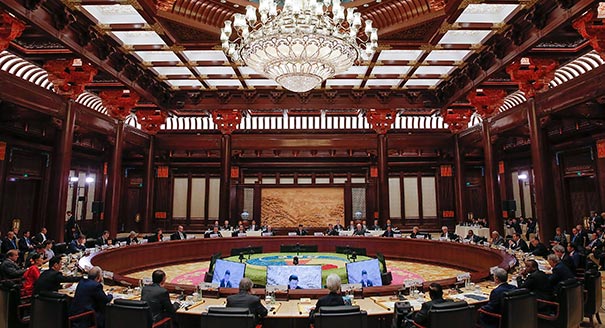
Nepal’s decision to join the Belt and Road highlights the ongoing Sino-Indian competition for strategic space in South Asia, veiled under the guise of connectivity routes and infrastructure development.
Source: Diplomat
A few days before China hosted its biggest diplomatic show in support of the Belt and Road Initiative on May 14 to 15, Beijing was able to bring Nepal on board as a member of its Silk Road plan. While there have been questions about Kathmandu’s decision to join the project, it should not come as a surprise. Nepal’s decision highlights the ongoing Sino-Indian competition for strategic space in South Asia, veiled under the guise of connectivity routes and infrastructure development.
India’s strongest opposition to the project has come in the form of its official absence from the Belt and Road forum. New Delhi also urged all scholars to get prior permission before attending the forum. While India has opposed the forum on grounds of sovereignty, its reasons involve genuine strategic concerns regarding the entire project. New Delhi has time and again referred to India’s commitment to transparency, rule of law, and openness on connectivity projects as an answer to joining the Belt and Road Initiative (BRI), suggesting Beijing does not follow these principles. China in turn has put significant diplomatic muscle into gathering top-level participation from across the globe in support of its ambitious projects and negating any negative perspectives.

Former Nonresident Scholar, South Asia Program
Darshana M. Baruah was a nonresident scholar with the South Asia Program at the Carnegie Endowment for International Peace where she directs the Indian Ocean Initiative.
Recent Work

Darshana M. Baruah, Satyendra Prasad, Denghua Zhang
Darshana M. Baruah
Carnegie does not take institutional positions on public policy issues; the views represented herein are those of the author(s) and do not necessarily reflect the views of Carnegie, its staff, or its trustees.

With the growth in points of friction between the great powers, organizations like the SCO will continue to play a role in the strategic adaptation of the smaller powers caught between them.

Temur Umarov

When faced with fuel shortages in the past, Central Asian governments could always count on additional supplies from Moscow. That safety net no longer exists.

Galiya Ibragimova

Despite unhappiness on the ground, Moscow is determined to use both carrot and stick to ensure there is record support for United Russia in occupied Ukraine.

Konstantin Skorkin
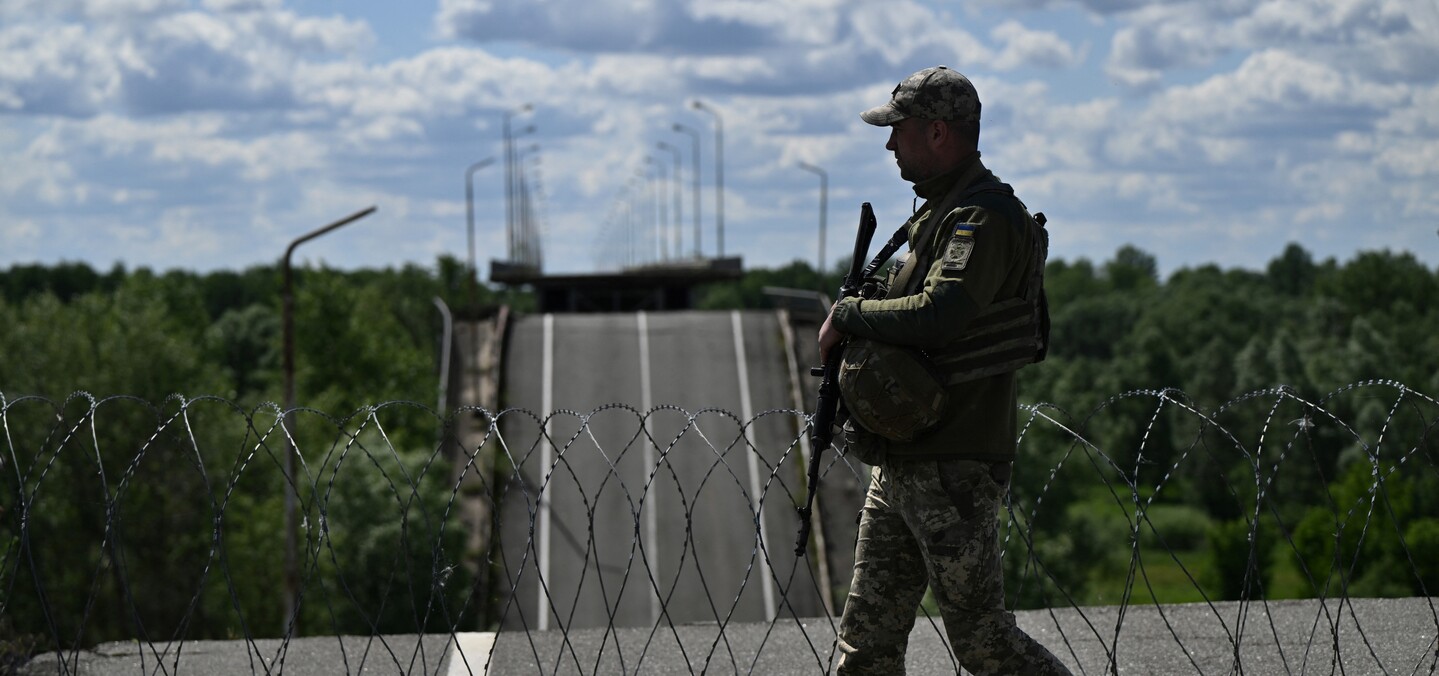
The recent damage inflicted by Ukrainian drones and missiles on Russia has made Belarus aware of its own vulnerabilities—and surprisingly amenable to Kyiv’s demands.

Artyom Shraibman
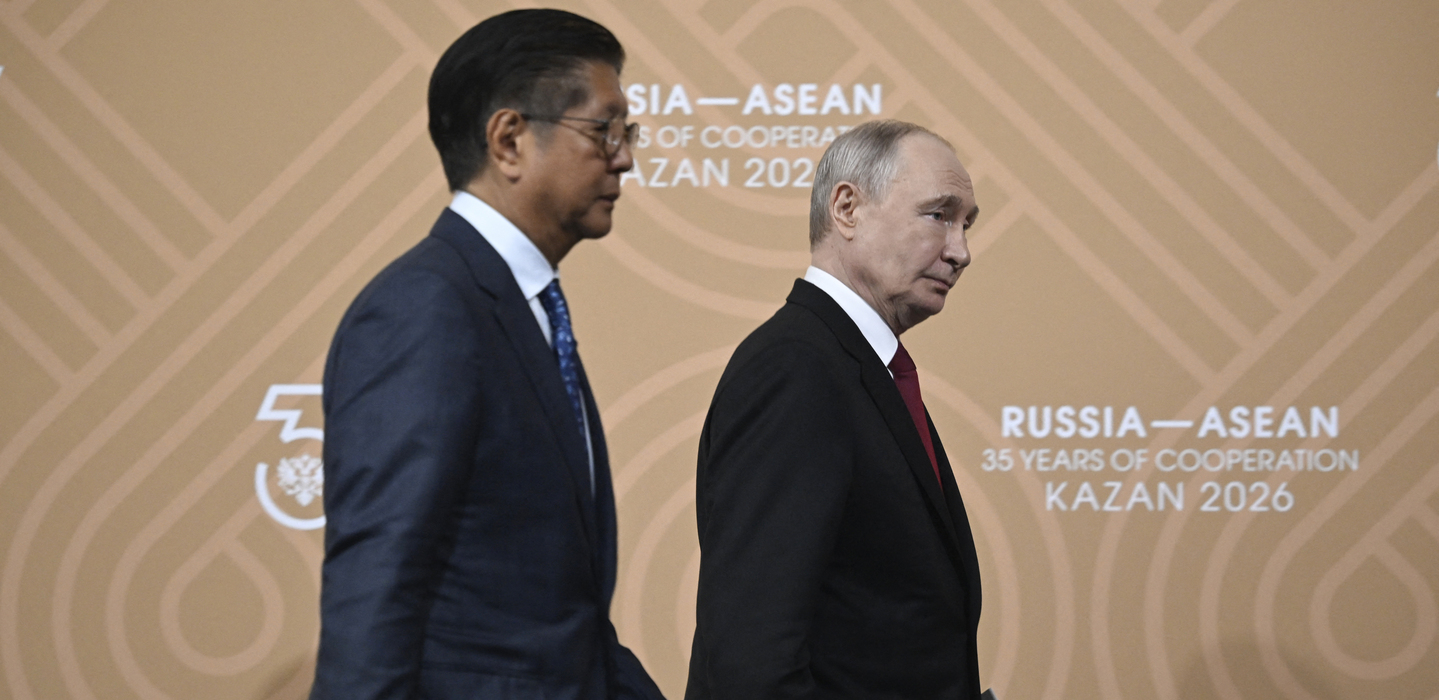
Russia looks set to reap economic benefits from closer ties with Southeast Asian countries that are keen to find reliable energy suppliers and diversify trade ties.

Alexander Gabuev