

Commentary
Chung Min Lee
{
  "authors": [
    "Chung Min Lee"
  ],
  "type": "other",
  "centerAffiliationAll": "dc",
  "centers": [
    "Carnegie Endowment for International Peace"
  ],
  "collections": [],
  "englishNewsletterAll": "asia",
  "nonEnglishNewsletterAll": "",
  "primaryCenter": "Carnegie Endowment for International Peace",
  "programAffiliation": "AP",
  "programs": [
    "Asia"
  ],
  "projects": [],
  "regions": [
    "North America",
    "United States",
    "East Asia"
  ],
  "topics": [
    "Foreign Policy",
    "Global Governance"
  ]
}
Source: Getty
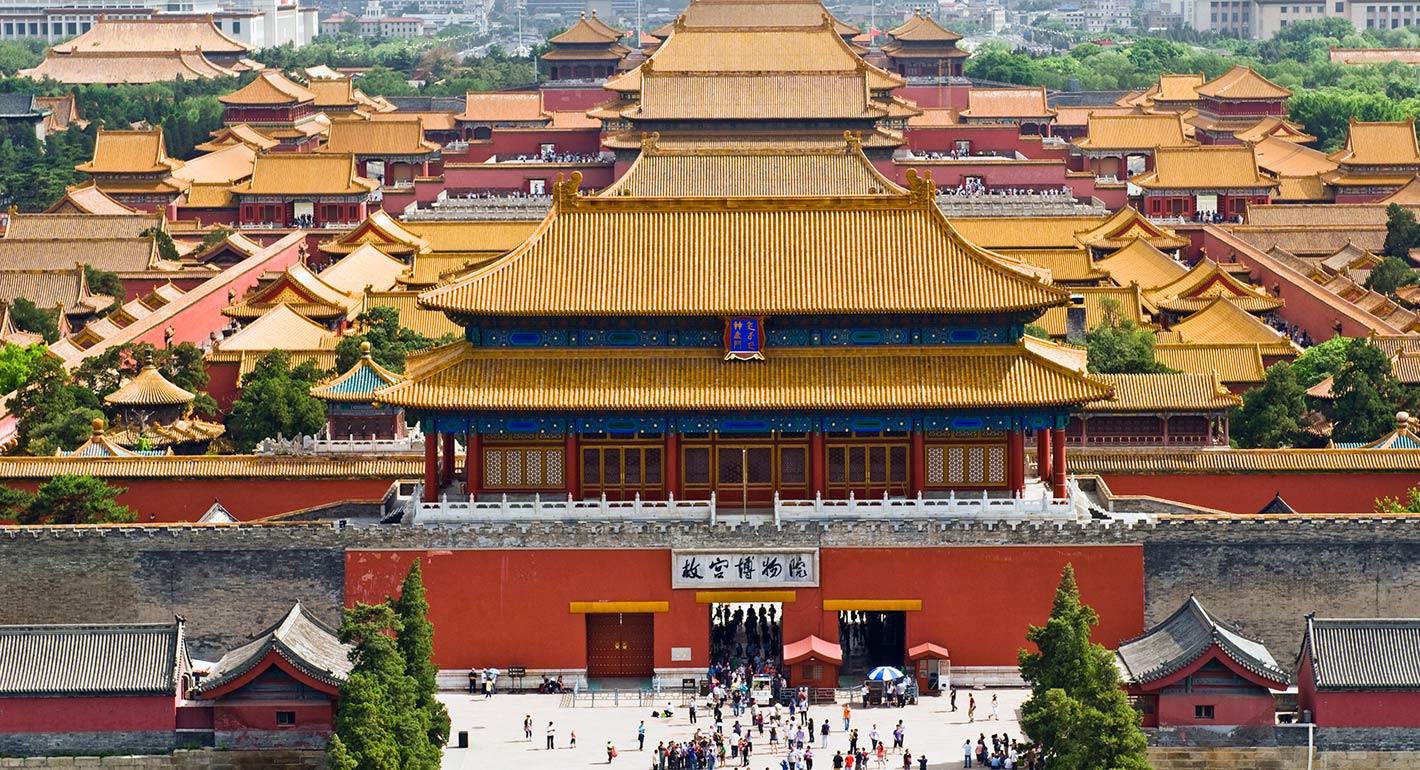
Asia in the 21st century is going to be a key test bed of the commercial peace theory and whether the U.S.-China strategic rivalry will result in some type of a conflict.
Source: Pacific Review
This paper explores the probable causes and consequences of an Asian Paradox or the highly incongruous structure of Asia within the broader international system: at once the engine of global economic growth while at the same time, the repository of all of the world's outstanding security threats and challenges. Asia in the 21st century is going to be a key test bed of the commercial peace theory and whether the U.S.-China strategic rivalry will result in some type of a conflict. Attention is also paid to the potential consequences flowing from the end of Asia's Meiji era or when all of Asia'smajor powers and key middle powers have achieved or are well on their way of achieving what Japan accomplished by the late 1890s: a wealthy economy and a strong military. How an increasingly wealthy, technologically advanced, and a militarily sophisticated Asia decides to cope with numerous security dilemmas is Asia's new Long March including the extent to which the region's strategically consequential states are willing to preserve and to strengthen the prevailing liberal international order.
Senior Fellow, Asia Program
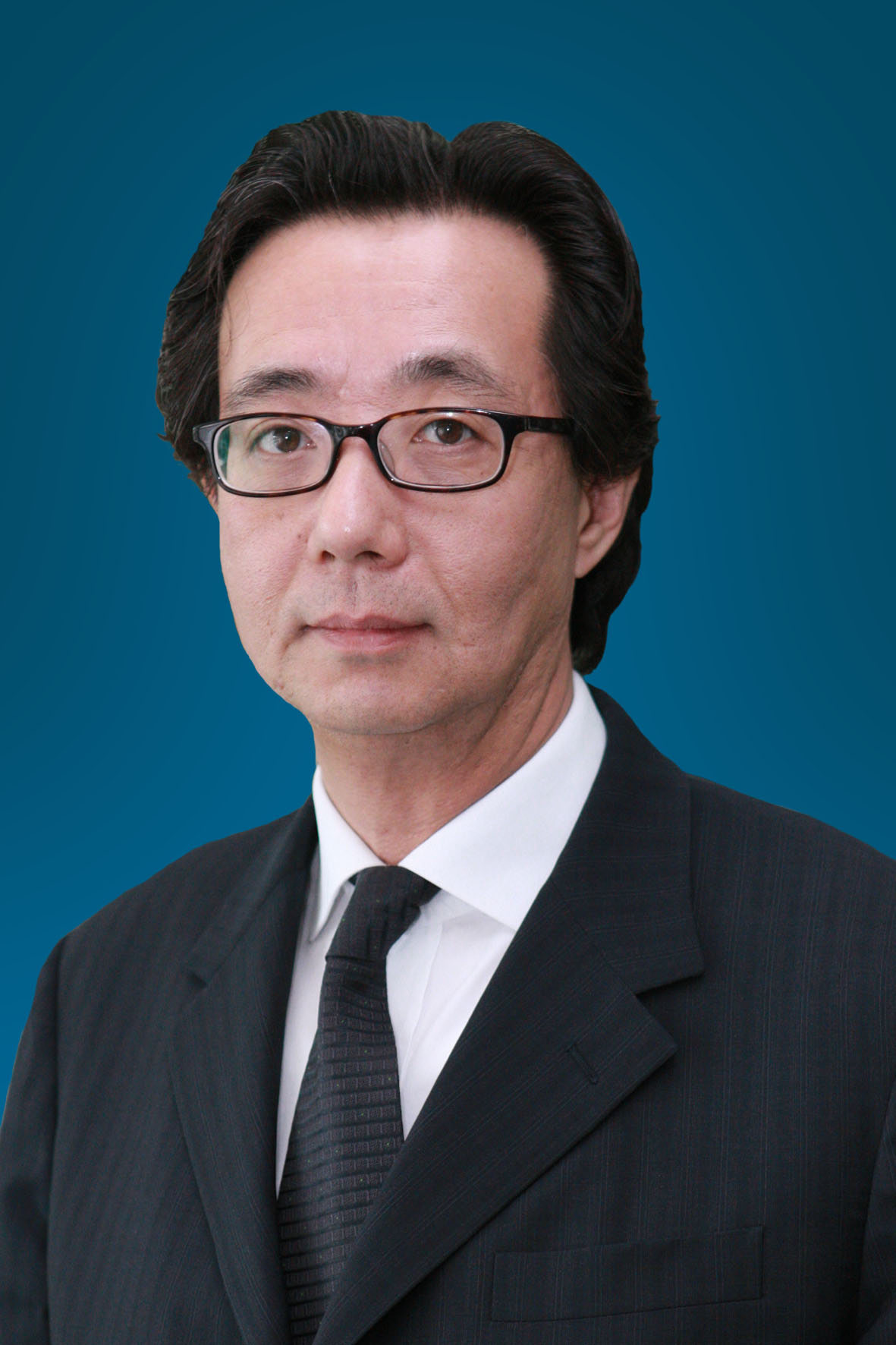
Chung Min Lee is a senior fellow in Carnegie’s Asia Program. He is an expert on Korean and Northeast Asian security, defense, intelligence, and crisis management.
Recent Work
Chung Min Lee
Carnegie does not take institutional positions on public policy issues; the views represented herein are those of the author(s) and do not necessarily reflect the views of Carnegie, its staff, or its trustees.

Cargo traffic through Russia’s Northern Sea Route has increased because of the disruption caused by the conflict in the Middle East, the Ukraine war, and U.S.-China tensions.

Mikhail Korostikov

Trump has promised Belarus a massive potash deal. But Minsk is seeking something greater: restored Western transit and greater room for maneuver from Russia.

Balázs Jarábik

Minsk clearly expected the dialogue with Washington to yield more results, in particular the lifting of EU sanctions and permission to export potash.

Artyom Shraibman

With the growth in points of friction between the great powers, organizations like the SCO will continue to play a role in the strategic adaptation of the smaller powers caught between them.

Temur Umarov

When faced with fuel shortages in the past, Central Asian governments could always count on additional supplies from Moscow. That safety net no longer exists.

Galiya Ibragimova