

Commentary
John Kerry
{
  "authors": [
    "John Kerry"
  ],
  "type": "other",
  "centerAffiliationAll": "",
  "centers": [
    "Carnegie Endowment for International Peace"
  ],
  "collections": [],
  "englishNewsletterAll": "",
  "nonEnglishNewsletterAll": "",
  "primaryCenter": "Carnegie Endowment for International Peace",
  "programAffiliation": "",
  "programs": [],
  "projects": [],
  "regions": [
    "North America",
    "United States",
    "Western Europe"
  ],
  "topics": [
    "Political Reform",
    "Security",
    "Foreign Policy",
    "Global Governance"
  ]
}
Source: Getty
Governance around the world is facing new and old challenges at the same time. And governance, writ large, is in crisis.
Secretary John F. Kerry delivered the 53rd Ditchley Annual Lecture on July 8, 2017.
Ladies and gentlemen, distinguished guests, also members of the diplomatic corp.
I am in awe of anybody coming out on a Saturday in a suit and tie in this beauty. You are all masochists, I can tell. I am really grateful, and particularly grateful to George Robert son for his very generous introduction. This is a great honour for me. I had the privilege of sleeping in Winston Churchill’s room last night. I kept waiting for him to arrive, figuring he would, but there was no such apparition.
Bottom line, this is a very, very special place. It’s a beautiful day to wander around the grounds and to feel the history of this extraordinary place. It’s special for all of us, I hope. And, for our purposes, I think it is very meaningful to know that we are piggy backing on the backdrop of some extraordinary history – and none more so than the twelve or so long weekends Winston Churchill spent here at the height of World War II, when the Tree Family lent it to him as a wartime retreat. All of you know that the reason was that, that was a time of great testing. The war was not going well at that moment. The Royal Air Force had warned Churchill that Chequers was just too inviting a target for the Luftwaffe, and so it was here – away from the bombs of the war – that he came to get away, but not from the burdens of war obviously. He planned, he plotted, provided strategy and savvy, courage and conviction and together with Franklin Roosevelt, these two men found a way to forge ahead.
It is only fitting that the Ditchley Foundation presses forward today as a steward, the steward perhaps, of transatlantic cooperation, and in particular the US - UK relationship. It is a relationship – it gets repeated often, we talk about it – that is really unlike any other in the world, when you think about it, for the size of economies and size of the influence of our nations. And it has endured, in fact emerged even stronger over the years...
Nonresident Scholar, Sustainability, Climate, and Geopolitics Program
John Kerry is a nonresident scholar the Carnegie Endowment for International Peace.
Recent Work
John Kerry
John Kerry
Carnegie does not take institutional positions on public policy issues; the views represented herein are those of the author(s) and do not necessarily reflect the views of Carnegie, its staff, or its trustees.

With the growth in points of friction between the great powers, organizations like the SCO will continue to play a role in the strategic adaptation of the smaller powers caught between them.

Temur Umarov
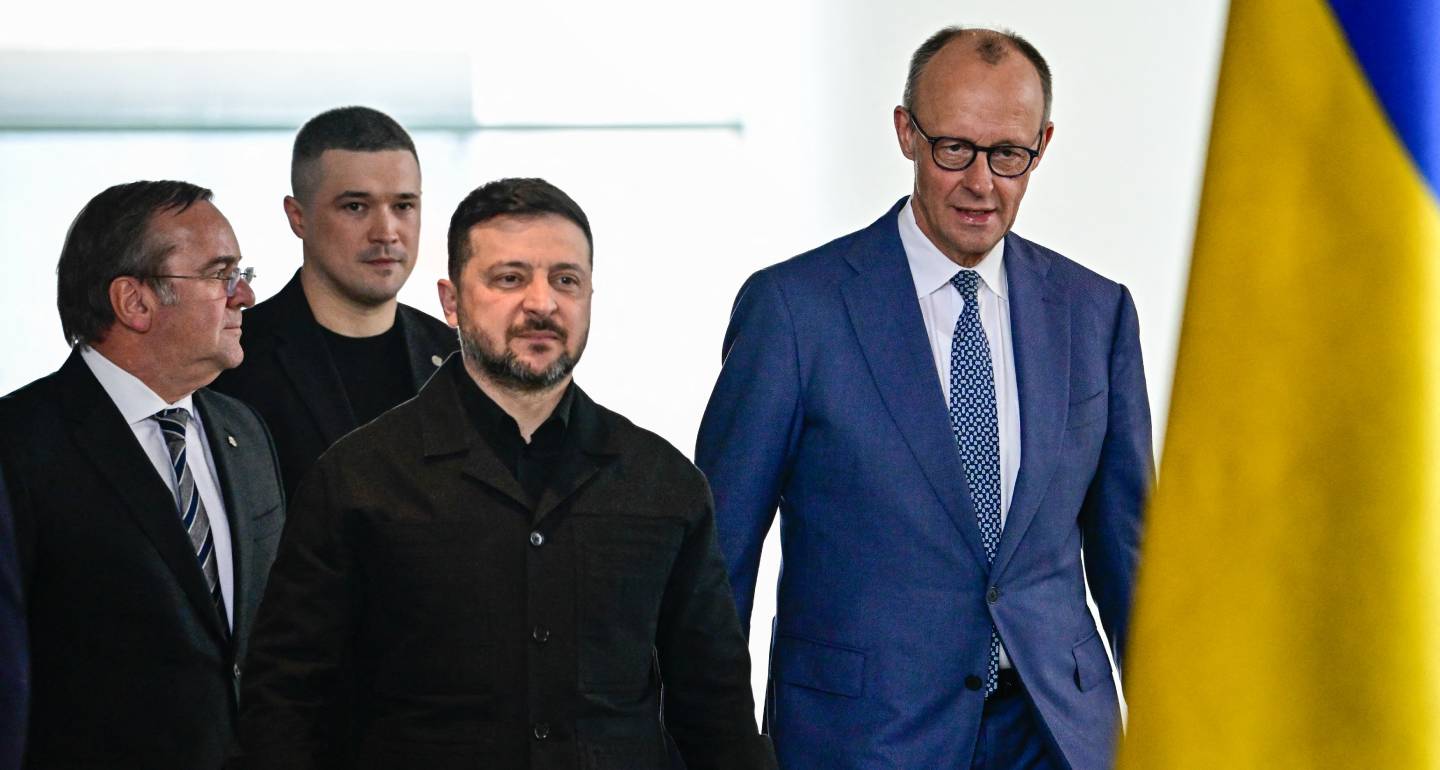
The greater threat to Zelensky comes not from Fedorov alone, but from the convergence between the former defense minister’s political campaign and the anti-corruption investigations moving ever closer to the presidential administration.

Balázs Jarábik
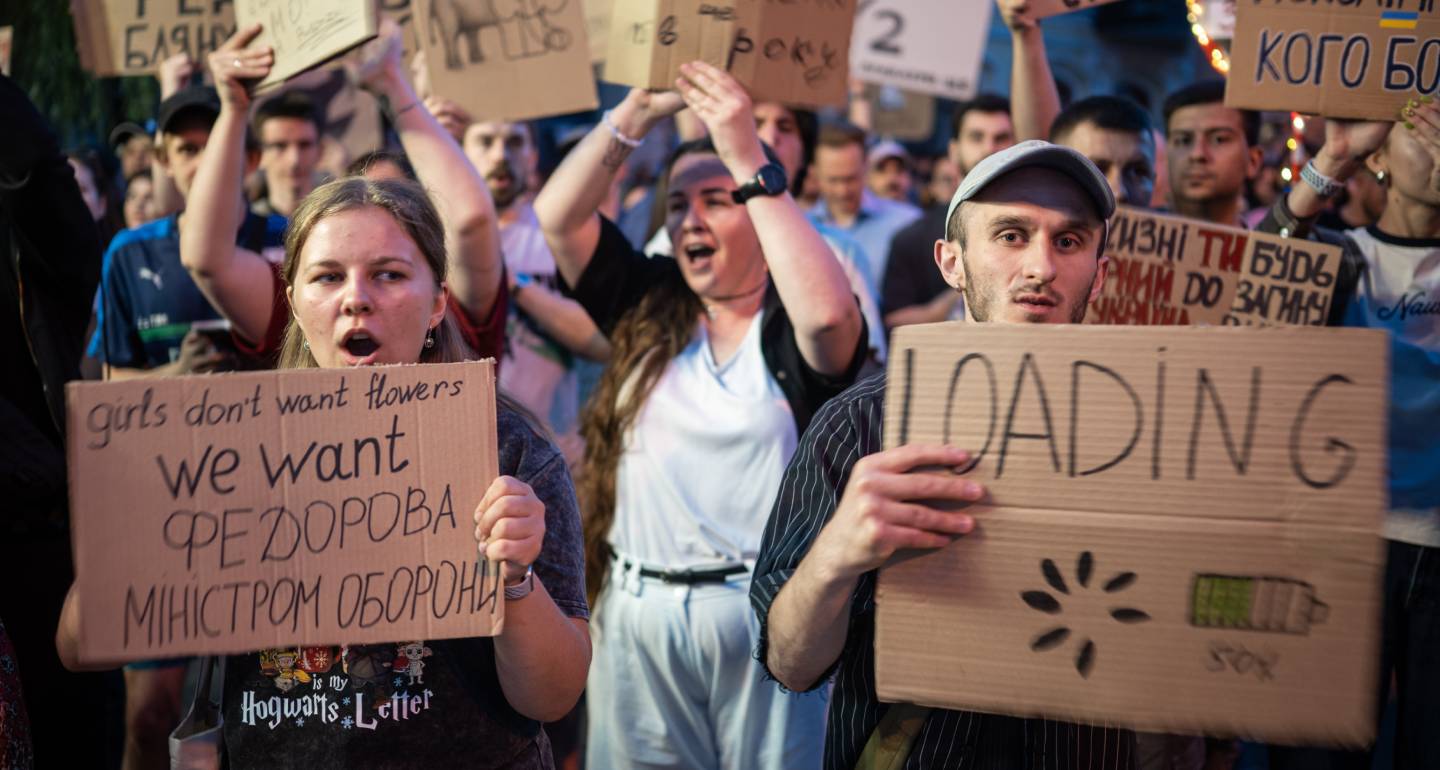
With his public call for new elections in Ukraine, ex-defense minister Mykhailo Fedorov has opened Pandora’s box.

Konstantin Skorkin

In the discussions made possible by the State Duma election campaign, one question is being asked more and more loudly. “What next?”

Andrey Pertsev

When faced with fuel shortages in the past, Central Asian governments could always count on additional supplies from Moscow. That safety net no longer exists.

Galiya Ibragimova