

Commentary
Ulrich Kühn
{
  "authors": [
    "Ulrich Kühn"
  ],
  "type": "other",
  "centerAffiliationAll": "dc",
  "centers": [
    "Carnegie Endowment for International Peace"
  ],
  "collections": [],
  "englishNewsletterAll": "ctw",
  "nonEnglishNewsletterAll": "",
  "primaryCenter": "Carnegie Endowment for International Peace",
  "programAffiliation": "NPP",
  "programs": [
    "Nuclear Policy"
  ],
  "projects": [],
  "regions": [],
  "topics": [
    "Nuclear Policy",
    "Arms Control"
  ]
}
Source: Getty
Which arguments could help to reinvigorate moral and political support for further nuclear disarmament?
Source: Bulletin of the Atomic Scientists
The instruments of bi- and multilateral nuclear disarmament and arms control are in a state of despair. Russia and the West have entered a new round of conflict. The US–Russian nuclear arms control and disarmament dialog has stalled. East Asia is rattled by North Korea aggressively pushing forward its nuclear and missile programs. Beyond the bilateral and regional levels, frustration about the nuclear-weapons states’ unwillingness to meet their own disarmament obligations under Article VI of the Nuclear Non-Proliferation Treaty has already led a majority of UN states to seek alternative venues to ban the risks and threats associated with nuclear arms. That leads to some urgent questions: Which arguments could help to reinvigorate moral and political support for further nuclear disarmament? What can the international community do to move further with multilateral nuclear disarmament? What could or should a stable future US–Russian framework for managing the nuclear relationship look like? How can Europe deal with its nuclear challenges against the background of a missing “grand deal” between NATO and Russia? How can the world better bridge the gap between the need for broader civil society engagement and the lack of interest in many societies?
In this package of articles, early and mid-career scholars from Europe, Russia, and the United States have engaged in a common effort to address these pressing questions and to provide much-needed recommendations on how to move forward with nuclear arms control and disarmament at the global and regional levels.
Anastasia Malygina, Sven Fikenscher, and Jenny Nielsen provide a compelling argument for further measures of restraint – including a universal no-first-use norm and dialogue on de-alerting nuclear weapons and developing verification procedures for decommissioning nuclear warheads – in an era of increasing international tensions. Kelsey Davenport, Jana Puglierin, and Petr Topychkanov lay out a proposal for a series of disarmament summits aimed at advancing multilateral disarmament. Tatiana Anichkina, Anna Péczeli, and Nick Roth approach the future of US–Russian nuclear deterrence and arms control from the premise that Moscow and Washington have to once again find a common interpretation of strategic stability. Taking on Europe’s current and future nuclear woes, Ulrich Kühn, Shatabhisha Shetty, and Polina Sinovets argue that in parallel to increased efforts at managing the tense NATO–Russian relationship, both sides must address the core problems, underlying the current conflict – “above all the future of NATO enlargement.” Meanwhile, Anne I. Harrington, Eliza Gheorghe, and Anya Loukianova Fink emphasize a focus on the environmental, human, and financial costs of maintaining nuclear arsenals, contending that focus will better sustain public engagement and political activism in favor of nuclear disarmament than other strategies.
International crises, such as in Ukraine, increase the risk of inadvertent or accidental escalation, and they underline the importance of mutual measures of restraint and predictability. It is encouraging to see that even on the difficult topics of the Intermediate-range Nuclear Forces Treaty or the stalled P5 process, young experts from divergent national backgrounds can find common ground and formulate fresh ideas that, I hope, governments and influential scholars will heed.
This article was originally published in Bulletin of the Atomic Scientists

Former Nonresident Scholar, Nuclear Policy Program
Ulrich Kühn was a nonresident scholar at the Carnegie Endowment for International Peace, and the head of the arms control and emerging technologies program at the Institute for Peace Research and Security Policy at the University of Hamburg.
Recent Work
Ulrich Kühn
Ulrich Kühn
Carnegie does not take institutional positions on public policy issues; the views represented herein are those of the author(s) and do not necessarily reflect the views of Carnegie, its staff, or its trustees.
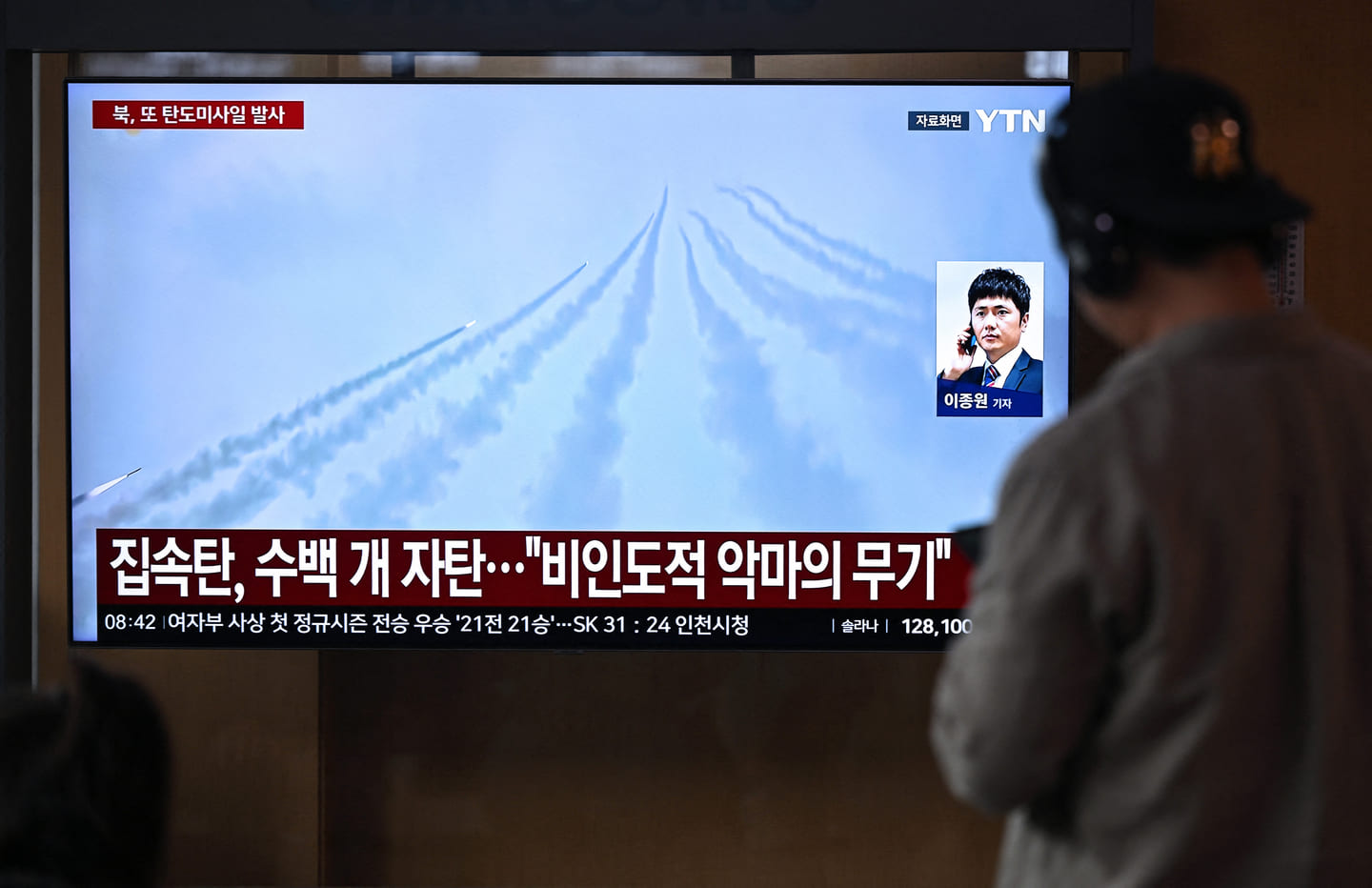
Troubled by the growing salience of nuclear debates in East Asia, Moscow has responded in its usual way: with condemnation and threats. But by exacerbating insecurity, Russia is forcing South Korea and Japan to consider radical security options.

James D.J. Brown
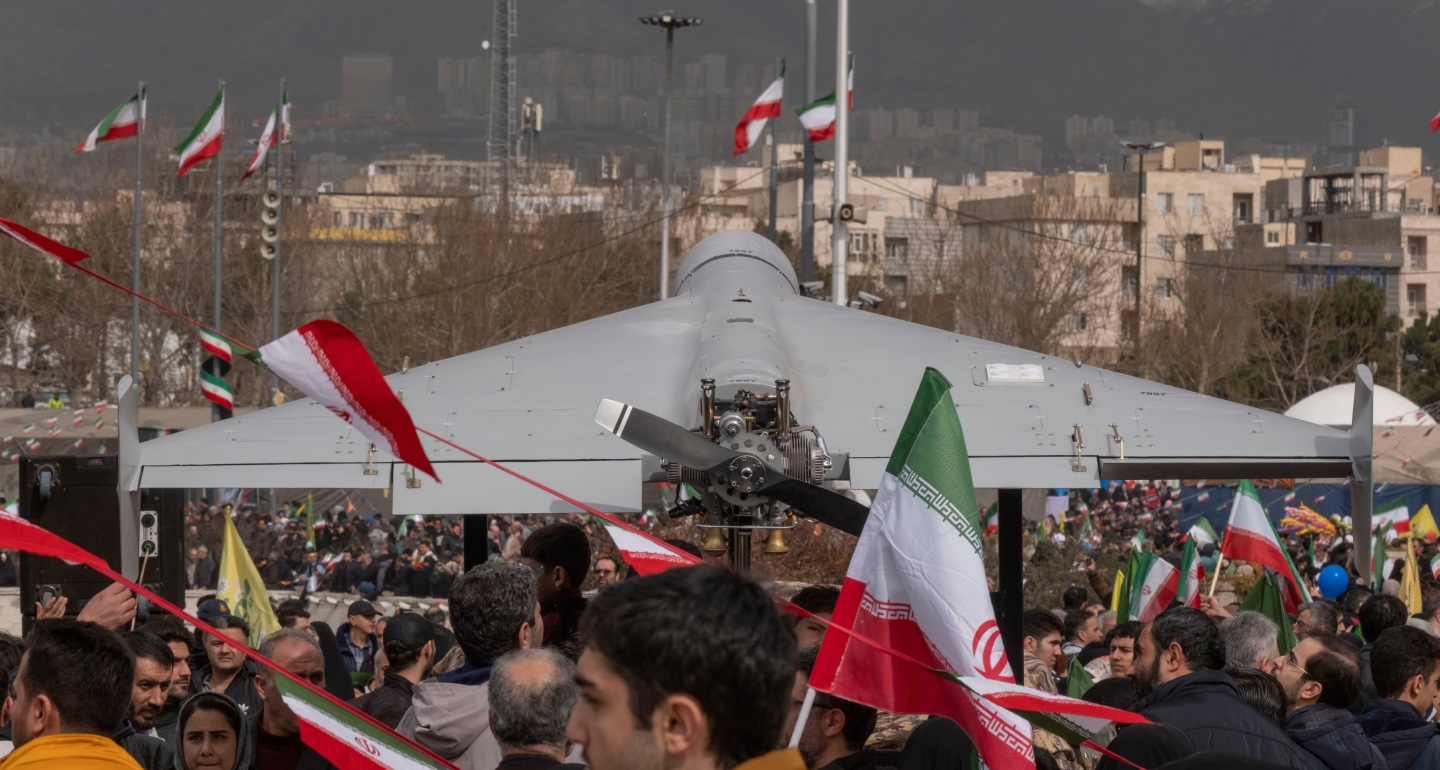
The Russian leadership wants to avoid a dangerous precedent in which it is squeezed out of Iran by the United States and Israel—and left powerless to respond in any meaningful way.

Nikita Smagin
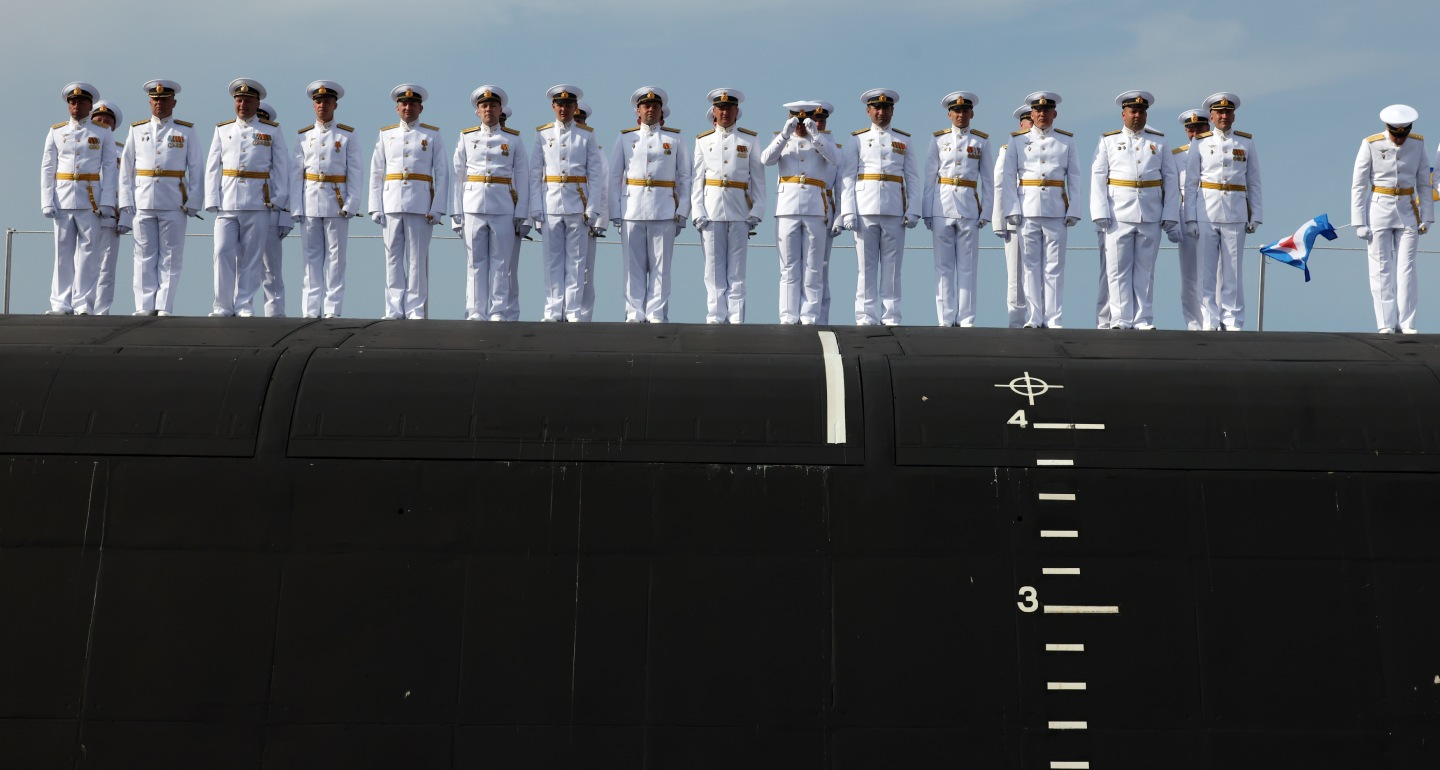
For Putin, upgrading Russia’s nuclear forces was a secondary goal. The main aim was to gain an advantage over the West, including by strengthening the nuclear threat on all fronts. That made growth in missile arsenals and a new arms race inevitable.
Maxim Starchak
The Kremlin will only be prepared to negotiate strategic arms limitations if it is confident it can secure significant concessions from the United States. Otherwise, meaningful dialogue is unlikely, and the international system of strategic stability will continue to teeter on the brink of total collapse.
Maxim Starchak
Tehran’s most urgent task is to reduce the risk of further Israeli and U.S. airstrikes. Russia’s role as a deterrent in this respect is more multifaceted than simply supplying weapons, whose real impact will only become apparent many years from now.
Nikita Smagin