

Report
- +2
George Perkovich, Jessica Tuchman Mathews, Joseph Cirincione, …
{
  "authors": [
    "Jon Wolfsthal"
  ],
  "type": "legacyinthemedia",
  "centerAffiliationAll": "dc",
  "centers": [
    "Carnegie Endowment for International Peace"
  ],
  "collections": [
    "Korean Peninsula"
  ],
  "englishNewsletterAll": "ctw",
  "nonEnglishNewsletterAll": "",
  "primaryCenter": "Carnegie Endowment for International Peace",
  "programAffiliation": "NPP",
  "programs": [
    "Nuclear Policy"
  ],
  "projects": [],
  "regions": [
    "East Asia",
    "North Korea"
  ],
  "topics": [
    "Nuclear Policy",
    "Arms Control"
  ]
}
Source: Getty
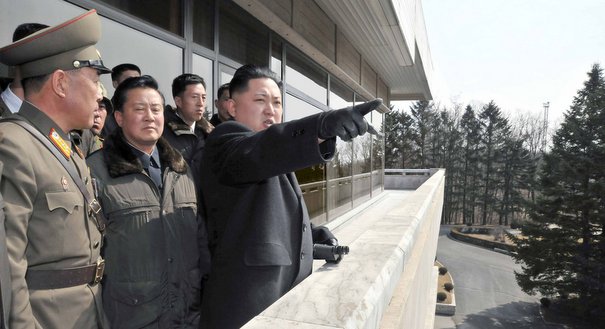
Tensions continue to mount between the U.S. and North Korea, prompting questions on the deterrence relationship and the reliability of North Korea's nuclear capabilities.
Source: The 1A, WAMU Radio
Carnegie NPP scholar Jon Wolfsthal answered listeners’ questions on North Korea and nuclear weapons capabilities. The nuclear program in North Korea, Wolfsthal explained, began in the 1950s, receiving significant assistance from the former Soviet Union. To date, North Korea has conducted, five nuclear weapons tests, a fact confirmed by the comprehensive test ban treaty organization, an international organization that monitors nuclear testing around the world. North Korea began testing short-range ballistic missiles several decades ago, but over the past three months the international community has witnessed North Korea’s program develop rapidly. The advancements include two weapons systems that could potentially deliver nuclear weapons to the continental United States. What we don’t know, Wolfsthal explains, is whether those systems are reliable, and if they work every time.
Wolfsthal further explained that the United States has engaged in a deterrant relationship with North Korea 50 years, while North Korea has deterred the United States from an attack for 50 years. This relationship can be messy and at times dangerous, but is sustainable if the United States continues to handle the relationship with care.
Though questions remain, there is no doubt that North Korea has crossed a number of thresholds, presenting a significant challenge for the United States and its allies.

Former Nonresident Scholar, Nuclear Policy Program
Jon Wolfsthal was a nonresident scholar with the Nuclear Policy Program.
Recent Work


George Perkovich, Jessica Tuchman Mathews, Joseph Cirincione, …
Jon Wolfsthal
Carnegie does not take institutional positions on public policy issues; the views represented herein are those of the author(s) and do not necessarily reflect the views of Carnegie, its staff, or its trustees.

Tokyo would have to surmount a lot of obstacles—not least Western sanctions—if it wanted to return Russian oil imports to even modest pre-2022 volumes.

Vladislav Pashchenko
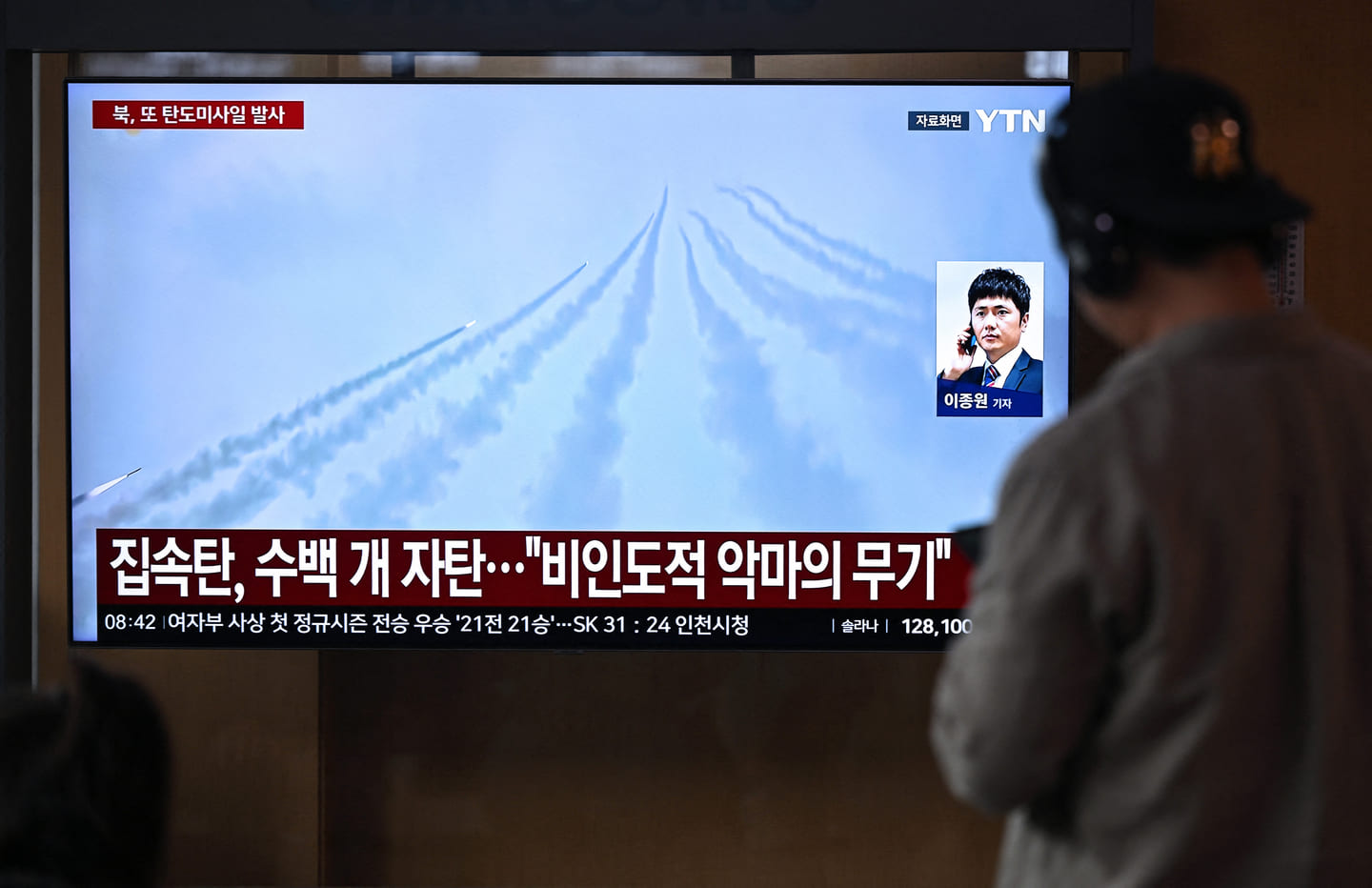
Troubled by the growing salience of nuclear debates in East Asia, Moscow has responded in its usual way: with condemnation and threats. But by exacerbating insecurity, Russia is forcing South Korea and Japan to consider radical security options.

James D.J. Brown
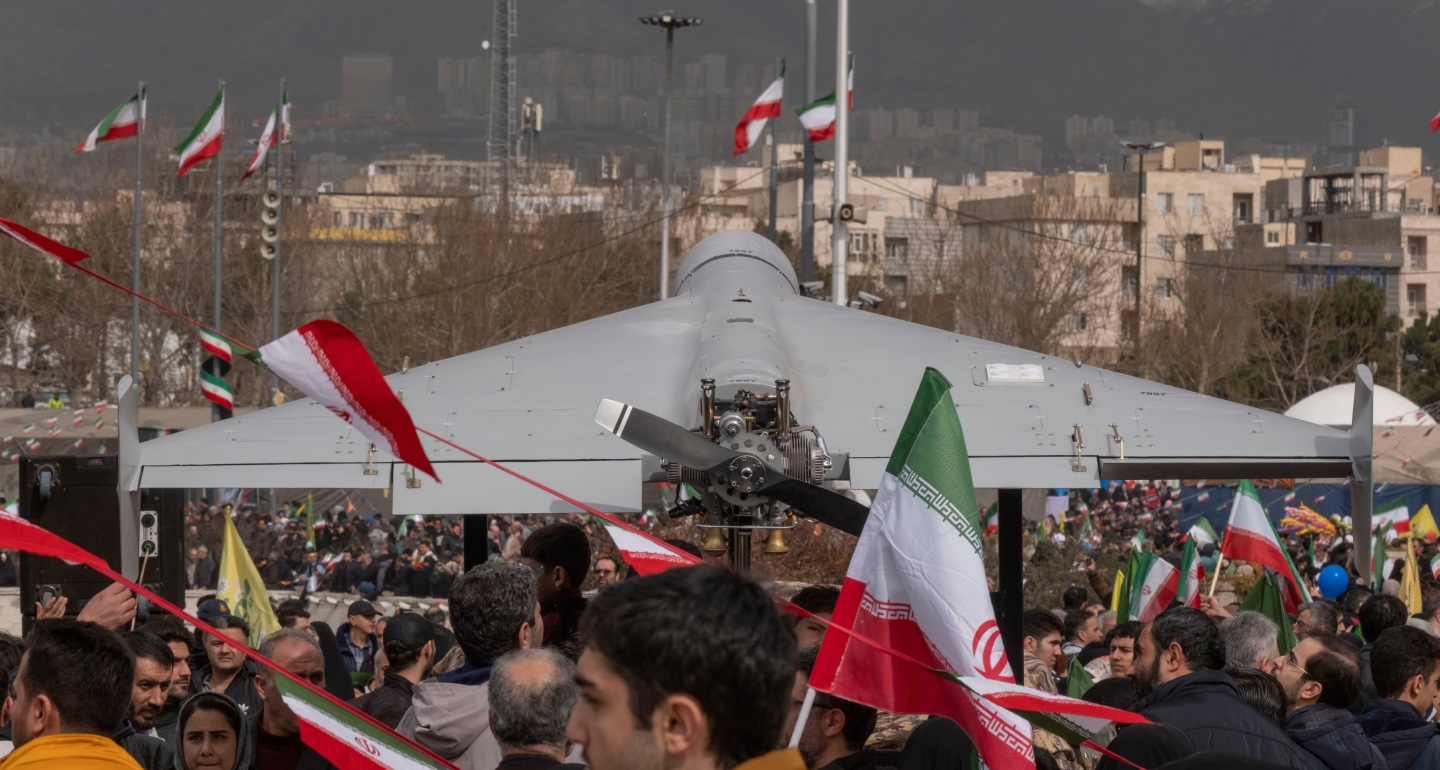
The Russian leadership wants to avoid a dangerous precedent in which it is squeezed out of Iran by the United States and Israel—and left powerless to respond in any meaningful way.

Nikita Smagin
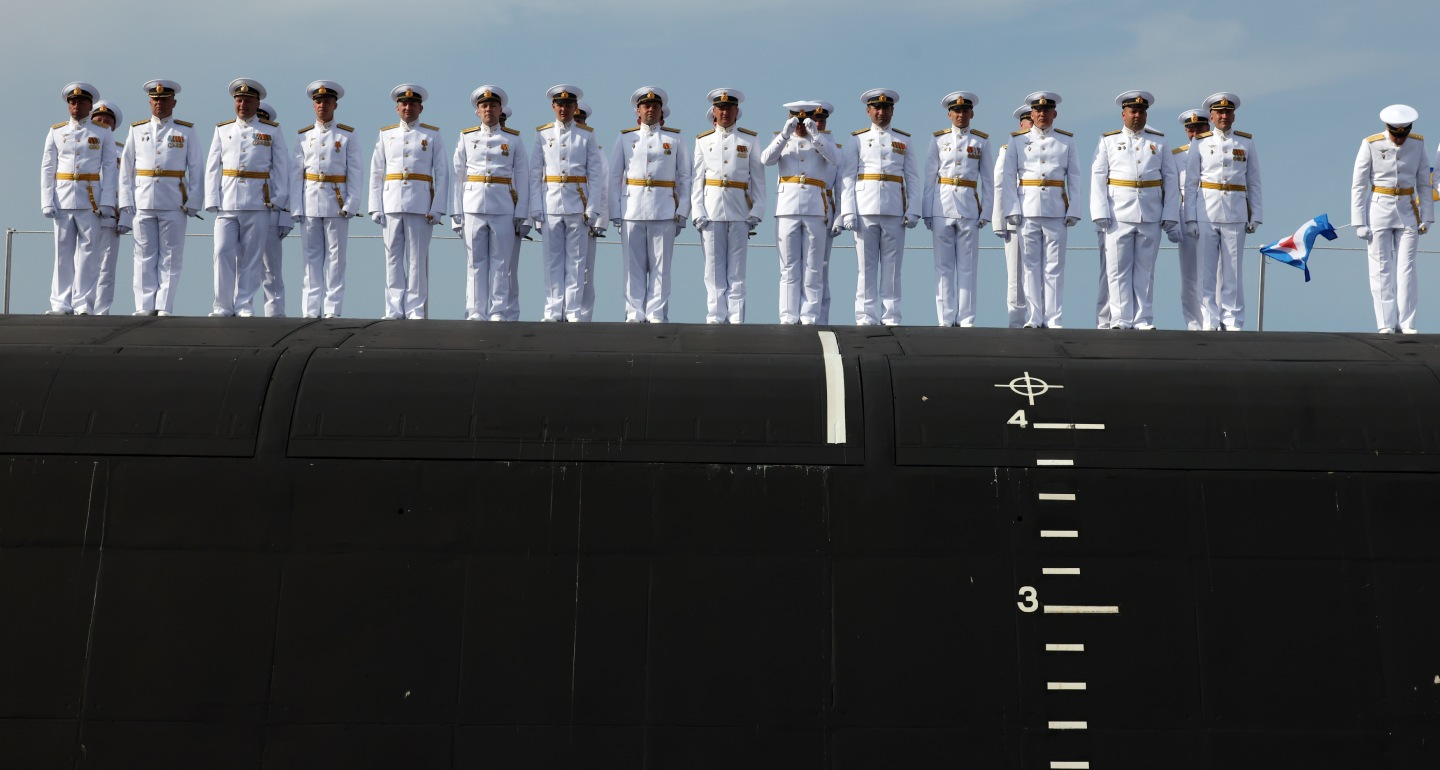
For Putin, upgrading Russia’s nuclear forces was a secondary goal. The main aim was to gain an advantage over the West, including by strengthening the nuclear threat on all fronts. That made growth in missile arsenals and a new arms race inevitable.

Maxim Starchak
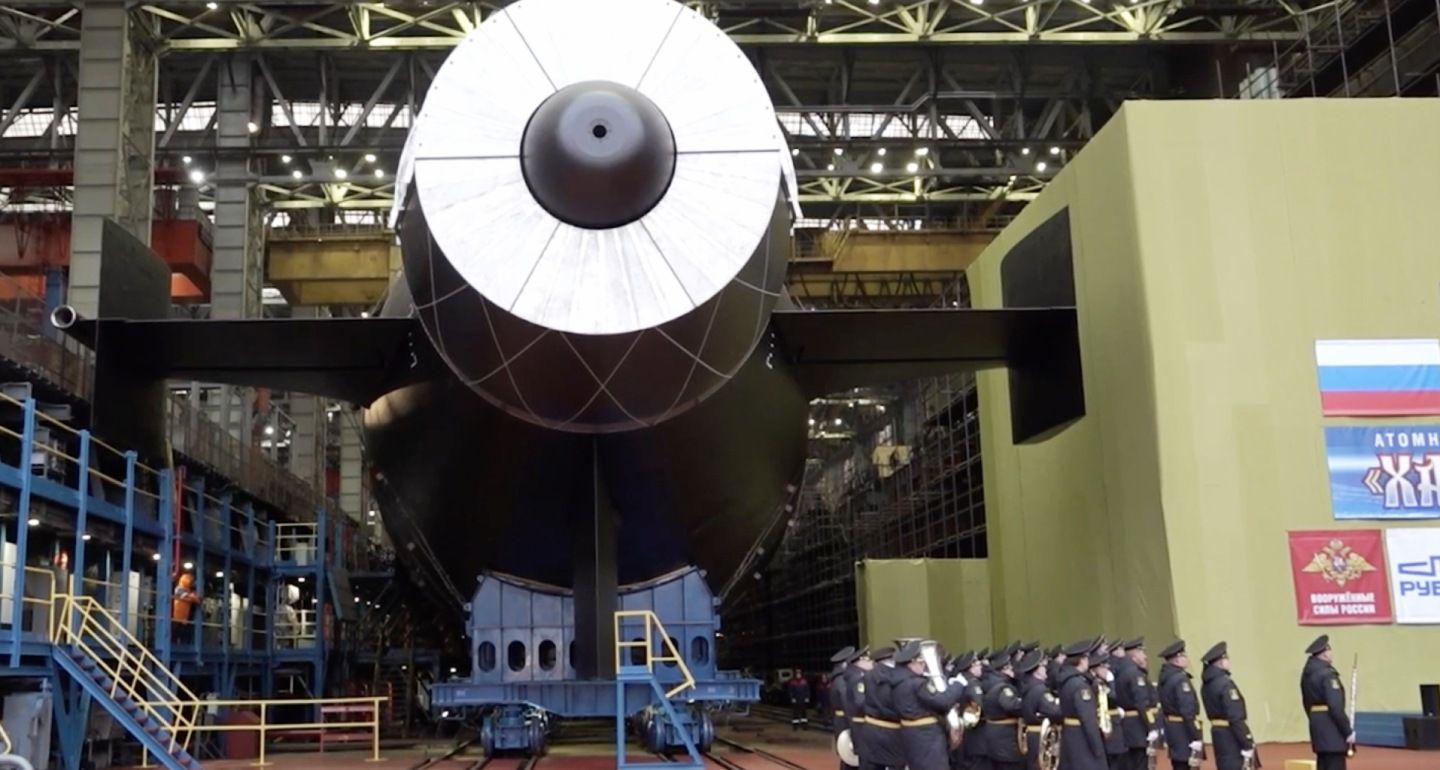
The Kremlin will only be prepared to negotiate strategic arms limitations if it is confident it can secure significant concessions from the United States. Otherwise, meaningful dialogue is unlikely, and the international system of strategic stability will continue to teeter on the brink of total collapse.
Maxim Starchak