

Other
Michael D. Swaine
{
  "authors": [
    "Michael D. Swaine"
  ],
  "type": "other",
  "centerAffiliationAll": "dc",
  "centers": [
    "Carnegie Endowment for International Peace"
  ],
  "collections": [],
  "englishNewsletterAll": "asia",
  "nonEnglishNewsletterAll": "",
  "primaryCenter": "Carnegie Endowment for International Peace",
  "programAffiliation": "AP",
  "programs": [
    "Asia"
  ],
  "projects": [],
  "regions": [
    "North America",
    "United States",
    "East Asia",
    "China"
  ],
  "topics": [
    "Climate Change",
    "Foreign Policy"
  ]
}
Source: Getty
Authoritative and non-authoritative Chinese sources strongly oppose President Donald J. Trump’s decision to withdraw the United States from the Paris Climate Accords.
Source: China Leadership Monitor
In this issue of the Monitor, we examine Chinese views toward President Donald J. Trump’s decision of June 1, 2017, to withdraw the United States from the Paris Climate Accords, thus undermining a major area of Sino-American cooperation. Many observers have examined the implications of this action for U.S.-China-European relations and Chinese foreign policy in particular, often stressing how it will benefit China by giving Beijing the mantle of global leadership over efforts to address this major area of global governance.1
However, few if any observers have taken a detailed look at Chinese thinking on the matter, either before or after Trump’s decision occurred. Most Western commentary on Chinese views merely points out growing Chinese support for international efforts to combat climate change and an apparent desire to use Trump’s action to build international support for China as a responsible global leader. A less charitable view alleges that China is gleefully seeking to use the U.S. withdrawal from the Paris Accords to supplant the U.S. as the dominant global power.2
In fact, overall, based on the public record, Chinese views on the Paris Accords and U.S.-China cooperation in combating climate change are by and large extremely positive and in many instances fact-based and non-polemical. An examination of them confirms that Beijing clearly: a) accepts the dangers of climate change; b) recognizes the need to work closely with other nations to address the issue in a pragmatic way; and c) grasps the benefits for China of using the fight against climate change to not only strengthen global governance as a whole, but to also transition the Chinese economy to a more sustained level of long-term growth. As a result, Trump’s withdrawal from the Paris Accords is generally seen as an extremely disappointing and destructive action, of little benefit to China.
As in past CLM pieces, Chinese views are divided into authoritative and nonauthoritative statements and actions. This article ends with further thoughts on the possible significance of Chinese views on the U.S. withdrawal.
This article will be published by the China Leadership Monitor.
1 Javier C. Hernandez, “Turning Against Trump: How the Chinese Covered the Climate Pact Exit,” The New York Times, June 4, 2017, https://www.nytimes.com/2017/06/04/world/asia/china-media-climate-trump.html.
2 David E. Sanger and Jane Perlez, “Trump Hands the Chinese a Gift: The Chance for Global Leadership,” The New York Times, June 1, 2017, https://www.nytimes.com/2017/06/01/us/politics/climate-accord-trump-china-global-leadership.html.

Former Senior Fellow, Asia Program
Swaine was a senior fellow at the Carnegie Endowment for International Peace and one of the most prominent American analysts in Chinese security studies.
Recent Work
Michael D. Swaine
Michael D. Swaine
Carnegie does not take institutional positions on public policy issues; the views represented herein are those of the author(s) and do not necessarily reflect the views of Carnegie, its staff, or its trustees.

Not only does the fighting jeopardize regional security, it undermines Russian attempts to promote alternatives to the Western-dominated world order.

Ruslan Suleymanov
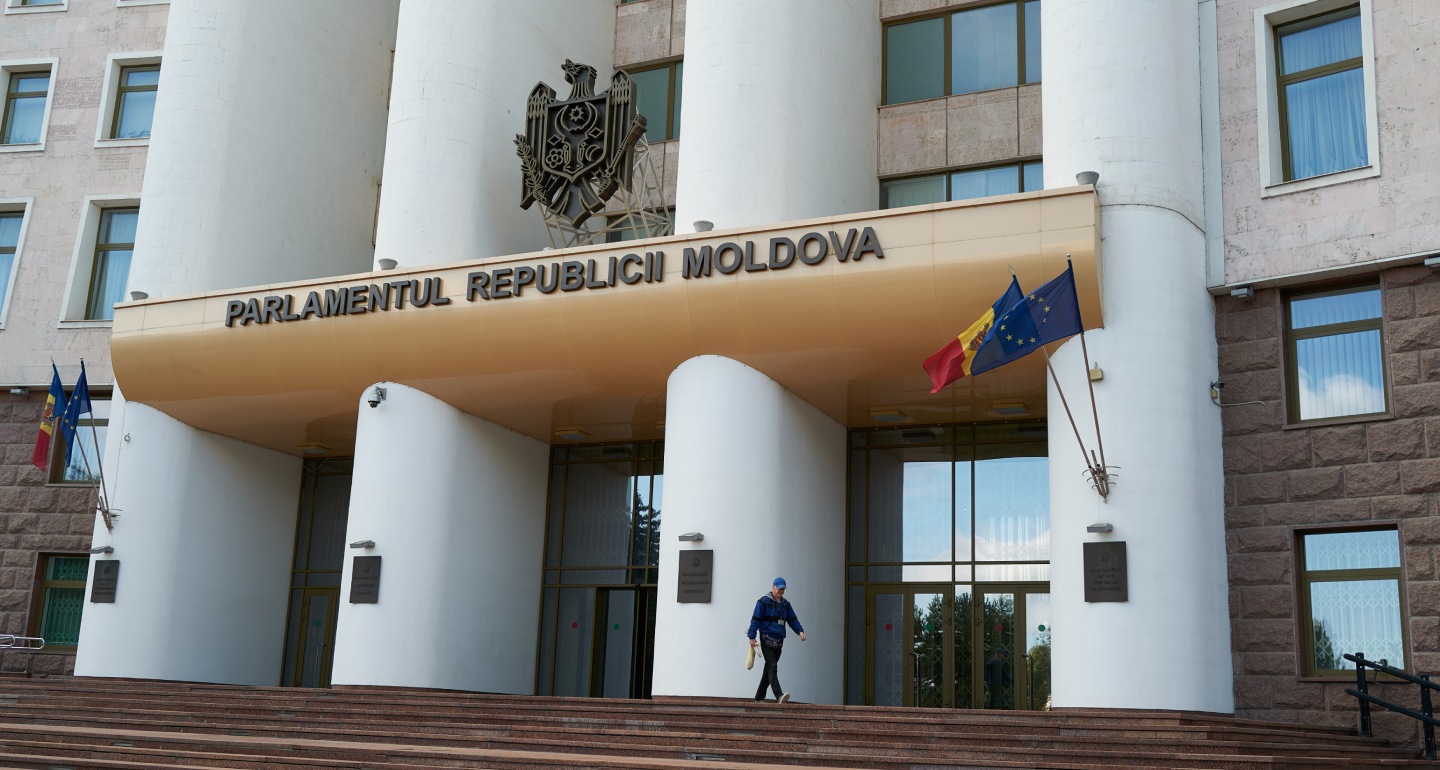
Moldova’s reintegration plan was drawn up to demonstrate to Brussels that Chișinău is serious about the Transnistria issue—and to get the West to react.

Vladimir Solovyov
Lukashenko is willing to make big sacrifices for an invitation to Mar-a-Lago or the White House. He also knows that the clock is ticking: he must squeeze as much out of the Trump administration as he can before congressional elections in November leave Trump hamstrung or distracted.

Artyom Shraibman

The future trajectory of the U.S.-Iran war remains uncertain, but its impact on global energy trade flows and ties will be far-reaching. Moscow is likely to become a key beneficiary of these changes; the crisis in the Gulf also strengthens Russia’s hand in its relationships with China and India, where advantages might prove more durable.

Sergey Vakulenko

The Kremlin expects to not only profit from rising fertilizer prices but also exact revenge for the collapse of the 2023 grain deal.

Alexandra Prokopenko