

Commentary
Tokyo would have to surmount a lot of obstacles—not least Western sanctions—if it wanted to return Russian oil imports to even modest pre-2022 volumes.
Vladislav Pashchenko
{
  "authors": [
    "Vipin Narang",
    "Ankit Panda"
  ],
  "type": "other",
  "centerAffiliationAll": "dc",
  "centers": [
    "Carnegie Endowment for International Peace"
  ],
  "collections": [
    "Korean Peninsula"
  ],
  "englishNewsletterAll": "ctw",
  "nonEnglishNewsletterAll": "",
  "primaryCenter": "Carnegie Endowment for International Peace",
  "programAffiliation": "NPP",
  "programs": [
    "Nuclear Policy"
  ],
  "projects": [],
  "regions": [
    "East Asia",
    "North Korea"
  ],
  "topics": [
    "Nuclear Policy"
  ]
}
Source: Getty
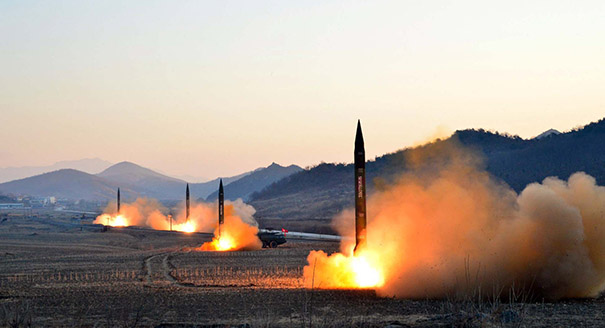
For a new nuclear state like North Korea, questions concerning strategic implementation abound.
Source: War on the Rocks
A new nuclear state, in a major crisis with a conventionally superior nuclear-armed adversary, contemplates and prepares to move nuclear assets in the event it has to use them. Who controls the nuclear forces? Who decides when they might be assembled, mated to delivery vehicles, moved, and launched? Who has nominal authority to order those decisions? Who has the physical ability to implement them even without proper authorization? How experienced are the relevant units in these operations? What could go wrong?
These were the questions that bedeviled Pakistan in the 1999 Kargil War and again in the 10-month standoff with India in 2001-2002. They are the same challenges and issues that confront North Korea today.
As the mountain of dust settles after North Korea’s purported thermonuclear bomb, intermediate-range ballistic missile, and intercontinental-range ballistic missile (ICBM) tests this summer and it becomes an increasingly operational nuclear state, one of the many deadly serious challenges it faces is how it manages its nuclear forces, or what command and control arrangement it erects. These arrangements are the transmission belt that makes a state’s nuclear strategy operational — how and when nuclear weapons are managed and might actually be employed. As a nuclear weapons power, North Korea now has to think about how precisely it wants to implement its “asymmetric escalation” strategy. And so does the United States, since these arrangements have very real implications for when nuclear weapons might be used intentionally — or unintentionally — in a conflict.
This article was originally published in War on the Rocks
Former Nonresident Scholar, Nuclear Policy Program
Vipin Narang was a nonresident scholar in the Nuclear Policy Program at the Carnegie Endowment for International Peace.

Stanton Senior Fellow, Nuclear Policy Program
Ankit Panda is the Stanton Senior Fellow in the Nuclear Policy Program at the Carnegie Endowment for International Peace.
Carnegie does not take institutional positions on public policy issues; the views represented herein are those of the author(s) and do not necessarily reflect the views of Carnegie, its staff, or its trustees.
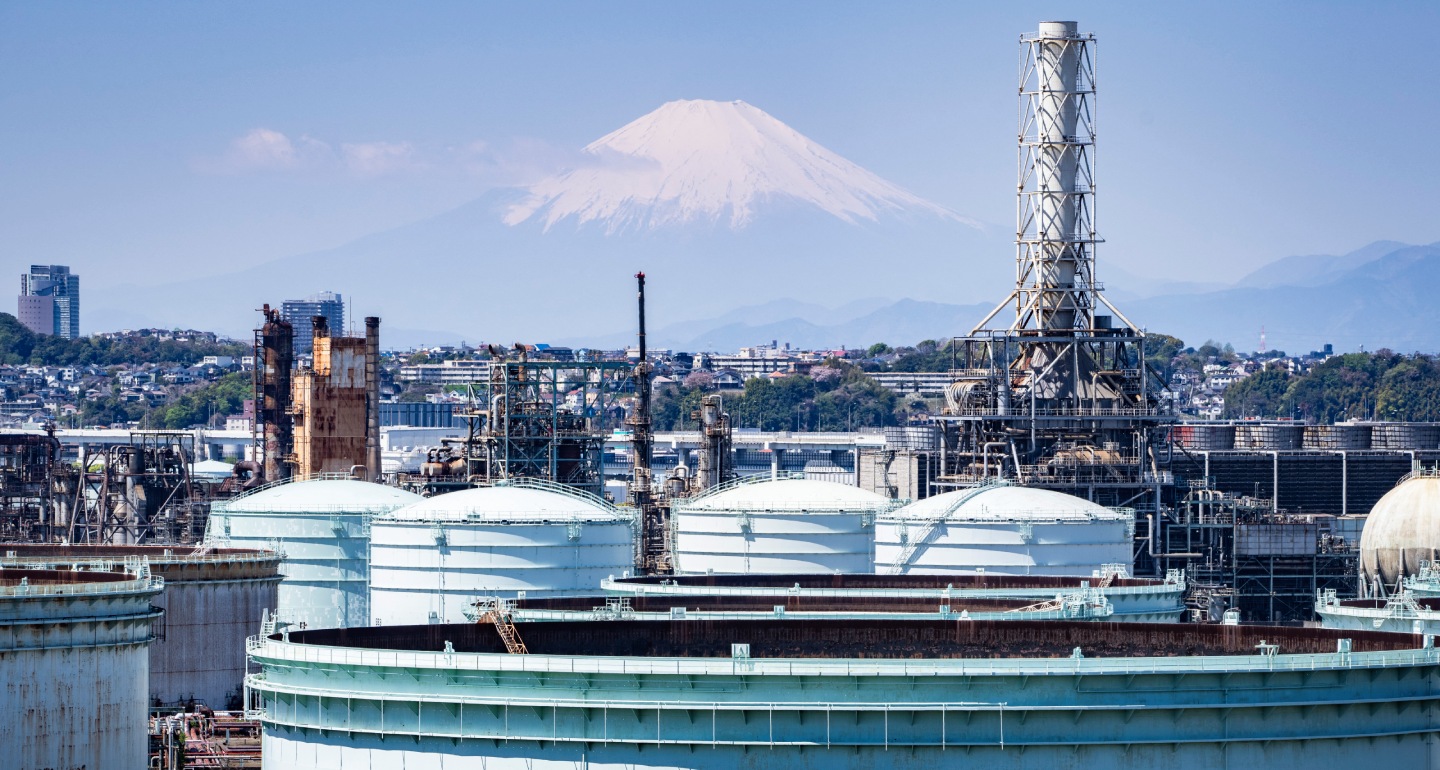
Tokyo would have to surmount a lot of obstacles—not least Western sanctions—if it wanted to return Russian oil imports to even modest pre-2022 volumes.

Vladislav Pashchenko
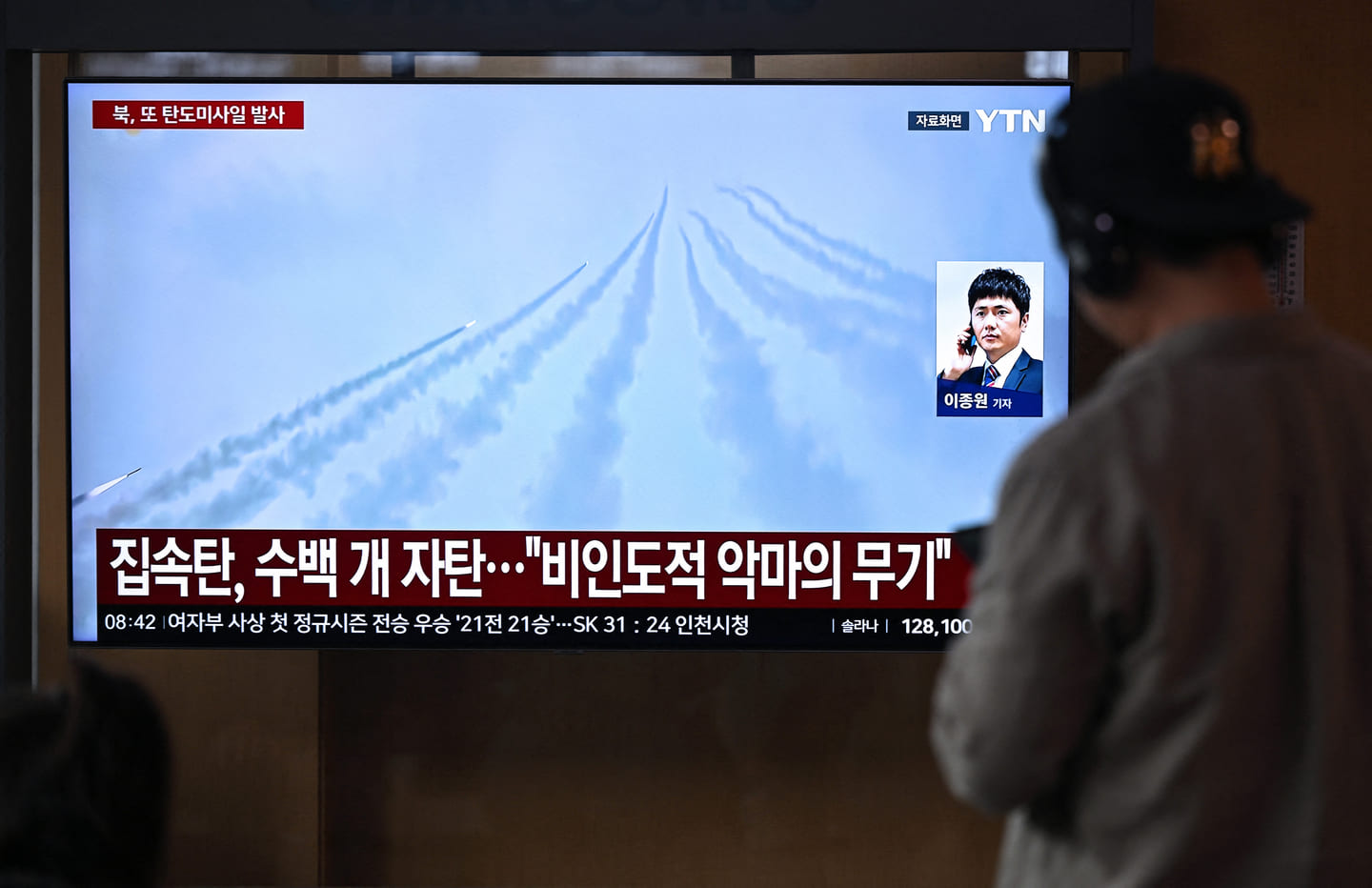
Troubled by the growing salience of nuclear debates in East Asia, Moscow has responded in its usual way: with condemnation and threats. But by exacerbating insecurity, Russia is forcing South Korea and Japan to consider radical security options.

James D.J. Brown
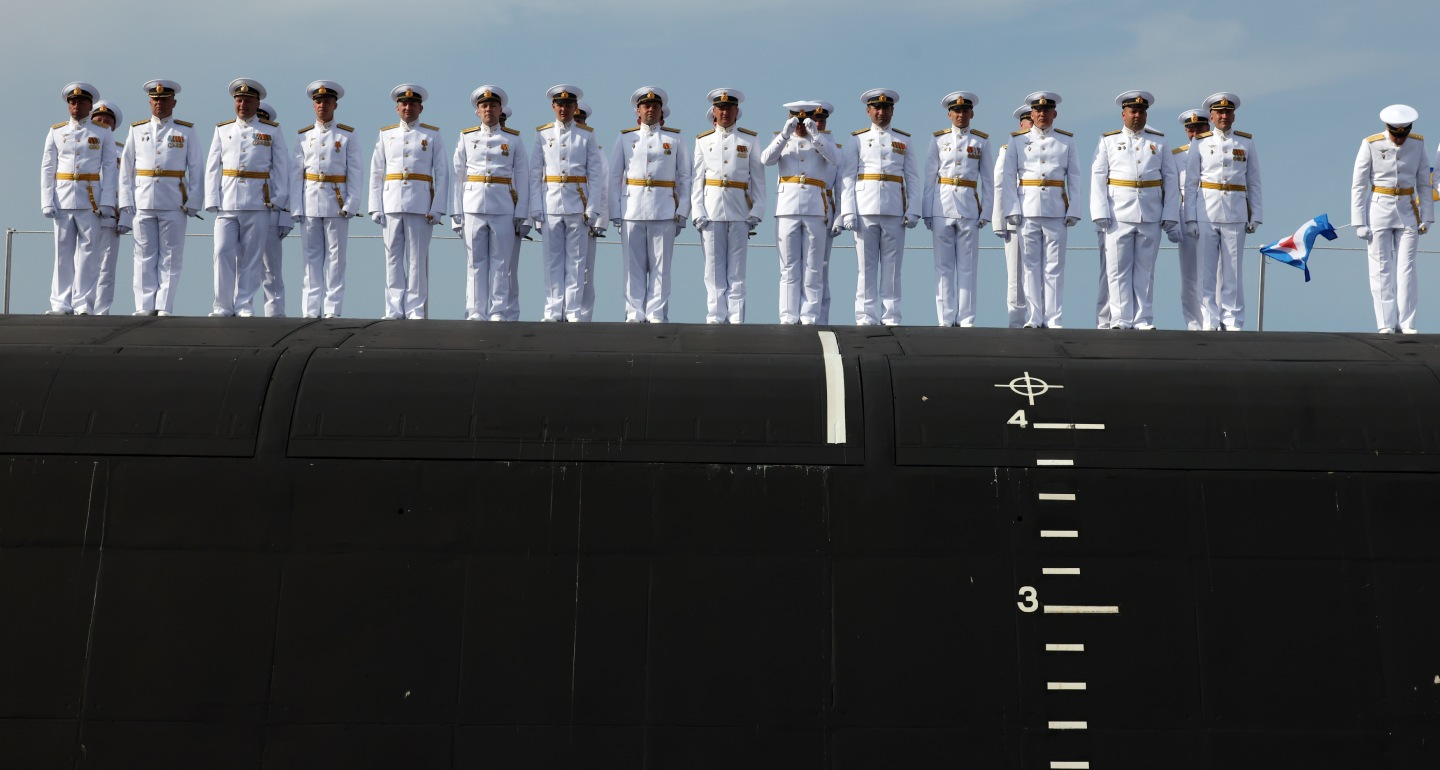
For Putin, upgrading Russia’s nuclear forces was a secondary goal. The main aim was to gain an advantage over the West, including by strengthening the nuclear threat on all fronts. That made growth in missile arsenals and a new arms race inevitable.

Maxim Starchak
The Kremlin will only be prepared to negotiate strategic arms limitations if it is confident it can secure significant concessions from the United States. Otherwise, meaningful dialogue is unlikely, and the international system of strategic stability will continue to teeter on the brink of total collapse.
Maxim Starchak
The collapse of the Budapest summit is an inevitable result of the Russian system of artificially creating foreign policy crises in order to achieve a desired outcome.

Alexander Baunov