

Report
- +2
George Perkovich, Jessica Tuchman Mathews, Joseph Cirincione, …
{
  "authors": [
    "Jon Wolfsthal"
  ],
  "type": "other",
  "centerAffiliationAll": "dc",
  "centers": [
    "Carnegie Endowment for International Peace"
  ],
  "collections": [
    "Korean Peninsula"
  ],
  "englishNewsletterAll": "ctw",
  "nonEnglishNewsletterAll": "",
  "primaryCenter": "Carnegie Endowment for International Peace",
  "programAffiliation": "NPP",
  "programs": [
    "Nuclear Policy"
  ],
  "projects": [],
  "regions": [
    "East Asia",
    "North Korea"
  ],
  "topics": [
    "Nuclear Policy"
  ]
}
Source: Getty
To reduce danger, we need less bombast and better communication.
Source: USA Today
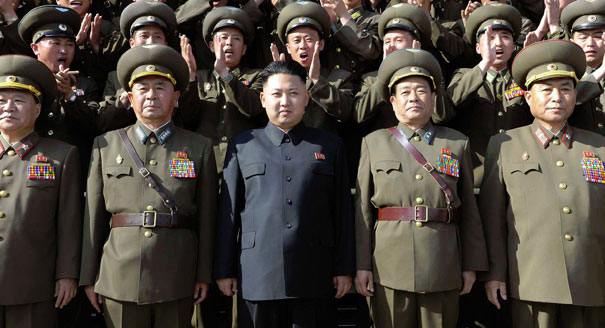
America’s top priority must be to avoid a second Korean war. Yet such a war is closer than ever and appears almost inevitable unless America changes the approach President Trump has been using since he took office. The greatest risk of war with North Korea is not sudden action by Kim Jong Un, but Kim responding to a perceived attack by Trump. North Korea foreign minister Ri Yong-ho drove that home Monday when he called Trump’s threats against his country “a clear declaration of war.”
The United States has been in a technical state of war with North Korea since the end of the Korean War in 1953. Every president since Dwight D. Eisenhower has had to navigate the risk of conflict with North Korea. What’s new is Trump’s bombastic approach to this long-standing challenge—his personal insults, crazy tweets and threat at the United Nations to "totally destroy North Korea."
Kim knows North Korea cannot win a war with the United States and that his only hope of survival is to strike fast and hard to stop a conflict before it gets going and he starts to lose. This is the strategy that led North Korea to deploy thousands of long-range artillery pieces near Seoul, and that is the thinking behind its nuclear program. Hit hard, hit first, seek a truce.
This article was originaly published in USA Today
Former Nonresident Scholar, Nuclear Policy Program
Jon Wolfsthal was a nonresident scholar with the Nuclear Policy Program.
Recent Work


George Perkovich, Jessica Tuchman Mathews, Joseph Cirincione, …
Jon Wolfsthal
Carnegie does not take institutional positions on public policy issues; the views represented herein are those of the author(s) and do not necessarily reflect the views of Carnegie, its staff, or its trustees.
Tokyo would have to surmount a lot of obstacles—not least Western sanctions—if it wanted to return Russian oil imports to even modest pre-2022 volumes.

Vladislav Pashchenko
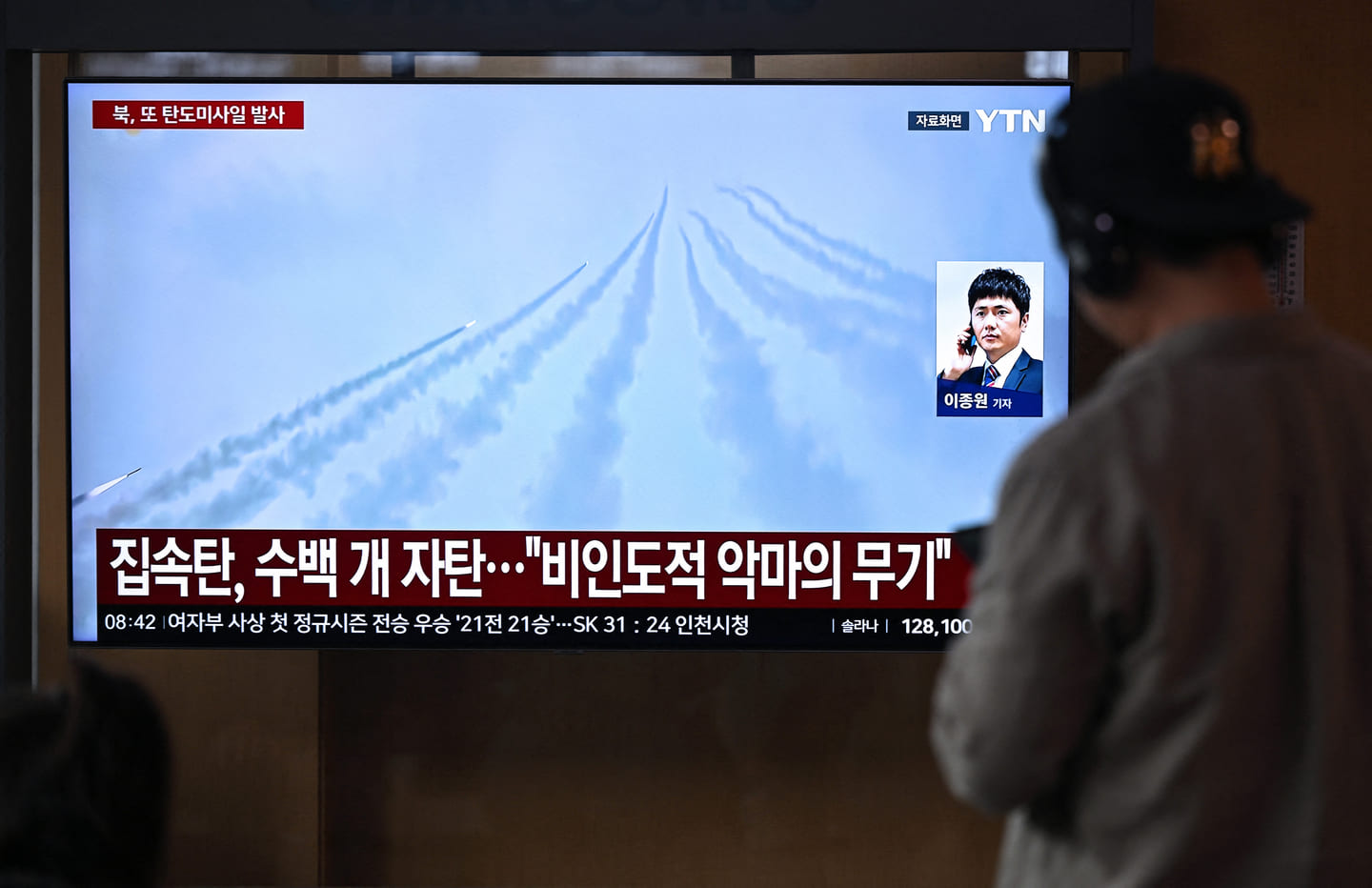
Troubled by the growing salience of nuclear debates in East Asia, Moscow has responded in its usual way: with condemnation and threats. But by exacerbating insecurity, Russia is forcing South Korea and Japan to consider radical security options.

James D.J. Brown
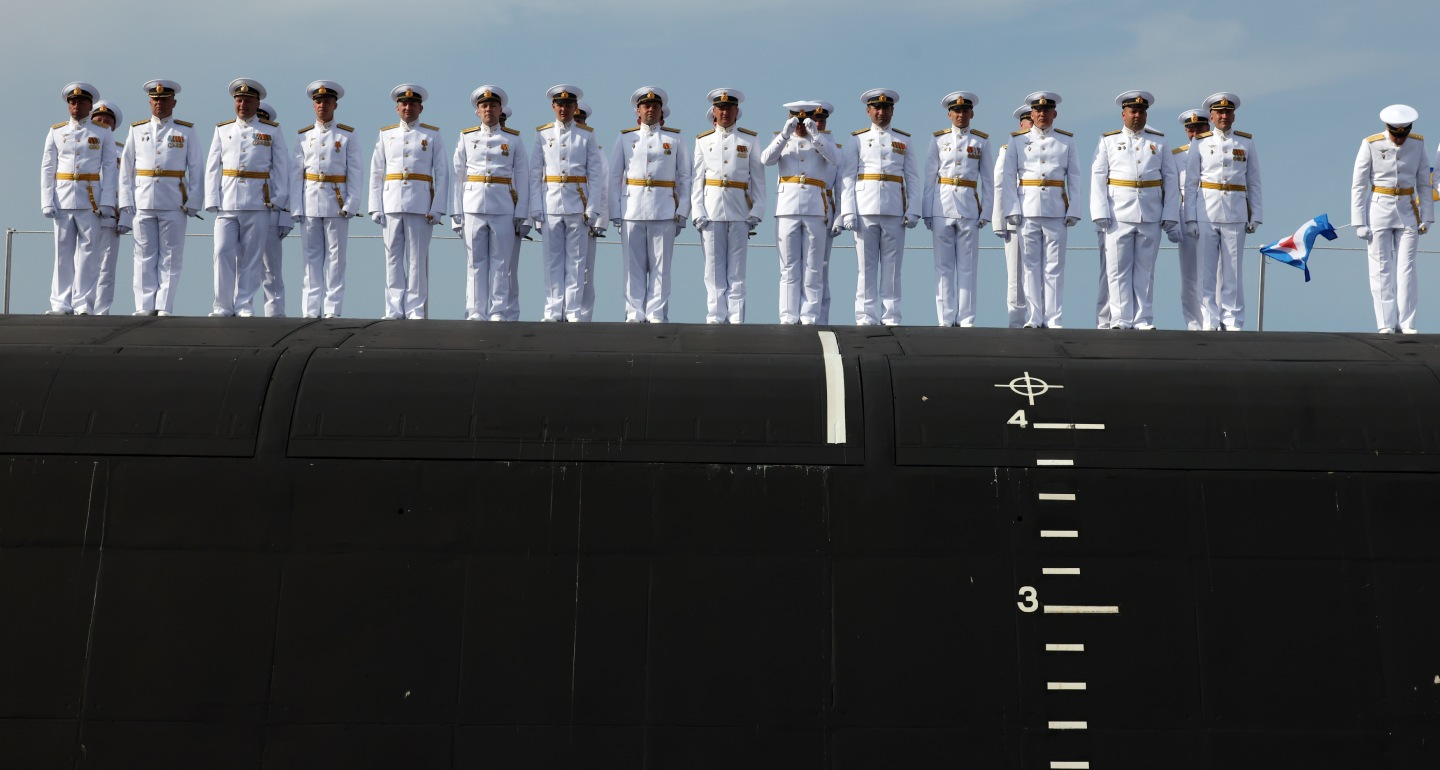
For Putin, upgrading Russia’s nuclear forces was a secondary goal. The main aim was to gain an advantage over the West, including by strengthening the nuclear threat on all fronts. That made growth in missile arsenals and a new arms race inevitable.
Maxim Starchak
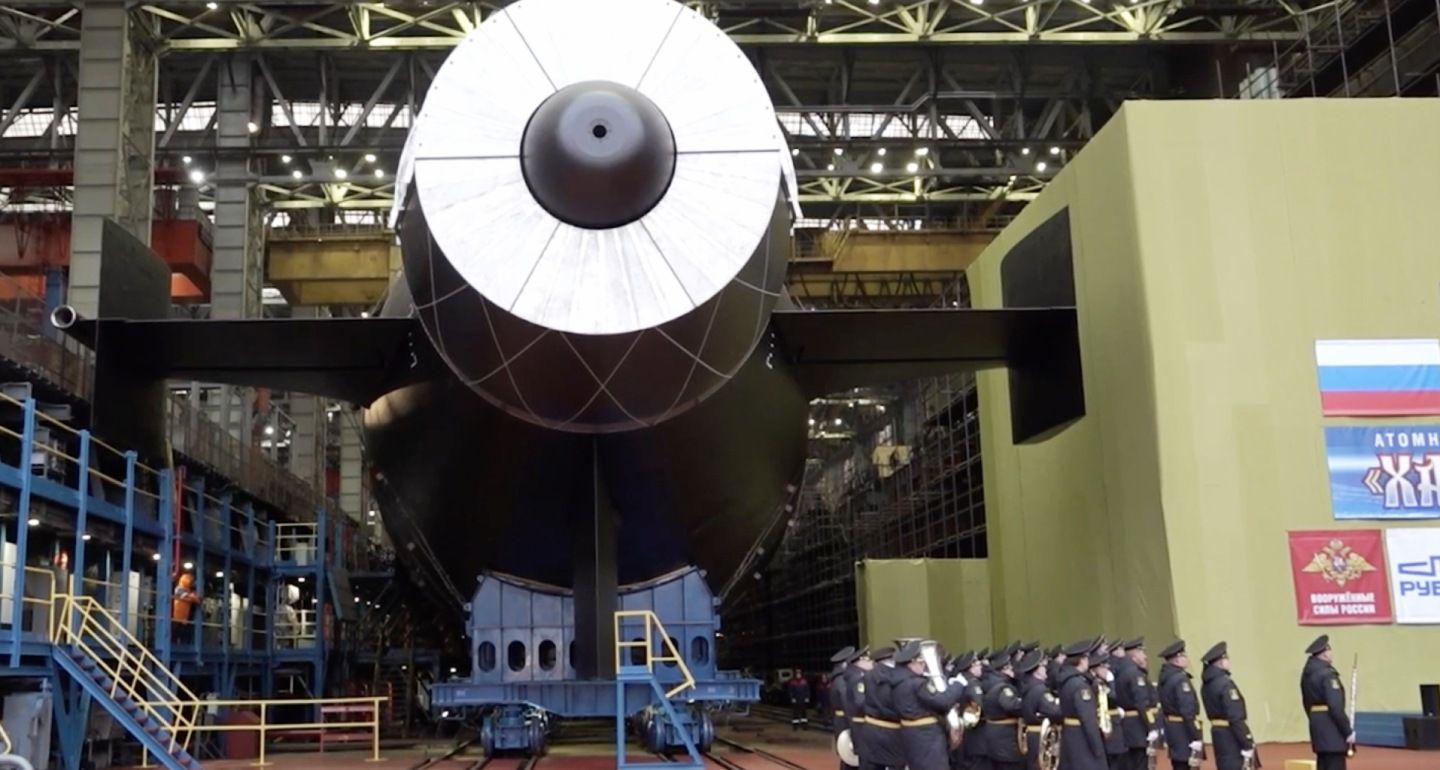
The Kremlin will only be prepared to negotiate strategic arms limitations if it is confident it can secure significant concessions from the United States. Otherwise, meaningful dialogue is unlikely, and the international system of strategic stability will continue to teeter on the brink of total collapse.
Maxim Starchak
The collapse of the Budapest summit is an inevitable result of the Russian system of artificially creating foreign policy crises in order to achieve a desired outcome.

Alexander Baunov