

Commentary
Tokyo would have to surmount a lot of obstacles—not least Western sanctions—if it wanted to return Russian oil imports to even modest pre-2022 volumes.
Vladislav Pashchenko
{
  "authors": [
    "Se Young Jang"
  ],
  "type": "other",
  "centerAffiliationAll": "dc",
  "centers": [
    "Carnegie Endowment for International Peace"
  ],
  "collections": [
    "Korean Peninsula"
  ],
  "englishNewsletterAll": "ctw",
  "nonEnglishNewsletterAll": "",
  "primaryCenter": "Carnegie Endowment for International Peace",
  "programAffiliation": "NPP",
  "programs": [
    "Nuclear Policy"
  ],
  "projects": [],
  "regions": [
    "East Asia",
    "South Korea"
  ],
  "topics": [
    "Nuclear Policy"
  ]
}
Source: Getty
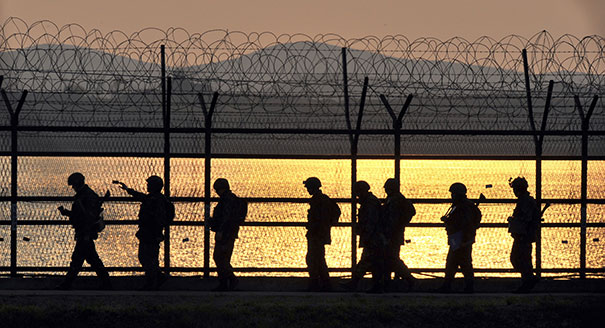
Economic factors alone cannot explain the development of South Korea’s nuclear energy industry.
Source: Chapter in Economic Development and Environmental History in the Anthropocene
How was it possible for resource- and capital-scarce South Korea to launch capital- and technology-intensive nuclear energy projects in the 1960s and 1970s, not long after the devastating Korean War? The development of South Korea’s nuclear energy industry cannot be explained only by economic factors. Jang argues in this edited volume that the political setting—sometimes combined with the external economic environment—also played a significant role in facilitating South Korea’s interests in nuclear energy and further motivating the Park Chung-hee administration to develop indigenous nuclear technology. She emphasizes three specific elements: first, the favorable external environment for nuclear technology transfer under the U.S. Atoms for Peace project in the 1950s helped South Korea gain some basic knowledge and competence in nuclear energy; second, South Korea’s military ambitions to develop nuclear weapons in the 1970s promoted civilian nuclear research and investment because of the nuclear technology’s dual-use characteristics; and last, the competition among nuclear suppliers in the world nuclear market set up a favorable environment for new customers, thereby enabling South Korea relatively easily to acquire highly advanced technology and facilities with sufficient foreign loans.
Former Nonresident Scholar, Nuclear Policy Program
Se Young Jang was a nonresident scholar in the Nuclear Policy Program at the Carnegie Endowment for International Peace.
Carnegie does not take institutional positions on public policy issues; the views represented herein are those of the author(s) and do not necessarily reflect the views of Carnegie, its staff, or its trustees.
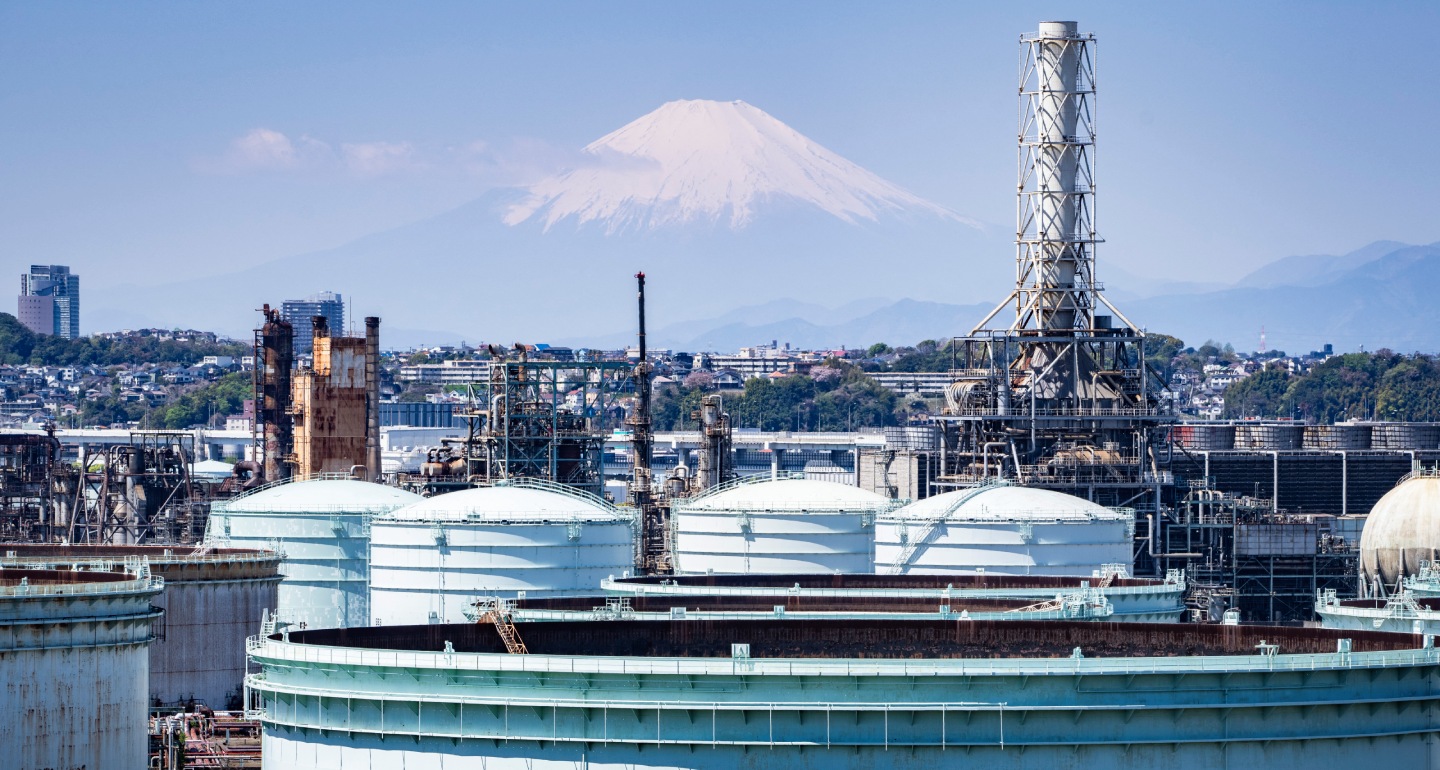
Tokyo would have to surmount a lot of obstacles—not least Western sanctions—if it wanted to return Russian oil imports to even modest pre-2022 volumes.

Vladislav Pashchenko
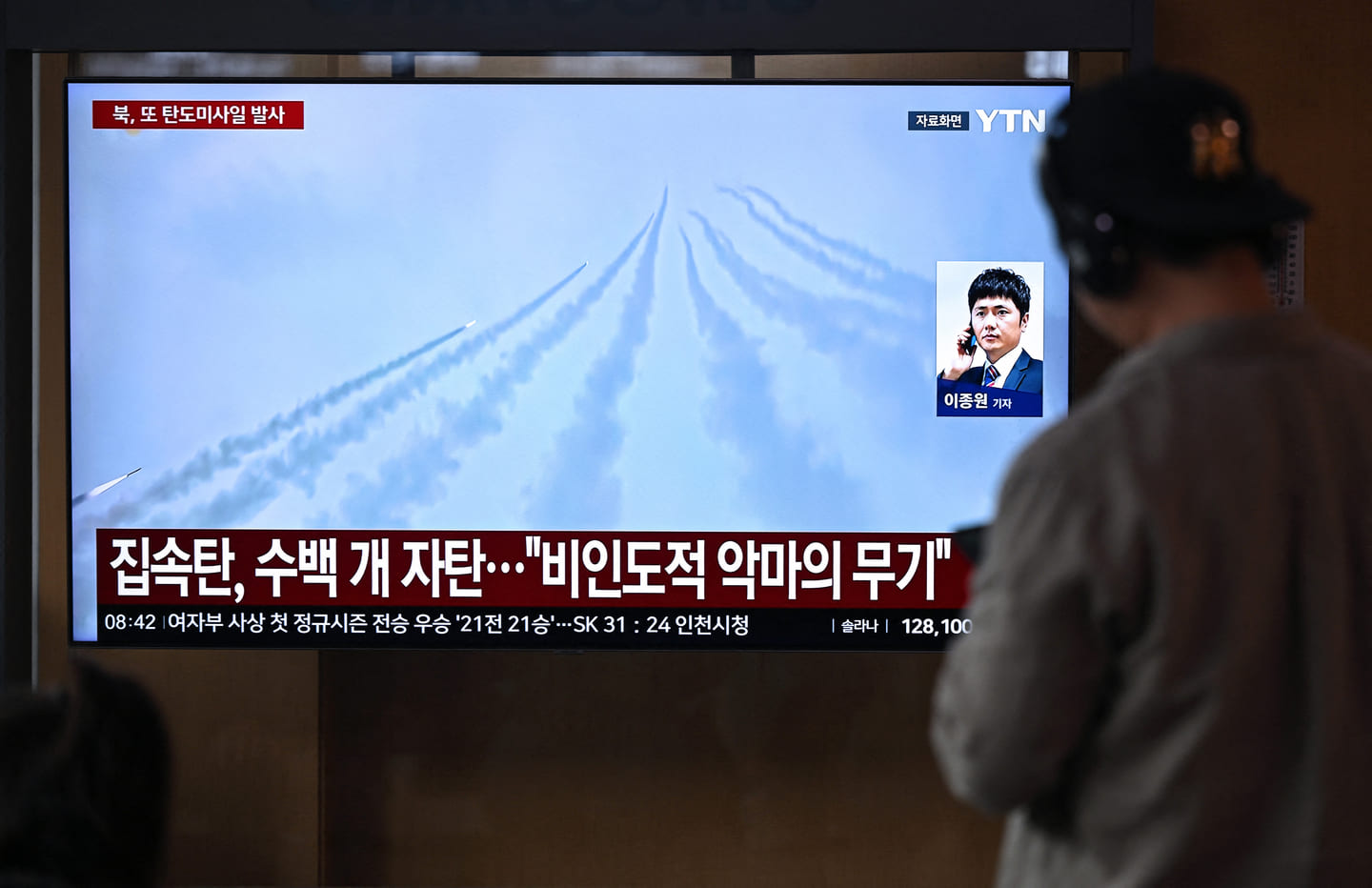
Troubled by the growing salience of nuclear debates in East Asia, Moscow has responded in its usual way: with condemnation and threats. But by exacerbating insecurity, Russia is forcing South Korea and Japan to consider radical security options.

James D.J. Brown
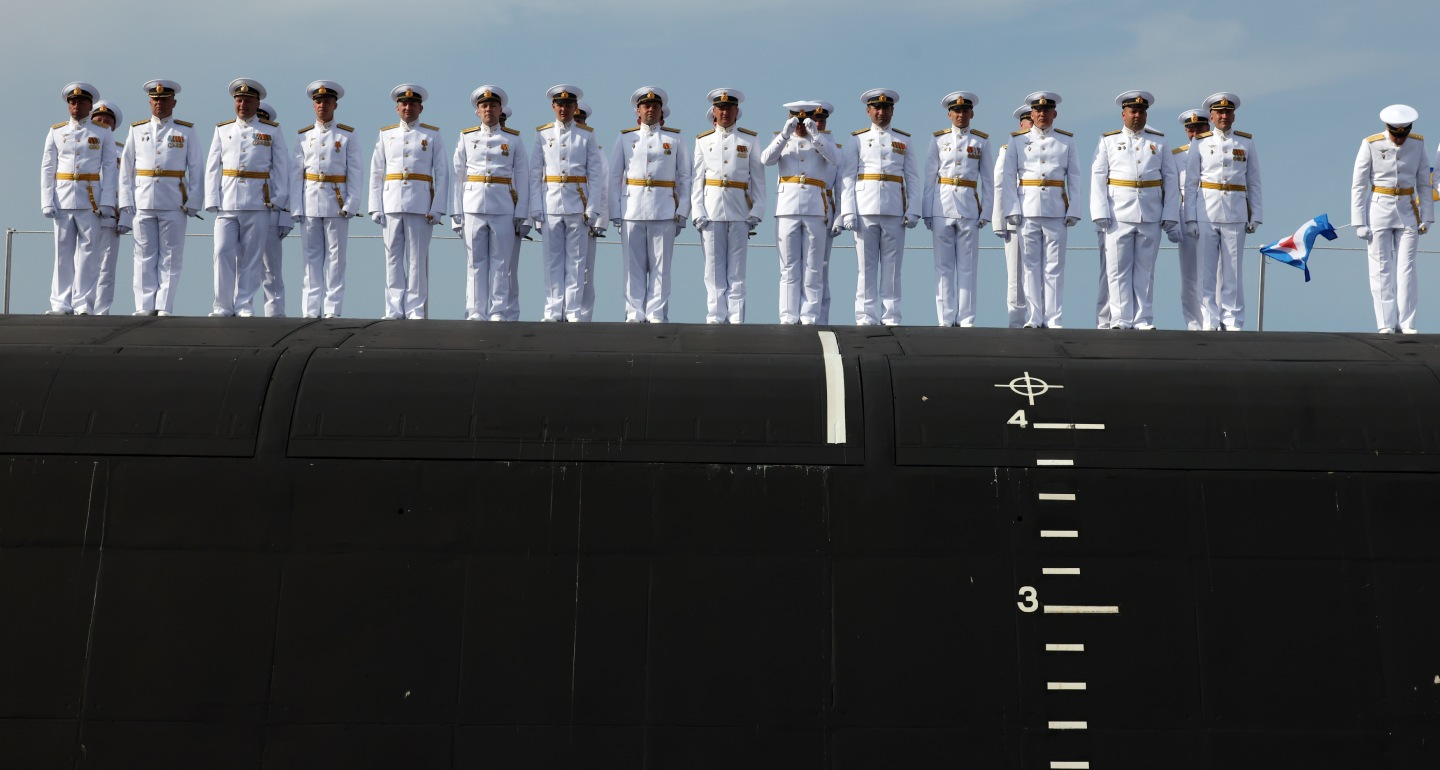
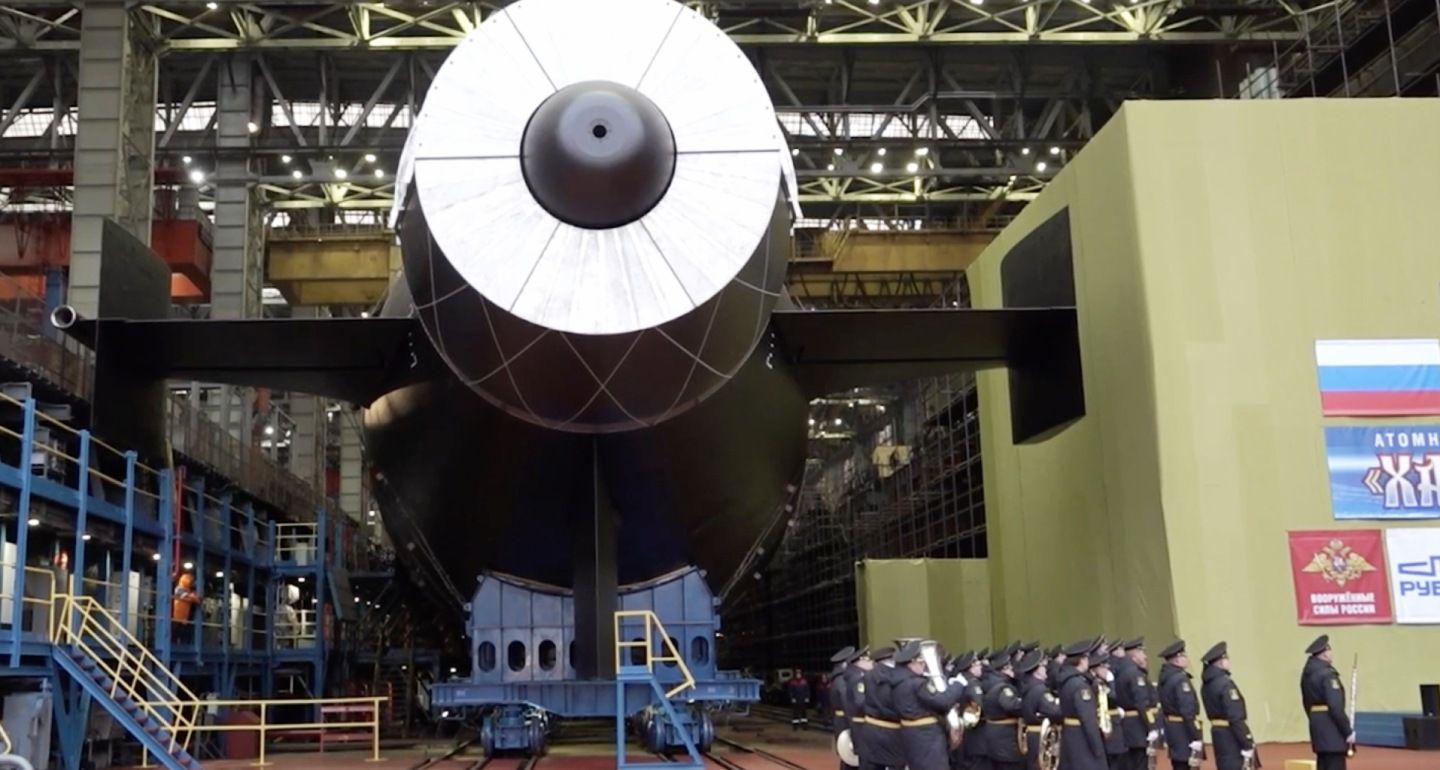
For Putin, upgrading Russia’s nuclear forces was a secondary goal. The main aim was to gain an advantage over the West, including by strengthening the nuclear threat on all fronts. That made growth in missile arsenals and a new arms race inevitable.
Maxim Starchak
The Kremlin will only be prepared to negotiate strategic arms limitations if it is confident it can secure significant concessions from the United States. Otherwise, meaningful dialogue is unlikely, and the international system of strategic stability will continue to teeter on the brink of total collapse.
Maxim Starchak
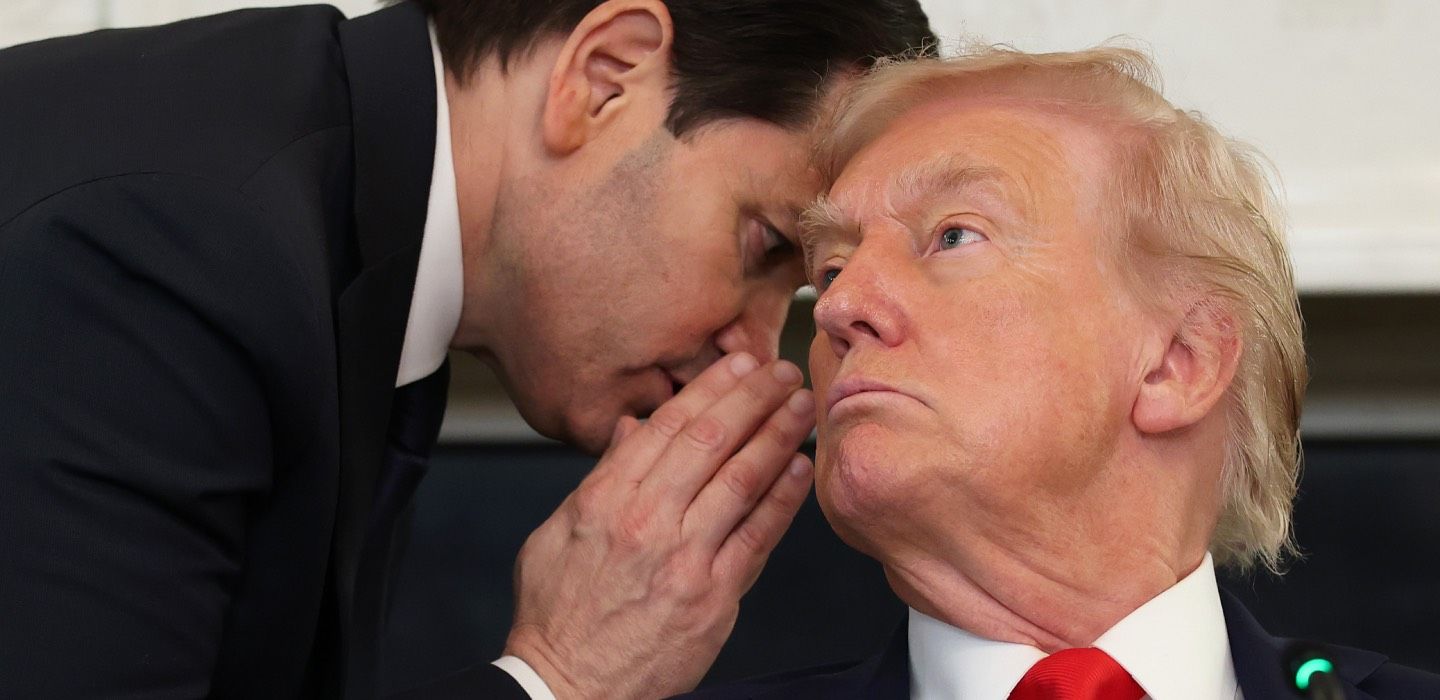
The collapse of the Budapest summit is an inevitable result of the Russian system of artificially creating foreign policy crises in order to achieve a desired outcome.

Alexander Baunov