

Article
C. Raja Mohan, Darshana M. Baruah
{
  "authors": [
    "C. Raja Mohan"
  ],
  "type": "other",
  "centerAffiliationAll": "",
  "centers": [
    "Carnegie Endowment for International Peace",
    "Carnegie India"
  ],
  "collections": [],
  "englishNewsletterAll": "",
  "nonEnglishNewsletterAll": "",
  "primaryCenter": "Carnegie India",
  "programAffiliation": "",
  "programs": [],
  "projects": [],
  "regions": [
    "United States",
    "Asia",
    "South Asia",
    "India",
    "North America",
    "East Asia",
    "Southeast Asia"
  ],
  "topics": [
    "Foreign Policy"
  ]
}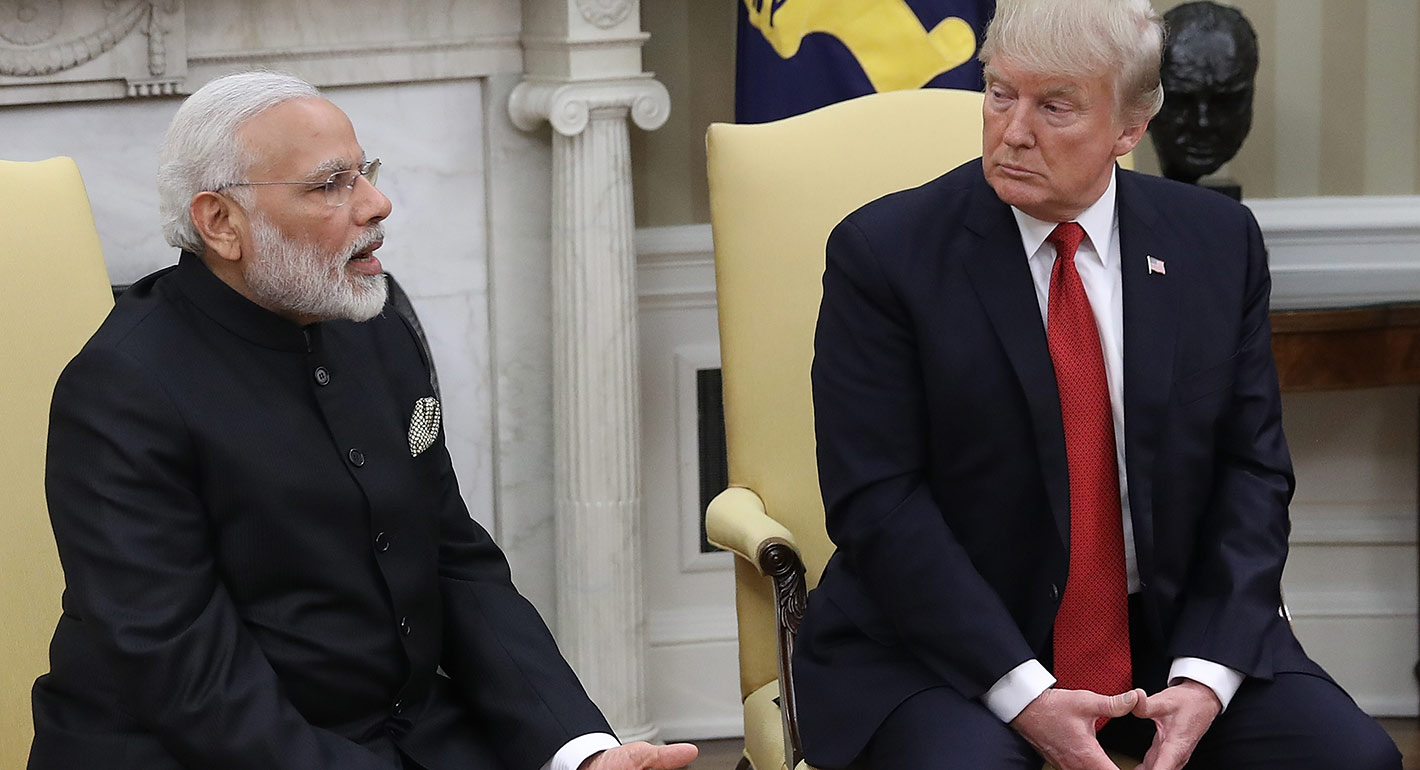
Source: Getty
The durability of the Indo-Pacific dynamic will depend essentially on New Delhi’s willingness to work with the United States and its allies in the region.
Source: Institute of South Asian Studies
One of the new dynamics of the gathering geopolitical turbulence in Asia and its waters is the growing use of the term ‘Indo-Pacific’. During his extended visit to Asia in November 2017, United States (US) President Donald Trump has defined the region as ‘Indo-Pacific’ rather than the customary ‘Asia-Pacific’. Concepts of geopolitical space are never static, and Trump’s emphasis on the Indo-Pacific underlines the rise of India, China’s assertiveness and its expanding footprint in the Indian Ocean, as well as Washington’s plans to elevate its strategic partnership with New Delhi. It involves America’s strategic bet on India’s future role in shaping the security architecture in the eastern hemisphere. Actively promoted in recent years by Japanese Prime Minister Shinzo Abe, the Indo-Pacific conception can be traced back to the decision of the Association of Southeast Asian Nations to invite India as a founding member of the East Asia Summit in 2005. The durability of the Indo-Pacific dynamic, however, will depend essentially on New Delhi’s willingness to work with the US and its allies in the region.
Former Nonresident Senior Fellow, Carnegie India
A leading analyst of India’s foreign policy, Mohan is also an expert on South Asian security, great-power relations in Asia, and arms control.
Recent Work

C. Raja Mohan, Darshana M. Baruah


Alexander Gabuev, Paul Haenle, C. Raja Mohan, …
Carnegie does not take institutional positions on public policy issues; the views represented herein are those of the author(s) and do not necessarily reflect the views of Carnegie, its staff, or its trustees.
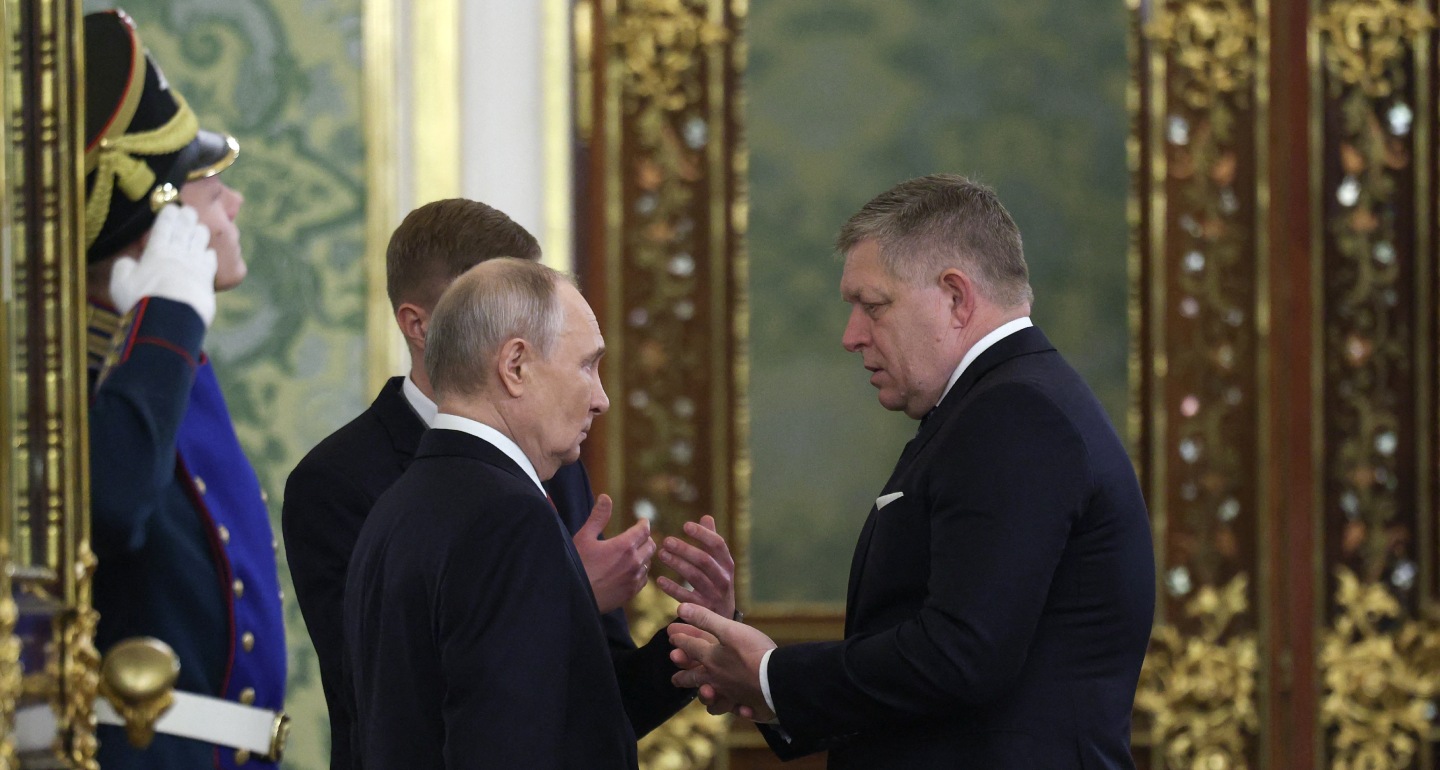
Though Orban is gone, Putin can still count on some like-minded individuals in Central and Eastern Europe. However, they will seek to avoid open confrontation with EU institutions over Ukraine and their ties with Moscow.

Dimitar Bechev

The truth is that Japan’s government is seeking a degree of reengagement but at a vastly reduced level than under Abe. Most significantly, Japan has shown no willingness to ease sanctions.

James D.J. Brown
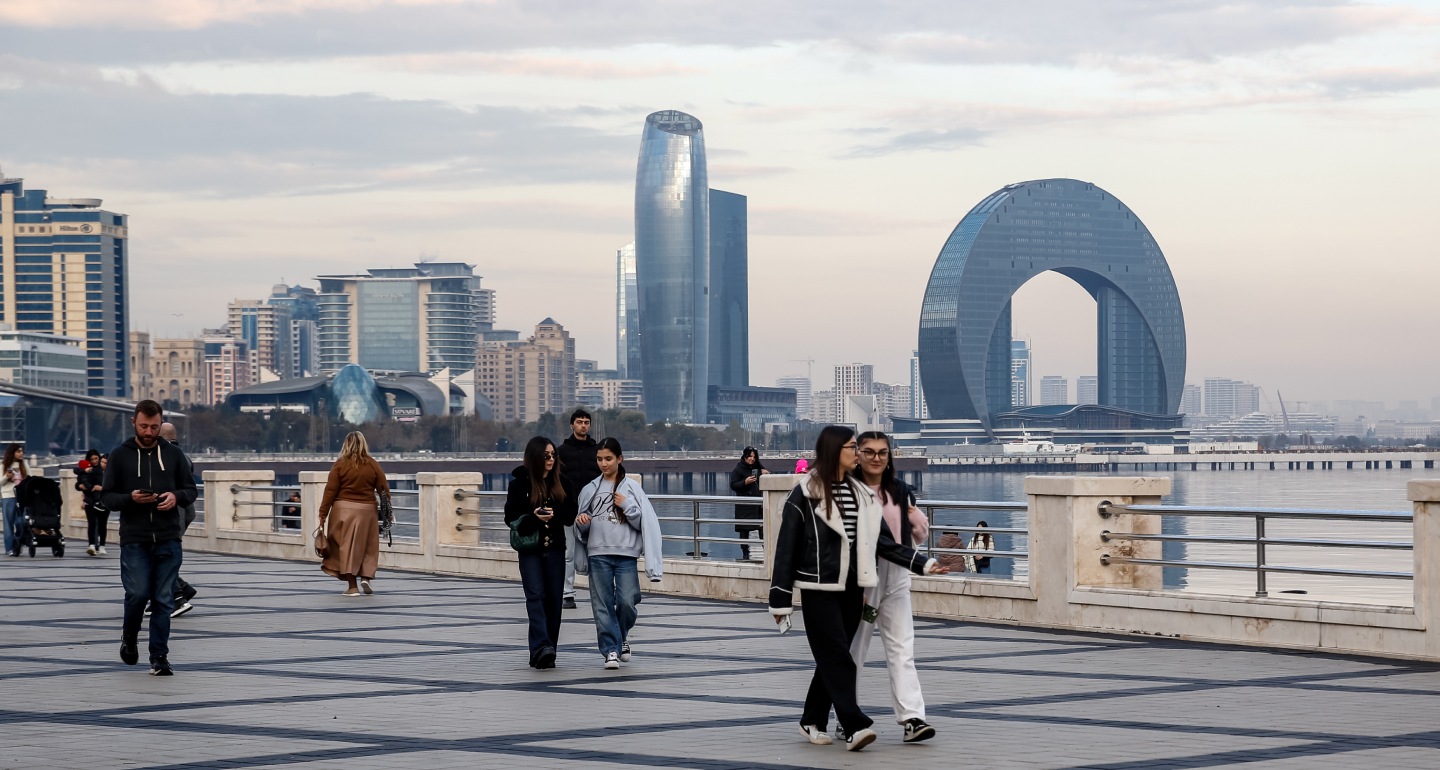
Azerbaijan’s relations with the EU appear to be going from strength to strength after several years in the deep freeze following the military escalation in Karabakh in 2023 and Azerbaijan’s bitter fallout with France and several other EU member states.

Shujaat Ahmadzada
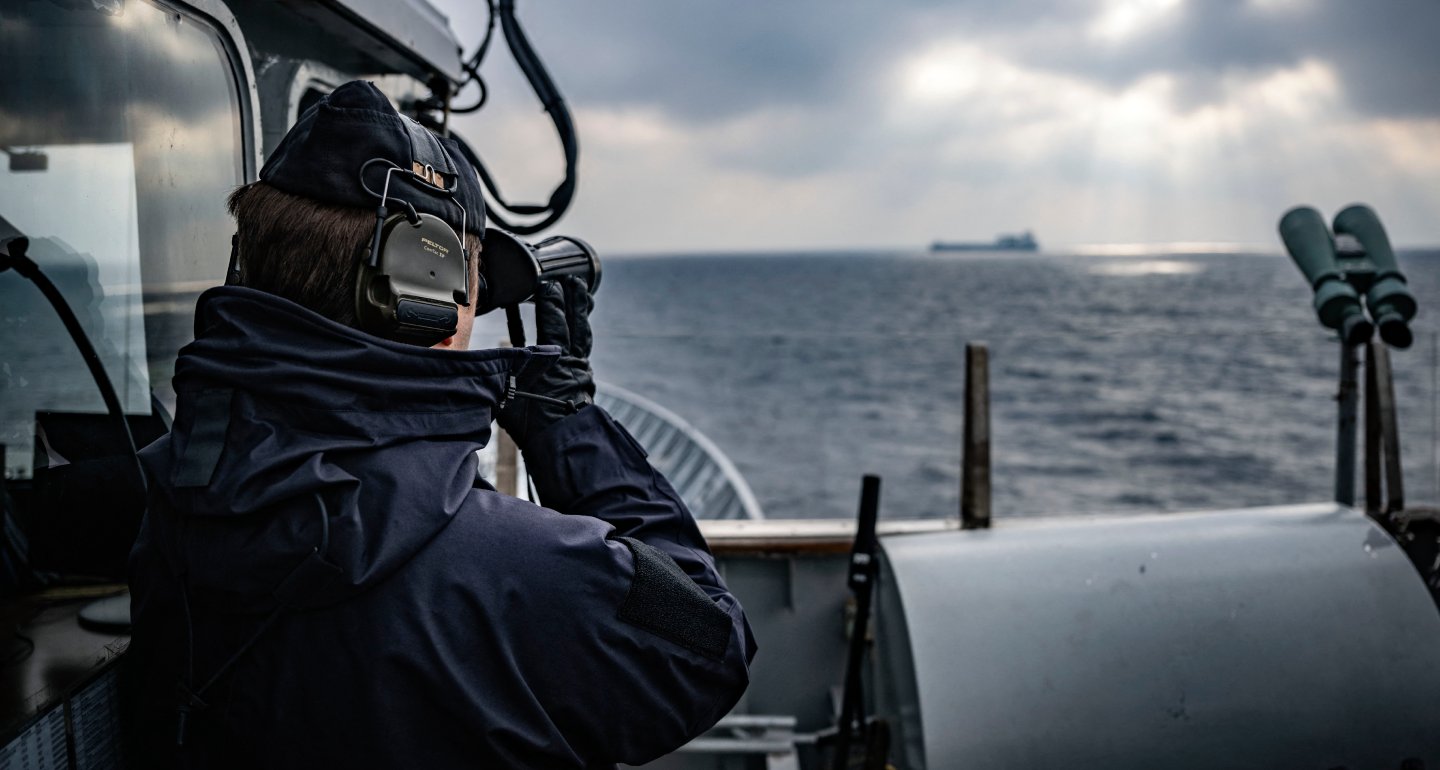
Governments in Estonia, Latvia, and Lithuania want to ensure that a U.S. military withdrawal would not leave them dangerously exposed to a Russian attack.

Sergejs Potapkins
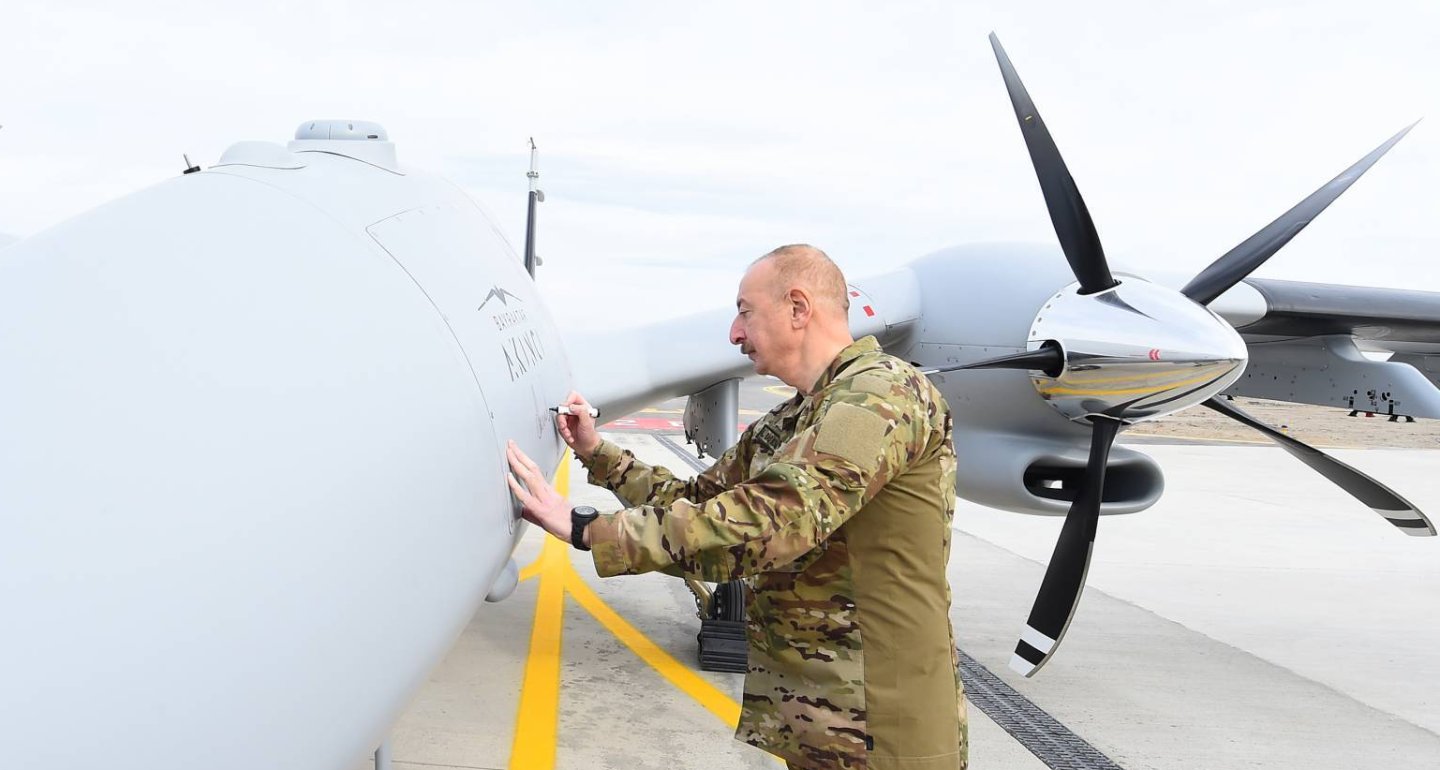
Baku’s backing for Ukraine is less about confronting Russia than about quietly broadening the mix of partners it relies on.

Zaur Shiriyev