

Commentary
The demands of the Kremlin’s war in Ukraine, demographic problems, and public hostility toward Central Asians mean Russia does not have enough workers.
Salavat Abylkalikov
{
  "authors": [
    "Richard Sokolsky",
    "Aaron David Miller"
  ],
  "type": "legacyinthemedia",
  "centerAffiliationAll": "",
  "centers": [
    "Carnegie Endowment for International Peace"
  ],
  "collections": [],
  "englishNewsletterAll": "",
  "nonEnglishNewsletterAll": "",
  "primaryCenter": "Carnegie Endowment for International Peace",
  "programAffiliation": "",
  "programs": [],
  "projects": [],
  "regions": [
    "North America",
    "United States"
  ],
  "topics": [
    "Security",
    "Foreign Policy"
  ]
}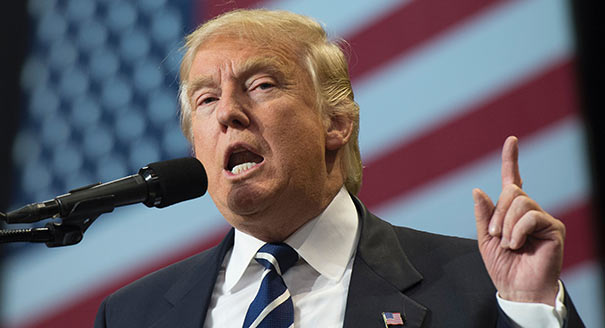
Source: Getty
National Security Strategies are typically less detailed foreign policy to do lists than broad principles and platitudes designed to persuade people that an administration has a compelling and effective strategy. A year in it’s not at all clear that the Trump administration has one.
Source: USA Today
Who says Donald Trump doesn’t have a foreign policy? He does, but it wasn’t the one he rolled out in a speech Monday on his administration’s national security strategy.
Much of the speech contains language quite consistent with Trumpian values, particularly the focus on America first, homeland security, trade protectionism, America’s sovereignty, and withdrawal from Paris Climate and Trans-Pacific Partnership. But it’s also full of bromides, slogans and platitudes to persuade Congress, the media and the public that the administration has a coherent strategy to protect U.S. interests in a turbulent world.
Still, there is little in the speech that reflects much of what Trump has actually done in foreign policy or why. Here’s a more politically inconvenient guide to Trump’s foreign policy. And unlike the national security strategy, it may well provide clues as to how he’ll operate for the remainder of his presidency....

Nonresident Senior Fellow, Russia and Eurasia Program
Richard Sokolsky is a nonresident senior fellow in Carnegie’s Russia and Eurasia Program. His work focuses on U.S. policy toward Russia in the wake of the Ukraine crisis.

Senior Fellow, American Statecraft Program
Aaron David Miller is a senior fellow at the Carnegie Endowment for International Peace, focusing on U.S. foreign policy.
Carnegie does not take institutional positions on public policy issues; the views represented herein are those of the author(s) and do not necessarily reflect the views of Carnegie, its staff, or its trustees.

The demands of the Kremlin’s war in Ukraine, demographic problems, and public hostility toward Central Asians mean Russia does not have enough workers.
Salavat Abylkalikov
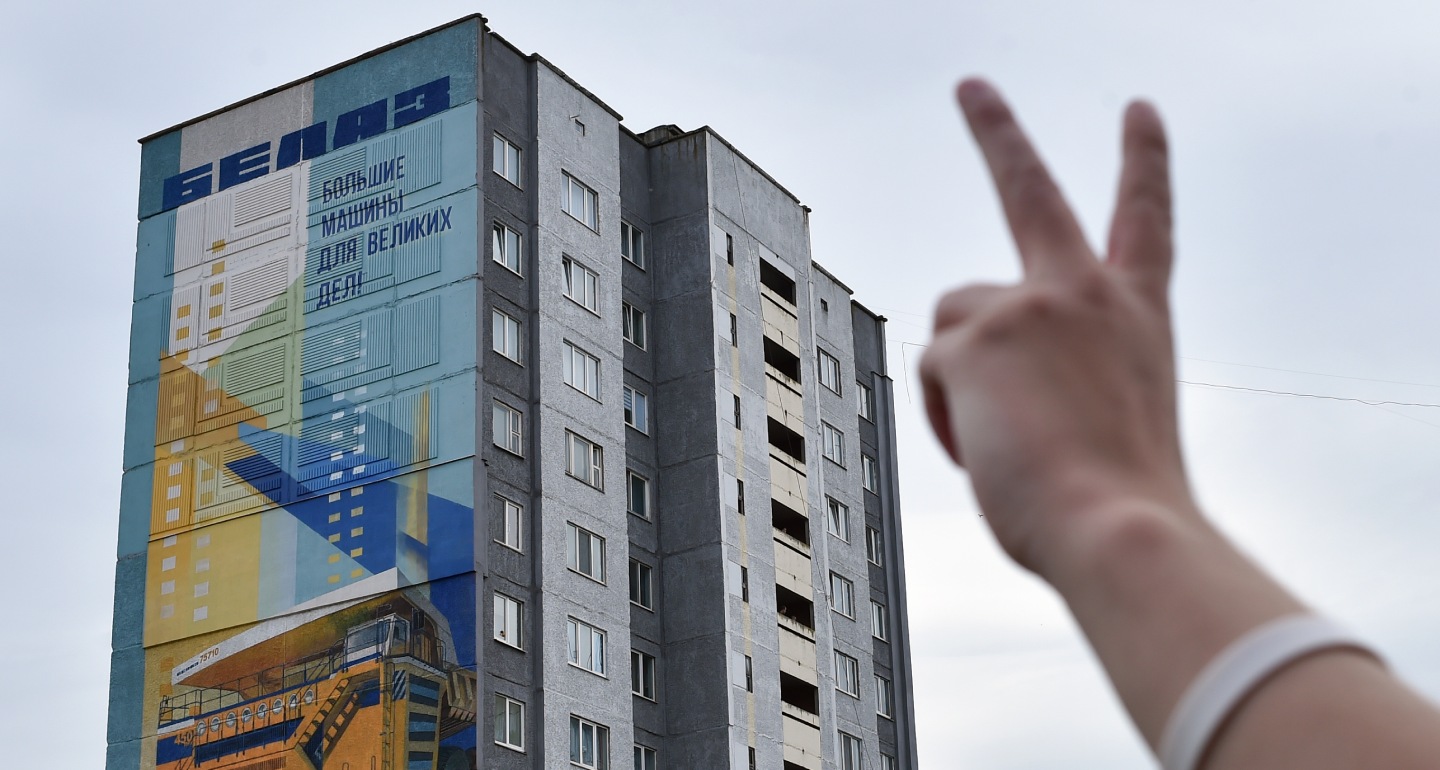
Minsk’s faith in the future of its larger neighbor’s economy is fading as Belarusian firms in Russia see record losses.

Olga Loiko
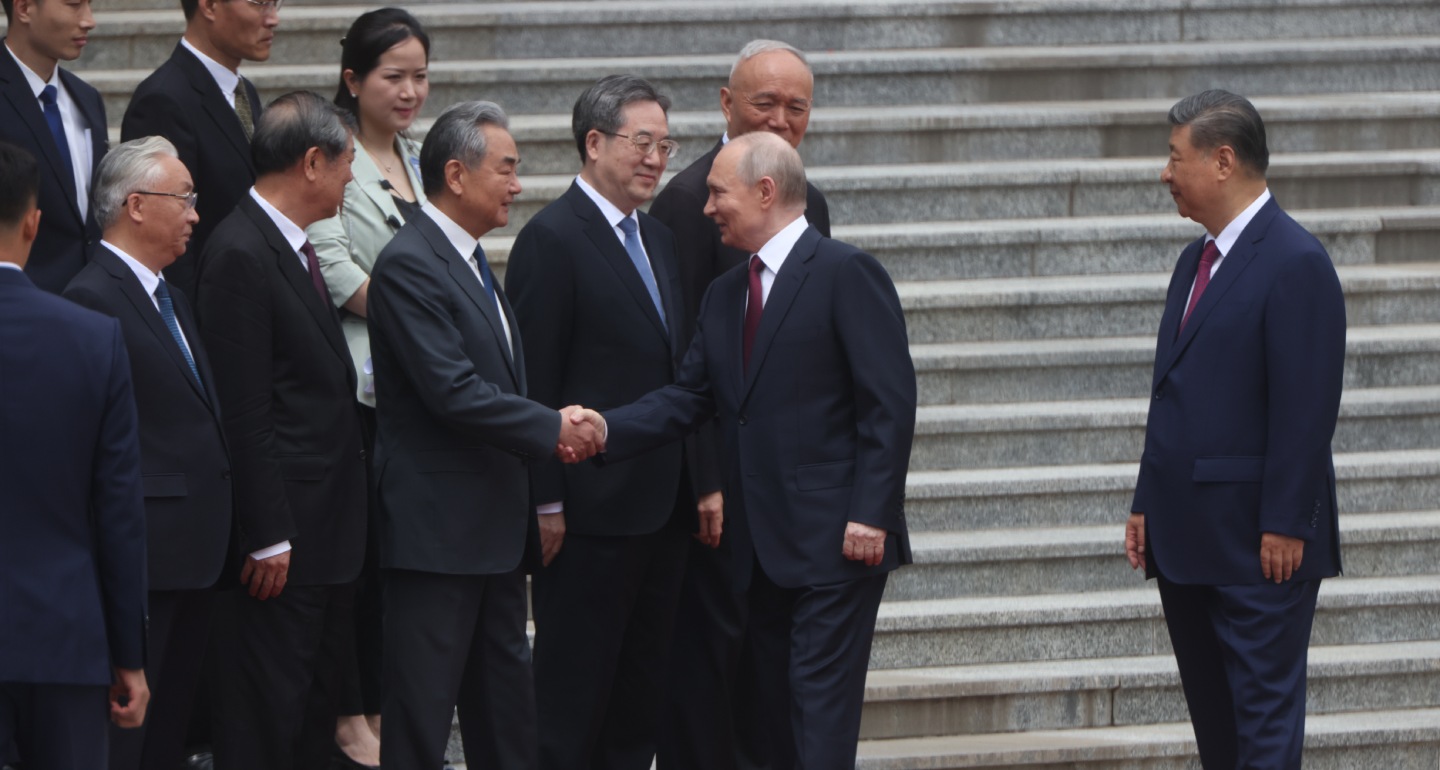
With no key agreement signed on the Power of Siberia 2 gas pipeline, there is a risk that the window of opportunity for Russia will close if Chinese power generation becomes so green that new gas sources are no longer of any interest to Beijing.

Alexander Gabuev
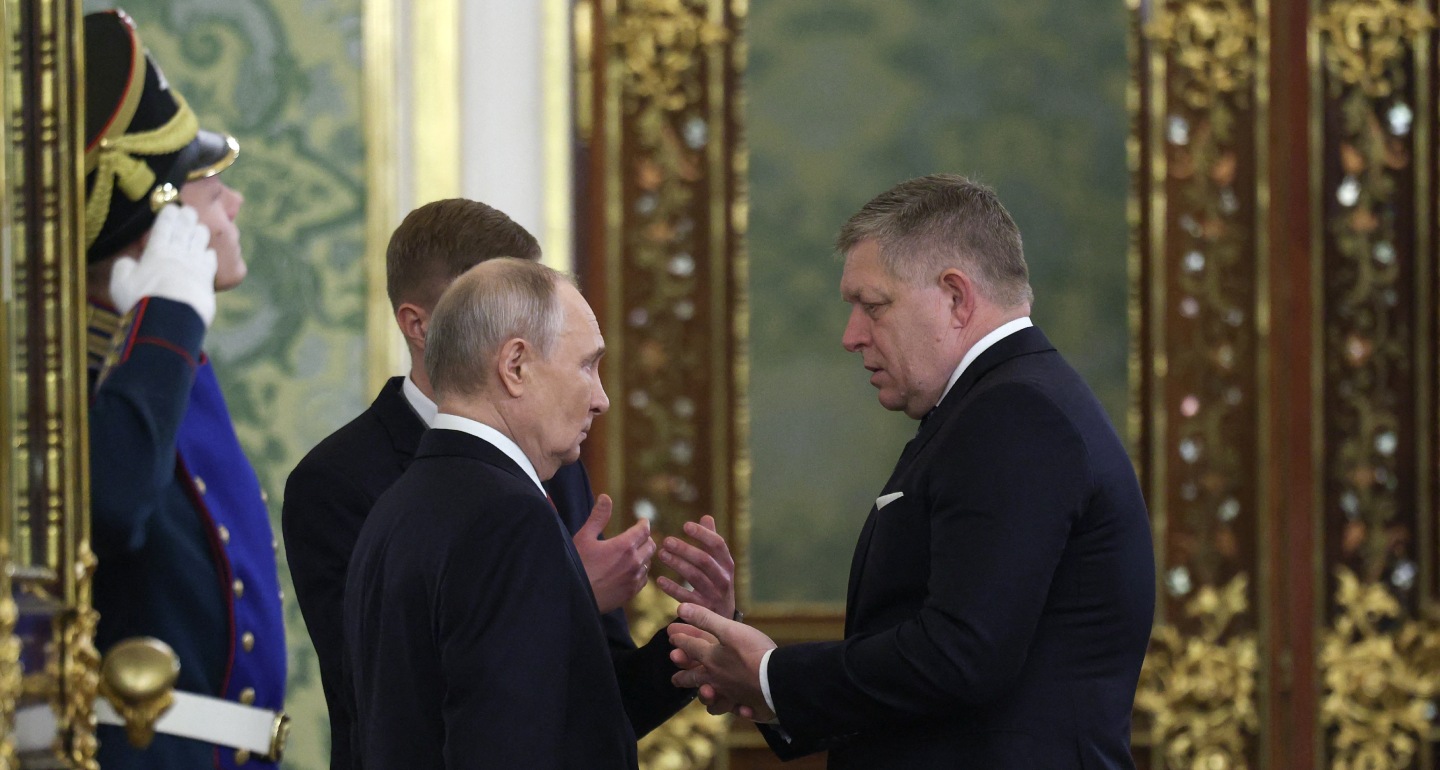
Though Orban is gone, Putin can still count on some like-minded individuals in Central and Eastern Europe. However, they will seek to avoid open confrontation with EU institutions over Ukraine and their ties with Moscow.

Dimitar Bechev

The truth is that Japan’s government is seeking a degree of reengagement but at a vastly reduced level than under Abe. Most significantly, Japan has shown no willingness to ease sanctions.

James D.J. Brown