

Commentary
Marc Pierini
{
  "authors": [
    "Marc Pierini"
  ],
  "type": "legacyinthemedia",
  "centerAffiliationAll": "dc",
  "centers": [
    "Carnegie Endowment for International Peace",
    "Carnegie Europe",
    "Malcolm H. Kerr Carnegie Middle East Center"
  ],
  "collections": [
    "Turkey’s Transformation",
    "Transatlantic Cooperation"
  ],
  "englishNewsletterAll": "ctw",
  "nonEnglishNewsletterAll": "",
  "primaryCenter": "Carnegie Europe",
  "programAffiliation": "EP",
  "programs": [
    "Europe"
  ],
  "projects": [],
  "regions": [
    "Europe",
    "North America",
    "Türkiye",
    "United States",
    "Middle East",
    "Iran"
  ],
  "topics": [
    "Security",
    "Political Reform",
    "Military"
  ]
}
Source: Getty
Turkey’s incursion into Afrin marks a significant move in Ankara’s campaign against the Kurdish People’s Protection Units (YPG).
Source: Axios
Turkey’s incursion into Afrin, in northwestern Syria, marks a significant move in its campaign against the Kurdish People’s Protection Units (YPG). It was authorized by Russia, with the likely aim of returning local control to the Assad regime, and signals displeasure with the U.S.’s recent announcement of a 30,000-strong border protection force. Rex Tillerson called news of such a force “misportrayed,” but amid conspiracy theories and anti-American sentiment, his clarification came too late.
At this point, there’s little the U.S. and EU can do apart from pressing Turkey to seek moderation and avoid civilian casualties. The EU might also offer cross-border humanitarian assistance on Syrian soil.
The stakes will be raised if and when President Erdogan launches a promised ground operation against the town of Manbij, located at the Western edge of a vast region controlled by the Syrian Democratic Forces (SDF), themselves under the command of the YPG. Because the SDF are backed by U.S. Special Forces, the risk of a U.S.–Turkish confrontation is real.
What's next: Given restrictions on free speech within Turkey, the media is expected to produce a unanimously positive image of the operation. By playing up this limited operation as a major success, Erdogan is attempting to burnish his image as the providential leader best able to steer the country through difficult times.

Senior Fellow, Carnegie Europe
Marc Pierini is a senior fellow at Carnegie Europe, where his research focuses on developments in the Middle East and Turkey from a European perspective.
Recent Work
Marc Pierini
Marc Pierini
Carnegie does not take institutional positions on public policy issues; the views represented herein are those of the author(s) and do not necessarily reflect the views of Carnegie, its staff, or its trustees.

In the discussions made possible by the State Duma election campaign, one question is being asked more and more loudly. “What next?”

Andrey Pertsev

Two divergent trends—Putin’s hardline vision of how to prosecute the war in Ukraine, and a growing desire for change in Russia—could tear the regime apart.

Tatiana Stanovaya

Ultimately, Zelensky sided neither with the reform camp nor with the military establishment as such, but with political control.

Balázs Jarábik
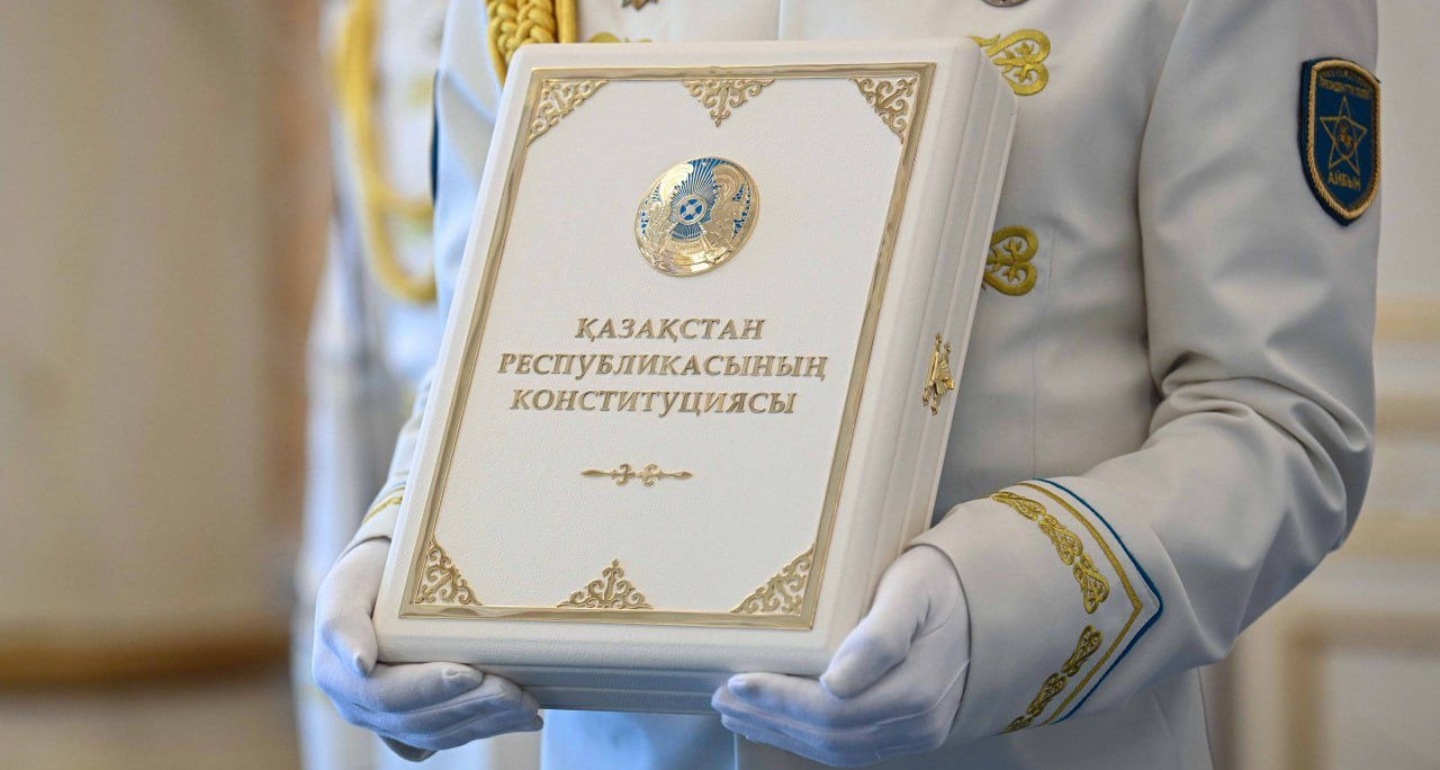
Tokayev’s predecessor, Nursultan Nazarbayev, outlined arrangements for a power transition too soon and in too much detail, ultimately losing control over the process. Tokayev is determined not to meet the same fate.

Temur Umarov
Andrey Melnichenko’s essay offers no answer to the fundamental question of how, under any kind of negotiated settlement, Europe can protect itself from the Russian ressentiment that is inevitable in all scenarios except for an outright victory for Putin.

Leonid Bershidsky