

Commentary
By fueling the arguments of both supporters and opponents of Armenian Prime Minister Nikol Pashinyan, Azerbaijan wants to ensure he is re-elected with a weaker mandate.
Bashir Kitachaev
{
  "authors": [
    "Ashley J. Tellis",
    "Suhasini Haidar"
  ],
  "type": "other",
  "centerAffiliationAll": "dc",
  "centers": [
    "Carnegie Endowment for International Peace"
  ],
  "collections": [
    "Iranian Proliferation"
  ],
  "englishNewsletterAll": "ctw",
  "nonEnglishNewsletterAll": "",
  "primaryCenter": "Carnegie Endowment for International Peace",
  "programAffiliation": "SAP",
  "programs": [
    "South Asia"
  ],
  "projects": [],
  "regions": [
    "North America",
    "United States",
    "Iran",
    "South Asia",
    "India"
  ],
  "topics": [
    "Economy",
    "Security",
    "Military",
    "Foreign Policy",
    "Nuclear Policy"
  ]
}
Source: Getty
If it fully implements policies aimed at Russia and Iran, the Trump administration risks damaging relations with India and losing support on other issues of importance.
Source: Hindu
If you look at the history of India-U.S. ties, including non-proliferation in the 1970s, India often became a casualty of policies directed against others. The Iran problem today is an echo of that older problem. This administration has, in my view, an unfortunate obsession with Iran. And it is firing on all cylinders to constrict Iran. Now Iranian behaviour, especially to its west, has been deeply problematic. But in Washington’s zeal to mount a frontal assault on Iran, India has become an inadvertent casualty.
To me, the question of prioritizing India will be answered by whether the U.S. provides the necessary waivers to India on oil purchases from Iran. The Trump administration now has to consider its other equities with India, and I hope that it can see the importance of India in the light of the larger U.S. strategy towards Asia — and make the decision on waivers in that context.
The administration has not yet come to the point when it has had to make hard choices. I’m not surprised by the tough language, because it is the natural consequence of the administration’s standing policy. But when it comes to full implementation of that policy, it will have to make some difficult decisions, including some pertaining to our treaty allies. Or else, it risks losing India on other issues of graver importance.
The S-400 issue is harder, both for India and the U.S. In the U.S. today, Russia has become a deeply polarising issue, also creating a tussle between Congress and the executive branch. The insistence by both that the S-400 purchase will be treated as a significant new acquisition under CAATSA makes it the most difficult bilateral problem we have now. The complications caused by the recent Trump-Putin summit in Helsinki won’t make things any easier.
I think these Indian actions have unsettled many in Washington because they are viewed as a conscious Indian effort at recalibrating ties with the U.S. My personal reading is somewhat different. I see these as a tactical adjustment, partly in the context of India’s own electoral calendar. Going into what looks like a tough election, Mr. Modi cannot afford new crises on his frontiers. Furthermore, India has a traditional relationship with Russia that it cannot jettison in a hurry. Nor can it afford to have a deeply confrontational relationship with China either.
I don’t think India has made any fundamental strategic shift against the U.S. Polygamous strategic partnerships have been the norm since the Cold War and will be the norm going forward. Not even China with its assertive behaviour has managed to catalyse a unified military alliance against itself.
But other states are pursuing diverse means of balancing China: India is looking to Japan and to the U.S. (and vice versa) for specific purposes and succeeding in that. The India-U.S. 2+2 talks now slated for September this year will only corroborate this proposition further.
I think it is extremely important, especially with a leader like Mr. Trump. He is not an abstract theorist with a geopolitical strategy in the way that Bush or Obama were comfortable with geopolitics. With Trump, everything is personalised. So I hope there are opportunities for Mr. Modi and Mr.Trump to meet. If news reports that India has invited President Trump for the Republic Day parade next January are true, it is a splendid gesture from India. India can certainly charm anyone with pageantry and hospitality!
Former Senior Fellow
Ashley J. Tellis was a senior fellow at the Carnegie Endowment for International Peace.
Suhasini Haidar
Suhasini Haidar is the national editor and diplomatic affairs editor of The Hindu, one of India’s oldest and most respected national dailies.
Carnegie does not take institutional positions on public policy issues; the views represented herein are those of the author(s) and do not necessarily reflect the views of Carnegie, its staff, or its trustees.
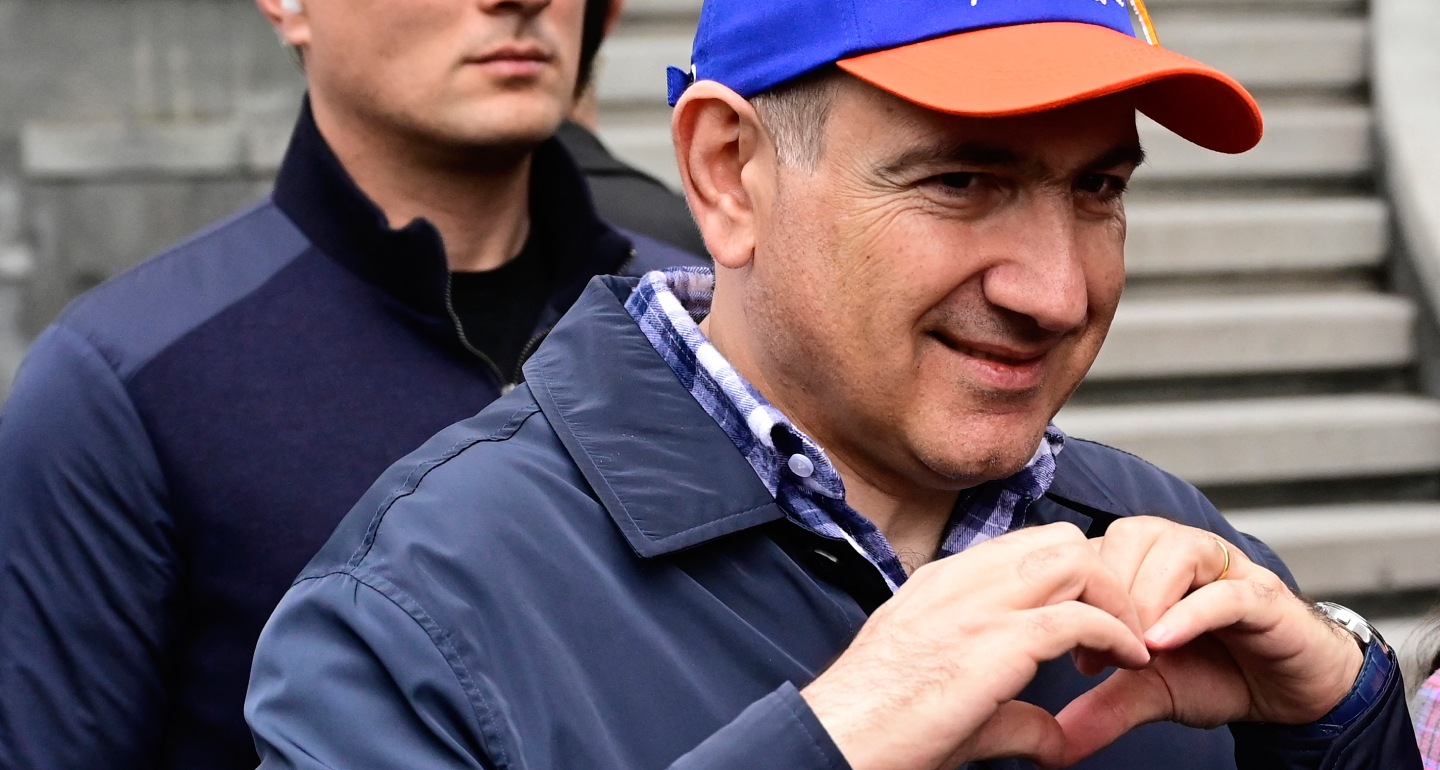
By fueling the arguments of both supporters and opponents of Armenian Prime Minister Nikol Pashinyan, Azerbaijan wants to ensure he is re-elected with a weaker mandate.

Bashir Kitachaev

A much-discussed disagreement over internet restrictions in Russia was never an existential threat for Putin: It was about elite groups protecting their interests.

Alexandra Prokopenko
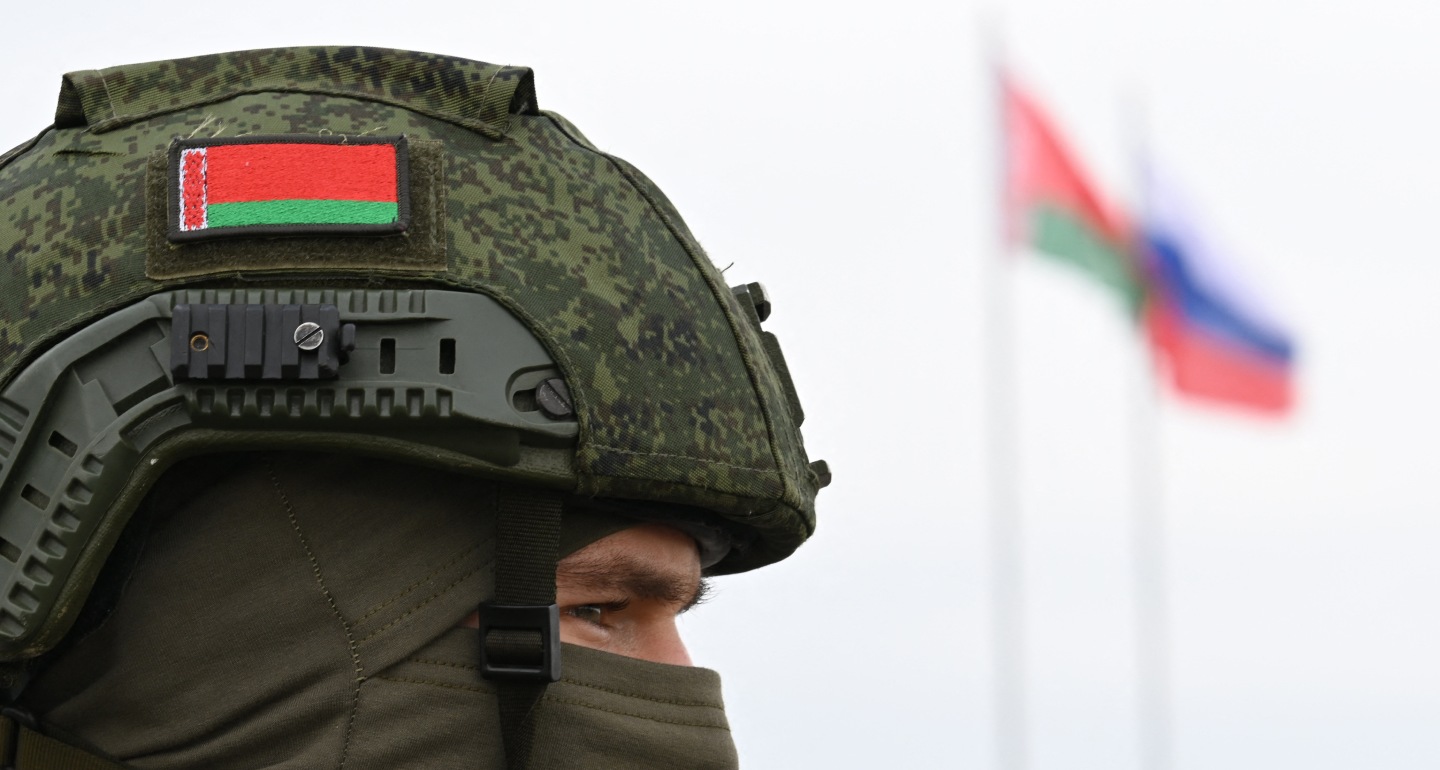
By reminding the world that Lukashenko is a threat to NATO and Ukraine, Kyiv is trying to return the focus to why the Belarusian regime needs to be contained rather than rewarded.

Artyom Shraibman
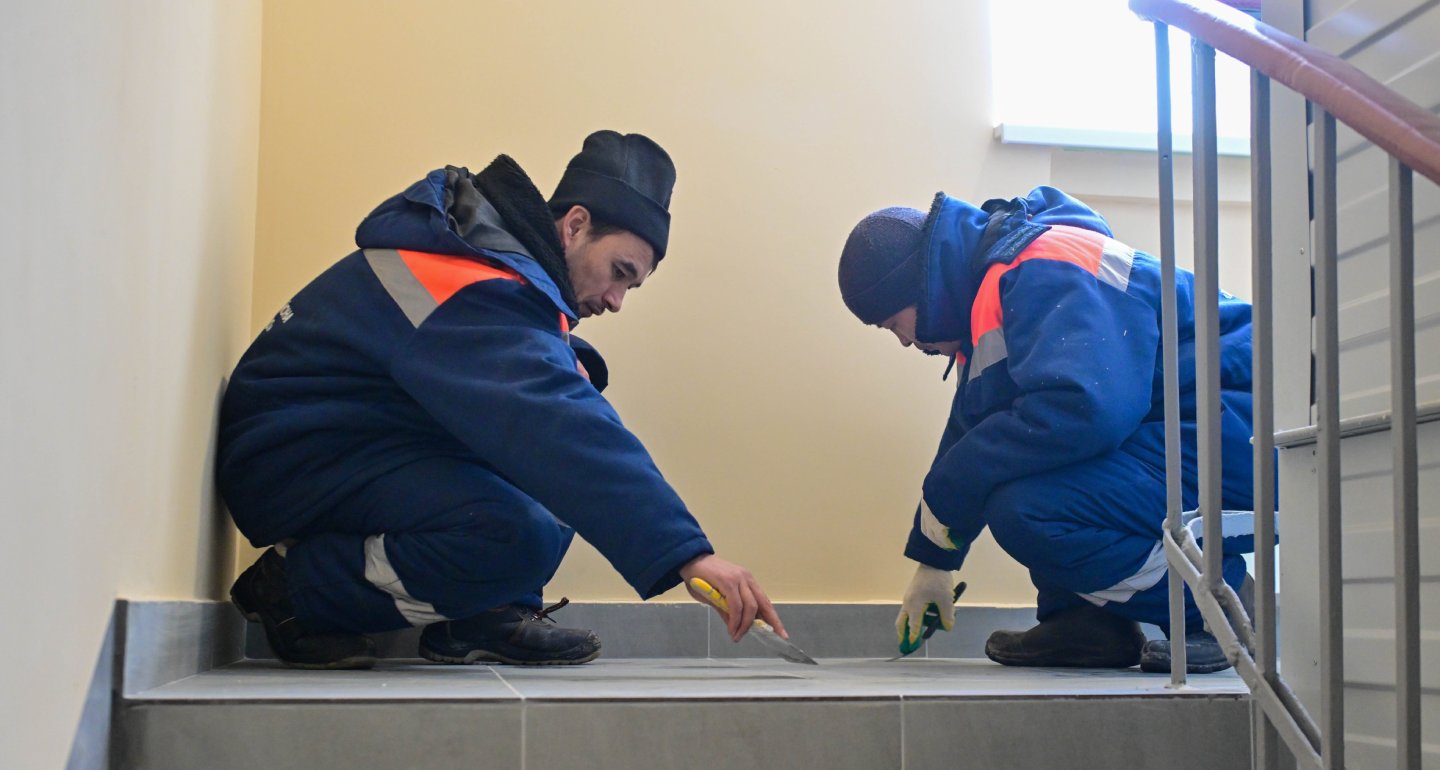
The demands of the Kremlin’s war in Ukraine, demographic problems, and public hostility toward Central Asians mean Russia does not have enough workers.
Salavat Abylkalikov

Minsk’s faith in the future of its larger neighbor’s economy is fading as Belarusian firms in Russia see record losses.
Olga Loiko