

Commentary
Peter Kellner
{
  "authors": [
    "Peter Kellner"
  ],
  "type": "legacyinthemedia",
  "centerAffiliationAll": "",
  "centers": [
    "Carnegie Endowment for International Peace",
    "Carnegie Europe"
  ],
  "collections": [
    "Brexit and UK Politics"
  ],
  "englishNewsletterAll": "",
  "nonEnglishNewsletterAll": "",
  "primaryCenter": "Carnegie Europe",
  "programAffiliation": "",
  "programs": [],
  "projects": [],
  "regions": [
    "Europe",
    "Western Europe",
    "United Kingdom"
  ],
  "topics": [
    "EU"
  ]
}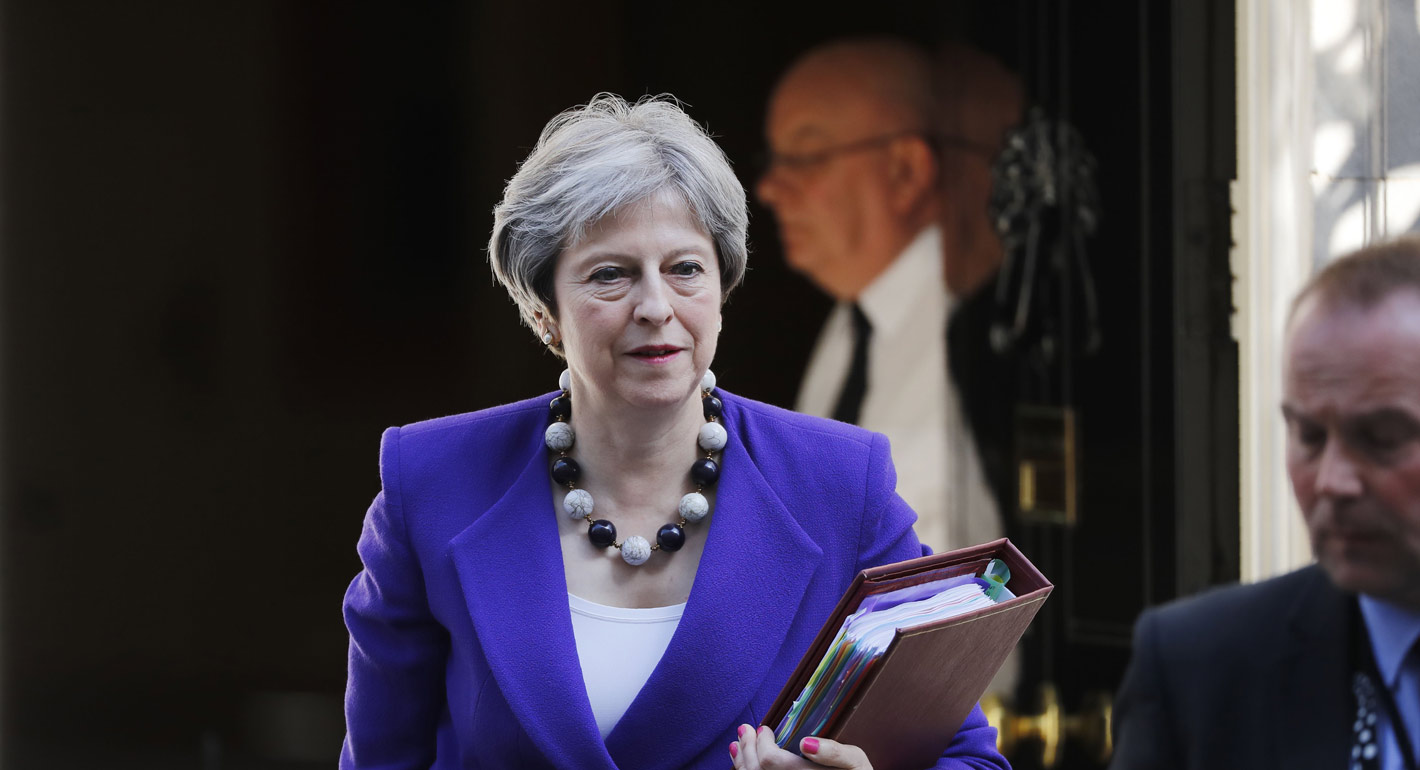
Source: Getty
If the talks for the UK’s exit from the European Union fall apart, it could precipitate a major crisis for Britain’s government and Parliament.
Source: Axios
Wednesday’s summit of European leaders, which followed another meeting last month, failed to produce a breakthrough in the Brexit talks. If the negotiations fall apart, it could precipitate a major crisis for Britain’s government and Parliament.
The big picture: If the March 29, 2019, withdrawal date comes without an agreement on the day-to-day U.K.–EU relationship, MPs would urgently seek a way to resolve the crisis. All potential solutions are likely to involve a U.K. request to delay withdrawal, with a new referendum being the most likely outcome.
Delaying the withdrawal is allowed under Article 50 of the Lisbon Treaty. However, it would need the unanimous consent of the other 27 members of the EU. Beyond this commonality, there are various ways in which events could unfold:
The bottom line: A referendum would likely generate a majority vote to remain in the EU: The UK’s demographics are moving in a pro-EU direction, and some voters have changed their minds. Faced with the prospect of a no-deal Brexit and its economic harm, more voters may opt for the safety of the status quo. But, as in 2016, the outcome would be far from certain.

Former Nonresident Scholar, Carnegie Europe
Kellner was a nonresident scholar at Carnegie Europe, where his research focused on Brexit, populism, and electoral democracy.
Recent Work
Peter Kellner
Peter Kellner
Carnegie does not take institutional positions on public policy issues; the views represented herein are those of the author(s) and do not necessarily reflect the views of Carnegie, its staff, or its trustees.
The truth of the strategic situation is that Europe and Russia are extremely unlikely to be able to “turn the page” on their confrontation within the next two decades.
Arkady Moshes
The European far right might fail to steer EU policy in the direction Russia wants, but they will create enough chaos inside Europe to benefit the Kremlin.

Dimitar Bechev
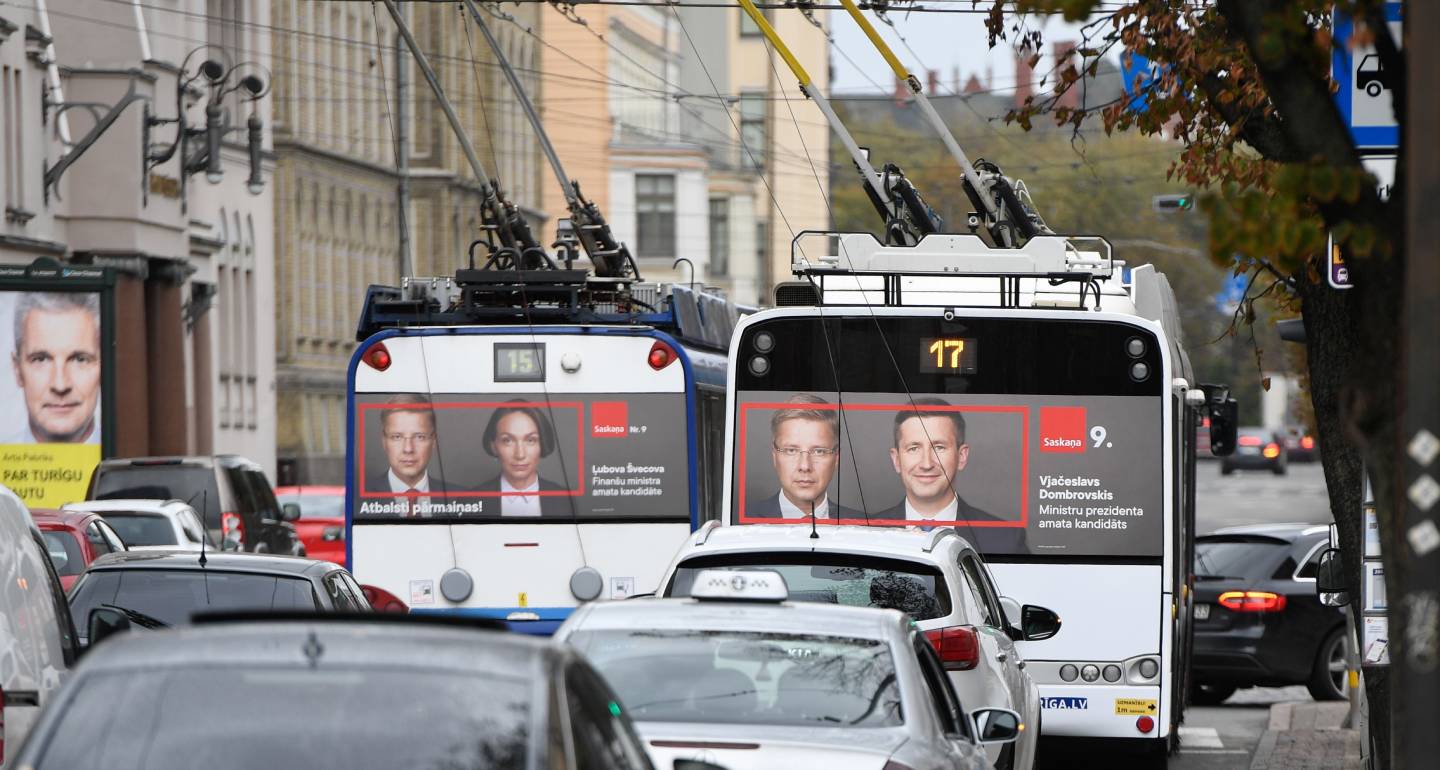
If the Russian-speaking community in Latvia cannot articulate their interests without being seen as disloyal, they could end up embracing a pro-Kremlin agenda.

Sergejs Potapkins
Andrey Melnichenko’s essay offers no answer to the fundamental question of how, under any kind of negotiated settlement, Europe can protect itself from the Russian ressentiment that is inevitable in all scenarios except for an outright victory for Putin.

Leonid Bershidsky

Whether PAS can refocus on the unfinished business of state-building may ultimately prove more consequential for Moldova’s European future than the pace of its accession negotiations.

Balázs Jarábik