

Commentary
Tokyo would have to surmount a lot of obstacles—not least Western sanctions—if it wanted to return Russian oil imports to even modest pre-2022 volumes.
Vladislav Pashchenko
{
  "authors": [
    "James M. Acton",
    "Jeffrey Lewis",
    "David Wright"
  ],
  "type": "other",
  "centerAffiliationAll": "dc",
  "centers": [
    "Carnegie Endowment for International Peace"
  ],
  "collections": [
    "Korean Peninsula"
  ],
  "englishNewsletterAll": "ctw",
  "nonEnglishNewsletterAll": "",
  "primaryCenter": "Carnegie Endowment for International Peace",
  "programAffiliation": "NPP",
  "programs": [
    "Nuclear Policy"
  ],
  "projects": [],
  "regions": [
    "East Asia",
    "North Korea"
  ],
  "topics": [
    "Nuclear Policy",
    "Arms Control"
  ]
}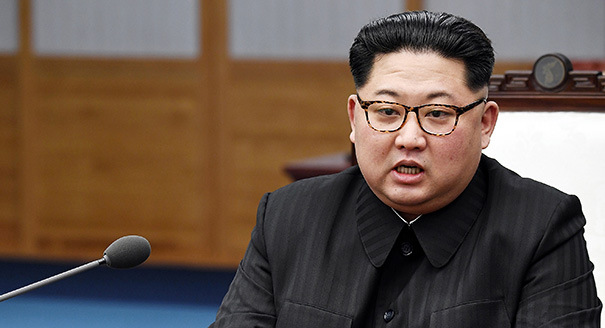
Source: Getty
Video analysis of North Korea's recent missile test give little information about the status of North Korean reentry vehicle development.
North Korea has now conducted three test launches of two different ballistic missiles that can strike the continental United States—the Hwasong-14 on July 4 and July 28, 2017 and the Hwasong-15 on November 29, 2017.
North Korea’s ability to deliver a nuclear weapon to intercontinental distances raises the question of whether its reentry vehicles (RVs) would be able to protect the nuclear warhead during reentry. According to published reports, the U.S. intelligence community believes that while the RV on the July 4 test survived down to at least 1 km, the RVs on the July 28 and November 29 tests broke up at a much higher altitudes.
Based on these reports, various officials and independent experts have expressed doubt that North Korea has developed a viable reentry vehicle. Unfortunately, such optimism may not be justified. Even if none of North Korea’s reentry vehicles performed entirely successfully in its 2017 ICBM tests, it is not possible for several reasons to conclude that North Korea has not or cannot develop a viable RV. In fact, video analysis of the July 28 reentry casts doubt on whether the test was even intended to contribute to North Korea’s reentry vehicle development.
First, the available evidence suggests that at least some of the reentry vehicles tested in 2017 lacked a heavy mock warhead. Reducing the payload would enable the missile to travel higher or further but might also make the RV more likely to tumble during reentry by changing its internal mass distribution. Tumbling would increase the drag and slow the RV relative to an oriented RV. While this would reduce the peak stress and heating on the RV, it could increase other stresses that would cause the RV to fail. It is possible, therefore, that when armed with an actual warhead, the same reentry vehicle could survive.
Second, all three long-range missile tests were lofted: They were fired nearly straight up to great altitudes and reentered at steep angles of attack before landing west of Japan. The conditions experienced by a reentry vehicle on a lofted trajectory differ in some important respects from those that would be encountered on a standard “minimum-energy trajectory” toward the United States.
This article was originally published in Arms Control Wonk.

Jessica T. Mathews Chair, Co-director, Nuclear Policy Program
Acton holds the Jessica T. Mathews Chair and is co-director of the Nuclear Policy Program at the Carnegie Endowment for International Peace.
Jeffrey Lewis
David Wright
Carnegie does not take institutional positions on public policy issues; the views represented herein are those of the author(s) and do not necessarily reflect the views of Carnegie, its staff, or its trustees.
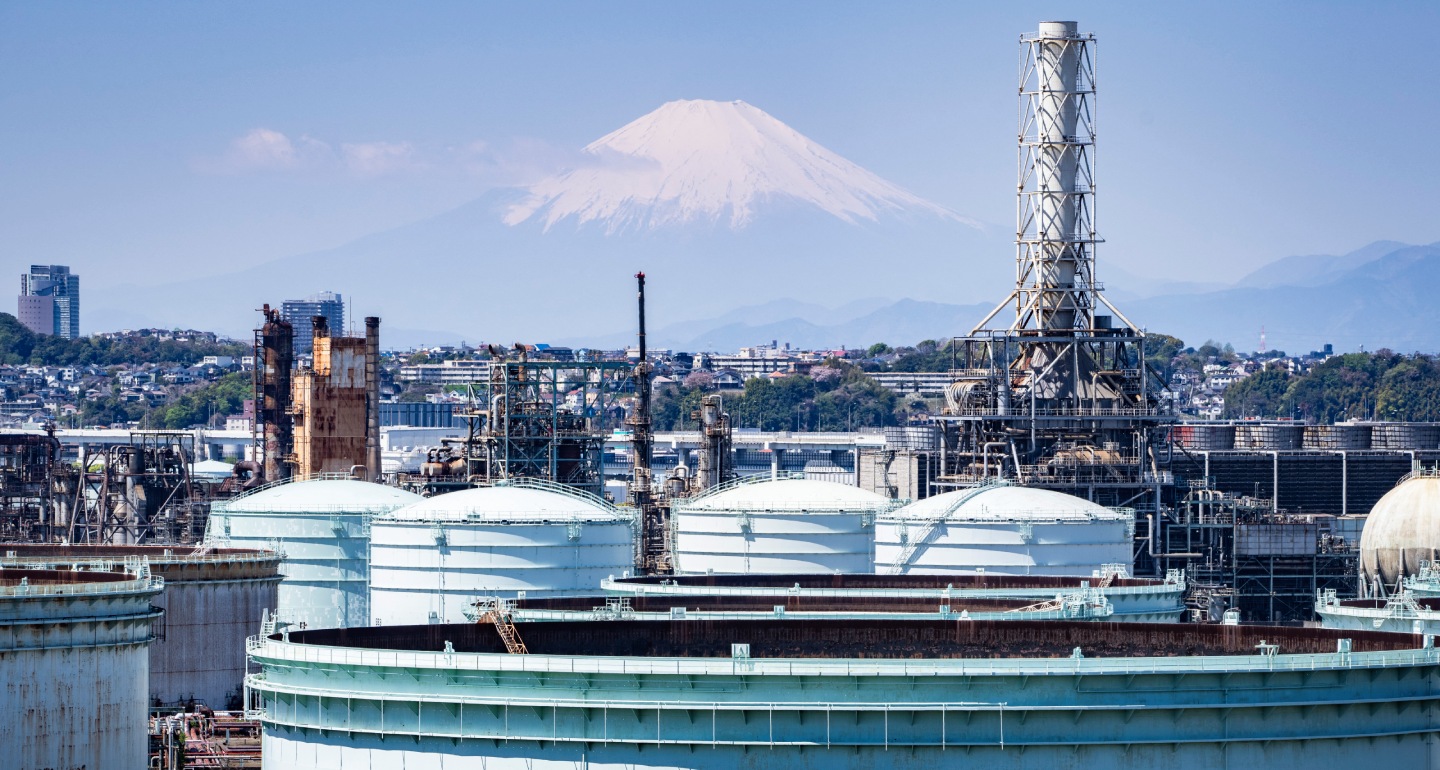
Tokyo would have to surmount a lot of obstacles—not least Western sanctions—if it wanted to return Russian oil imports to even modest pre-2022 volumes.

Vladislav Pashchenko
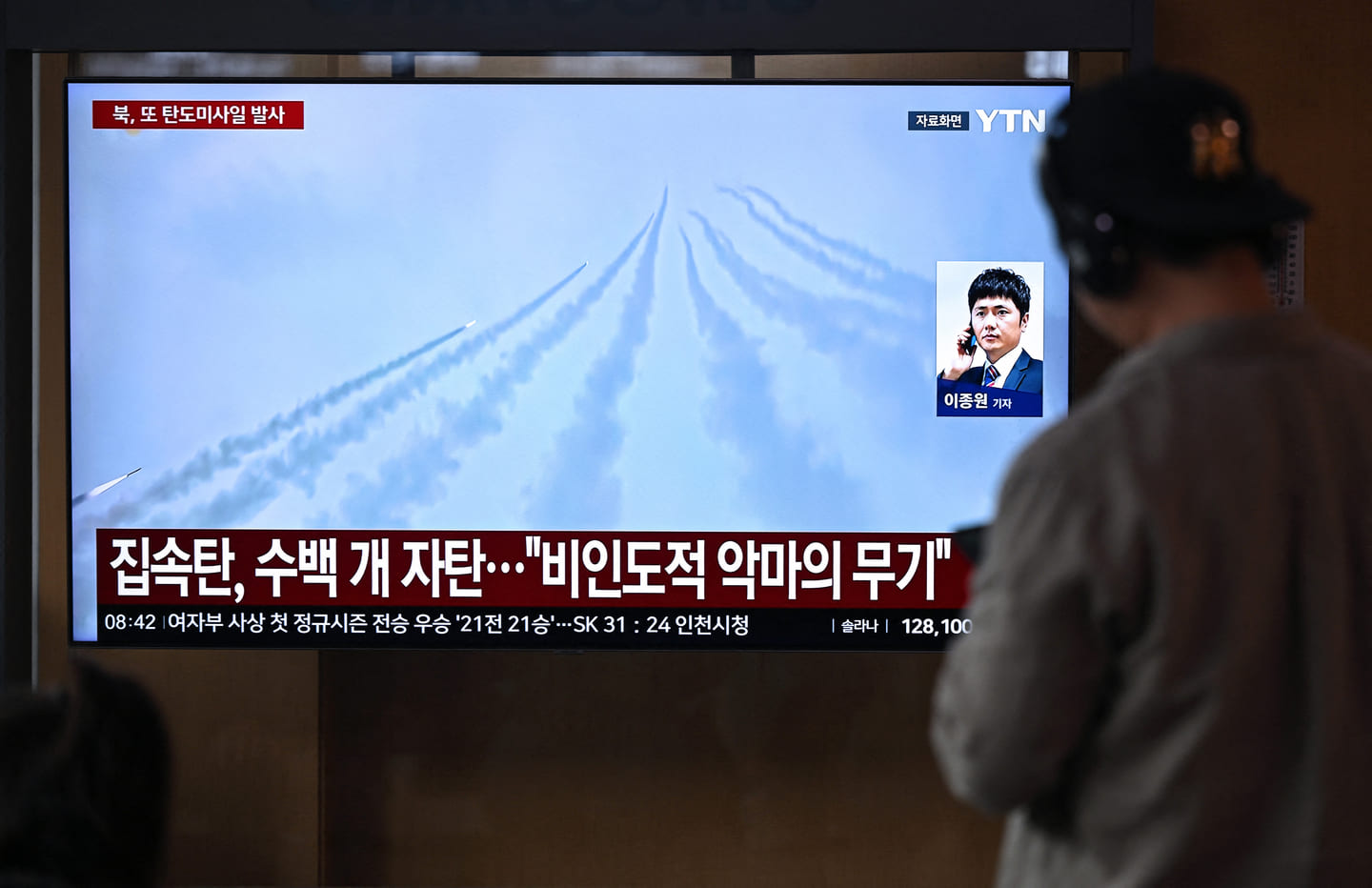
Troubled by the growing salience of nuclear debates in East Asia, Moscow has responded in its usual way: with condemnation and threats. But by exacerbating insecurity, Russia is forcing South Korea and Japan to consider radical security options.

James D.J. Brown
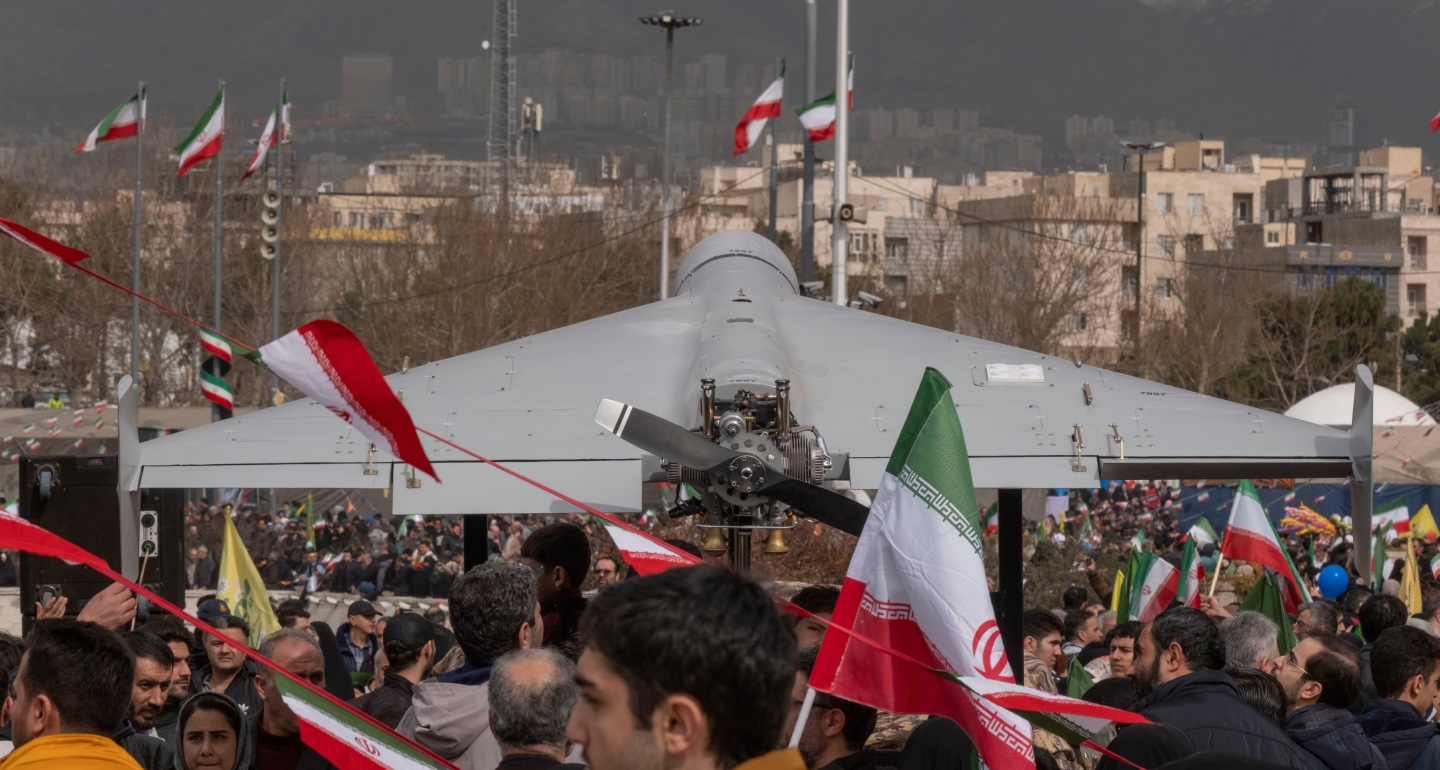
The Russian leadership wants to avoid a dangerous precedent in which it is squeezed out of Iran by the United States and Israel—and left powerless to respond in any meaningful way.

Nikita Smagin
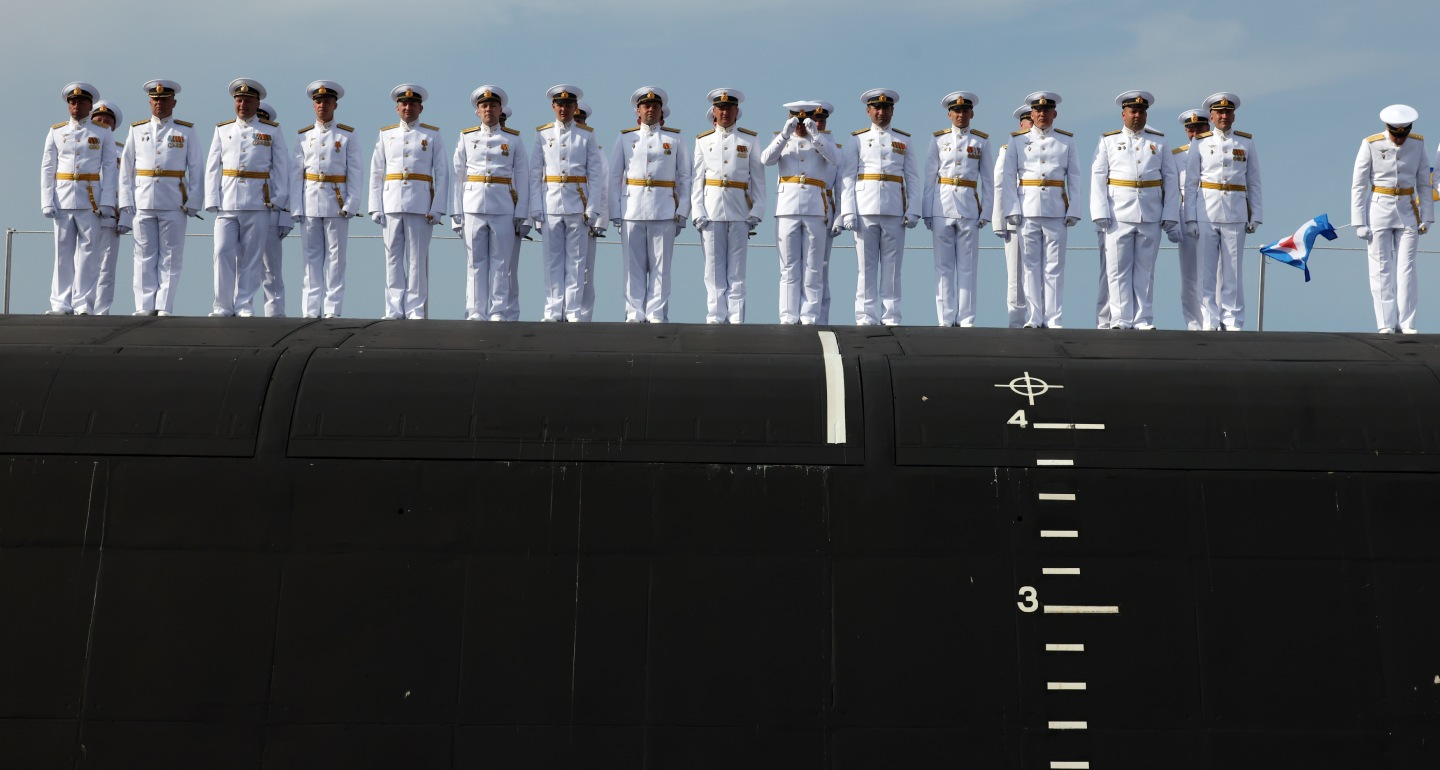
For Putin, upgrading Russia’s nuclear forces was a secondary goal. The main aim was to gain an advantage over the West, including by strengthening the nuclear threat on all fronts. That made growth in missile arsenals and a new arms race inevitable.

Maxim Starchak
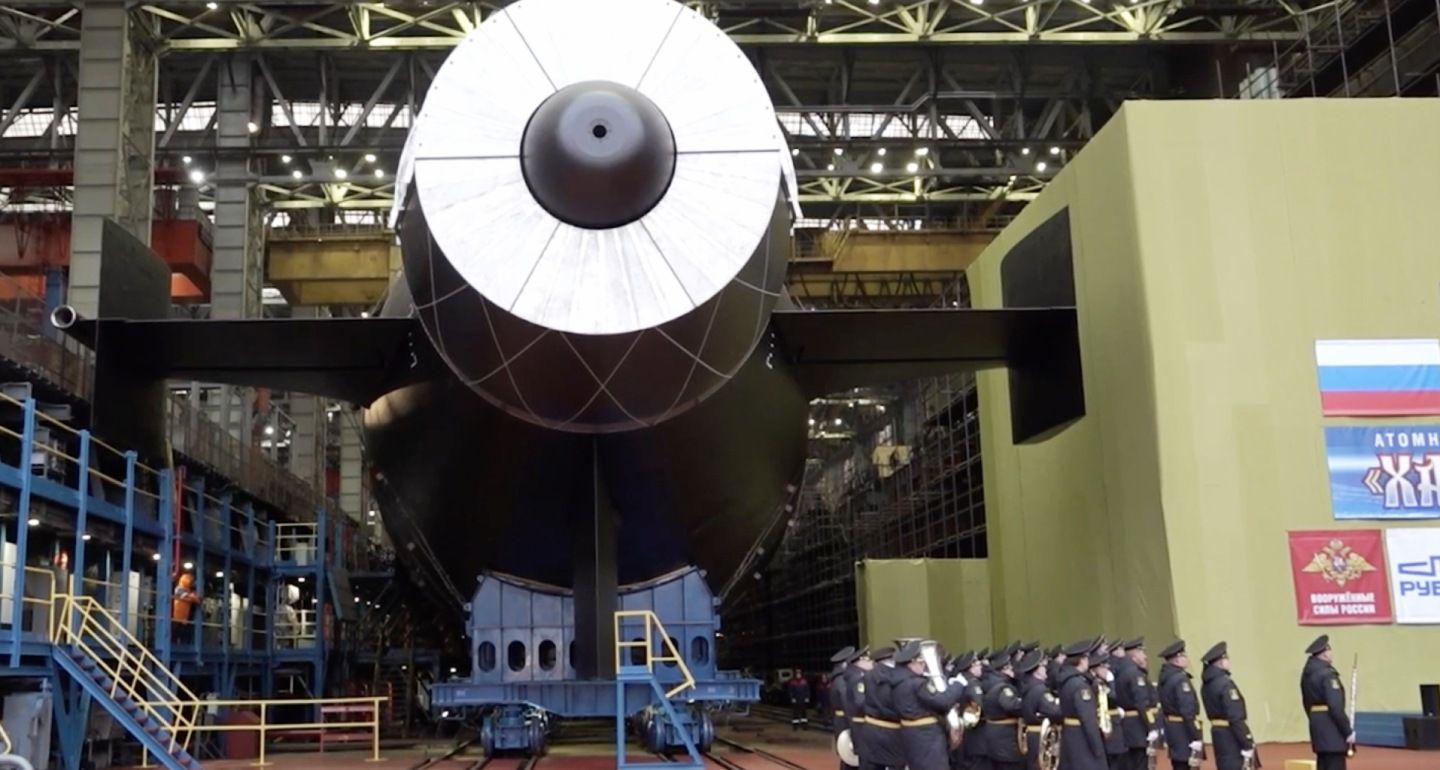
The Kremlin will only be prepared to negotiate strategic arms limitations if it is confident it can secure significant concessions from the United States. Otherwise, meaningful dialogue is unlikely, and the international system of strategic stability will continue to teeter on the brink of total collapse.
Maxim Starchak