

Paper
- +3
Rajesh Bansal, Anirudh Burman, Rudra Chaudhuri, …
{
  "authors": [
    "Srinath Raghavan"
  ],
  "type": "other",
  "centerAffiliationAll": "",
  "centers": [
    "Carnegie Endowment for International Peace",
    "Carnegie India"
  ],
  "collections": [],
  "englishNewsletterAll": "",
  "nonEnglishNewsletterAll": "",
  "primaryCenter": "Carnegie India",
  "programAffiliation": "",
  "programs": [],
  "projects": [
    "Security Studies"
  ],
  "regions": [
    "United States",
    "Asia",
    "South Asia",
    "Pakistan",
    "India"
  ],
  "topics": [
    "Foreign Policy"
  ]
}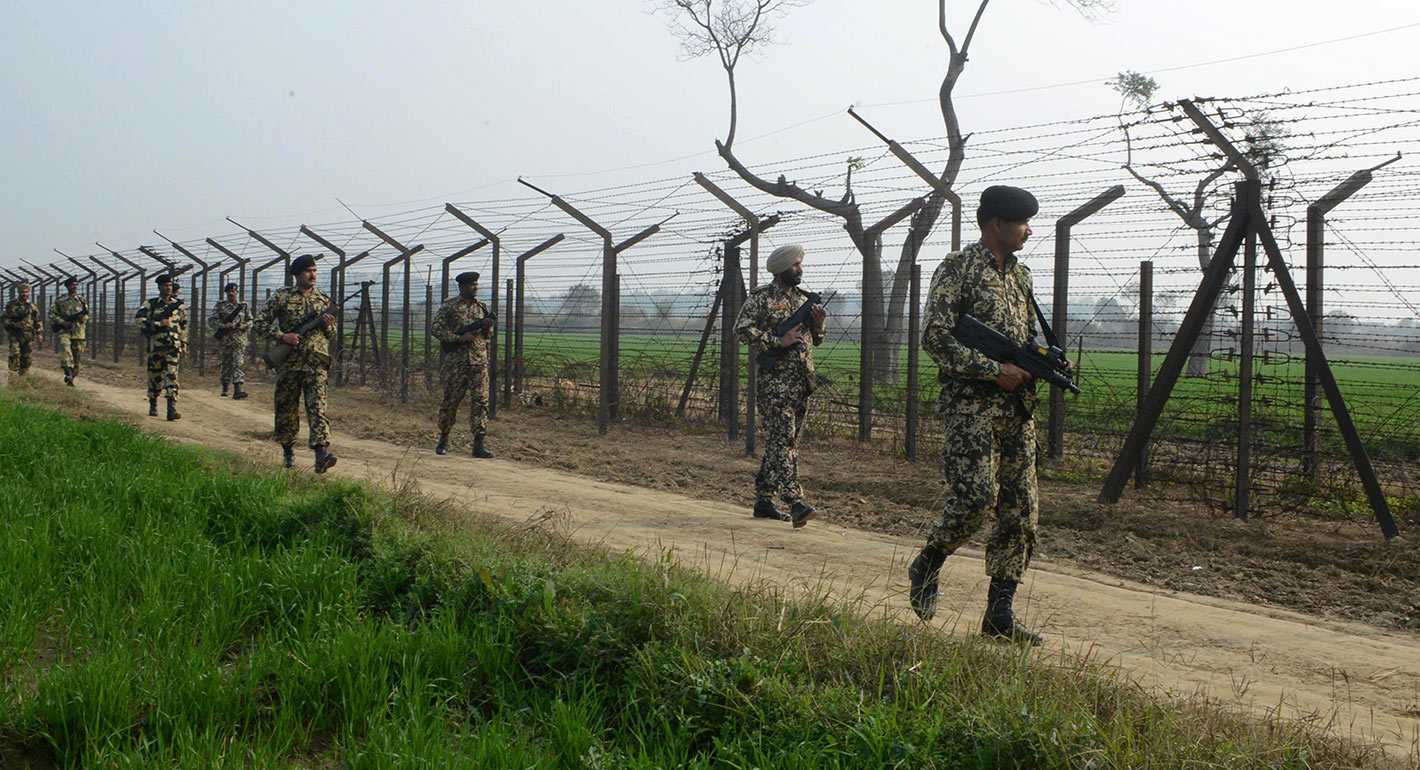
Source: Getty
The rise of India as a major Asian power is a significant geopolitical process of our times.
Source: Journal of Strategic Studies
The rise of India as a major Asian power is a significant geopolitical process of our times. While India’s growing economic heft is undoubtedly true, it is also a partial and an ahistorical reading. On the one hand, it assumes that the institutional sinews of power flow automatically from economic growth. On the other hand, it overlooks the longer trajectory of India's rise going back to the decade preceding independence – an arc of historical evolution that marks out India from many other post-colonial states. This article identifies India’s participation in the second World War as the starting point of its ‘long rise’ as an Asian power. In analyzing the military transformations that India underwent during the war, it focuses on the institutional dimension of these changes and considers the longer-term changes wrought by the war in the composition of the army, the logistical and support infrastructure, and the emergence of an indigenous military industrial base. Taken together, the article argues, these changes positioned India as a potential regional military power even before it emerged as an independent actor in the international system.
This article was originally published in a special issue of the Journal of Strategic Studies.

Nonresident Senior Fellow
Srinath Raghavan is a nonresident senior fellow at Carnegie India. His primary research focus is on the contemporary and historical aspects of India’s foreign and security policies.
Recent Work


Rajesh Bansal, Anirudh Burman, Rudra Chaudhuri, …
Srinath Raghavan
Carnegie does not take institutional positions on public policy issues; the views represented herein are those of the author(s) and do not necessarily reflect the views of Carnegie, its staff, or its trustees.

When faced with fuel shortages in the past, Central Asian governments could always count on additional supplies from Moscow. That safety net no longer exists.

Galiya Ibragimova

Despite unhappiness on the ground, Moscow is determined to use both carrot and stick to ensure there is record support for United Russia in occupied Ukraine.

Konstantin Skorkin
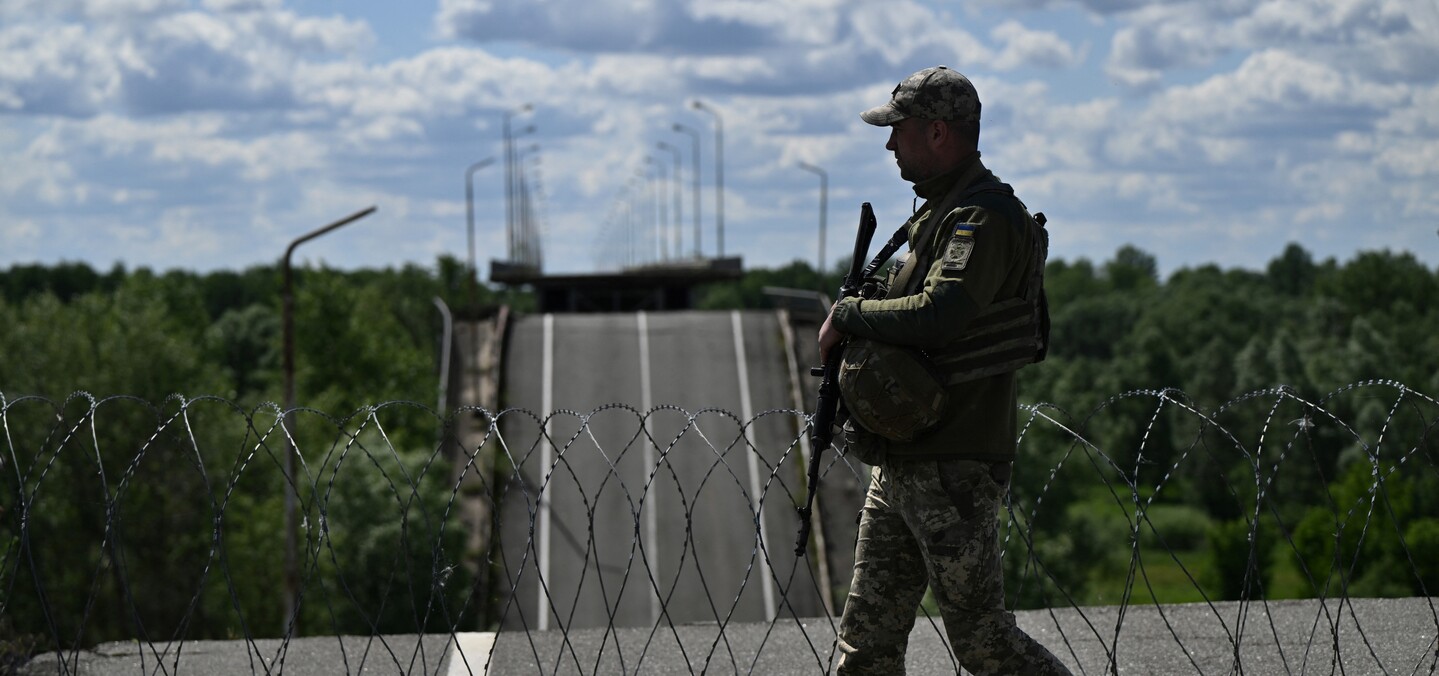
The recent damage inflicted by Ukrainian drones and missiles on Russia has made Belarus aware of its own vulnerabilities—and surprisingly amenable to Kyiv’s demands.

Artyom Shraibman
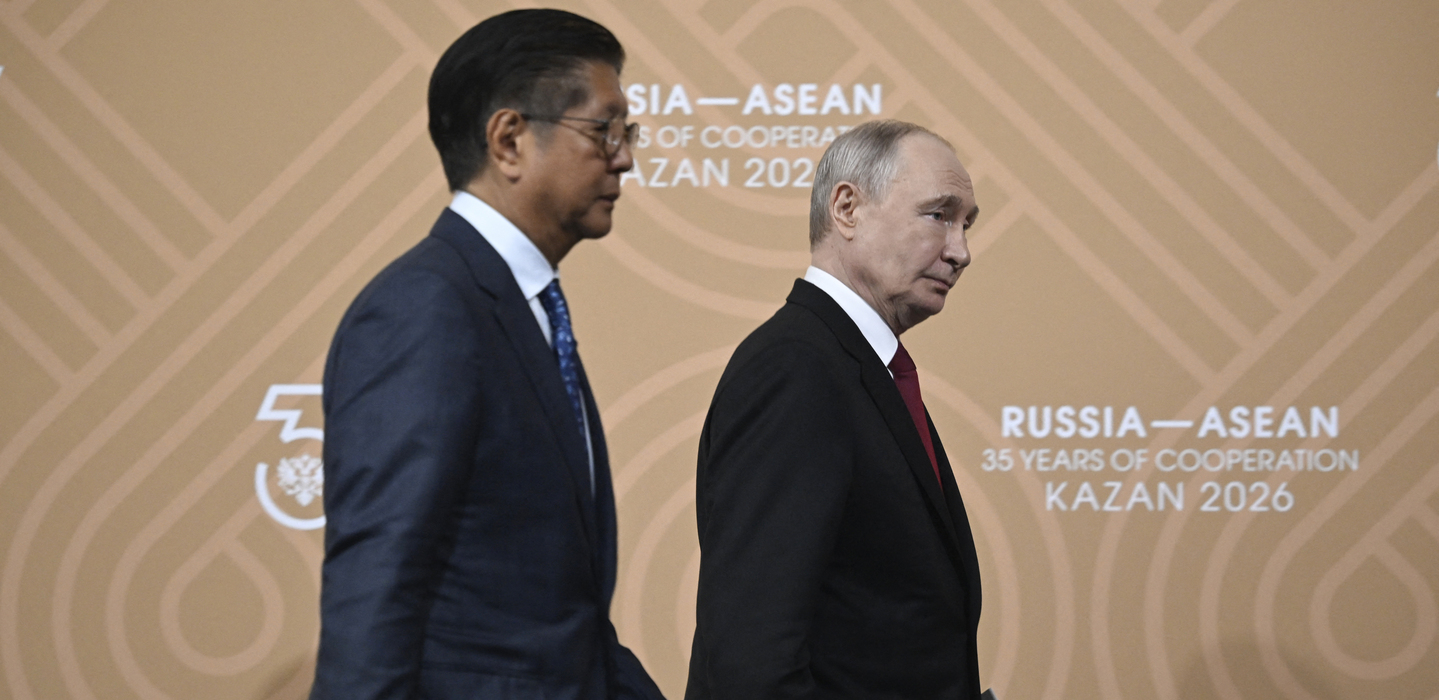
Russia looks set to reap economic benefits from closer ties with Southeast Asian countries that are keen to find reliable energy suppliers and diversify trade ties.

Alexander Gabuev
Ongoing uncertainty in the Middle East allows Moscow to both increase its influence in Tehran and continue to enjoy the financial windfall of higher oil prices.

Nikita Smagin