

Research
- +10
Jarrett Blanc, Thomas de Waal, Karim Sadjadpour, …
{
  "authors": [
    "Jarrett Blanc"
  ],
  "type": "legacyinthemedia",
  "centerAffiliationAll": "dc",
  "centers": [
    "Carnegie Endowment for International Peace",
    "Malcolm H. Kerr Carnegie Middle East Center"
  ],
  "collections": [],
  "englishNewsletterAll": "americanStatecraft",
  "nonEnglishNewsletterAll": "",
  "primaryCenter": "Carnegie Endowment for International Peace",
  "programAffiliation": "ASP",
  "programs": [
    "American Statecraft"
  ],
  "projects": [],
  "regions": [
    "North America",
    "United States",
    "Middle East",
    "Iran"
  ],
  "topics": [
    "Political Reform",
    "Security",
    "Military",
    "Foreign Policy",
    "Global Governance"
  ]
}
Source: Getty
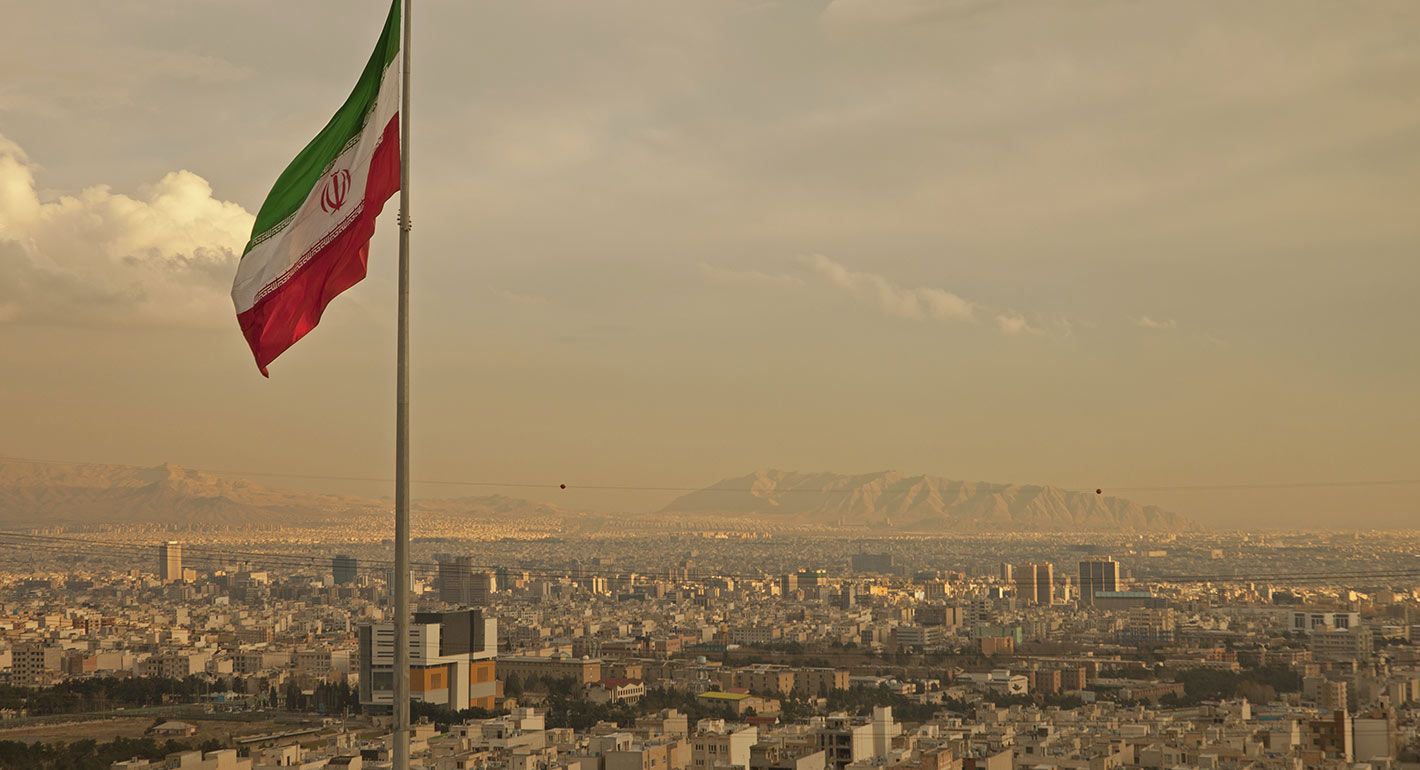
U.S. partners forced by proximity to rub elbows with the IRGC might worry that unavoidable contacts could make them subject to U.S. sanctions.
Source: Axios
The designation of Iran's Islamic Revolutionary Guard Corps (IRGC) as a Foreign Terrorist Organization (FTO) imposes few if any new restrictions. As President Trump noted, though, it is technically an "unprecedented" action, since the label was intended for non-state actors.
The big picture: This amounts to just one more layer of opprobrium on top of Iran’s 1984 designation as a state sponsor of terrorism, the IRGC’s designation under separate counterterrorism authorities, and a long list of related sanctions. Because most countries and firms worried about U.S. sanctions have already left the Iranian market, it's unlikely to chill much international business.
Where it stands: Iran has already announced that it will designate the U.S. military as a terrorist organization — a similarly symbolic gesture. It may end there.
Yes, but: The real concern is that this designation will escalate the conflict between Washington and Tehran, in three possible ways.
Between the lines: U.S. partners forced by proximity to rub elbows with the IRGC — including the governments of Iraq, Afghanistan and Lebanon — might worry that unavoidable contacts could make them subject to U.S. sanctions, but enforcing any would require Washington to take further and ultimately self-defeating positions.
What to watch: It's possible the FTO designation is a sop to hardliners who failed to persuade the president to adopt a more aggressive posture. Or, as can't be ruled out in an administration that has not prioritized interagency policy review and decision-making, it could prove disconnected from other Iran policy decisions.
Former Senior Fellow, Geoeconomics and Strategy Program
Jarrett Blanc was a senior fellow in the Geoeconomics and Strategy Program at the Carnegie Endowment for International Peace.
Recent Work


Jarrett Blanc, Thomas de Waal, Karim Sadjadpour, …

Dan Baer, Rosa Balfour, Jarrett Blanc, …
Carnegie does not take institutional positions on public policy issues; the views represented herein are those of the author(s) and do not necessarily reflect the views of Carnegie, its staff, or its trustees.

Russian strikes are weakening the economy sustaining Ukraine’s war effort. Closing the growing funding gap will require more European support and politically contentious reforms in Kyiv.

Balázs Jarábik

Ex-president Gurbanguly Berdimuhamedov remains interested in politics, but his son Serdar, Turkmenistan’s current president, is becoming increasingly independent and willing to break with his father’s legacy. If their covert rivalry goes too far, both risk losing power.

Galiya Ibragimova

Despite a new textbook, an influx of Russian teachers and managers, and an end to the teaching of Ukrainian, the Kremlin is unlikely to have “reprogrammed” locals.

Konstantin Skorkin

Cargo traffic through Russia’s Northern Sea Route has increased because of the disruption caused by the conflict in the Middle East, the Ukraine war, and U.S.-China tensions.

Mikhail Korostikov

Sergei Kiriyenko used Russia’s parliamentary vote to further hone his strategy of corporate mobilization that is designed to maximize votes for United Russia.

Andrey Pertsev