

Research
- +10
Jarrett Blanc, Thomas de Waal, Karim Sadjadpour, …
{
  "authors": [
    "Jarrett Blanc"
  ],
  "type": "legacyinthemedia",
  "centerAffiliationAll": "dc",
  "centers": [
    "Carnegie Endowment for International Peace",
    "Malcolm H. Kerr Carnegie Middle East Center"
  ],
  "collections": [
    "Iranian Proliferation"
  ],
  "englishNewsletterAll": "americanStatecraft",
  "nonEnglishNewsletterAll": "",
  "primaryCenter": "Carnegie Endowment for International Peace",
  "programAffiliation": "ASP",
  "programs": [
    "American Statecraft"
  ],
  "projects": [],
  "regions": [
    "North America",
    "United States",
    "Middle East",
    "Iran"
  ],
  "topics": [
    "Political Reform",
    "Security",
    "Foreign Policy",
    "Nuclear Policy"
  ]
}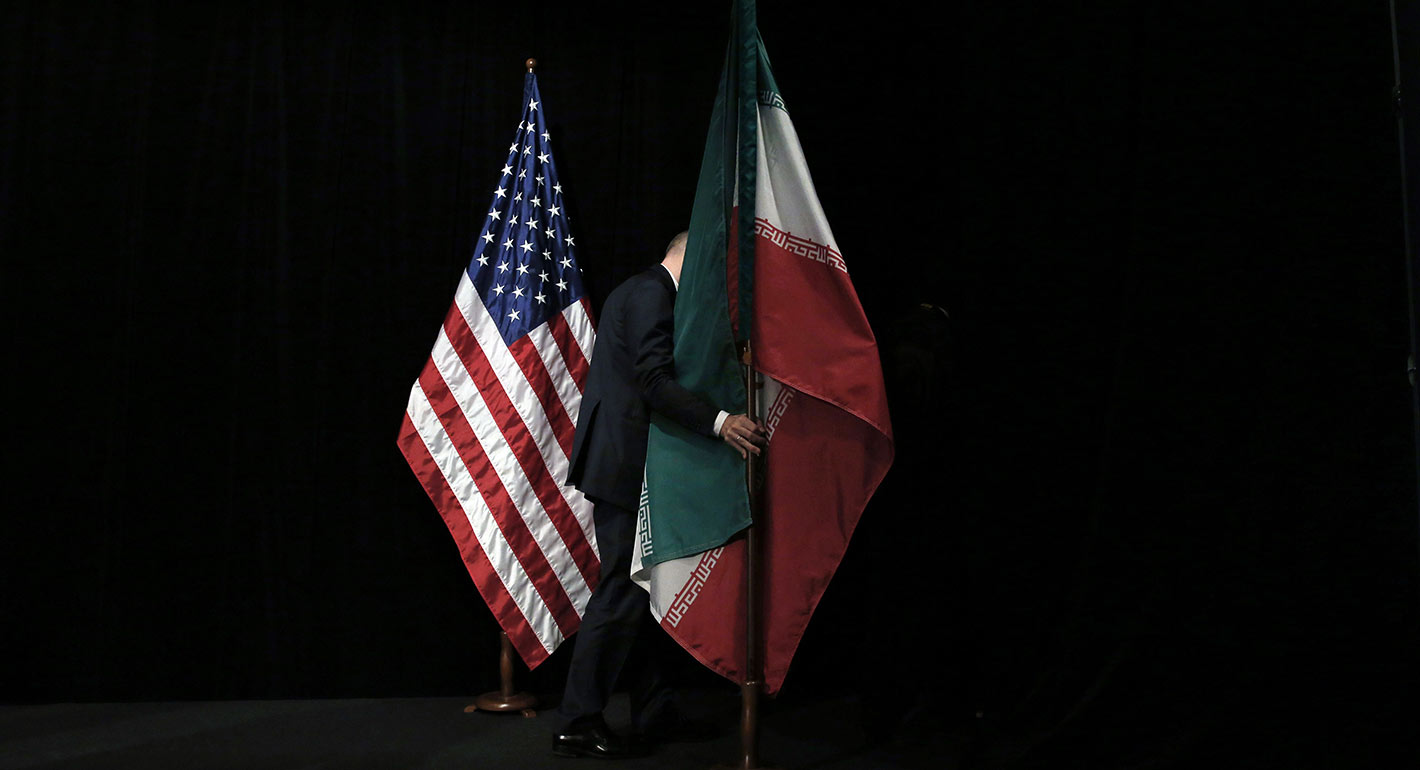
Source: Getty
The messages Trump is sending make negotiations with Tehran less and less likely and increase the chance of another ruinous war of choice in the Middle East.
Source: Politico
The Trump administration’s announcement this week of plans to impose new sanctions targeting Iranian leaders and organizations—including the Supreme Leader and his office, military commanders of the Islamic Revolutionary Guard Corps and Foreign Minister Javad Zarif—will have little practical effect, according to sanctions experts. Senior Iranian officials and their organizations are very unlikely to use international financial institutions or hold substantial assets abroad, and those are the major pathways through which the United States exerts coercive economic pressure. In other words, the new sanctions are more symbolic than effective.
This is not a bad thing. Symbolism is useful in international affairs, especially between adversarial countries like Iran and the United States, which lack formal diplomatic relations and need to find other ways to communicate. Intermediaries can be one option, symbolic measures another.
The problem with these new sanctions is not that they are symbolic, but that the messages they convey to Iran and the rest of the world are foolish and dangerous, and will fail to advance U.S. interests.
Here are three messages the Trump administration sent to Iran this week...
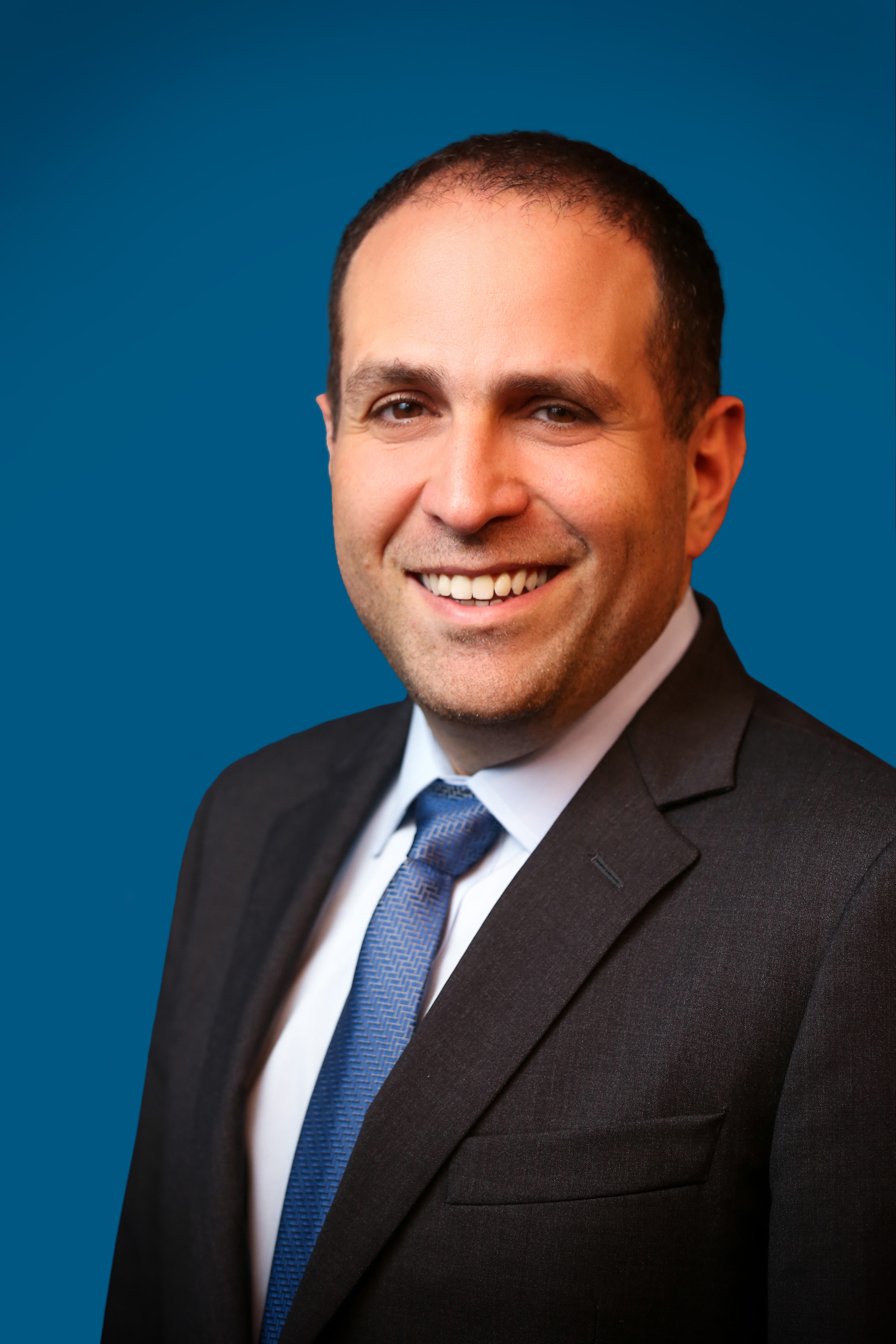
Former Senior Fellow, Geoeconomics and Strategy Program
Jarrett Blanc was a senior fellow in the Geoeconomics and Strategy Program at the Carnegie Endowment for International Peace.
Recent Work


Jarrett Blanc, Thomas de Waal, Karim Sadjadpour, …

Dan Baer, Rosa Balfour, Jarrett Blanc, …
Carnegie does not take institutional positions on public policy issues; the views represented herein are those of the author(s) and do not necessarily reflect the views of Carnegie, its staff, or its trustees.

Russian strikes are weakening the economy sustaining Ukraine’s war effort. Closing the growing funding gap will require more European support and politically contentious reforms in Kyiv.

Balázs Jarábik

Ex-president Gurbanguly Berdimuhamedov remains interested in politics, but his son Serdar, Turkmenistan’s current president, is becoming increasingly independent and willing to break with his father’s legacy. If their covert rivalry goes too far, both risk losing power.

Galiya Ibragimova

Despite a new textbook, an influx of Russian teachers and managers, and an end to the teaching of Ukrainian, the Kremlin is unlikely to have “reprogrammed” locals.

Konstantin Skorkin

Cargo traffic through Russia’s Northern Sea Route has increased because of the disruption caused by the conflict in the Middle East, the Ukraine war, and U.S.-China tensions.

Mikhail Korostikov

Sergei Kiriyenko used Russia’s parliamentary vote to further hone his strategy of corporate mobilization that is designed to maximize votes for United Russia.

Andrey Pertsev