

Q&A
Eugene Rumer
{
  "authors": [
    "Eugene Rumer"
  ],
  "type": "legacyinthemedia",
  "centerAffiliationAll": "dc",
  "centers": [
    "Carnegie Endowment for International Peace",
    "Malcolm H. Kerr Carnegie Middle East Center"
  ],
  "collections": [],
  "englishNewsletterAll": "ctw",
  "nonEnglishNewsletterAll": "",
  "primaryCenter": "Carnegie Endowment for International Peace",
  "programAffiliation": "russia",
  "programs": [
    "Russia and Eurasia"
  ],
  "projects": [
    "The Return of Global Russia: A Reassessment of the Kremlin’s International Agenda"
  ],
  "regions": [
    "Middle East",
    "North Africa",
    "Russia"
  ],
  "topics": [
    "Political Reform",
    "Foreign Policy"
  ]
}
Source: Getty
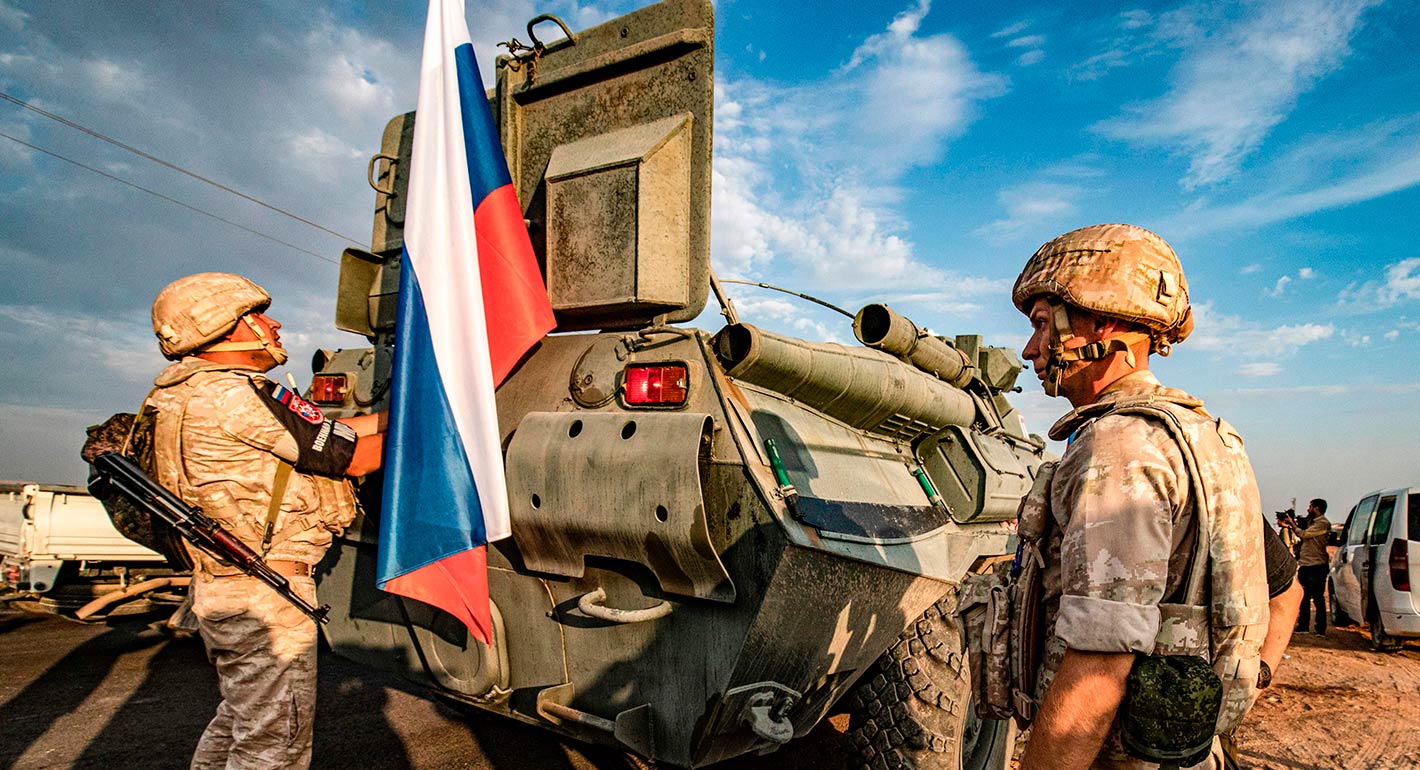
The reemergence of Russia as a major power broker in the Middle East is striking because for a quarter century after the Cold War, Russia had been absent from the region. But Russia’s absence, and not its return, is the anomaly.
Source: Foreign Affairs
Russia is on a roll in the Middle East. Russian airpower saved the Assad regime from certain defeat. Turkey and Israel must now accept the presence of Russian troops on their borders. Saudi Arabia has given Russian President Vladimir Putin the red-carpet treatment. And U.S. President Donald Trump thanked Putin for facilitating the operation to kill Abu Bakr al-Baghdadi, the leader of the Islamic State (or ISIS). Throughout the Middle East, from North Africa to the Persian Gulf, Russia is ubiquitous, with its high-level visitors, its weapons, its mercenaries, and its deals to build nuclear power plants. Russia has gotten involved in this region as the United States pulls back from it—a trend that even the success of the Baghdadi raid can do little to conceal.
The reemergence of Russia as a major power broker in the Middle East is striking not only in contrast with the United States’ erratic posture in the region but because for a quarter century after the Cold War, Russia had been absent from the region. But Russia’s absence, and not its return, is the anomaly....
Director and Senior Fellow, Russia and Eurasia Program
Rumer, a former national intelligence officer for Russia and Eurasia at the U.S. National Intelligence Council, is a senior fellow and the director of Carnegie’s Russia and Eurasia Program.
Recent Work
Eugene Rumer
Eugene Rumer
Carnegie does not take institutional positions on public policy issues; the views represented herein are those of the author(s) and do not necessarily reflect the views of Carnegie, its staff, or its trustees.

The truth of the strategic situation is that Europe and Russia are extremely unlikely to be able to “turn the page” on their confrontation within the next two decades.

Arkady Moshes
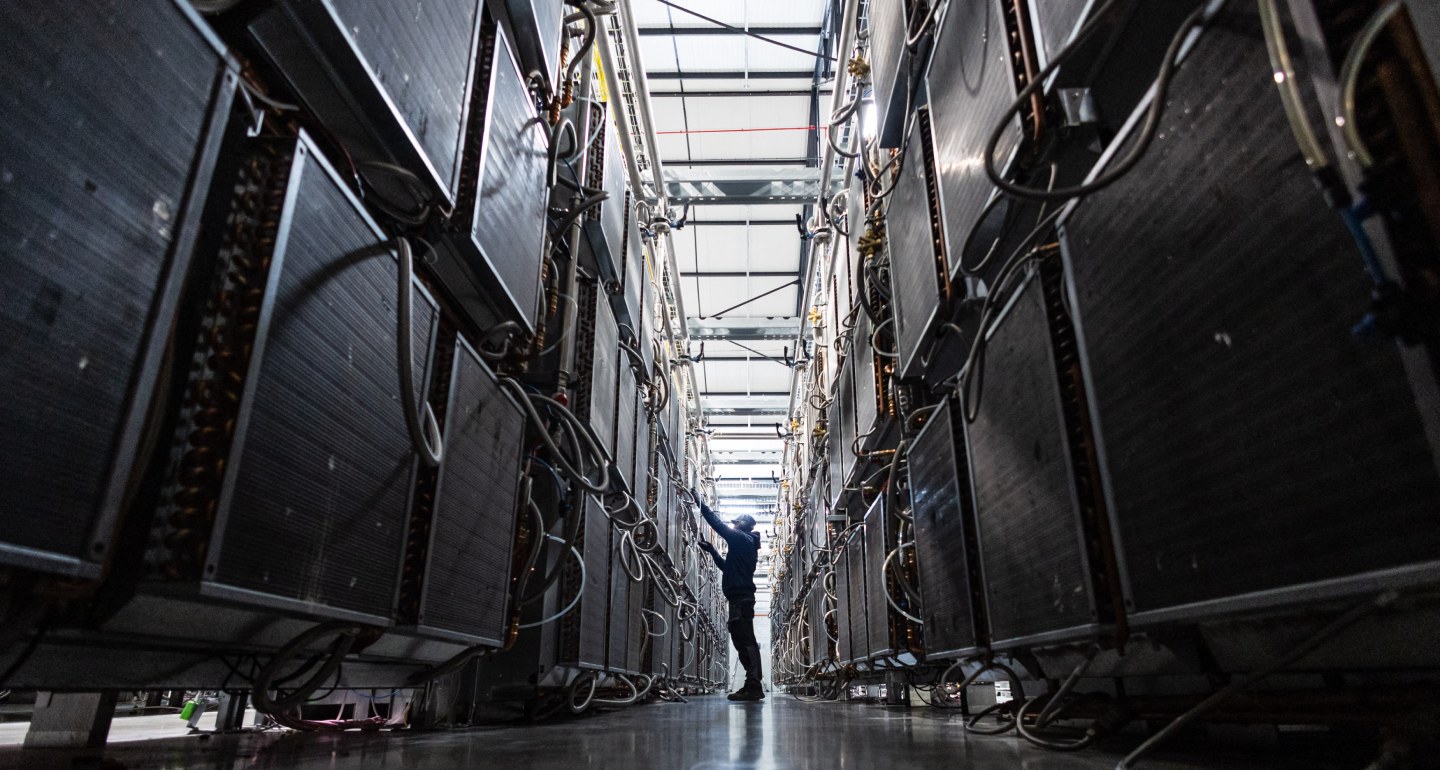
Russia spent years building a “sovereign internet,” concentrating web infrastructure exclusively within Russian territory. Ukrainian drone attacks have shown how vulnerable that approach has left the Russian internet.

Maria Kolomychenko

Putin’s conservative staffing policies and search for ever greater control have cemented parliament’s transformation into a bureaucratic appendage of the executive branch.

Andrey Pertsev

Russia’s AI-driven propaganda campaigns operate in a fragmented, chaotic, and often illogical manner. That’s not necessarily a problem for the Kremlin, though: It’s much easier to mimic genuine public debate that way.

Ilya Klishin

Without a ceasefire with Ukraine on attacking each other’s energy infrastructure—to which the Kremlin is unlikely to agree—the diesel agreement between Putin and Trump is largely for show, rather than representing a genuine increase in the volumes of Russian diesel on the global market.

Sergey Vakulenko