

Commentary
Ulrich Kühn
{
  "authors": [
    "Ulrich Kühn"
  ],
  "type": "other",
  "centerAffiliationAll": "dc",
  "centers": [
    "Carnegie Endowment for International Peace"
  ],
  "collections": [],
  "englishNewsletterAll": "ctw",
  "nonEnglishNewsletterAll": "",
  "primaryCenter": "Carnegie Endowment for International Peace",
  "programAffiliation": "NPP",
  "programs": [
    "Nuclear Policy"
  ],
  "projects": [],
  "regions": [
    "Western Europe"
  ],
  "topics": [
    "Nuclear Policy",
    "Arms Control"
  ]
}
Source: Getty
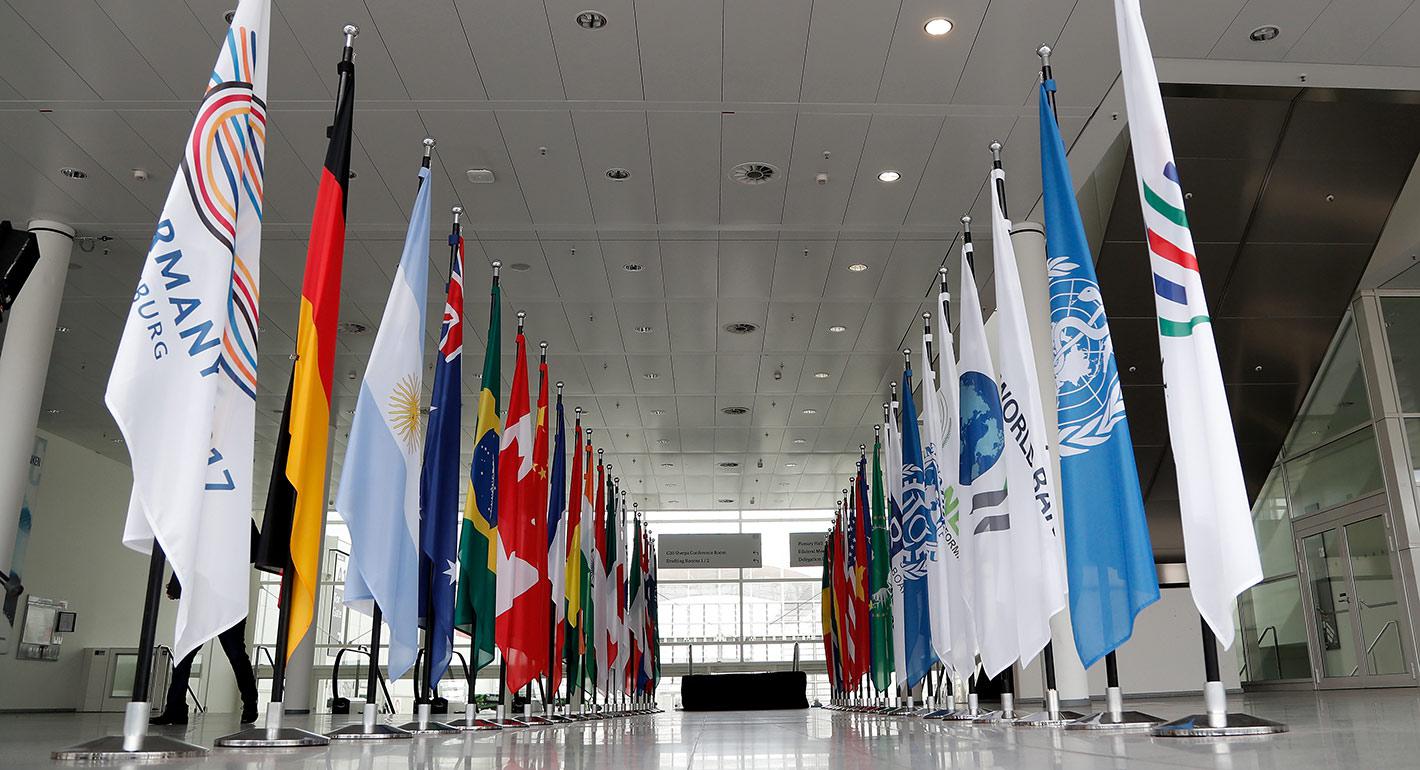
The current confrontation between NATO and Russia stems from a long stagnation and then final crisis in the realm of arms control.
Source: Nomos
Thirty years after the fall of the Berlin Wall, America and Russia have again returned to conflict. But this renewed confrontation did not come out of the blue. Rather, it was preceded by a long period of stagnation and a final crisis in the realm of arms control. In particular, the agreements of cooperative arms control in Europe eroded after the turn of the millennium. Why did that neatly established network of security agreements collapse? In this volume, Ulrich Kühn traces the rise and fall of cooperative arms control in Europe from the early Helsinki days to the Russian annexation of the Crimea in 2014. Applying a multi-theory approach in order to assess the foreign and security policies of the United States and Russia, the author not only answers who is to blame for the sorry state of arms control, but he also uncovers a regime complex that has so far remained unknown and that spans across various organisations and institutions.

Nonresident Scholar, Nuclear Policy Program
Ulrich Kühn is a nonresident scholar at the Carnegie Endowment for International Peace, and the head of the arms control and emerging technologies program at the Institute for Peace Research and Security Policy at the University of Hamburg.
Recent Work
Ulrich Kühn
Ulrich Kühn
Carnegie does not take institutional positions on public policy issues; the views represented herein are those of the author(s) and do not necessarily reflect the views of Carnegie, its staff, or its trustees.
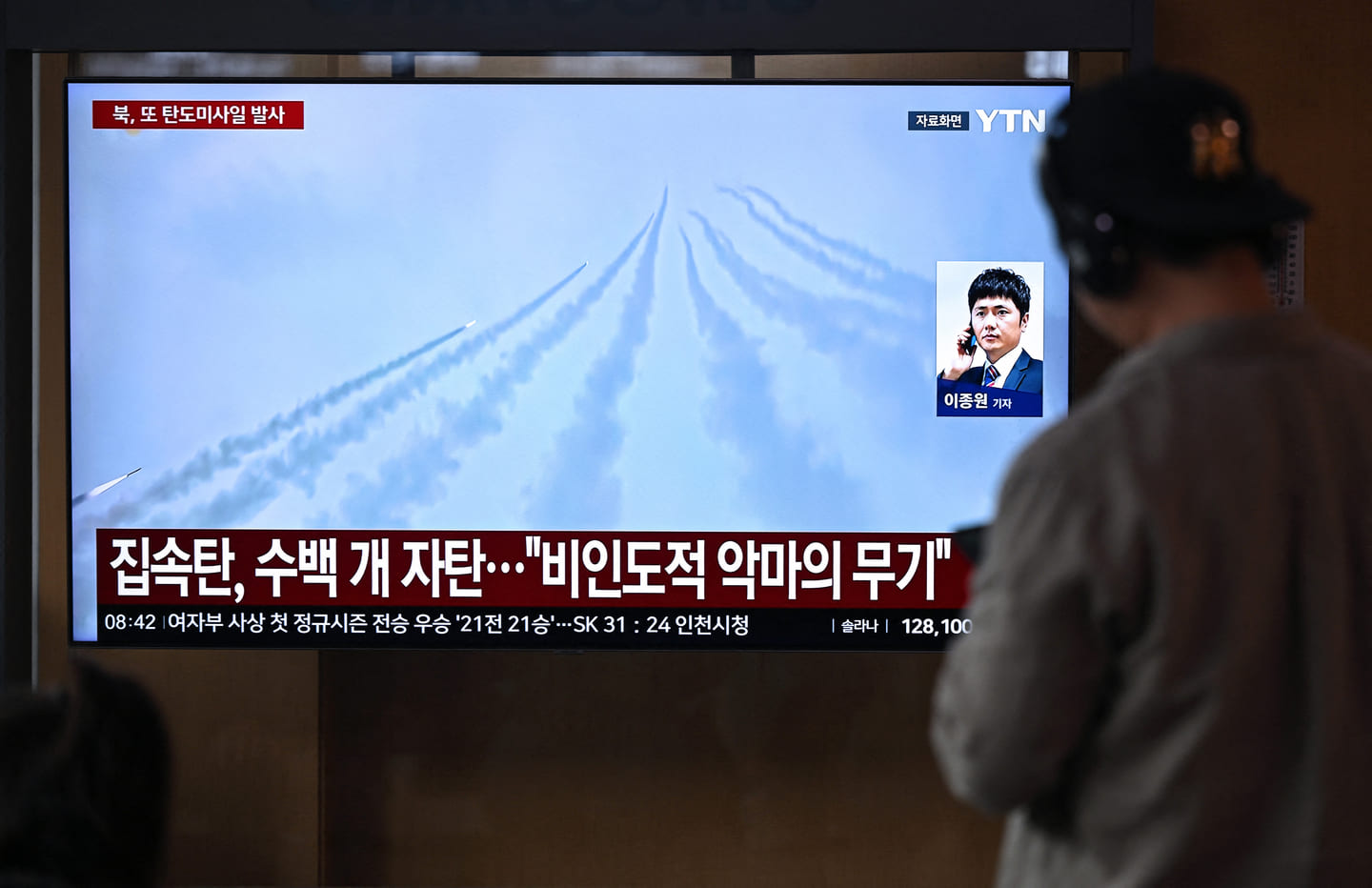
Troubled by the growing salience of nuclear debates in East Asia, Moscow has responded in its usual way: with condemnation and threats. But by exacerbating insecurity, Russia is forcing South Korea and Japan to consider radical security options.

James D.J. Brown
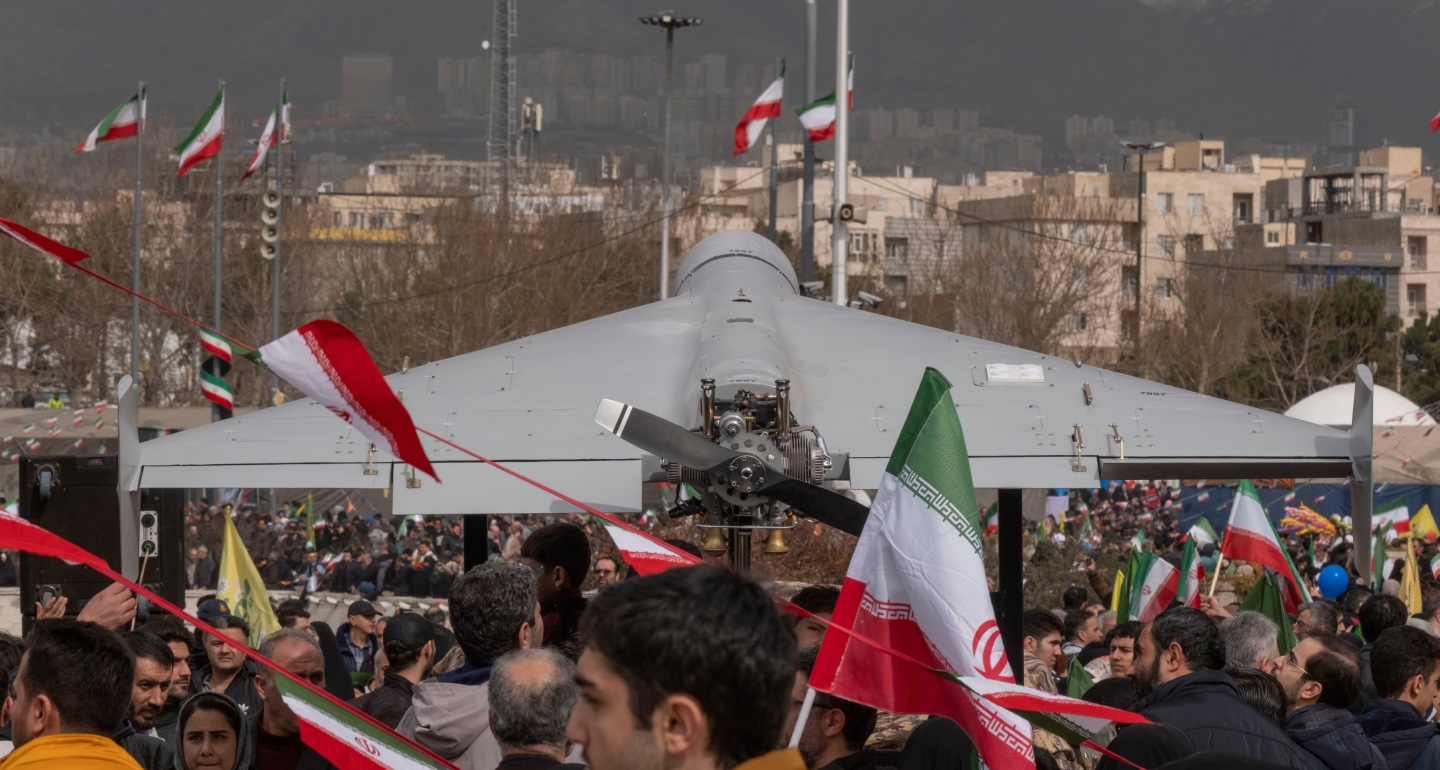
The Russian leadership wants to avoid a dangerous precedent in which it is squeezed out of Iran by the United States and Israel—and left powerless to respond in any meaningful way.

Nikita Smagin
For Putin, upgrading Russia’s nuclear forces was a secondary goal. The main aim was to gain an advantage over the West, including by strengthening the nuclear threat on all fronts. That made growth in missile arsenals and a new arms race inevitable.
Maxim Starchak
The Kremlin will only be prepared to negotiate strategic arms limitations if it is confident it can secure significant concessions from the United States. Otherwise, meaningful dialogue is unlikely, and the international system of strategic stability will continue to teeter on the brink of total collapse.
Maxim Starchak
Tehran’s most urgent task is to reduce the risk of further Israeli and U.S. airstrikes. Russia’s role as a deterrent in this respect is more multifaceted than simply supplying weapons, whose real impact will only become apparent many years from now.
Nikita Smagin