

Commentary
This year’s wars have made alternative routes to transit through Russia no less risky for Central Asian countries.
Galiya Ibragimova
{
  "authors": [
    "James L. Schoff",
    "Satoru Mori"
  ],
  "type": "other",
  "centerAffiliationAll": "dc",
  "centers": [
    "Carnegie Endowment for International Peace"
  ],
  "collections": [],
  "englishNewsletterAll": "asia",
  "nonEnglishNewsletterAll": "",
  "primaryCenter": "Carnegie Endowment for International Peace",
  "programAffiliation": "AP",
  "programs": [
    "Asia"
  ],
  "projects": [],
  "regions": [
    "North America",
    "United States",
    "East Asia",
    "China",
    "Japan"
  ],
  "topics": [
    "Security",
    "Foreign Policy",
    "Technology"
  ]
}
Source: Getty
Techno-nationalism is resurgent in the world today, and it comes at a time of more intense strategic friction between the United States and China, compared to the U.S.-Japan trade battles and technology competition from three decades ago.
Source: Sasakawa Peace Foundation
Techno-nationalism is resurgent in the world today, and it comes at a time of more intense strategic friction between the United States and China, compared to the U.S.-Japan trade battles and technology competition from three decades ago. That was a relatively short-lived era of rivalry between allies, but this is likely to be a longer-term and intense competition with China that sees the United States and Japan on the same side for the most part, due to their wide range of shared interests.
This memo assesses the scope of evolving technology development challenges to the United States and Japan, summarizes some of the steps that both countries are taking to address these challenges—through a combination of access restriction and collaborative innovation—and recommends additional measures they can consider for protecting national and economic security without risking technological isolation. The memo focuses heavily on the unique role that the U.S-Japan alliance can play with regard to these challenges, given the two countries’ science and technology strengths, their shared regional and global interests, and their track record of basic science collaboration that spans more than fifty years.
This policy memorandum was originally published by the Sasakawa Peace Foundation.

Former Senior Fellow, Asia Program
James L. Schoff was a senior fellow in the Carnegie Asia Program. His research focuses on U.S.-Japan relations and regional engagement, Japanese technology innovation, and regional trade and security dynamics.
Satoru Mori
Satoru Mori is a professor in the Faculty of Law at Hosei University. He specializes in international relations, U.S. foreign policy and Cold War history.
Carnegie does not take institutional positions on public policy issues; the views represented herein are those of the author(s) and do not necessarily reflect the views of Carnegie, its staff, or its trustees.

This year’s wars have made alternative routes to transit through Russia no less risky for Central Asian countries.

Galiya Ibragimova
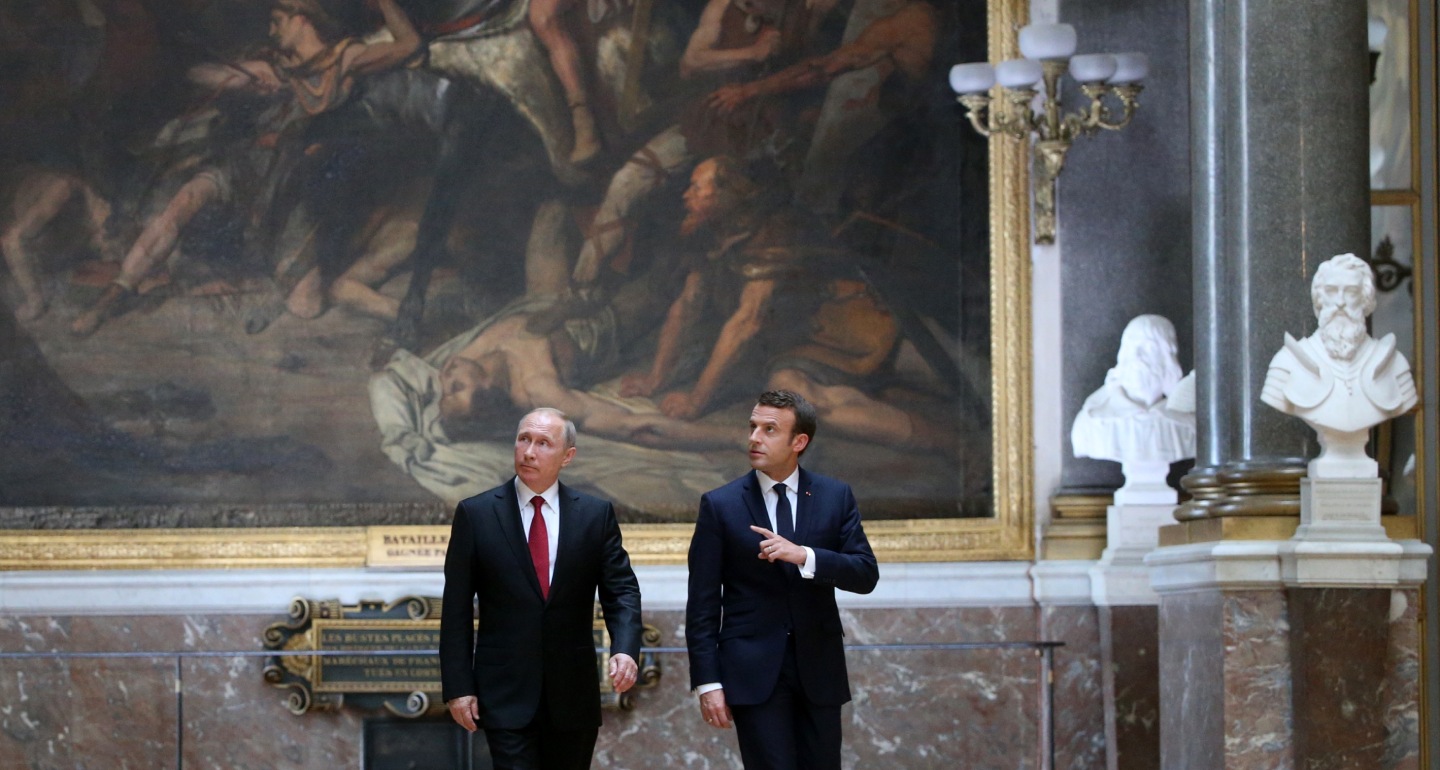
Reestablishing a dialogue with Moscow is not a goal in its own right. The goal is to guarantee the independence of Ukraine and the peace and security of Europe.
Arkady Moshes
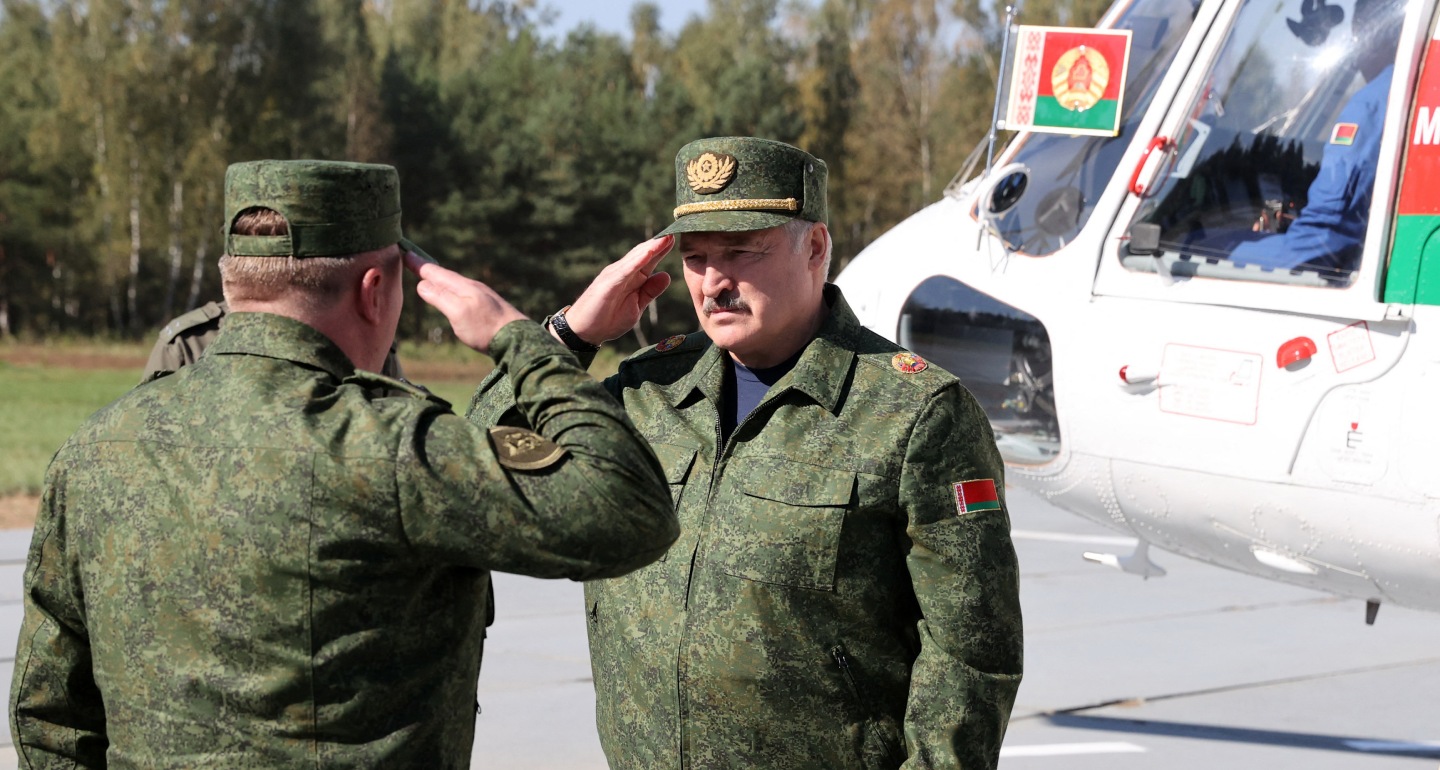
Ukraine’s increasingly confrontational posture on Belarus reflects Kyiv’s effort to shape the emerging regional order in Eastern Europe. Kyiv wants to limit European normalization with Minsk—and any future rapprochement with Russia.

Balázs Jarábik

By fueling the arguments of both supporters and opponents of Armenian Prime Minister Nikol Pashinyan, Azerbaijan wants to ensure he is re-elected with a weaker mandate.

Bashir Kitachaev

A much-discussed disagreement over internet restrictions in Russia was never an existential threat for Putin: It was about elite groups protecting their interests.

Alexandra Prokopenko