

Article
Ariel (Eli) Levite, Toby Dalton
{
  "authors": [
    "Ariel (Eli) Levite"
  ],
  "type": "legacyinthemedia",
  "centerAffiliationAll": "dc",
  "centers": [
    "Carnegie Endowment for International Peace"
  ],
  "collections": [],
  "englishNewsletterAll": "ctw",
  "nonEnglishNewsletterAll": "",
  "primaryCenter": "Carnegie Endowment for International Peace",
  "programAffiliation": "NPP",
  "programs": [
    "Nuclear Policy"
  ],
  "projects": [],
  "regions": [
    "Middle East",
    "Israel"
  ],
  "topics": [
    "Nuclear Policy",
    "Arms Control"
  ]
}
REQUIRED IMAGE
Personal recollections and insights of a participants in the Middle East Arms Control and Regional Security process in the 1990s for building a Middle East regional security architecture.
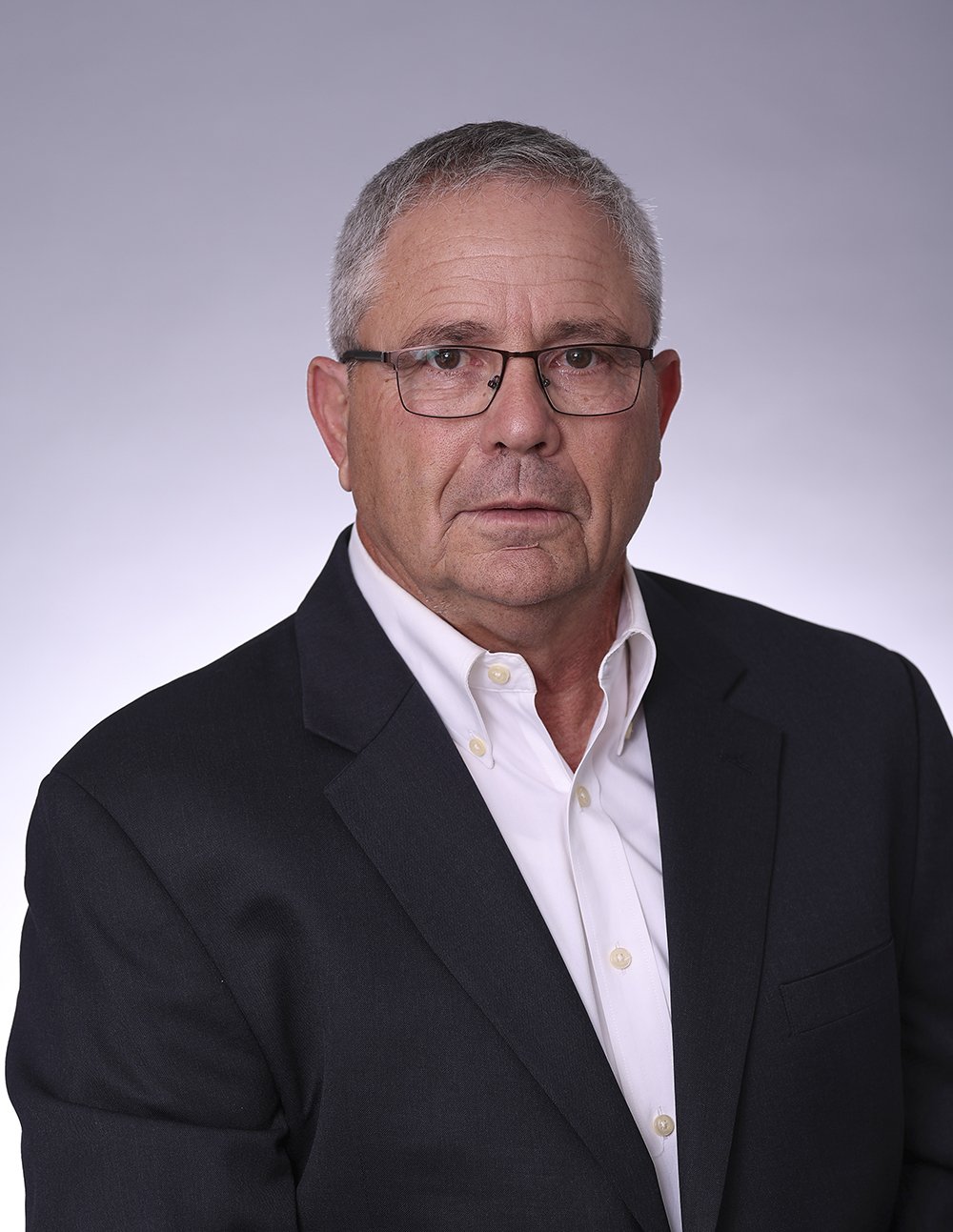
Senior Fellow, Nuclear Policy Program, Technology and International Affairs Program
Levite was the principal deputy director general for policy at the Israeli Atomic Energy Commission from 2002 to 2007.
Recent Work

Ariel (Eli) Levite, Toby Dalton

James M. Acton, Saskia Brechenmacher, Cecily Brewer, …
Carnegie does not take institutional positions on public policy issues; the views represented herein are those of the author(s) and do not necessarily reflect the views of Carnegie, its staff, or its trustees.
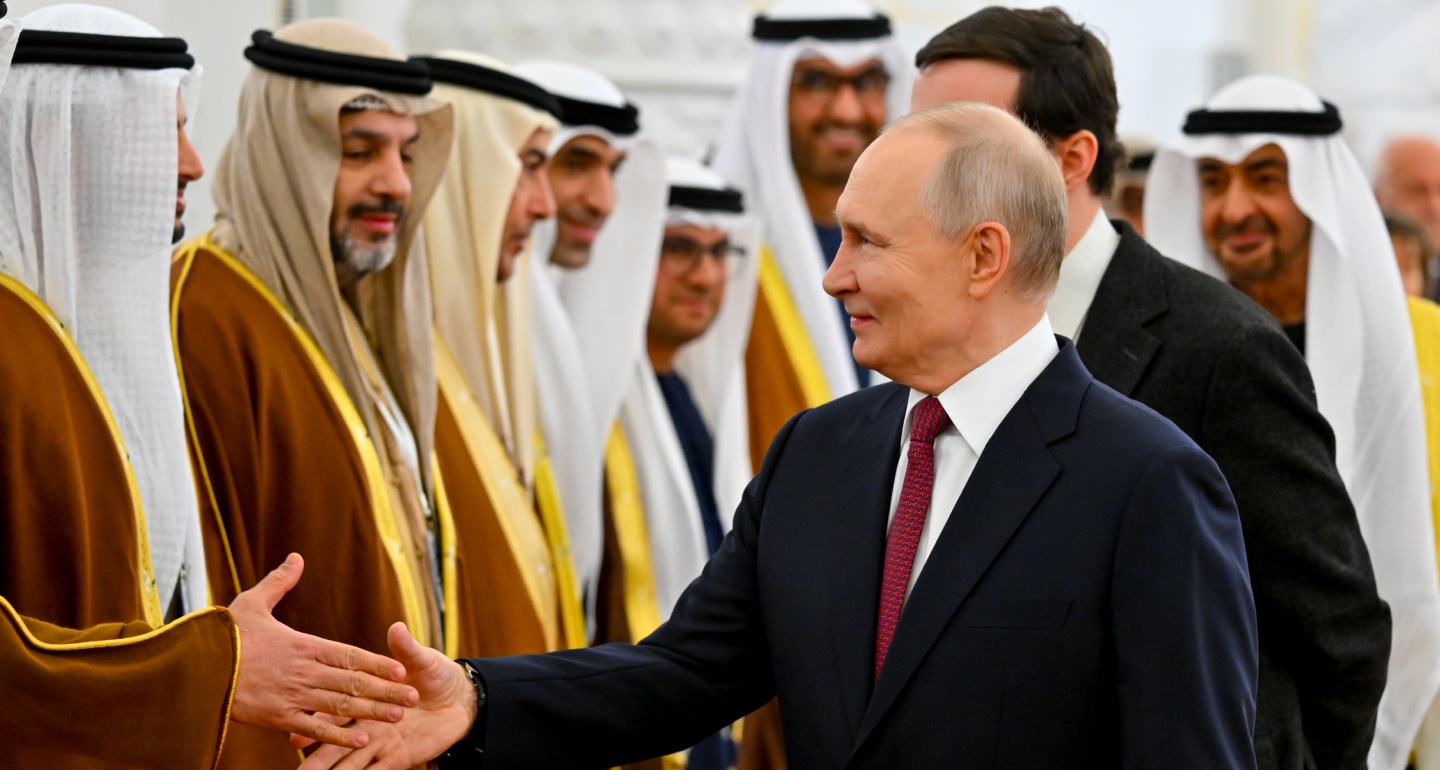
Disillusioned with the West over Gaza, Arab countries are not only trading more with Russia; they are also more willing to criticize Kyiv.
Ruslan Suleymanov
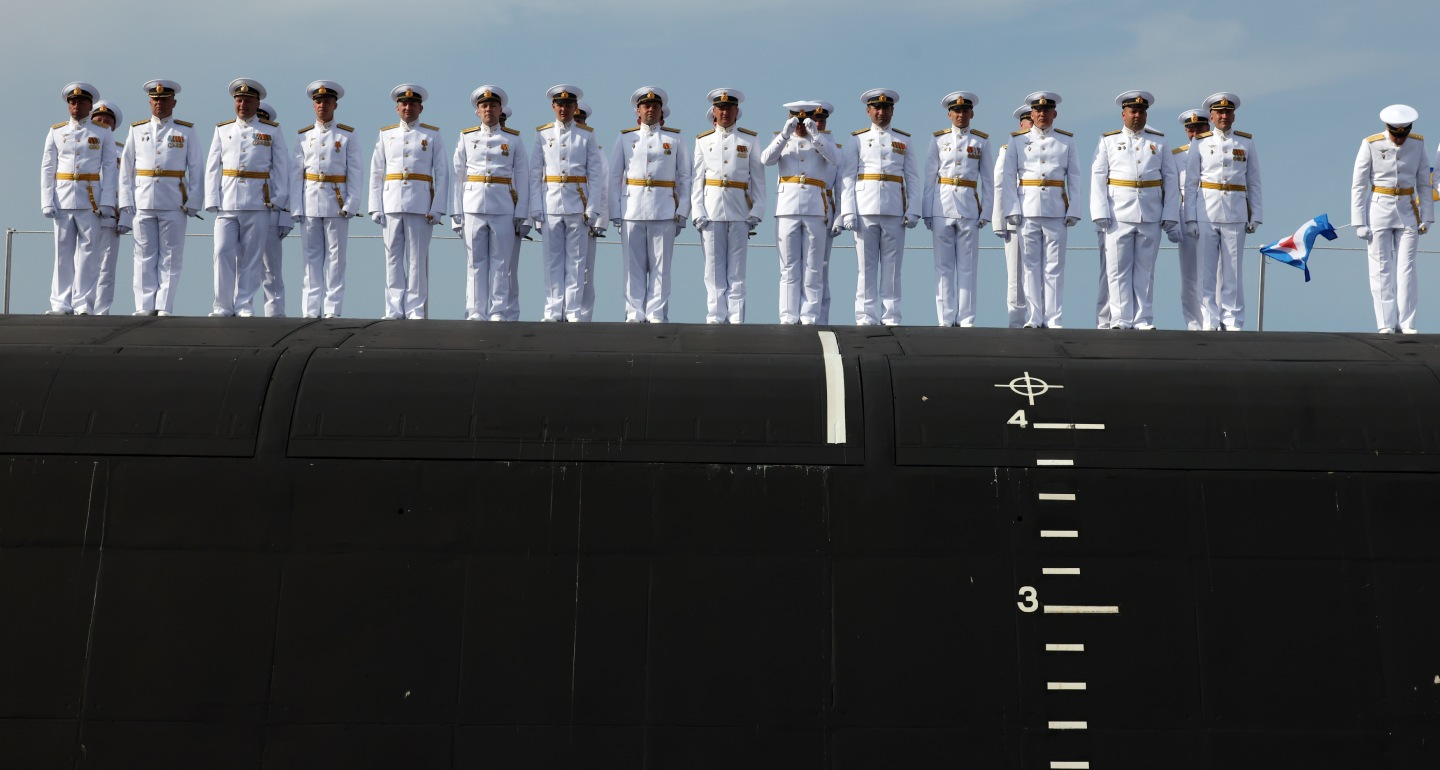
For Putin, upgrading Russia’s nuclear forces was a secondary goal. The main aim was to gain an advantage over the West, including by strengthening the nuclear threat on all fronts. That made growth in missile arsenals and a new arms race inevitable.
Maxim Starchak
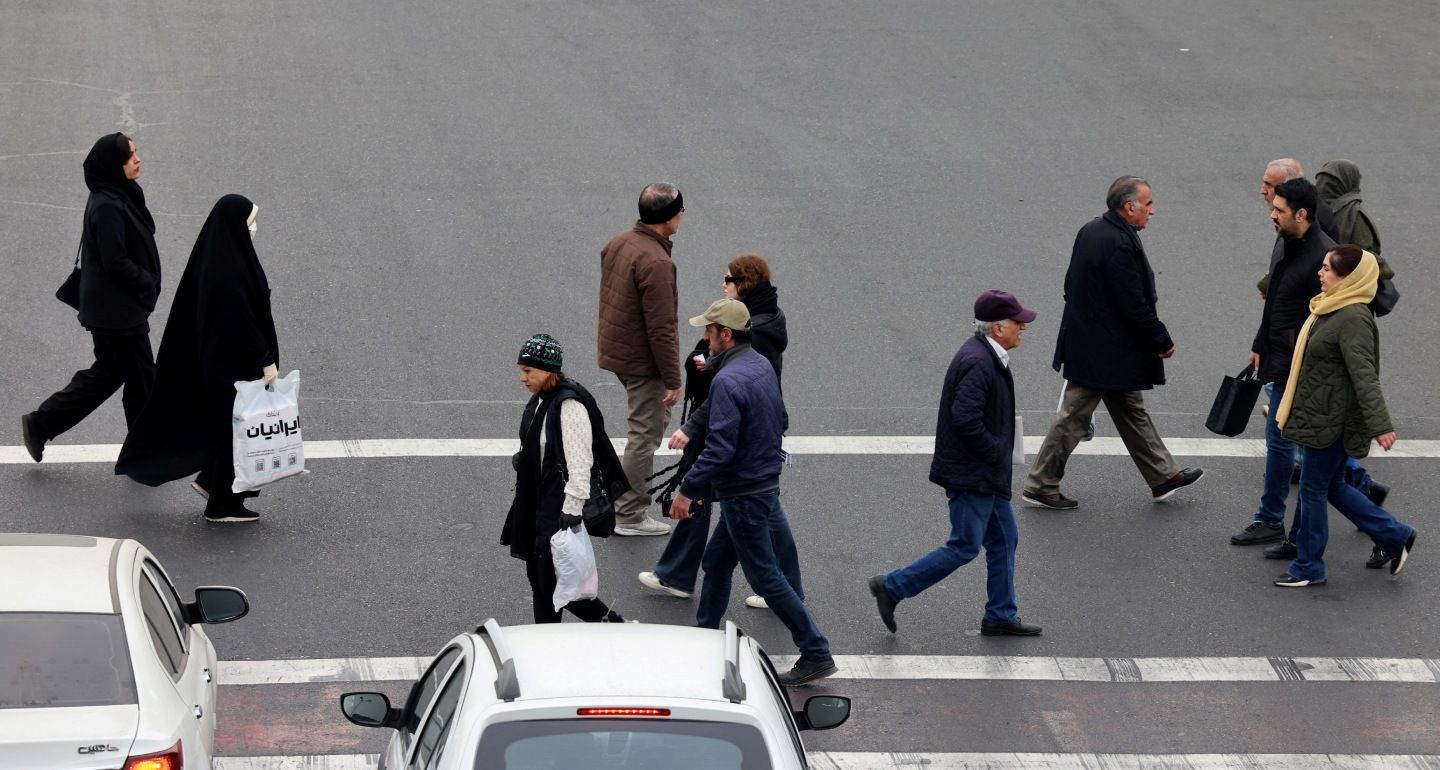
Baku may allow radical nationalists to publicly discuss “reunification” with Azeri Iranians, but the president and key officials prefer not to comment publicly on the protests in Iran.

Bashir Kitachaev
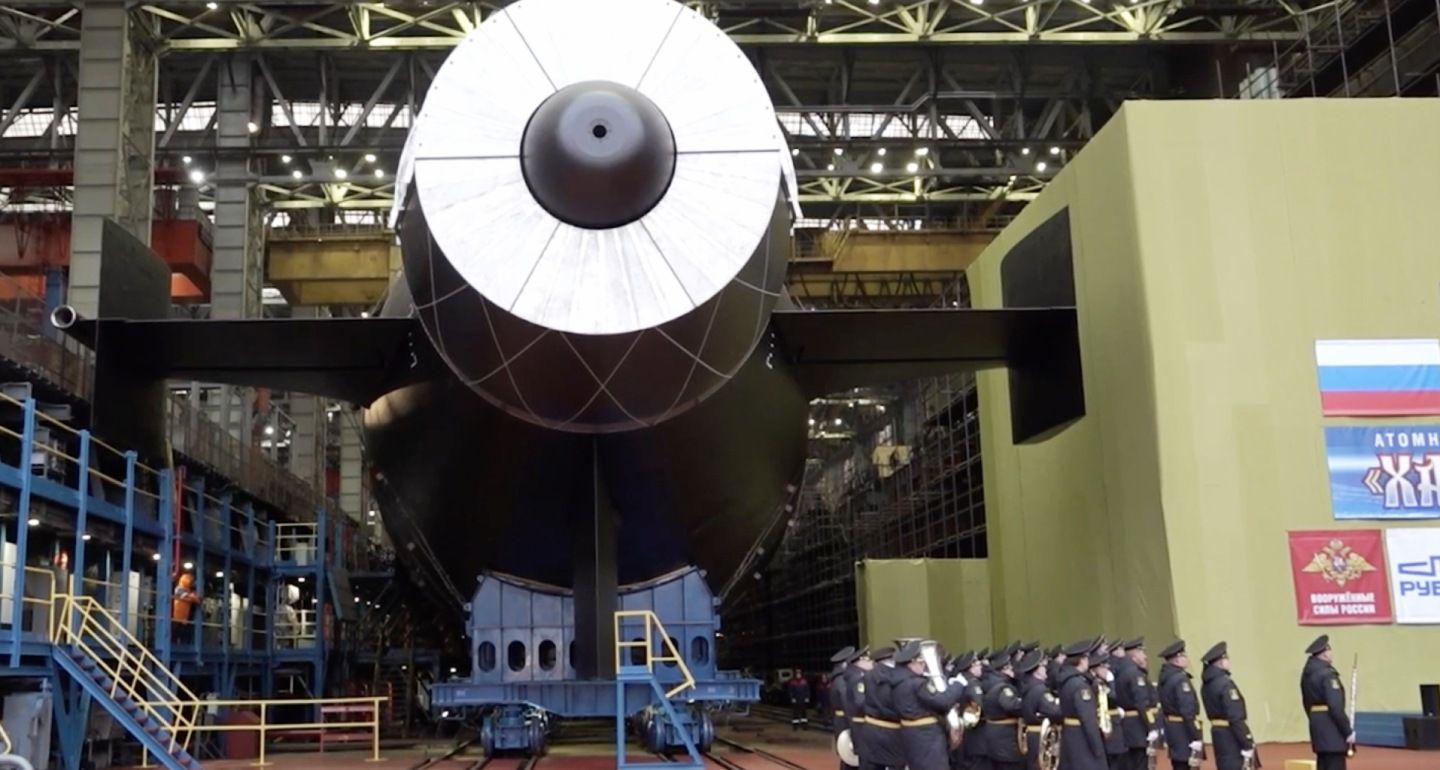
The Kremlin will only be prepared to negotiate strategic arms limitations if it is confident it can secure significant concessions from the United States. Otherwise, meaningful dialogue is unlikely, and the international system of strategic stability will continue to teeter on the brink of total collapse.
Maxim Starchak
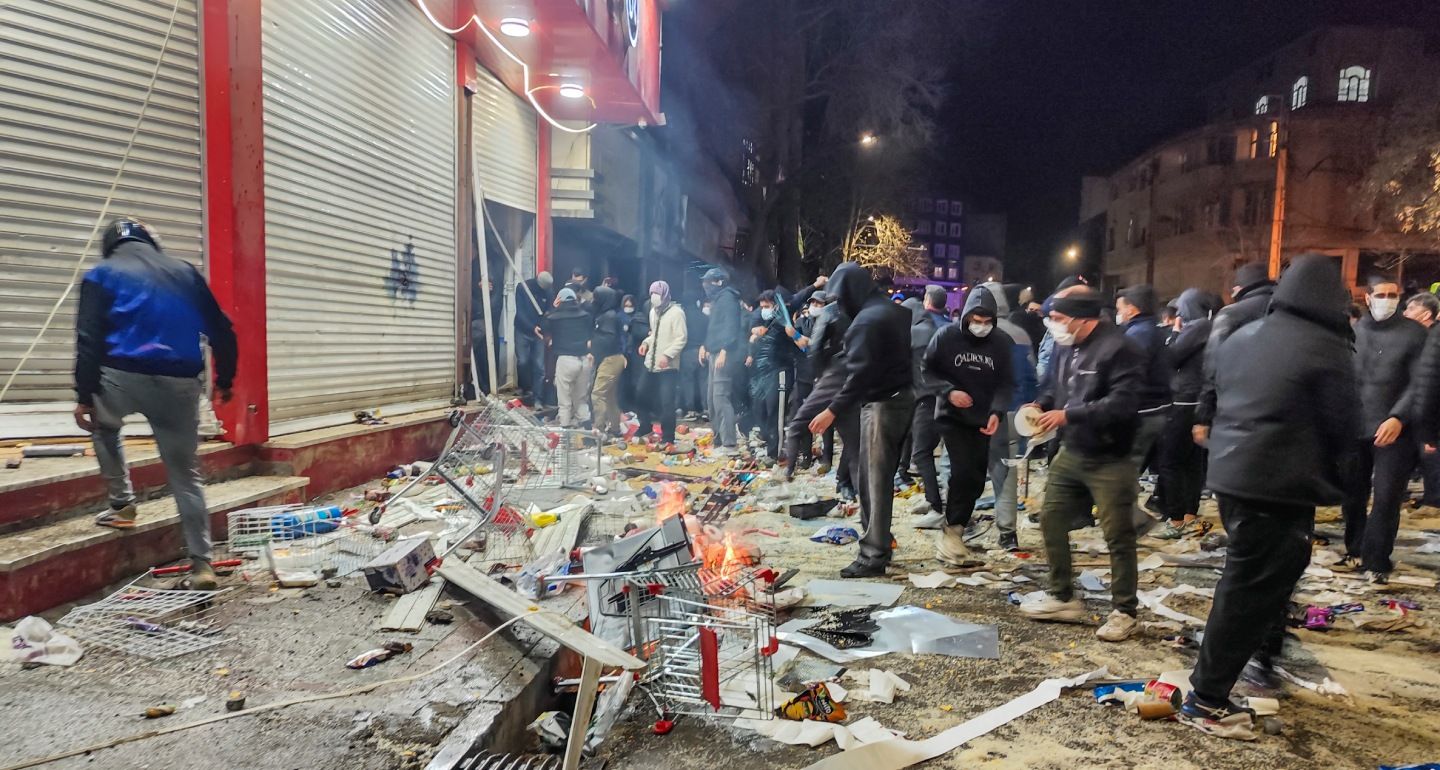
It’s one thing to export Russian helicopters to Iran to fight the insurgency, and it’s easy to imagine Moscow becoming a haven for fleeing Iranian leaders. But it’s very difficult to imagine Russian troops defending the Iranian regime on the ground.

Nikita Smagin