

Commentary
When faced with fuel shortages in the past, Central Asian governments could always count on additional supplies from Moscow. That safety net no longer exists.
Galiya Ibragimova
{
  "authors": [
    "Zainab Usman",
    "Olumide Abimbola",
    "Imeh Ituen"
  ],
  "type": "other",
  "centerAffiliationAll": "dc",
  "centers": [
    "Carnegie Endowment for International Peace"
  ],
  "collections": [
    "Climate and Energy Transitions"
  ],
  "englishNewsletterAll": "ctw",
  "nonEnglishNewsletterAll": "",
  "primaryCenter": "Carnegie Endowment for International Peace",
  "programAffiliation": "SCP",
  "programs": [
    "Sustainability, Climate, and Geopolitics",
    "Africa"
  ],
  "projects": [],
  "regions": [
    "Southern, Eastern, and Western Africa",
    "North America"
  ],
  "topics": [
    "Climate Change"
  ]
}
Source: Getty
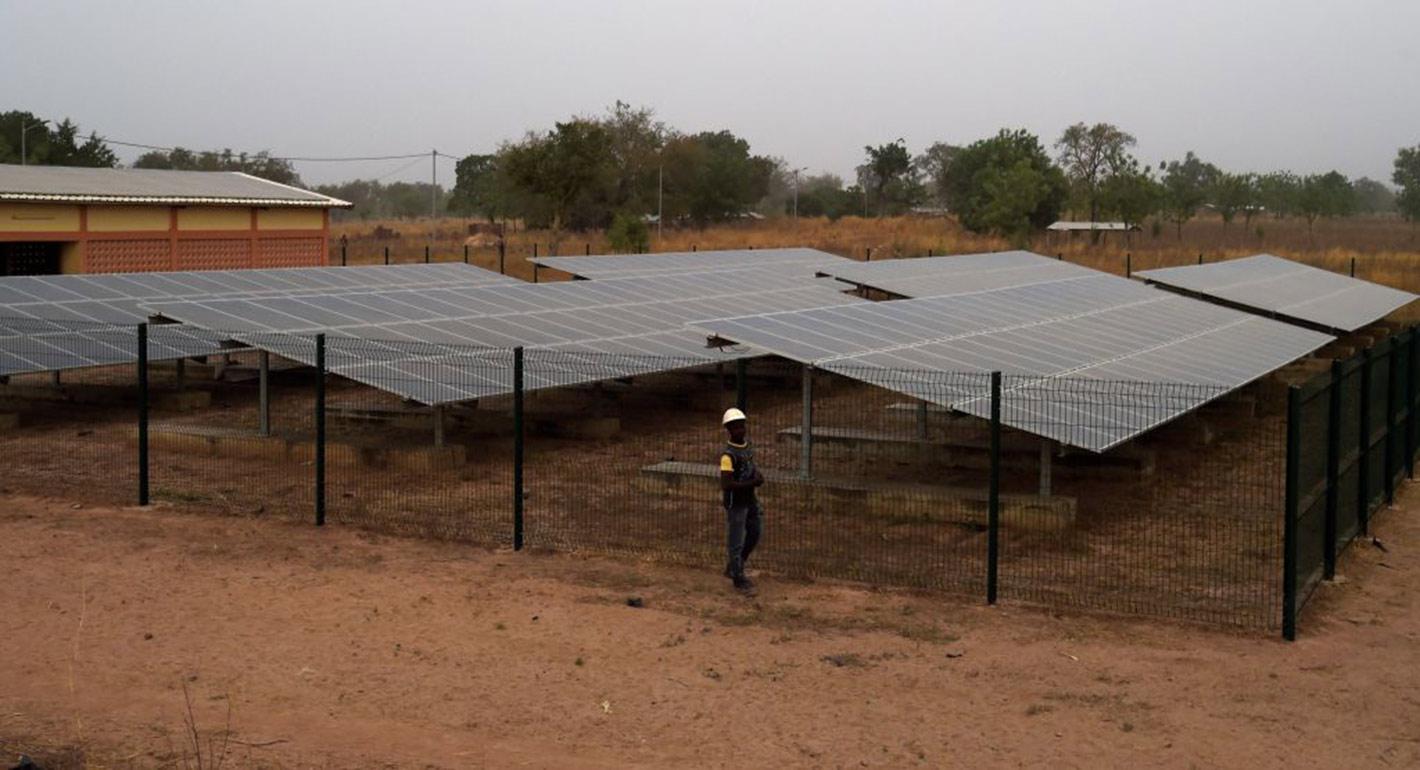
The European Green Deal is mainly a collection of internal EU policy instruments, yet its potential impacts will reach African countries. Such effects will be felt in the market for agriculture, fossil fuels, and other natural resources.
On July 14, 2021, the European Commission adopted a set of proposals that constitute the European Green Deal (EGD). The EGD is a set of policy initiatives that define the EU’s climate strategy and that aims to make Europe a first mover in international climate policy. Its central objective is to reduce the EU’s net greenhouse gas emissions by at least 55 percent from 1990 levels by 2030. Toward this goal, the EGD provides a road map to a low-carbon future and the building blocks for a green economic growth strategy.
The EGD’s potential global spillovers will reach Africa in view of the strong economic and historical ties between both continents. Opportunities and risks of the EGD for African countries abound in at least seven areas: agriculture, biodiversity, energy, critical raw materials (CRMs), circular economy, new technologies, and finance.1
To tap into the opportunities presented by the EGD and mitigate potential risks, African countries must clearly articulate and assert their own climate transition agendas. They should, individually and collectively, outline their own climate change priorities, considering their resource endowments, historical legacies, development strategies, and geopolitical interests while also presenting clear demands of the EU around specific aspects of the EGD. These transition agendas could include the following:
The EGD is mainly a collection of internal EU policy instruments, yet its potential impacts will reach African countries. Such effects will be felt in the market for agriculture, fossil fuels, and other natural resources. The impacts will also occur through the channels of Europe’s financial muscle, technologies, and standards. Yet, no outcome is predetermined. In fact, the transition envisioned in the EGD offers the promise of overhauling EU-Africa relations from donor-recipient orientation of the past toward a mutually beneficial partnership in the twenty-first century if the right steps are taken now.
1 These recommendations are drawn from “What Does the European Green Deal Mean for Africa?,” Carnegie Endowment for International Peace, October 18, 2021, https://carnegieendowment.org/org/2021/10/18/what-does-european-green-deal-mean-for-africa-pub-85570.

Former Director, Africa Program
Zainab Usman was a senior fellow and the inaugural director of the Africa Program at the Carnegie Endowment for International Peace.
Olumide Abimbola
Olumide Abimbola is executive director of the Africa Policy Research Institute in Berlin.
Imeh Ituen
Imeh Ituen is a research associate in the Faculty of Business, Economics, and Social Sciences at the University of Hamburg.
Carnegie does not take institutional positions on public policy issues; the views represented herein are those of the author(s) and do not necessarily reflect the views of Carnegie, its staff, or its trustees.

When faced with fuel shortages in the past, Central Asian governments could always count on additional supplies from Moscow. That safety net no longer exists.

Galiya Ibragimova
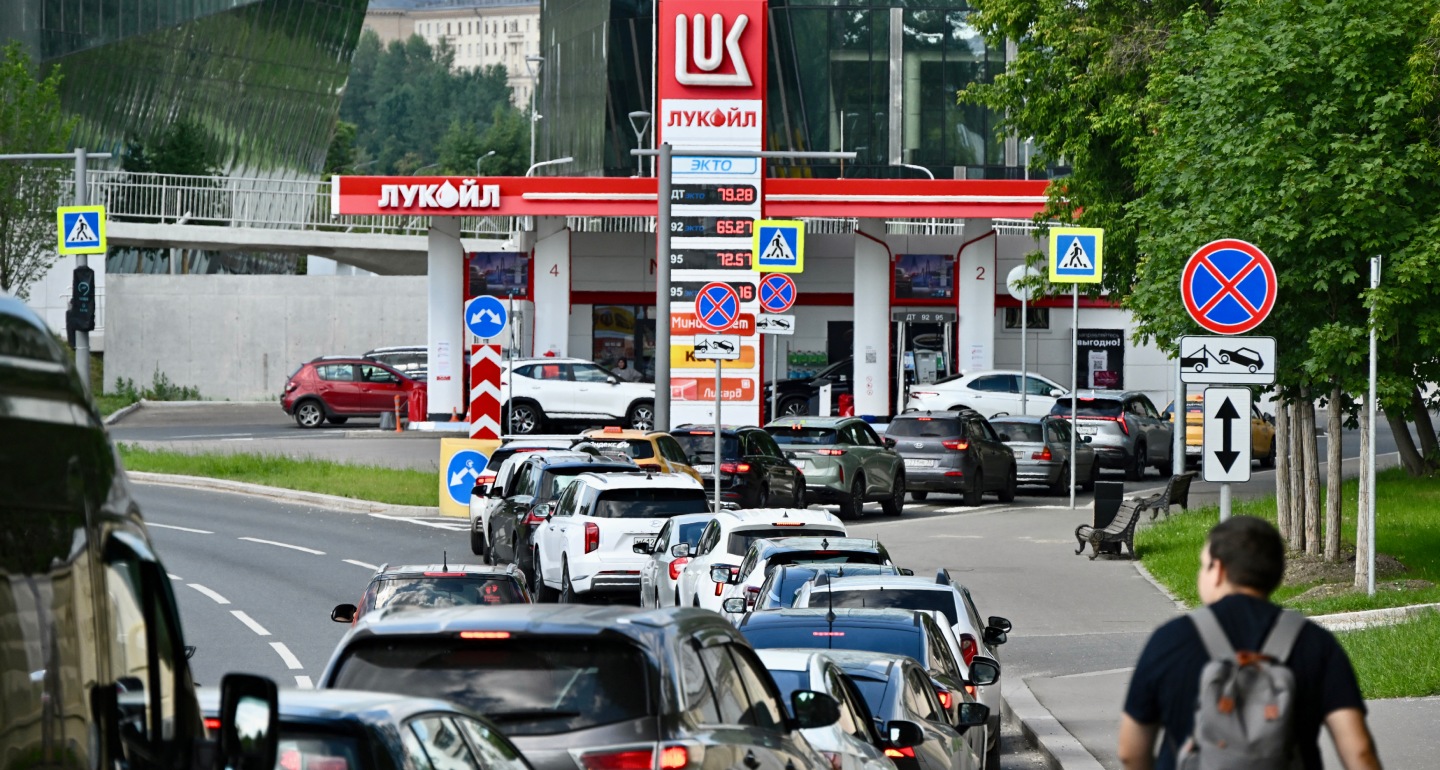
Official discussions about mini oil refineries are unlikely to come to anything—but the mere fact they’re happening reveals the regime is failing to deliver a functioning economy.

Sergey Vakulenko
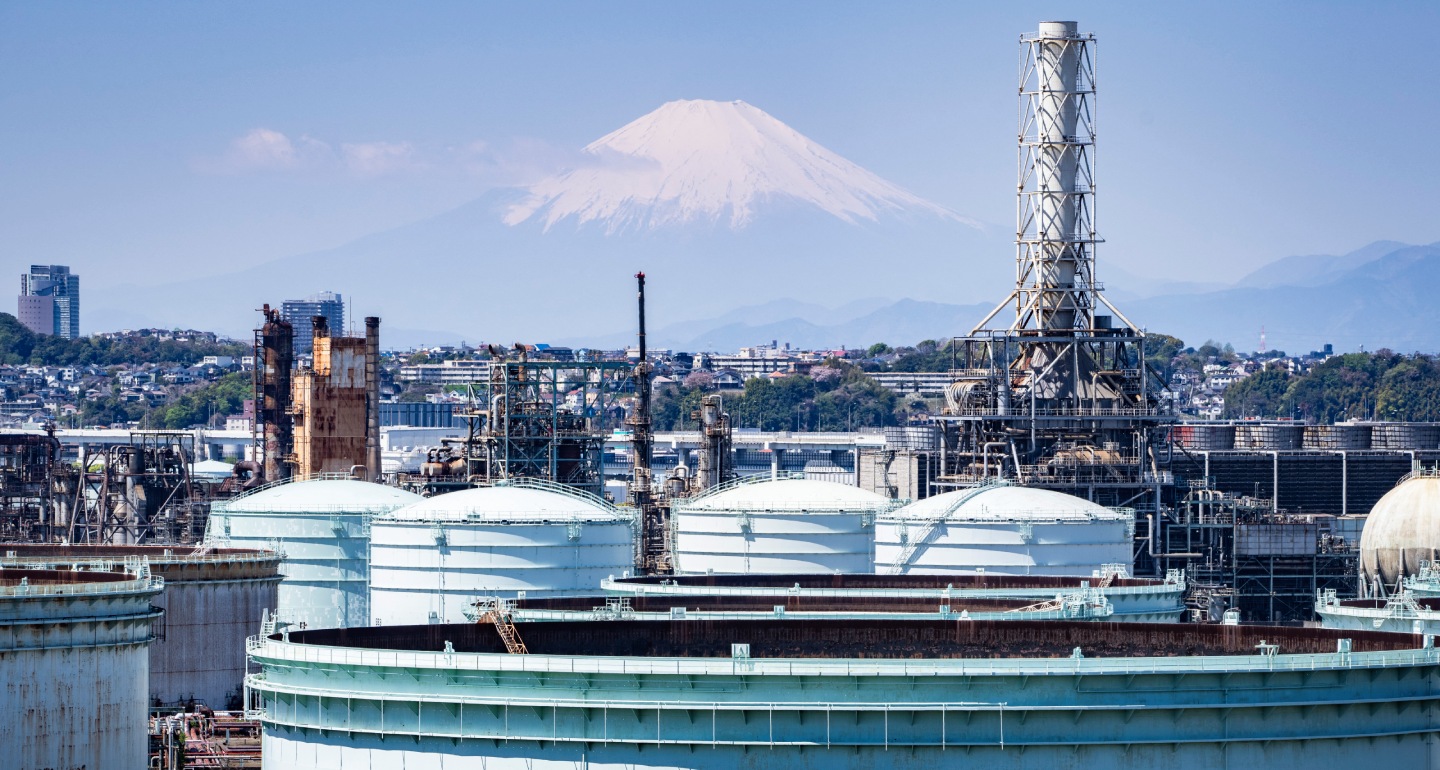
Tokyo would have to surmount a lot of obstacles—not least Western sanctions—if it wanted to return Russian oil imports to even modest pre-2022 volumes.

Vladislav Pashchenko

Powerful lobbyists and inertia led to Russia’s coal-mining sector missing an excellent opportunity to solve its structural problems.
Alexey Gusev
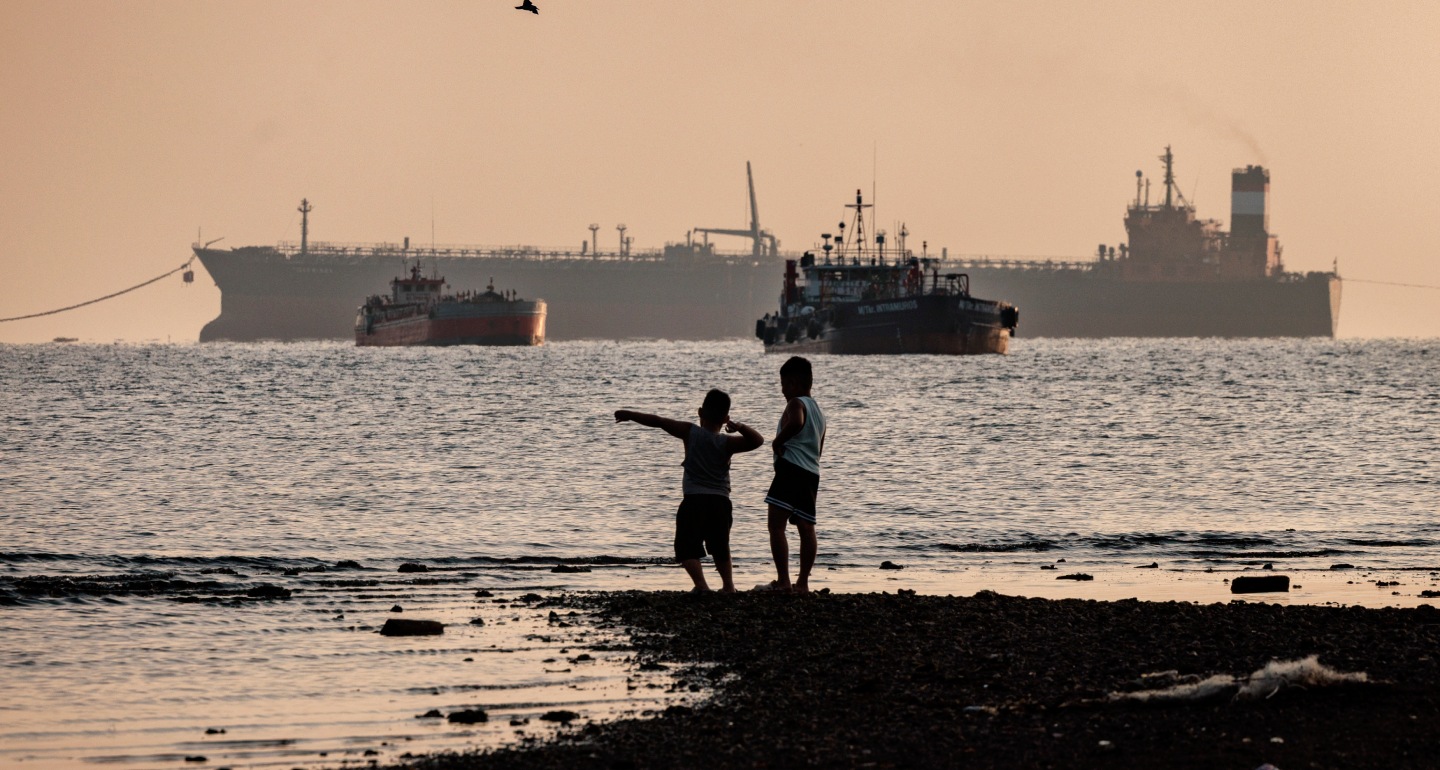
Although Ukrainian strikes have led to a noticeable decline in the physical volume of Russian oil exports, the rise in prices has more than made up for it.
Sergey Vakulenko