

Paper
Diana Sang, Jane Munga, Nanjira Sambuli
{
  "authors": [
    "Nanjira Sambuli"
  ],
  "type": "legacyinthemedia",
  "centerAffiliationAll": "dc",
  "centers": [
    "Carnegie Endowment for International Peace"
  ],
  "collections": [],
  "englishNewsletterAll": "ctw",
  "nonEnglishNewsletterAll": "",
  "primaryCenter": "Carnegie Endowment for International Peace",
  "programAffiliation": "TIA",
  "programs": [
    "Technology and International Affairs"
  ],
  "projects": [],
  "regions": [
    "Iran"
  ],
  "topics": [
    "Global Governance",
    "Technology"
  ]
}
REQUIRED IMAGE
Digital technologies, given their rapid rate of diffusion through globalisation, have become “glocal” in nature. They are becoming a mainstay of society, with their adoption further accelerated by the COVID-19 pandemic.
Nonresident Scholar, Technology and International Affairs
Nanjira Sambuli is a nonresident scholar in the Technology and International Affairs Program. She is a researcher, policy analyst and strategist studying the unfolding, gendered impacts of digitalization/ICT adoption on governance, diplomacy, media, entrepreneurship, and culture, especially in Africa.
Recent Work

Diana Sang, Jane Munga, Nanjira Sambuli
Nanjira Sambuli
Carnegie does not take institutional positions on public policy issues; the views represented herein are those of the author(s) and do not necessarily reflect the views of Carnegie, its staff, or its trustees.
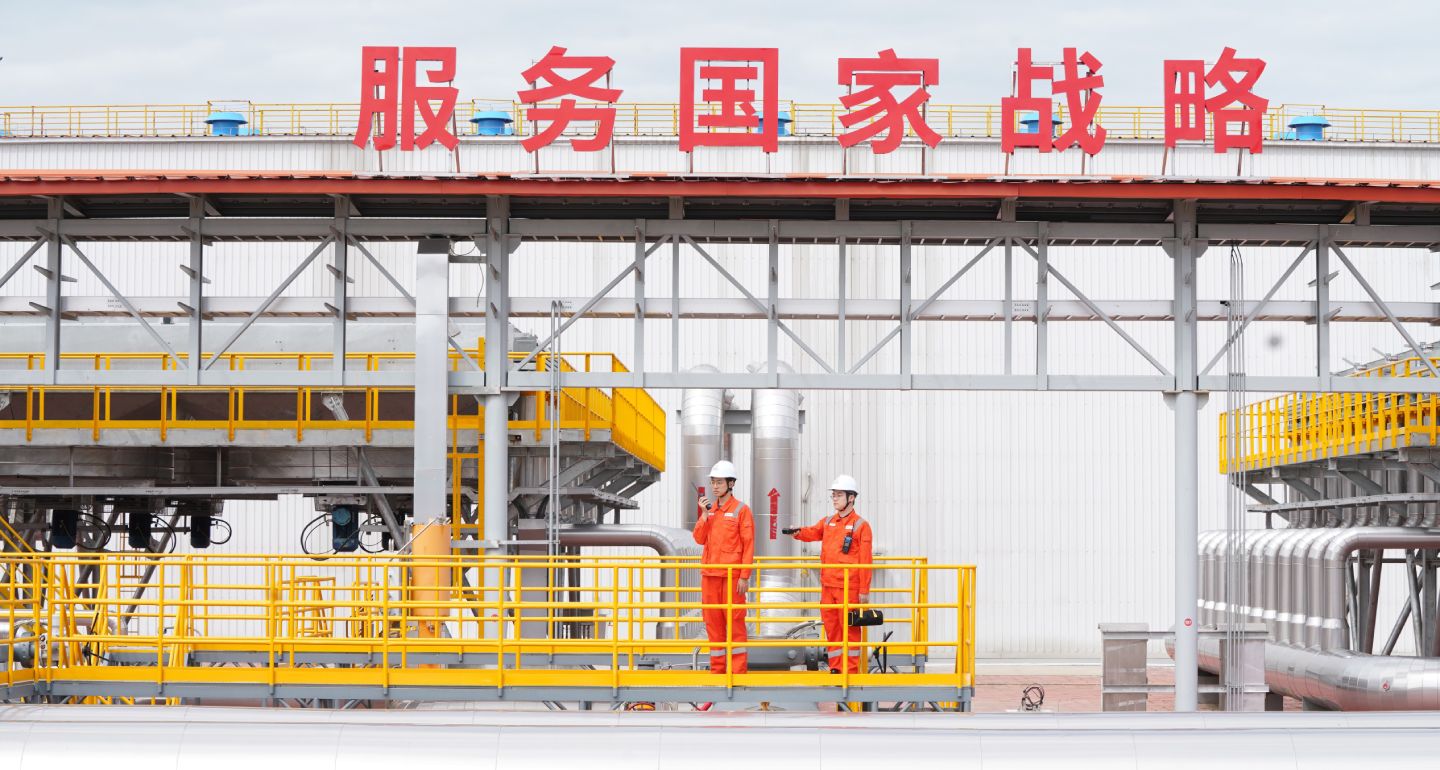
A leak of Russian gas price data helps establish that China is paying Russia far less than Central Asian countries and Gazprom’s former European customers.

Sergey Vakulenko

Japan’s long-term security policy is driven by concerns about China, and there is little appetite for (or interest in) pursuing a confrontation with Moscow.

James D.J. Brown
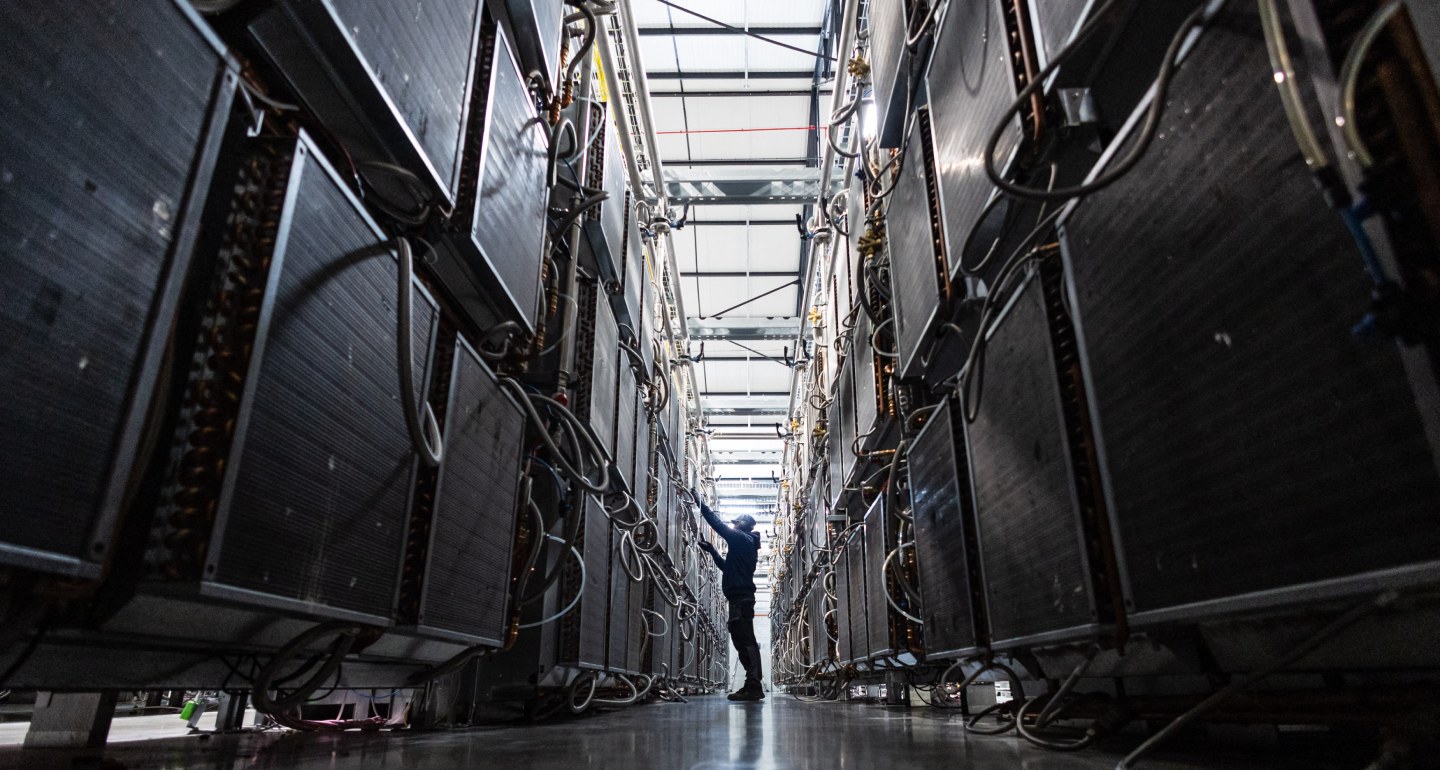
Russia spent years building a “sovereign internet,” concentrating web infrastructure exclusively within Russian territory. Ukrainian drone attacks have shown how vulnerable that approach has left the Russian internet.

Maria Kolomychenko

Russia’s AI-driven propaganda campaigns operate in a fragmented, chaotic, and often illogical manner. That’s not necessarily a problem for the Kremlin, though: It’s much easier to mimic genuine public debate that way.

Ilya Klishin

Cargo traffic through Russia’s Northern Sea Route has increased because of the disruption caused by the conflict in the Middle East, the Ukraine war, and U.S.-China tensions.

Mikhail Korostikov