• Research
  • Politika
  • About
Carnegie Russia Eurasia center logoCarnegie lettermark logo
  • Donate
{
  "authors": [],
  "type": "scholarSpotlight",
  "centerAffiliationAll": "",
  "centers": [
    "Carnegie Endowment for International Peace"
  ],
  "collections": [],
  "englishNewsletterAll": "",
  "nonEnglishNewsletterAll": "",
  "primaryCenter": "Carnegie Endowment for International Peace",
  "programAffiliation": "",
  "programs": [],
  "projects": [],
  "regions": [
    "United States"
  ],
  "topics": [
    "Foreign Policy",
    "Civil Society"
  ]
}

Source: Getty

Scholar Spotlight

New Scholar Spotlight: Christopher Shell

Link Copied
Published on May 25, 2022

For the United States and the international community, 2020 was a momentous year. The coronavirus pandemic, a politically fraught U.S. presidential election, and the protests after the murder of George Floyd brought the world to a screeching halt. Although Floyd’s killing was a domestic issue stemming from systemic racism and police brutality, the international community watched feverishly as the United States began an uneasy but badly needed dialogue about race relations.

If that year taught us anything, it is that in a global age, the U.S. relationship with minority groups cannot be divorced from its international presence. Our global rivals believe race is our nation’s Achilles’ heel. If the United States wishes to retain its historic power of attraction well into the twenty-first century, it needs to work to ensure that its foreign policies meet the needs of African Americans. Carnegie is now exploring the critical question of how U.S. foreign policy has impacted Black Americans since the end of the Cold War, and I’m elated to lead such a novel and groundbreaking project.

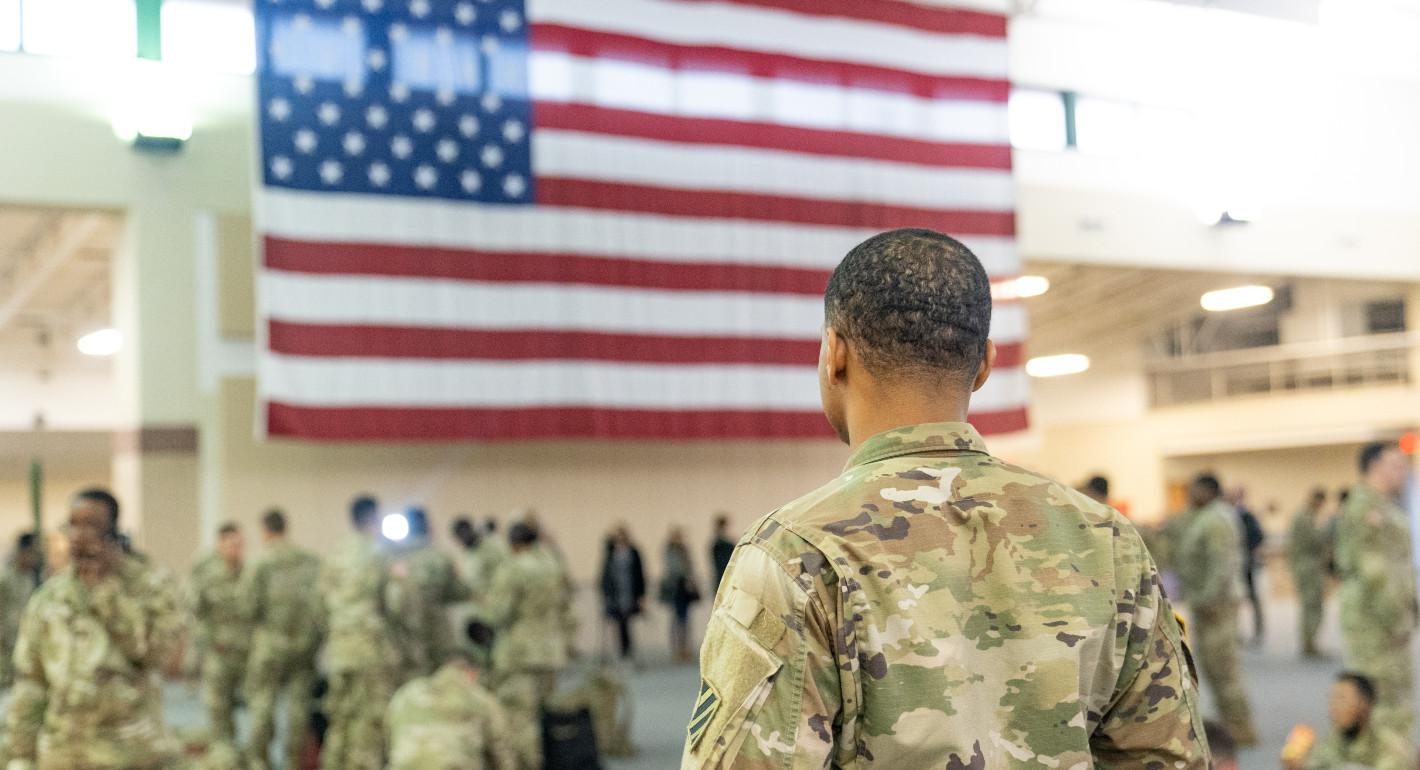
My life’s journey has consistently reminded me of the interconnectedness of U.S. foreign policy and the African American experience. As a child, I listened earnestly to my grandfathers’ stories of their time stationed in Southeast Asia, as enlisted men, during the Vietnam War. I sat in awe as they described how they grappled with the hypocrisy of serving the nation only to return home as second-class citizens.

As a doctoral student at Michigan State University studying Latin American and Caribbean history, I spent half a decade in the U.S. heartland witnessing the effects globalization had on its aging industrial center. Unemployment and urban decay ravaged many African American communities that once relied on industries now located overseas.

As I wrote my doctoral dissertation amid a pandemic and social upheaval, I felt that much of the national conversation, while pertinent, was reactionary. As a historian, I knew that only a subtle analysis of the past in all its complexity would help avoid a repeat of 2020.

I’m excited to be joining Carnegie and working with the nation’s most brilliant scholars to develop policy that can benefit marginalized groups and improve how the United States interacts with its allies and competitors. By conducting research on recent U.S. trade policies, military intervention, immigration, and human rights advocacy, I hope to contribute to a road map for U.S. foreign policy that not only works for African Americans but has the potential to work for all Americans.

Foreign PolicyCivil SocietyUnited States

Carnegie does not take institutional positions on public policy issues; the views represented herein are those of the author(s) and do not necessarily reflect the views of Carnegie, its staff, or its trustees.

More Work from Carnegie Russia Eurasia Center

  • Commentary
    Carnegie Politika
    Power, Pathways, and Policy: Grounding Central Asia’s Digital Ambitions

    Central Asia’s digital ambitions are achievable, but only if policy is aligned with the region’s physical constraints.

      Aruzhan Meirkhanova

  • Commentary
    Carnegie Politika
    Conspiracy Theories Are Eclipsing the Real Dangers of Russia’s Messaging App Max

    The internet is awash not only with instructions from digital security experts, but also with urban legends and conspiracy theories that divert attention away from the real dangers of Max.

      David Frenkel

  • Commentary
    Carnegie Politika
    Blocking of Telegram App Sparks Rare Public Rift Among Russia’s Elites

    The prospect of a total block on Russia’s most popular messaging app has sparked disagreement between the regime’s political managers and its security agencies.

      Andrey Pertsev

  • Commentary
    Carnegie Politika
    The Afghanistan–Pakistan War Poses Awkward Questions for Russia

    Not only does the fighting jeopardize regional security, it undermines Russian attempts to promote alternatives to the Western-dominated world order.

      Ruslan Suleymanov

  • Commentary
    Carnegie Politika
    Moldova Floats a New Approach to Its Transnistria Conundrum

    Moldova’s reintegration plan was drawn up to demonstrate to Brussels that Chișinău is serious about the Transnistria issue—and to get the West to react.

      Vladimir Solovyov

Get more news and analysis from
Carnegie Russia Eurasia Center
Carnegie Russia Eurasia logo, white
  • Research
  • Politika
  • About
  • Experts
  • Events
  • Contact
  • Privacy
  • For Media
Get more news and analysis from
Carnegie Russia Eurasia Center
© 2026 Carnegie Endowment for International Peace. All rights reserved.