

Q&A
- +1
Eric Ciaramella, Aaron David Miller, Alexandra Prokopenko, …
{
  "authors": [
    "Alexandra Prokopenko"
  ],
  "type": "legacyinthemedia",
  "centerAffiliationAll": "dc",
  "centers": [
    "Carnegie Endowment for International Peace",
    "Carnegie Russia Eurasia Center"
  ],
  "collections": [],
  "englishNewsletterAll": "ctw",
  "nonEnglishNewsletterAll": "",
  "primaryCenter": "Carnegie Russia Eurasia Center",
  "programAffiliation": "russia",
  "programs": [
    "Russia and Eurasia"
  ],
  "projects": [],
  "regions": [
    "Russia"
  ],
  "topics": [
    "Climate Change"
  ]
}
REQUIRED IMAGE
Alexandra Prokopenko assesses Russian nuclear energy monopoly Rosatom’s international activity in the wake of Russia’s war in Ukraine and U.S. and allied efforts to apply economic pressure through sanctions. She concludes that in view of U.S. and EU reliance on Rosatom for uranium and enrichment services, “reducing Rosatom’s global role will not be quick, easy, or cheap”.
Fellow, Carnegie Russia Eurasia Center
Alexandra Prokopenko is a fellow at the Carnegie Russia Eurasia Center.
Recent Work

Eric Ciaramella, Aaron David Miller, Alexandra Prokopenko, …
Alexandra Prokopenko
Carnegie does not take institutional positions on public policy issues; the views represented herein are those of the author(s) and do not necessarily reflect the views of Carnegie, its staff, or its trustees.
It’s disingenuous to criticize a film for simplifying Russia’s complexities when Russia is waging a brutally simple war of aggression against its neighbor.

Alexander Baunov
The current U.S. indifference to human rights means Astana no longer has any incentive to refuse extradition requests from its authoritarian neighbors—including Russia.

Temur Umarov
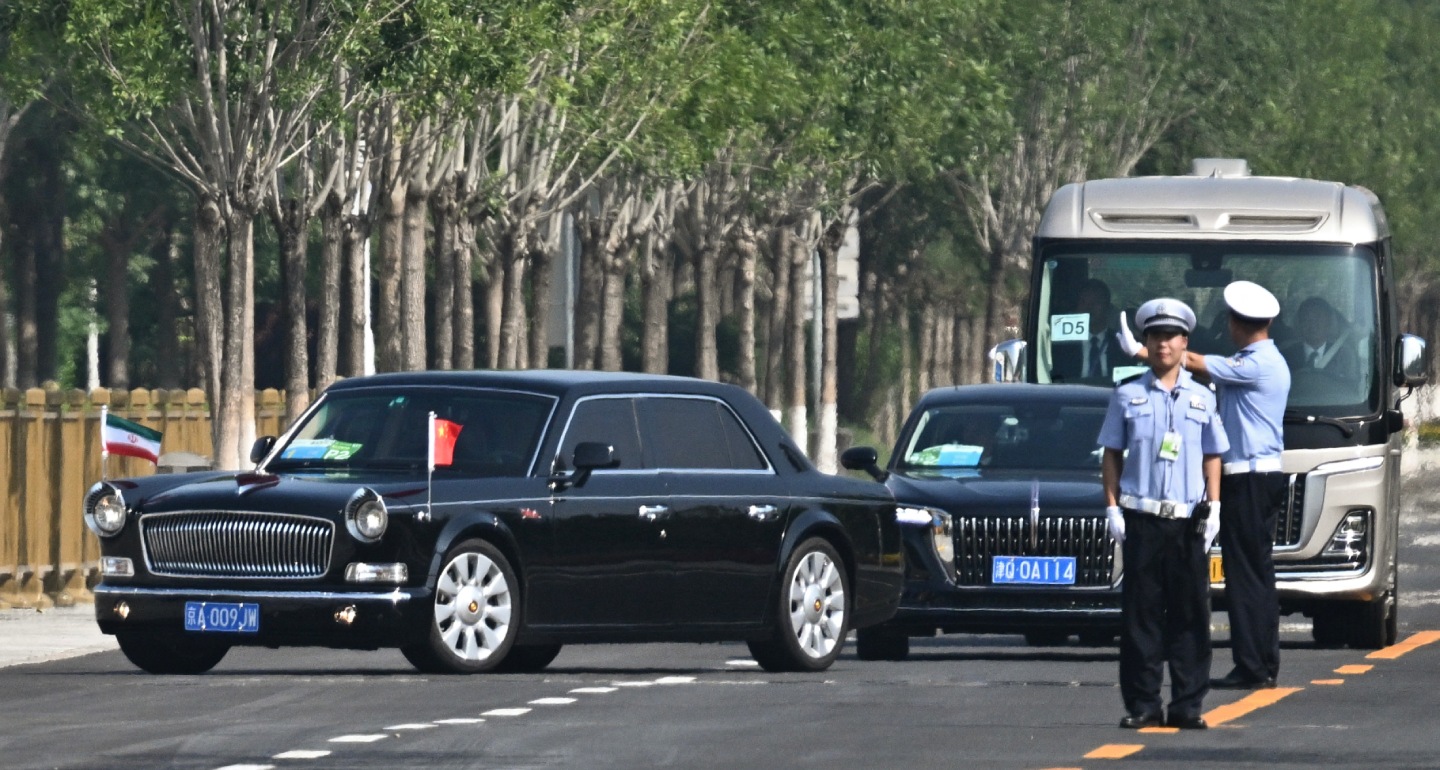
Most of Moscow’s military resources are tied up in Ukraine, while Beijing’s foreign policy prioritizes economic ties and avoids direct conflict.

Alexander Gabuev, Temur Umarov
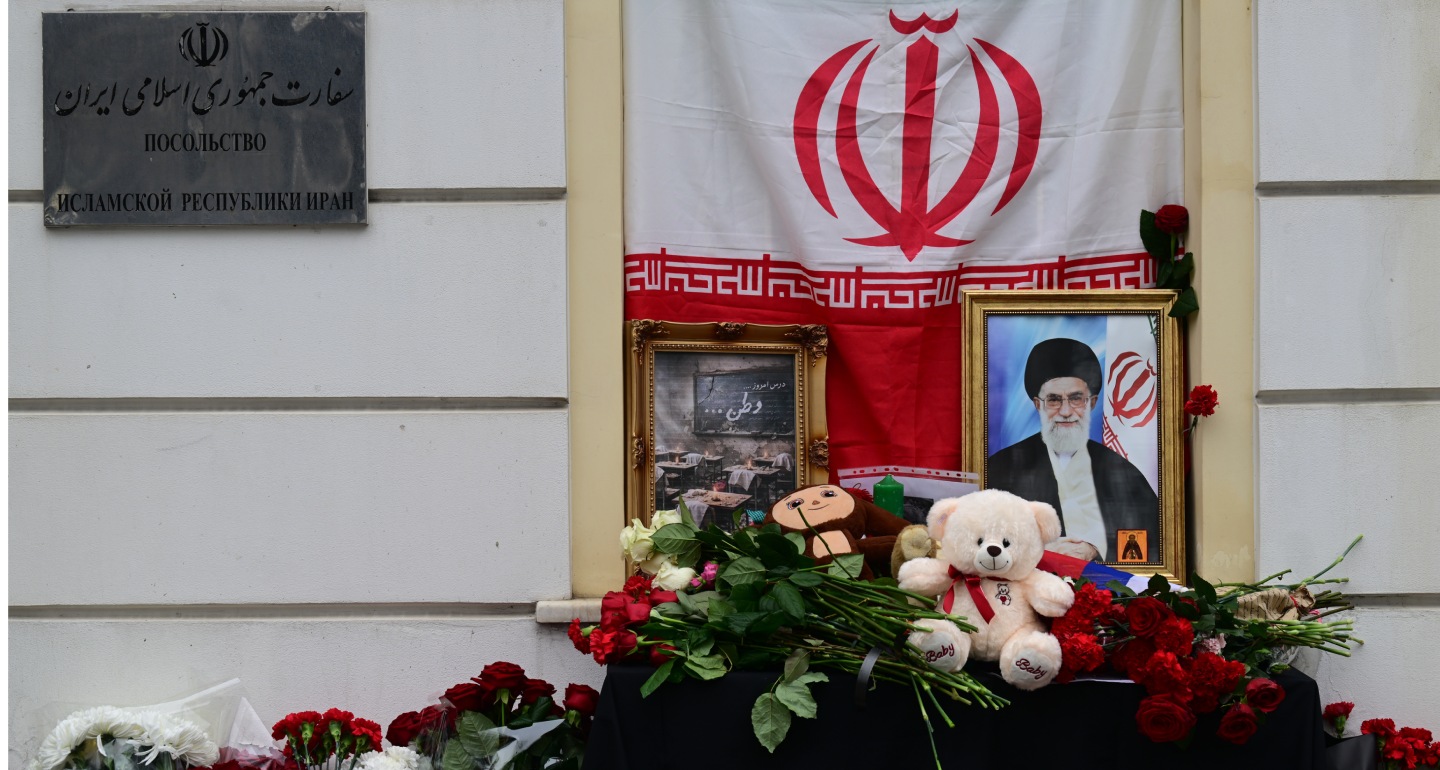
If the regime in Tehran survives, it could be obliged to hand Moscow significant political influence in exchange for supplies of weapons and humanitarian aid.

Nikita Smagin
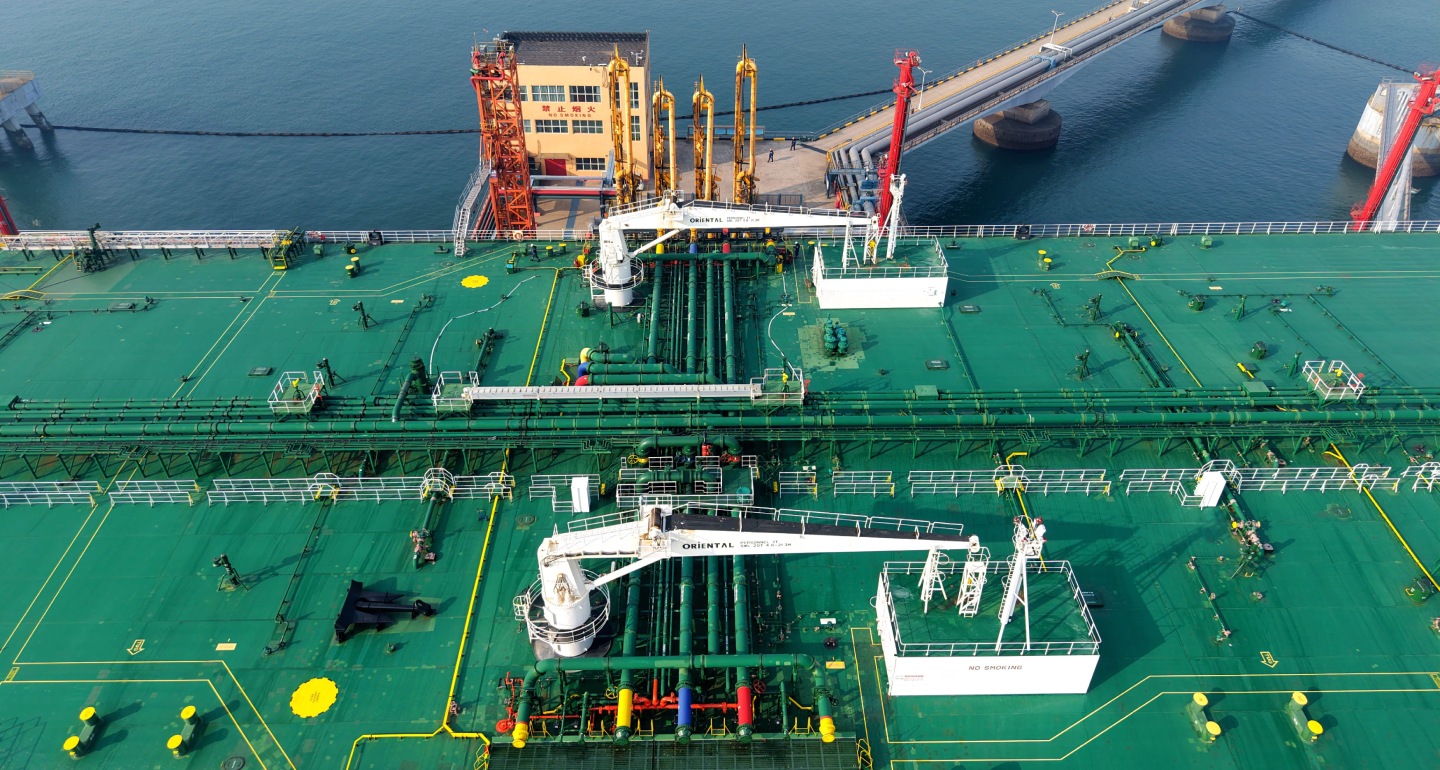
The interventions in Iran and Venezuela are in keeping with Trump’s strategy of containing China, but also strengthen Russia’s position.

Mikhail Korostikov